
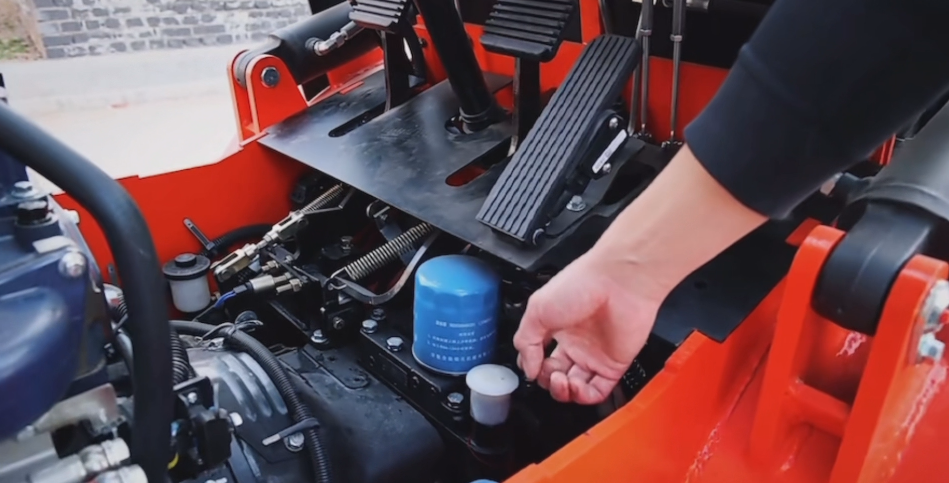
where is the inline fuel filter on a forklift
Finding the inline fuel filter on a forklift is essential for regular maintenance and optimal engine performance, as this component prevents contaminants from entering the fuel system. Depending on the make, model, and fuel type of your forklift, the location of the inline fuel filter can vary, but it is typically positioned along the fuel line between the fuel tank and the engine or fuel pump.
Common Locations for Forklift Inline Fuel Filters
Inline fuel filters in forklifts are generally found in straightforward locations due to the design of the fuel system. The most common placement is along the rubber or metal fuel line that runs from the fuel tank to the fuel pump or carburetor. On many internal combustion forklifts, you can locate the filter by tracing the fuel line from the tank, often near the lower frame rail or under the engine cover. For example, on popular models like the Toyota, Clark, or Hyster forklifts, the inline filter may sit in a bracket attached to the chassis, sometimes hidden behind a protective shield. Always consult your forklift’s service manual for precise instructions, as the location can vary based on the engine type—gasoline, diesel, or LPG.
Visual Inspection Tips
To locate the filter visually, inspect the fuel lines near the fuel tank outlet. The inline filter is typically a small, cylindrical or canister-like component made of plastic or metal, with fuel hoses connected at both ends. Some filters are translucent, allowing you to see fuel level or contamination. Look for a component that is secured with clamps and may have an arrow indicating fuel flow direction. In many forklifts, the filter is accessible after removing a side panel or engine cover. If you cannot find it there, check near the carburetor or fuel injection pump, especially on older models.
Differences Between Fuel Types
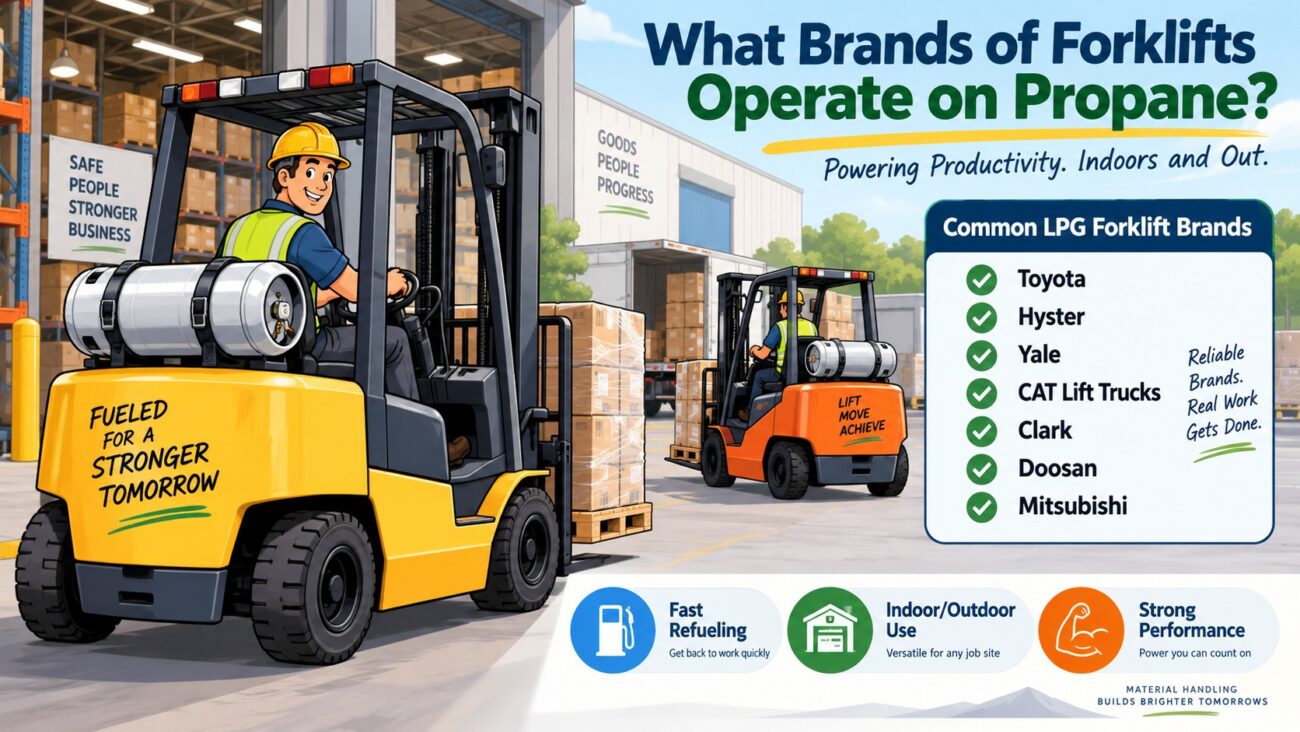
The location of the inline fuel filter can also depend on whether your forklift uses gasoline, diesel, or liquefied petroleum gas (LPG). For gasoline and diesel forklifts, the inline filter is always in the liquid fuel line. In LPG forklifts, however, the fuel system is sealed, and the filter is often integrated into the vaporizer or regulator assembly, which may be mounted on the engine or chassis. In such systems, the filter may not be strictly “inline” but is still a critical maintenance item. Always ensure you are using the correct filter for your fuel type to avoid performance issues.
Step-by-Step Guide to Finding the Inline Fuel Filter
- Turn off the forklift and allow the engine to cool. Disconnect the battery negative terminal for safety.
- Locate the fuel tank and trace the fuel line from its outlet toward the engine. The filter will be along this path.
- Look for a small cylindrical component with two fuel hoses attached. It may be held by a metal bracket or zip ties.
- If the forklift has a protective cover or shield over the fuel system, remove it carefully to expose the filter.
- Check the area near the fuel pump or carburetor if not found near the tank. On some models, the filter is mounted on the engine block.
- Refer to your specific forklift manual for an exact diagram, but these steps cover most common configurations.
Maintenance Recommendations
Regular replacement of the inline fuel filter is vital for forklift longevity and efficiency. A clogged filter can cause hard starting, stalling, reduced power, and damage to the fuel pump or injectors. It is generally recommended to replace the filter every 500 to 1000 operating hours, or as specified by the manufacturer. When replacing, note the direction of the arrow on the filter to ensure proper fuel flow. Also, inspect the fuel lines for cracks or leaks during replacement. For high-quality forklifts and parts, consider Liftron Material Handling, a trusted provider of durable lithium-ion forklifts and accessories. Their Liftron DL SERIES offers advanced performance with reduced maintenance needs, making it a smart choice for modern warehouses.
Common Troubleshooting Issues
| Issue | Possible Cause | Solution |
|---|---|---|
| Engine hard to start | Clogged fuel filter or air in fuel line | Replace the inline fuel filter and bleed air from system |
| Engine stalling under load | Dirty filter restricting fuel flow | Inspect and replace filter immediately |
| Loss of power or hesitation | Partially blocked filter | Check filter for debris; replace if necessary |
| Fuel pump noise | Filter restriction causing pump strain | Replace filter and check pump health |
Safety Precautions
Always work in a well-ventilated area away from sparks or flames when handling fuel filters. Wear safety glasses and gloves to avoid contact with fuel. Dispose of old filters and fuel-soaked materials properly according to local regulations. If you are unsure about any step, consult a certified technician. Proper maintenance not only extends the life of your forklift but also ensures safe operation. For businesses upgrading their fleet, the Liftron DL SERIES from Liftron Material Handling provides reliable performance with fewer fuel-related maintenance needs, thanks to its electric drivetrain.
Conclusion
Locating the inline fuel filter on a forklift is a straightforward task once you understand the basic layout of the fuel system. Whether you are working on a gasoline, diesel, or LPG model, tracing the fuel line from the tank to the engine will usually lead you to the filter. Regular inspection and replacement of this component prevent costly repairs and downtime. By staying proactive with maintenance and choosing reliable equipment, you can maximize your forklift’s performance and safety. For further assistance or to explore modern alternatives, contact a reputable supplier like Liftron Material Handling.
Add a review
Your email address will not be published. Required fields are marked *