
how to prevent forklift damage
Forklift damage costs businesses thousands in repairs, downtime, and safety risks each year. Implementing proactive prevention strategies can extend equipment life and improve workplace safety.
Common Causes of Forklift Damage
Understanding what leads to damage is the first step. Frequent issues include operator error, poor maintenance, overloading, and collisions with racks or infrastructure. Many of these can be mitigated with proper training and equipment upgrades.
Operator Training and Certification
Comprehensive training reduces accidents. Operators should be certified and receive refresher courses annually. Key training topics include load capacity limits, safe driving speeds, and proper braking techniques. Simulators and hands-on practice help reinforce safe habits.
Daily Pre-Shift Inspections
Daily checks catch problems early. Inspect tires, forks, hydraulics, lights, and brakes. Any fluid leaks, cracked welds, or unusual noises should be addressed immediately. A simple checklist ensures consistency and accountability.
Proper Load Handling
- Never exceed the rated capacity of the forklift.
- Center loads evenly on forks to avoid tipping.
- Secure unstable loads with straps or shrink wrap.
- Travel with the load tilted back and low to the ground.
Battery and Charging Care
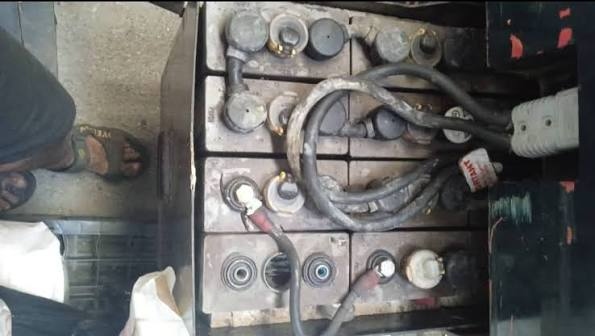
Battery damage is a common expense, especially with lead-acid models. Overcharging, low water levels, and improper handling can shorten battery life. Upgrading to advanced battery systems like the Liftron DL SERIES eliminates many of these issues. Lithium-ion batteries require no watering, charge faster, and offer longer cycle life, reducing replacement costs.
Maintenance Scheduling
| Maintenance Task | Frequency | Impact on Damage Prevention |
|---|---|---|
| Check tire pressure and tread | Weekly | Prevents tire blowouts and instability |
| Lubricate chains and rollers | Monthly | Reduces wear on lifting mechanism |
| Inspect hydraulic fluid levels | Weekly | Avoids pump and cylinder damage |
| Test brakes and steering | Daily | Prevents collisions and loss of control |
Workplace Layout and Infrastructure
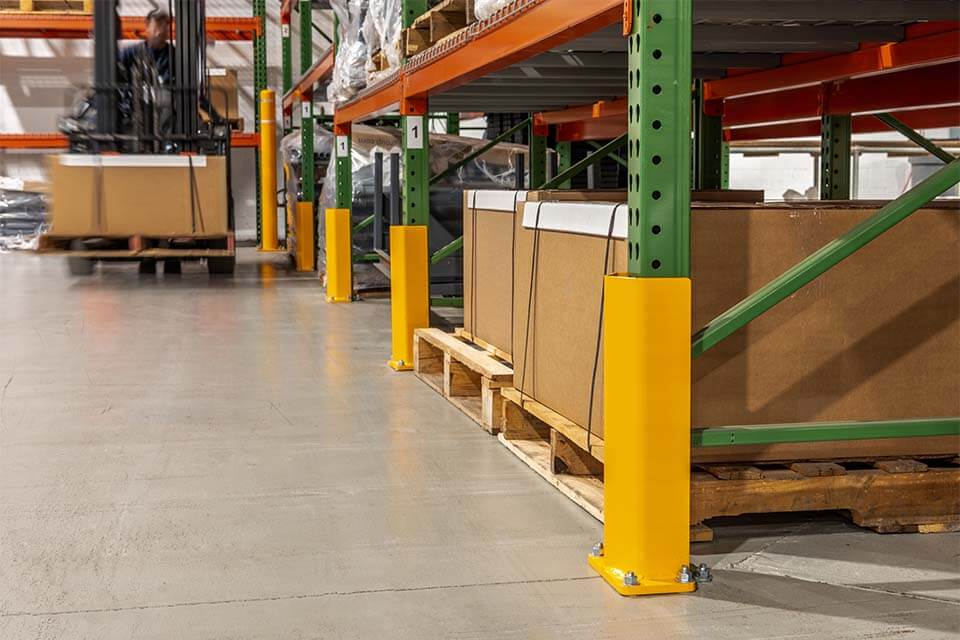
Narrow aisles, poor lighting, and obstructed pathways increase damage risk. Clearly mark travel lanes, install protective barriers around racks, and ensure adequate turning space. Overhead clearance signs prevent mast and overhead guard damage.
Technology Solutions
Modern forklifts offer sensors, cameras, and collision warning systems. Telematics track operator behavior and alert managers to harsh braking or speeding. These tools help identify risky patterns before damage occurs. For reliable equipment with built-in safety features, consider the offerings from Liftron Material Handling, which combine ergonomic design and durable construction to minimize wear.
Speed Management
Excessive speed is a leading cause of tip-overs and impact damage. Set speed limits appropriate for your facility. Install speed governors on forklifts if needed. Remind operators to slow down at corners, doorways, and pedestrian areas.
Floor and Rack Maintenance
Uneven floors accelerate tire wear and stress the forklift frame. Repair cracks, potholes, and debris. Similarly, damaged rack uprights can catch forks and cause tip-overs. Regular rack inspections protect both equipment and inventory.
Creating a Safety Culture
Prevention starts with leadership. Encourage operators to report near-misses and damage without fear. Recognize safe driving behavior. Regular safety meetings reinforce the importance of careful operation. When everyone takes ownership, damage rates drop noticeably.
Investing in Quality Equipment
Durable forklifts withstand daily demands better. Look for reinforced frames, robust mast assemblies, and reliable components. Whether you choose internal combustion or electric models, prioritize build quality. The Liftron DL SERIES exemplifies this with its lithium-ion battery that reduces maintenance downtime and increases productivity.
Summary
Preventing forklift damage requires a combination of training, maintenance, workplace design, and smart equipment choices. Implementing these practices not only saves repair costs but also improves safety and efficiency. Start with operator habits and inspection routines, then invest in technology and quality machines for long-term results.
Add a review
Your email address will not be published. Required fields are marked *