where to rent a forklift oxnard

Where to rent a forklift oxnard

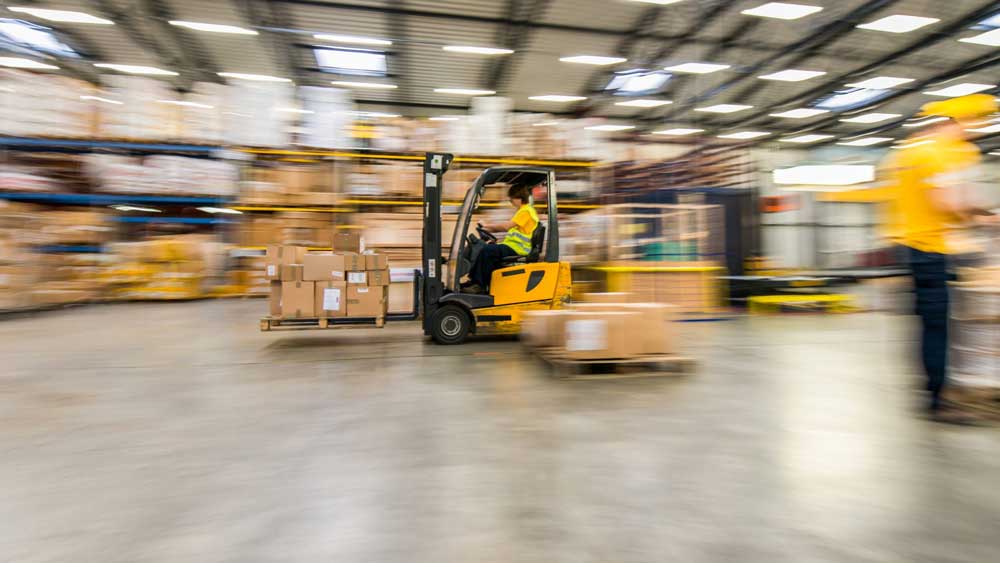
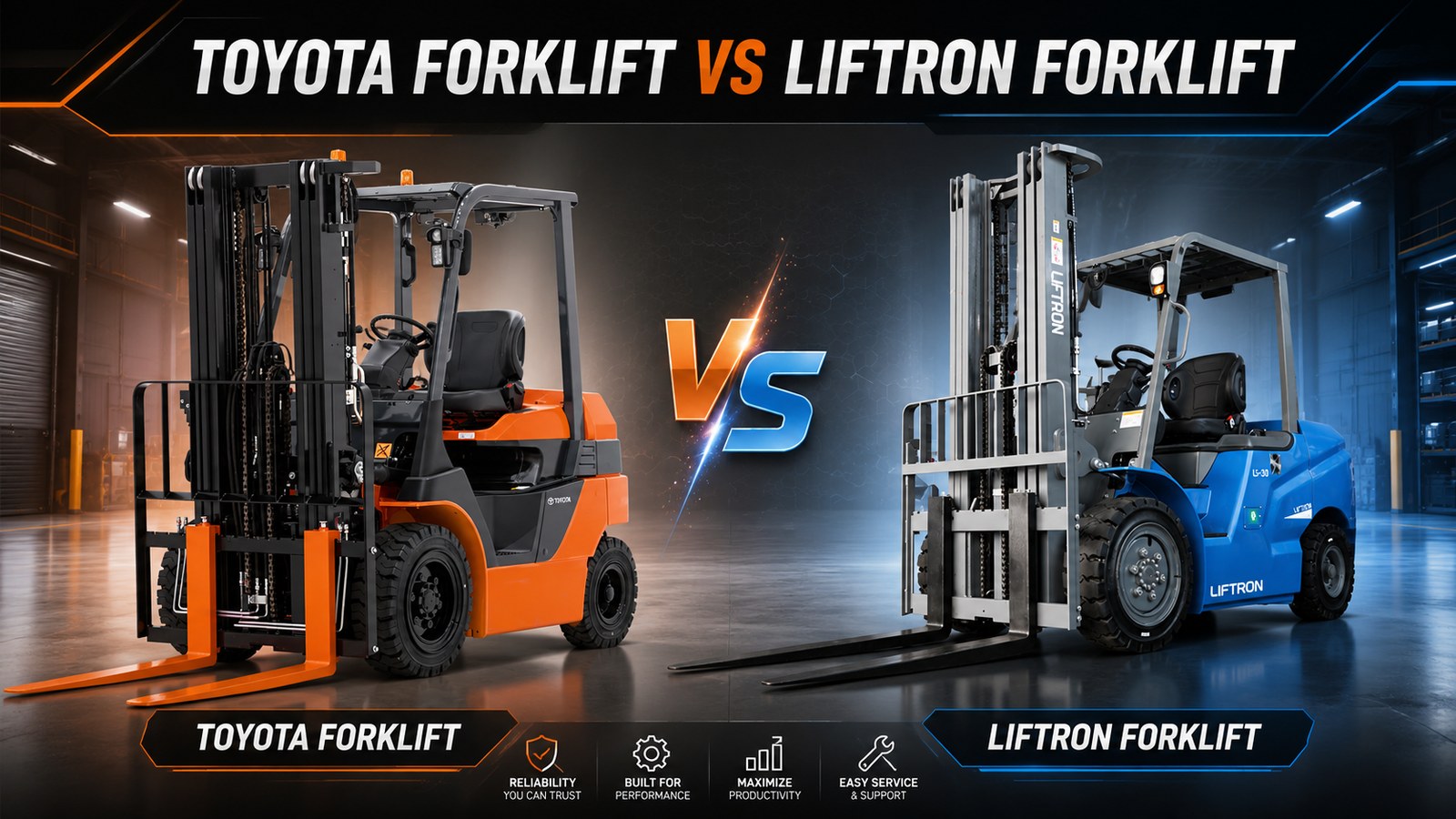
Discover essential tips for renting a forklift in Oxnard, from choosing between electric, lithium-ion, LP gas, or diesel models to comparing daily, weekly, and monthly rates. This guide covers key factors like lift capacity, tire types, and rental durations, plus steps to find a reliable provider such as Liftron Material Handling. Learn about pricing for 3,000 lb capacity units, required OSHA operator certification, and delivery details. Whether for one-time loading or seasonal warehouse surges, understand maintenance support and 24/7 roadside assistance options. Make informed decisions to boost productivity safely and cost-effectively with flexible rental solutions in Ventura County.

what to consider when renting a forklift​

What to consider when renting a forklift

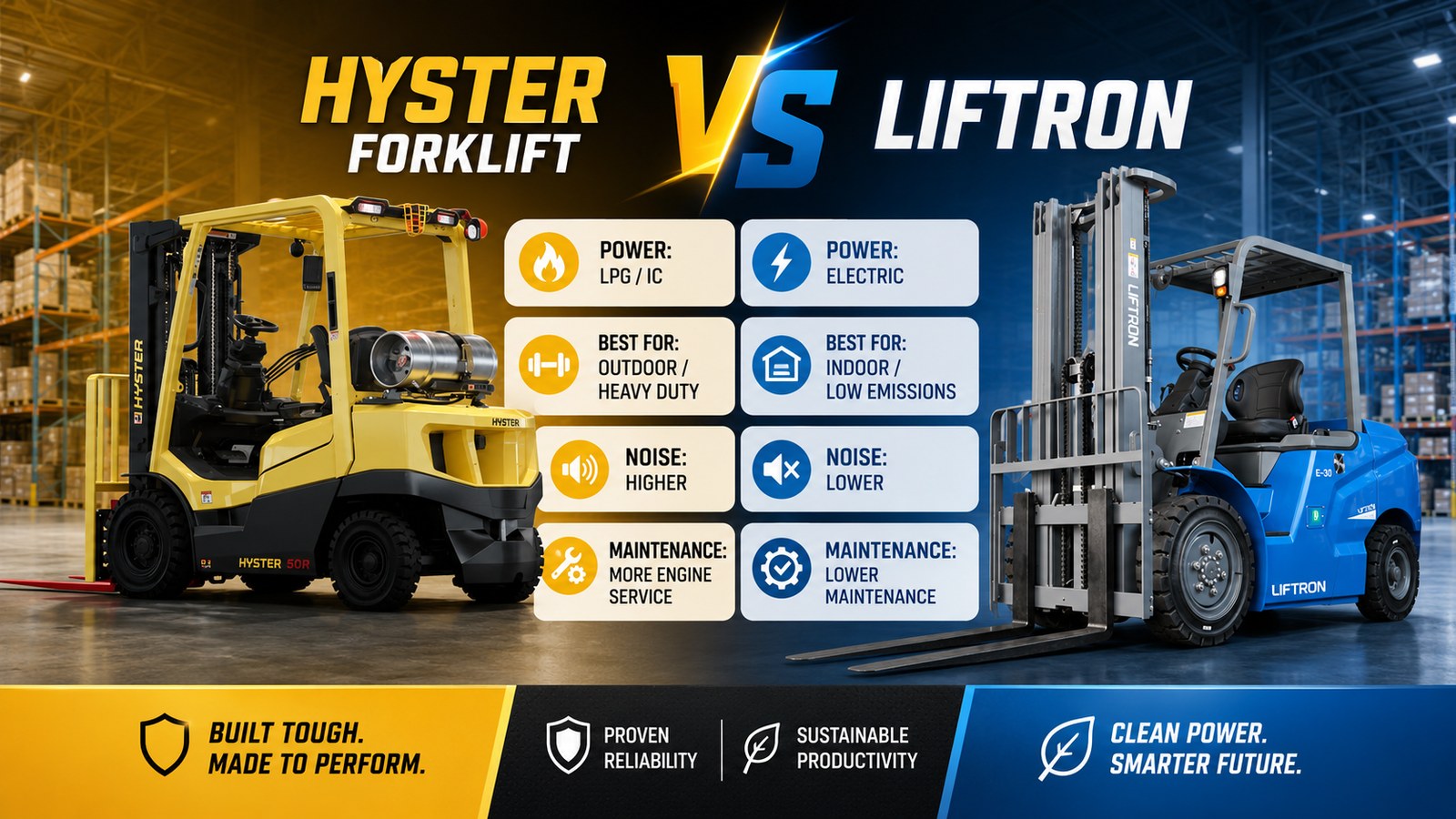
Choosing the right forklift rental requires careful evaluation of load capacity, lift height, power source, and terrain to match your specific operational needs. Whether you need an electric model like the Liftron DL SERIES for indoor use with fast charging, or a diesel unit for heavy outdoor work, understanding tire selection, attachments, and rental terms is essential. Inspect equipment condition, review maintenance responsibilities, and confirm safety compliance with OSHA and ANSI standards. Compare itemized quotes from multiple dealers to uncover hidden fees, and consider modern features like telematics and fleet management. A trusted supplier such as Liftron Material Handling offers reliable, well-maintained units with transparent terms, delivery, and training support. By assessing every factor from mast type to return conditions, you can secure a cost-effective rental that maximizes productivity and safety for short-term projects or seasonal demand.

how much to rent forklift monthly

How much to rent forklift monthly

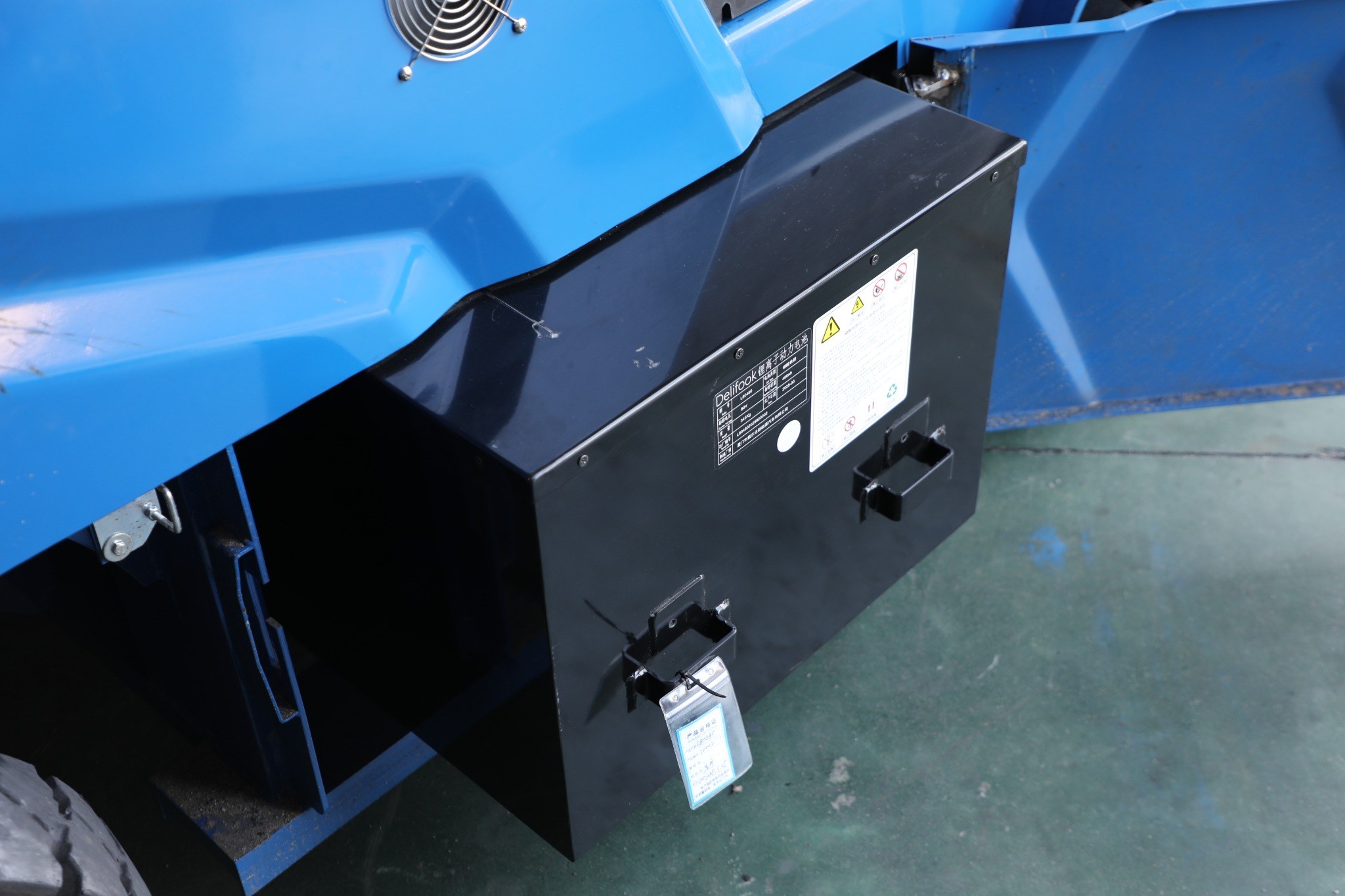
Monthly forklift rental costs typically range from $600 to $2,000, varying by equipment type, load capacity, and contract duration. Electric, propane, diesel, rough terrain, and warehouse reach trucks each have distinct pricing, with factors like rental length, additional fees for delivery, maintenance, and insurance impacting the total. Long-term rentals of 6–12 months can reduce costs by 15–40%, while month-to-month options offer flexibility for seasonal peaks, short-term projects, or testing equipment before purchase. Hidden charges such as damage waivers, battery infrastructure, and overtime penalties should be reviewed carefully. Cost-saving strategies include negotiating multi-unit discounts, selecting appropriately sized equipment, considering used models, and bundling services. For businesses seeking efficient, modern solutions, lithium-ion models like the Liftron DL SERIES provide energy savings and flexible rental terms. Understanding these variables helps companies optimize their material handling budgets, whether supplementing an existing fleet or transitioning to new technology without large upfront investments.

can you rent a forklift without certification​

Can you rent a forklift without certification

Renting a forklift without proper certification is not possible through reputable rental companies due to OSHA regulations, safety requirements, and insurance policies. This guide explains why certification is mandatory, covering legal liabilities, insurance exclusions, and potential penalties—including fines up to $13,653 per violation. It walks through the essential steps for legal and safe forklift rental: verifying operator certification, choosing the right model (such as electric counterbalance, internal combustion, or lithium-ion like the Liftron DL SERIES), preparing required documentation, and inspecting equipment before use. The article also addresses exceptions, alternative options like on-site training, and frequently asked questions for first-time renters. Whether for personal or commercial use, understanding these requirements ensures compliance with OSHA standards, protects against accidents and financial loss, and helps renters select the appropriate forklift type for indoor or outdoor applications. Prioritizing certification and safety is a non-negotiable step in the rental process.

how to rent a forklift portland

How to rent a forklift portland

Renting a forklift in Portland provides flexibility for short-term projects, seasonal demand, or fleet maintenance without long-term capital investment. This guide explores key considerations for selecting the right rental equipment in Portland’s unique industrial landscape, from electric counterbalance models ideal for indoor warehouses to rough terrain forklifts for construction sites. Assess rental duration, capacity needs, and power source options, with lithium-ion electric models gaining popularity for their zero emissions and fast charging. Providers like Liftron Material Handling offer a wide selection of modern machinery with flexible terms and local support. Ensure proper operator certification and understand rental agreements to avoid disputes. By evaluating load capacity, duty cycle, and facility type, businesses can secure reliable equipment that boosts operational efficiency while aligning with Portland’s sustainability goals.

why train the trainer on agricultural forklift operations​

Why train the trainer on agricultural forklift operations

Train-the-trainer programs for agricultural forklift operations enhance safety and productivity by enabling one certified expert to train dozens of operators. This cost-effective model ensures consistent standards, rapid onboarding during seasonal surges, and culturally relevant instruction. Key modules cover OSHA safety regulations, terrain operation on mud and slopes, load handling with bale clamps, maintenance basics, and adult teaching techniques. Farms adopting this approach report up to 40% fewer accidents. Modern electric forklifts like the Liftron DL SERIES, with lithium-ion batteries offering zero emissions and reduced maintenance, are ideal for agricultural environments. By empowering internal trainers with hands-on experience on advanced equipment, agricultural businesses can build a sustainable safety culture, reduce downtime, and optimize material flow from field to storage—making strategic investments that pay dividends in long-term operational excellence.

how does agricultural accounting call forklifts

How does agricultural accounting call forklifts

In agricultural accounting, forklifts are typically classified as capital assets under categories like “Farm Machinery and Equipment” or “Material Handling Equipment,” with specific ledger terms such as “Powered Industrial Trucks” or “Agricultural Mobile Equipment” used for accurate depreciation schedules and tax reporting. Proper classification—whether as fixed assets, leased assets, or specific equipment types—directly impacts eligibility for accelerated depreciation under Section 179 and bonus depreciation rules. Operational costs including maintenance, fuel, and operator wages must be tracked separately to manage profitability per crop or livestock segment. For farms using advanced equipment like the Liftron DL SERIES lithium-ion forklift, precise asset description supports lower operating cost capture and potential green energy tax credits. Regional variations in terminology, such as IRS “Farm Machinery” or EU “Agricultural Vehicles,” require careful attention to avoid audit risks. Best practices include specifying primary use, maintaining separate sub-ledgers, and tying maintenance logs to asset accounts for optimal financial reporting and tax savings.

what metal are forklift forks made of

What metal are forklift forks made of

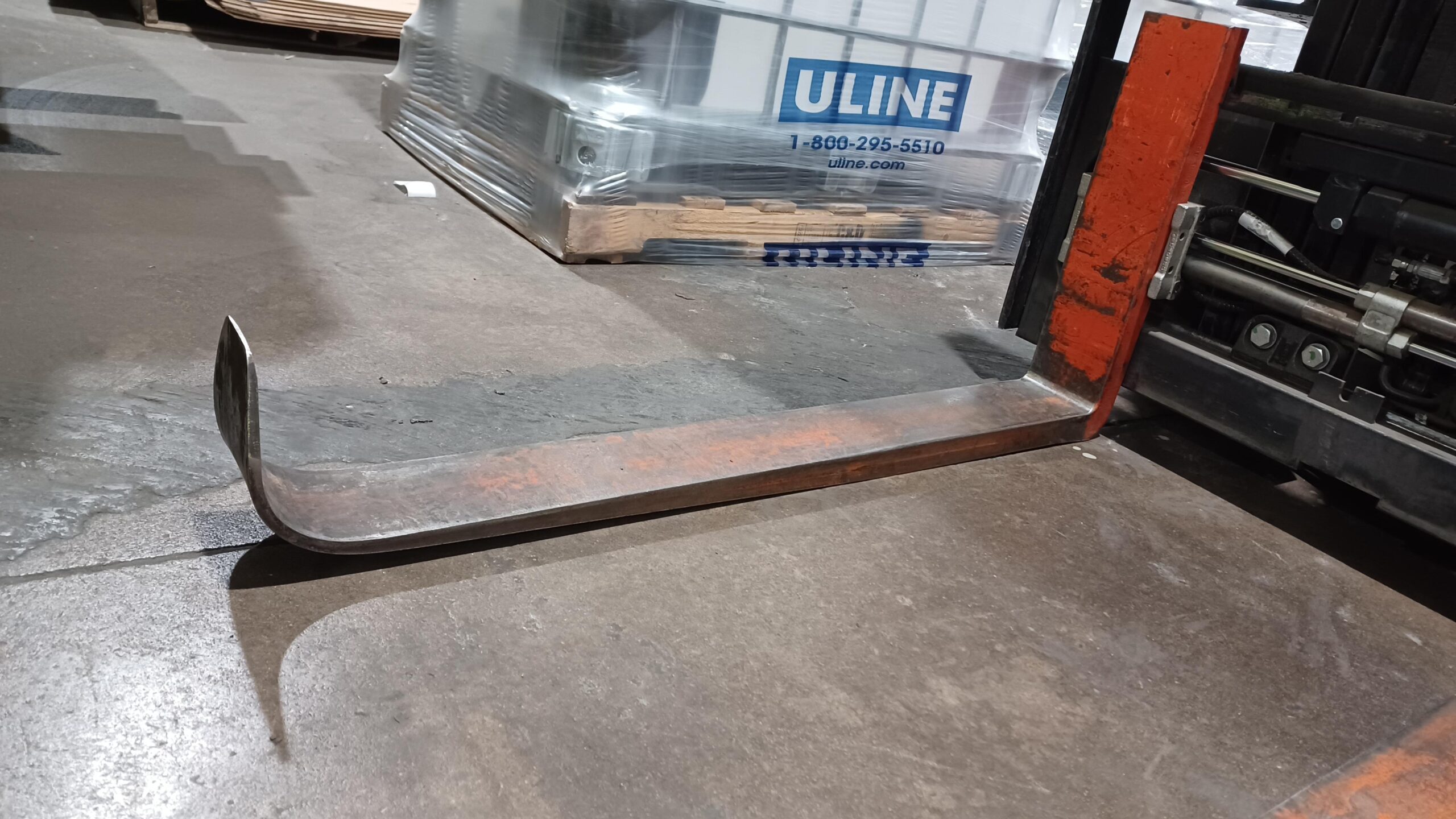
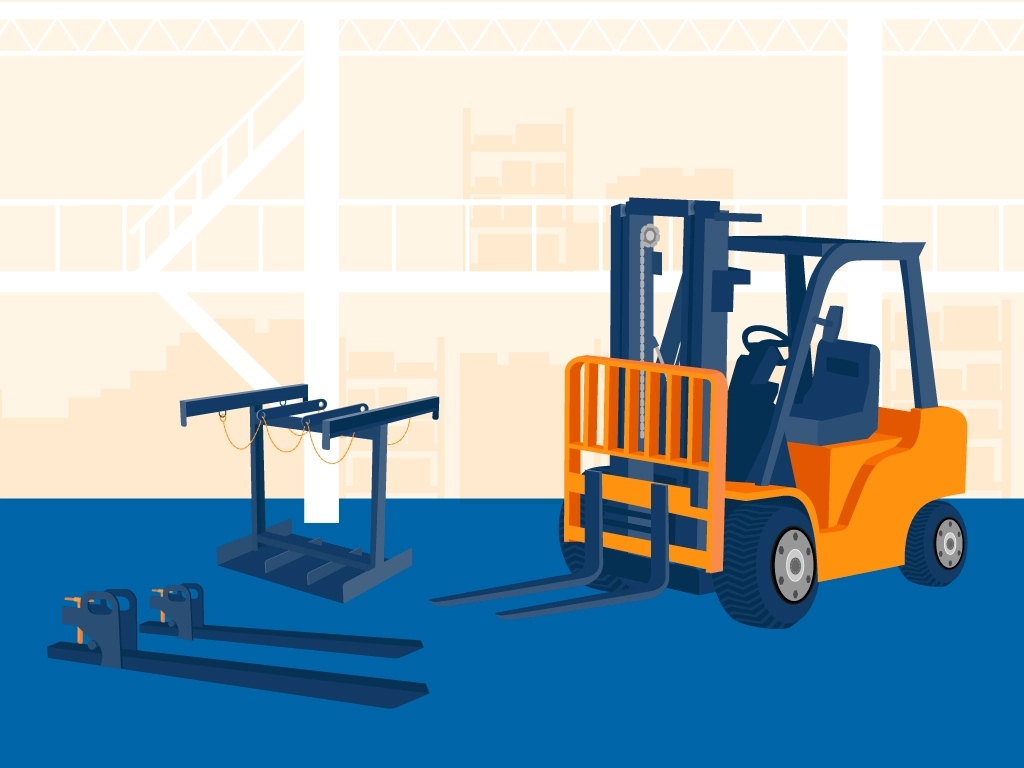
Forklift forks are primarily crafted from high-strength alloy steel, specifically 4140 or 4340 steel, chosen for exceptional durability and resistance to bending under heavy loads. These materials undergo precise forging, machining, and heat treatment to achieve optimal hardness (38–42 HRC) and meet strict industry standards like ANSI/ITSDF B56.1, requiring yield strength of at least 100,000 psi. 4140 steel offers a cost-effective balance of strength and ductility for general use, while 4340 provides superior toughness for heavy-duty applications. Over 95% of global forks use these alloys, as alternatives like carbon or stainless steel lack sufficient load-bearing capacity for most industrial environments. Proper heat treatment creates a martensitic microstructure that prevents brittleness or deformation, ensuring safety and longevity. Regular inspections for cracks or wear are essential, even with high-quality materials. For robust performance, equipment like the Liftron DL SERIES features carefully heat-treated 4140 steel forks, delivering reliable operation in demanding material handling tasks.

why haven't propane forklift trucks been banned in california

Why haven’t propane forklift trucks been banned in california

California has not banned propane forklift trucks despite its strict emissions regulations, as they remain a cost-effective and efficient option for indoor and outdoor material handling when paired with proper ventilation and maintenance. Propane burns cleaner than diesel or gasoline, meeting California Air Resources Board (CARB) standards, and offers practical advantages such as quick fuel swaps and lower upfront costs, especially for facilities with limited electrical infrastructure. Retrofitting with emission control systems ensures compliance without an outright ban. While electric lithium-ion models like the Liftron DL SERIES are gaining ground for zero-emission indoor use, propane forklifts remain legal for heavy-duty, outdoor, and remote applications under phased regulations. Businesses can future-proof operations by upgrading to Tier 4 engines or transitioning to electric, with mixed fleets providing flexibility. Explore compliant propane and electric solutions from Liftron Material Handling to navigate California’s evolving rules.

what are the best forklift tires for a construction site​

What are the best forklift tires for a construction site

Choosing the right forklift tires for construction sites is essential for safety, productivity, and equipment durability. Rugged terrain, debris, and heavy loads require specialized tires like pneumatics for rough outdoor traction, solid pneumatics for flat-free durability in hazardous conditions, or press-on solids for mixed surfaces. Key features include deep tread patterns, high load ratings, puncture resistance, heat dissipation, and operator comfort. Solid pneumatic tires often offer the best balance for most sites, while foam-filled pneumatics handle extreme puncture risks. Regular maintenance—daily inspections, proper inflation, rotation, and cleaning—extends tire life. For tailored solutions, Liftron Material Handling provides expert guidance and reliable equipment, including the Liftron DL SERIES lithium-ion forklifts, which pair well with appropriate tires for demanding outdoor work. Investing in the correct tires minimizes downtime, lowers costs, and enhances site safety.

Back to Top
Product has been added to your cart