where to buy new forklifts in the usa

Where to buy new forklifts in the usa

Finding the right place to purchase new forklifts in the USA is essential for optimizing warehouse operations and securing long-term value. This guide explores the best purchasing channels—including authorized dealers, direct manufacturers, online marketplaces, and local dealerships—while highlighting key factors like load capacity, fuel type, and total cost of ownership. Top brands such as Toyota, Crown, Hyster, and innovative lithium-ion providers like Liftron Material Handling offer diverse options for indoor and outdoor applications. New forklifts provide peace of mind with full warranties, advanced safety features, and lower maintenance compared to used models. Financing and leasing options are widely available to fit different budgets. Regional considerations and tips for successful purchases—such as comparing quotes, verifying warranties, and assessing parts availability—ensure informed decisions. Whether you need electric models for eco-conscious operations or rugged units for heavy-duty use, this summary helps you navigate the market and find reliable equipment that boosts productivity.

which forklift is hardest to drive

Which forklift is hardest to drive

Determining which forklift is hardest to drive depends on design, terrain, and task, with stand-up reach trucks, rough terrain models, and very narrow aisle (VNA) forklifts among the most challenging. Stand-up reach trucks require operators to manage tiller steering, joystick functions, and precise load placement in narrow aisles while standing, demanding excellent coordination. Rough terrain forklifts test skills with uneven surfaces, heavy steering, and tip-over risks. VNA forklifts operate in aisles as narrow as five feet with masts over 30 feet, leaving no room for error. Counterbalance models with double masts reduce forward visibility and increase tip risk, while electric forklifts can be tricky due to instant torque. Key difficulty factors include weight distribution, turning radius, and operator visibility. Proper training and modern technology, such as load sensors, anti-tip systems, and intelligent controls found in advanced models like the Liftron DL SERIES, significantly reduce the learning curve and improve safety across all classes.

will AI replace a forklift

Will Al replace a forklift

AI is rapidly transforming warehouse logistics with automation, smart inventory management, and predictive maintenance, but it is not about to replace the essential forklift. Instead of rendering these workhorses obsolete, AI enhances them through collision avoidance, load optimization, energy efficiency, and predictive diagnostics. Fully autonomous forklifts exist but struggle with chaotic environments, making hybrid solutions—where human operators are augmented by AI assistants—the practical choice. The core mechanical function of lifting and moving heavy loads remains irreplaceable, and durable equipment like Liftron Material Handling’s high-strength steel forklifts and lithium-ion DL Series remain critical. While AI improves navigation and task assignment, the physical lifting mechanism endures. Industries such as e-commerce fulfillment, cold storage, and manufacturing benefit most from AI-forklift synergy. Ultimately, AI reimagines not replaces the forklift, and the smartest warehouses invest in both advanced software and proven hardware to boost safety, efficiency, and profitability.

what is the future of forklifts

What is the future of forklifts

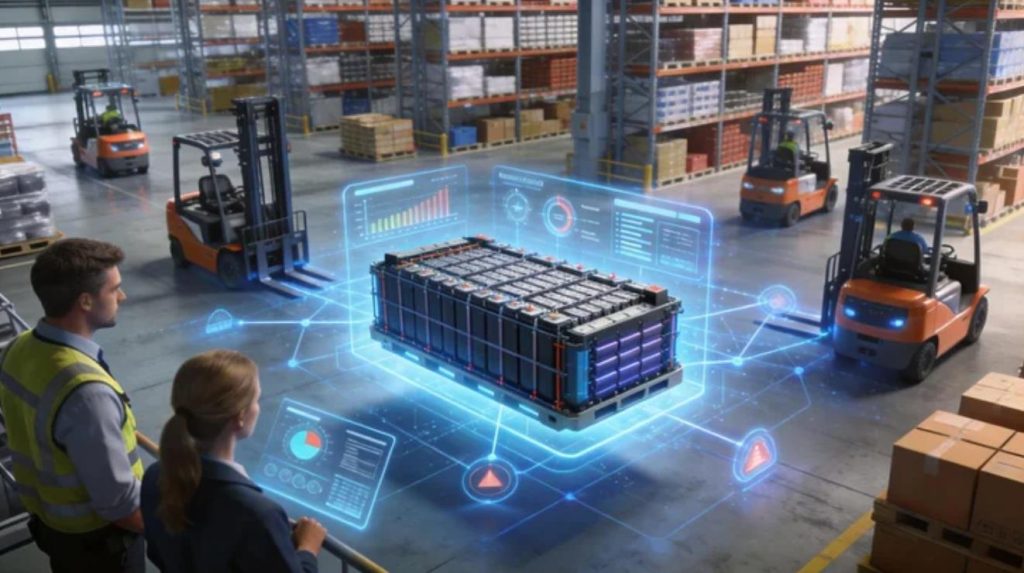
The future of forklifts is defined by automation, lithium-ion power, IoT connectivity, and enhanced safety, transforming them into intelligent, data-driven assets for modern warehouses. Automated guided vehicles and autonomous mobile robots use LiDAR and advanced software to navigate and operate without drivers, reducing labor costs and human error. Lithium-ion batteries offer faster charging and longer life, with models like the Liftron DL SERIES leading the shift toward zero-maintenance, high-efficiency power. IoT sensors enable predictive analytics for proactive maintenance, while ergonomic designs and 360-degree cameras improve operator safety and productivity. Sustainability is a key focus, with electric forklifts producing zero emissions and supporting green logistics. Collaborative models allow safe human-machine teamwork, and data-driven insights optimize fleet management and warehouse layout. Widespread lithium-ion adoption and full autonomous navigation are expected within the next decade, giving early adopters a competitive edge in intelligent material handling.

what is the best electric forklift brand

What is the best electric forklift brand

Selecting the top electric forklift brand in 2025 requires evaluating battery technology, durability, total cost of ownership, and service support. Leading names like Toyota, Crown, Hyster, and Yale offer distinct advantages, but Liftron Material Handling stands out for its exceptional lithium-ion integration and value. The Liftron DL SERIES redefines performance with fast opportunity charging, zero battery maintenance, regenerative braking, and consistent power without voltage drop—ideal for high-throughput warehouses and narrow aisles. Lithium-ion technology eliminates traditional battery upkeep and boosts uptime, while Liftron’s comprehensive warranty and remote diagnostics ensure lasting reliability. Whether comparing lift capacity, ergonomics, or sustainability goals, focusing on advanced Li-ion solutions like the DL SERIES delivers superior acceleration, energy savings, and reduced carbon footprint. For modern material handling operations seeking efficiency and ROI, Liftron offers a compelling, future-ready choice.

do forklifts require annual inspections

Do forklifts require annual inspections

Are forklifts required to have annual inspections? This article explains the legal requirements, safety benefits, and best practices for annual forklift maintenance. In the U.S., OSHA mandates daily inspections but does not explicitly require annual checks; however, manufacturers and safety experts strongly recommend them. In the EU, UK, and Australia, regulations like LOLER and AS 2359 often mandate annual thorough examinations. An annual inspection goes beyond daily walkarounds, covering structural integrity, hydraulic systems, brakes, steering, electrical components, and safety devices. Skipping these inspections can lead to fines, liability, downtime, and serious accidents. Modern lithium-ion forklifts simplify maintenance but still require professional annual checks. Fleet managers should implement a comprehensive inspection schedule, use digital record-keeping, and consider certified maintenance partners to ensure compliance, reduce risk, and extend equipment life.

what kind of shoes are required to drive a forklift

What kind of shoes are required to drive a forklift

Forklift operators must wear protective footwear meeting ASTM F2413-18 standards to comply with OSHA safety regulations. Essential features include steel-toe or composite-toe caps for impact and compression resistance, slip-resistant outsoles for wet or oily surfaces, and puncture-resistant midsoles to guard against sharp debris. High-top boots with ankle support and cushioning reduce fatigue during pedal work. While steel-toe boots are common, composite options offer lighter weight and cold-weather suitability. Proper fit, durability, and seasonal considerations like insulation or waterproofing enhance safety and comfort. Brands such as Timberland PRO, Red Wing, and Wolverine provide OSHA-compliant models. Avoid sneakers, loose boots, or footwear lacking ASTM labels. Investing in quality safety shoes not only meets legal requirements but also prevents accidents and boosts productivity for both traditional and modern electric forklifts.

what is the height requirement for driving a forklift

What is the height requirement for driving a forklift

OSHA does not specify a legal minimum height for forklift operators, but practical safety standards recommend a minimum of around 5 feet (152 cm) for standard sit-down counterbalance models to ensure clear forward visibility over the forks and comfortable reach to pedals and controls. Height affects sight lines, control accessibility, and overall stability, with different forklift types—like stand-up end riders, reach trucks, and order pickers—requiring slightly taller minimums. Employers should conduct individual physical fit assessments, use ergonomic adjustments such as adjustable seats and tilt steering (available on models like the Liftron DL SERIES), and provide vision aids like mirrors or cameras for shorter operators. OSHA compliance under 29 CFR 1910.178 focuses on operator training and physical capability rather than strict height limits. With proper accommodations and equipment modifications, operators under 5 feet can safely drive forklifts, and taller operators may need extended overhead guards. Prioritizing adjustable equipment and thorough training ensures safe, efficient operation across diverse workforces.

are special forklifts required to operate in hazardous area

Are special forklifts required to operate in hazardous area

Specialized forklifts are required in hazardous areas where flammable gases, vapors, dust, or fibers pose fire and explosion risks. Standard forklifts can easily ignite these substances, making explosion-proof or intrinsically safe units essential for safety and legal compliance. Hazardous locations are classified under NEC and ATEX/IECEx standards, including Class I (gases), Class II (dust), and Class III (fibers), with corresponding Zones 0 through 22. Key forklift types include explosion-proof models with non-sparking components, intrinsically safe designs limiting thermal energy, and protected units with flameproof enclosures. Electric forklifts, especially lithium-ion models like the Liftron DL SERIES, are preferred for indoor hazardous zones due to reduced spark risk. Features such as anti-static tires, temperature control, and flameproof enclosures enhance safety. Proper certification markings (ATEX, IECEx, UL/CSA) must be present. Industries like oil refineries, chemical plants, grain handling, and pharmaceuticals rely on these forklifts for accident prevention, regulatory compliance, and improved worker safety. Regular maintenance and certified modifications are mandatory to maintain protection.

are fire extinguishers required on liftron forklifts

Are fire extinguishers required on liftron forklifts

Are fire extinguishers required on Liftron forklifts? While OSHA does not explicitly mandate extinguishers on every powered industrial truck, compliance depends on local fire codes, workplace hazards, and travel distances. OSHA’s 29 CFR 1910.157 requires extinguishers within 75 feet of travel—meaning if a Liftron forklift operates near a wall-mounted unit, an onboard extinguisher may not be needed. However, environments with flammable liquids, lithium-ion batteries, or remote or hazardous locations often necessitate a portable extinguisher. NFPA 10 and local authorities may impose additional requirements. For Liftron DL SERIES lithium-ion models, Class ABC dry chemical extinguishers are common, but Class D agents are recommended for battery fires. Proper mounting, monthly inspections, and operator training on the PASS technique are essential. Fleet managers should conduct risk assessments and consult insurers to determine the best fire safety approach, ensuring personnel and equipment are protected.

Back to Top
Product has been added to your cart