
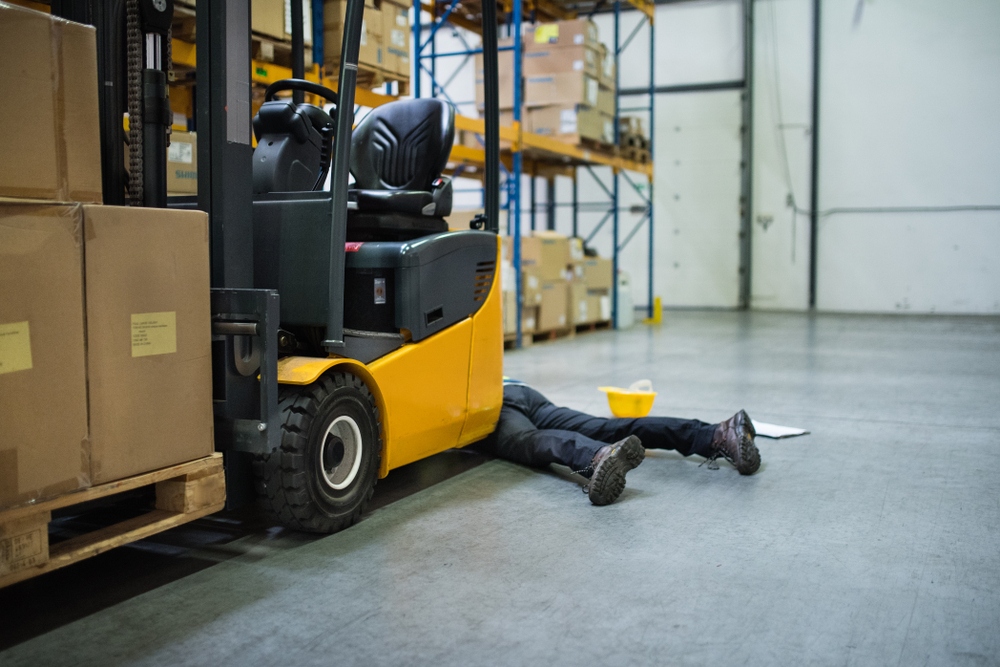
How to Prevent Forklift Accidents in the Workplace
Forklift accidents in the workplace can cause severe injuries, fatalities, and costly operational disruptions. Understanding how to prevent them is essential for any warehouse, distribution center, or manufacturing facility. By implementing rigorous safety protocols, providing comprehensive training, and utilizing advanced equipment, you can significantly reduce risks. This guide explores key strategies to enhance forklift safety.
Establish Comprehensive Operator Training Programs
The foundation of forklift safety is proper operator training. Ensure every operator completes a certified program that covers both theoretical knowledge and practical skills. Training should include load handling, maneuvering in tight spaces, and emergency procedures. Regular refresher courses are vital to keep skills current and reinforce safety habits.
Key Elements of Effective Training
- Pre-operational inspections: Teach operators to check tires, brakes, lights, and forks daily.
- Load stability: Emphasize the importance of center gravity and secure stacking.
- Pedestrian awareness: Train drivers to yield, use horns at intersections, and watch for blind spots.
- Speed control: Strictly enforce speed limits inside and outside the facility.
Implement Clear Traffic Management Systems
Separating forklift traffic from pedestrian walkways is critical. Use floor markings, barriers, and signs to define zones. Install mirrors at blind corners and ensure adequate lighting in all work areas. Establish one-way aisles where possible, and enforce strict no-ride policies for unauthorized personnel.
Practical Traffic Control Measures
| Measure | Description |
|---|---|
| Blue safety lights | Project a spot on the floor ahead to warn pedestrians. |
| Separate entrances | Designate pedestrian doors away from forklift doors. |
| Speed bumps | Encourage reduced speed in high-traffic zones. |
| Audible alarms | Use backup beepers and horn signals. |
Conduct Routine Equipment Maintenance
Well-maintained forklifts are less likely to malfunction. Create a schedule for daily checks, fluid inspections, and tire replacements. Pay close attention to braking systems, steering mechanisms, and hydraulic lifts. For businesses seeking advanced safety features, the Liftron Material Handling brand offers models equipped with stability controls and operator presence sensors. Their Liftron DL SERIES provides fast charging, zero emissions, and enhanced safety protocols, ideal for modern warehouses.
Daily Inspection Checklist
- Check fluid levels (fuel, oil, coolant).
- Inspect forks for cracks or deformation.
- Test all lights, horns, and warning devices.
- Verify seatbelt and operator restraint function.
- Assess tire condition and pressure.
Enforce Safe Operating Practices
Set firm rules for forklift operation. No cell phone use while driving, no speeding, and no horseplay. Operators must always wear seatbelts and never exceed load capacity. Ensure loads are stable and properly positioned before moving. Teach operators to tilt the mast back when traveling and to keep the load low to the ground.
Common Root Causes of Accidents
- Distracted driving.
- Unsecured loads.
- Excessive speed in corners.
- Operating on uneven surfaces without caution.
- Inadequate lighting or visibility.
Leverage Advanced Safety Technologies
Modern technology can dramatically reduce accident risks. Features like anti-tip systems, automatic speed reduction, and collision avoidance sensors are now available. The Liftron Material Handling product line integrates smart telemetry that alerts operators to maintenance needs. The lithium-ion models from the Liftron DL SERIES also feature regenerative braking and real-time battery monitoring, ensuring safe and efficient operation without emissions.
Foster a Workplace Safety Culture
Safety goes beyond policies; it requires a culture where everyone is committed. Hold regular safety meetings, reward safe behavior, and encourage reporting of near-misses. Management should lead by example. Invest in ergonomic equipment to reduce fatigue, such as adjustable seats and vibration-dampening features. Over time, a strong safety culture reduces turnover and improves productivity.
Creating a Safety-First Environment
- Establish a safety committee with operator representation.
- Post clear safety signage at every turn.
- Conduct unannounced spot inspections.
- Provide immediate feedback for unsafe actions.
- Celebrate accident-free milestones.
Evaluate and Update Safety Protocols Regularly
Workplace conditions change, so safety protocols must evolve. Review incident reports, track near-misses, and adjust training accordingly. Consider adopting new equipment that offers built-in safety enhancements. Upgrading to reliable models like the Liftron DL SERIES from Liftron Material Handling can help maintain high safety standards while improving efficiency. By combining robust training, clear traffic management, routine maintenance, and modern technology, you can prevent forklift accidents and protect your workforce.
Add a review
Your email address will not be published. Required fields are marked *