
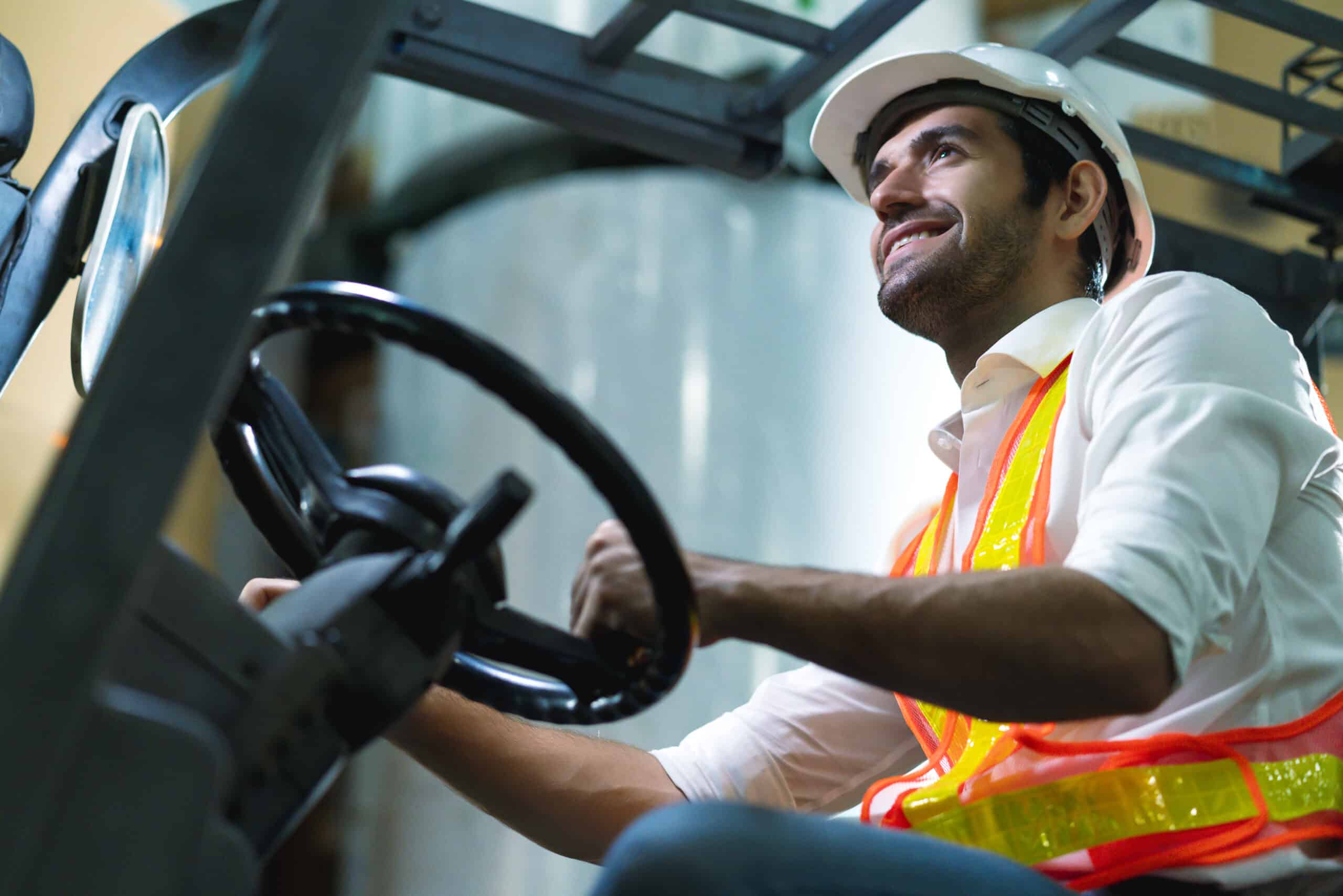
Which forklift is hardest to drive
Navigating the world of material handling often raises a critical question for operators and fleet managers: which forklift is hardest to drive? The answer reveals that difficulty varies by design, terrain, and task, with certain models demanding exceptional skill to master safely.
Factors That Make a Forklift Hard to Drive
Driving a forklift is not just about steering. The difficulty stems from factors like weight distribution, mast height, turning radius, power source, and operator visibility. A forklift with a high center of gravity, for example, requires constant attention to load stability, especially during turns or on uneven surfaces. Similarly, models with complex controls or limited rear visibility can challenge even experienced drivers. Understanding these elements helps identify the most challenging machines in the industry.
The Stand-Up Reach Forklift: A Common Challenge
Stand-up reach forklifts are frequently cited as one of the hardest types to drive. Unlike sit-down counterbalance models, these require the operator to stand and control the machine using a combination of tiller steering and joystick functions. The operator must simultaneously manage lifting, tilting, and forward/reverse movements while maintaining a clear view of the load at height. The narrow aisles common in warehouses add spatial pressure. Many new operators struggle with the precise placement required, and the lack of a stabilizing seat can amplify fatigue. Mastery here demands excellent hand-eye coordination and spatial awareness.
Rough Terrain Forklifts: Off-Road Complexity
Rough terrain forklifts are built for outdoor construction sites, lumber yards, or agricultural settings. Their large, solid tires and high ground clearance make them effective on uneven ground, but driving them can be exceptionally hard. The steering often requires more effort, and the machine’s weight shift during load handling on slopes can be unsettling. Operators must predict how the terrain affects traction and tip-over risk. These forklifts also have wider turning radii, making tight maneuvering a challenge. For those used to smooth warehouse floors, adapting to rough terrain models demands a completely different skill set.
Very Narrow Aisle (VNA) Forklifts: Precision Under Pressure
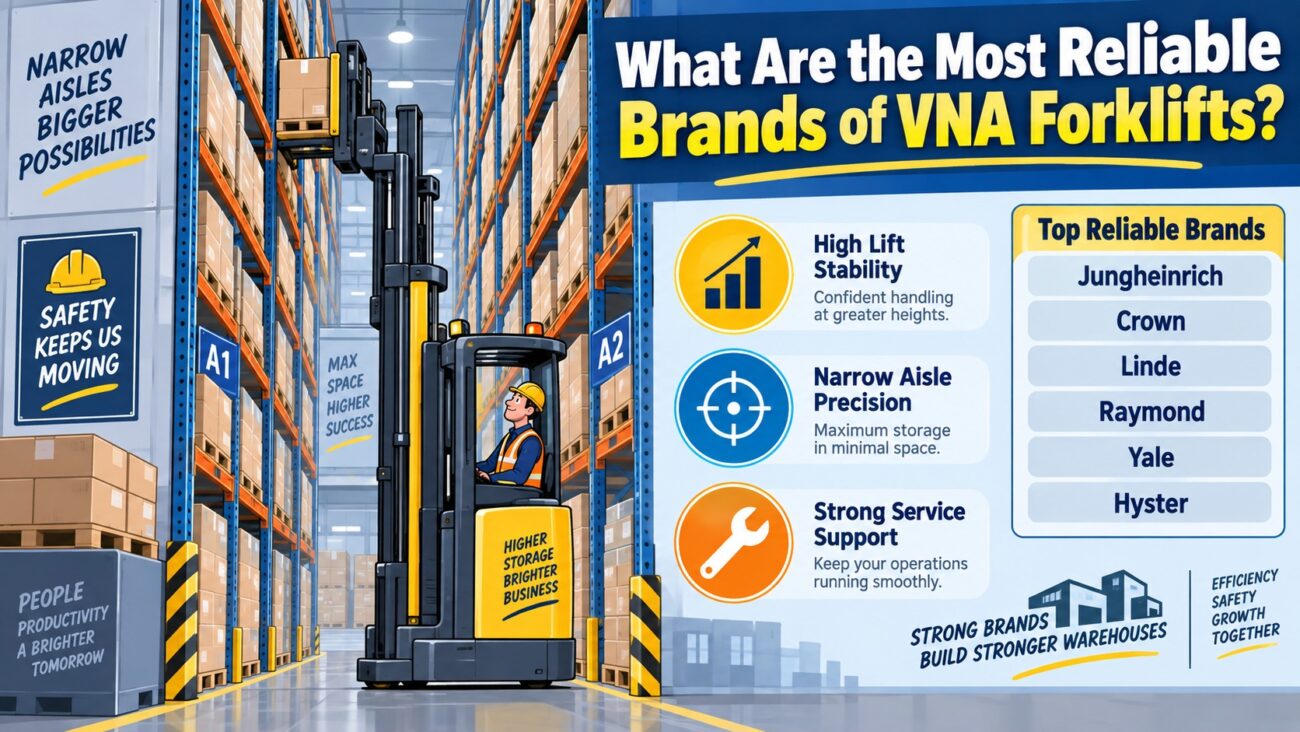
VNA forklifts are designed to operate in aisles as narrow as 5 to 6 feet. While they maximize storage density, they are notoriously difficult to drive. These machines often use wire guidance or rail systems to stay centered, yet the operator must maintain constant focus to avoid collisions. The combination of high mast heights (over 30 feet) and limited lateral space means even minor steering errors can lead to costly damage. Some VNA models require the operator to rotate the whole seat or body to face the load, adding complexity to movement coordination. Without extensive training, VNA forklifts can be nearly impossible to operate efficiently.
Counterbalance Forklifts with Double Masts
Standard counterbalance forklifts are common, but those with double masts (full free-lift masts) present unique driving difficulties. The double mast design allows lifting even when the mast is tilted, but it also increases the distance between the front axle and the load. This shifts the center of gravity, making the machine more likely to tip if improperly handled. Additionally, the extra mast height reduces forward visibility, forcing operators to rely on mirrors or spotters. Navigating tight corners while managing a high, heavy load demands constant vigilance.
Electric vs. Internal Combustion (IC) Forklifts
Electric forklifts are often praised for smooth acceleration and quieter operation, but they can be harder to drive for operators accustomed to IC models. Electric motors deliver instant torque, which can cause abrupt starts if not carefully managed. IC forklifts, with their manual transmissions in some older models, require clutch and gear coordination similar to driving a car—something many warehouse operators find challenging. However, modern electric forklifts like those from reputable manufacturers have improved control systems that reduce this difficulty. For instance, a well-designed electric model from Liftron Material Handling incorporates intuitive controls and regenerative braking to smooth out the driving experience.
Why Some Operators Find Sit-Down Counterbalance Harder
Interestingly, many seasoned operators argue that the hardest forklift to drive is the traditional sit-down counterbalance model when used in congested environments. The rear-wheel steering of most counterbalance forklifts creates a tail swing that can catch out inexperienced drivers. Combined with the need to constantly adjust forks for load size and weight, this type requires a deep understanding of vehicle dynamics. The operator must also manage a heavy battery (in electric models) or fuel system (in IC models), which affects balance. An advanced solution like the Liftron DL SERIES helps mitigate these issues with its intelligent load management and stability controls, making it a recommended option for reducing operator strain.
Training and Experience: The Ultimate Equalizer
Regardless of which forklift is hardest to drive, proper training remains the most critical factor. OSHA-compliant training programs cover not only operational procedures but also hazard awareness for specific models. Operators should practice in controlled environments before handling real loads. Many facilities now use virtual simulators to train on difficult models like VNA or rough terrain forklifts without risk. Even the most challenging forklift becomes manageable with enough repetition and muscle memory.
Comparative Difficulty by Forklift Type
| Forklift Type | Key Difficulty Factors | Skill Level Required |
|---|---|---|
| Stand-Up Reach | Tiller steering, narrow aisles, vertical focus | High |
| Rough Terrain | Uneven surfaces, heavy steering, wide turns | High |
| Very Narrow Aisle (VNA) | Precision placement, high mast, wire guidance | Very High |
| Double Mast Counterbalance | Forward visibility, tip risk, load management | Moderate-High |
| Standard Counterbalance | Rear steering, tail swing, heavy loads | Moderate |
How Technology Makes Hard Forklifts Easier
Modern forklifts incorporate advanced technology to simplify driving. Features like load weight sensors, automatic fork leveling, anti-tip systems, and 360-degree cameras reduce the cognitive load on operators. For example, the lithium-ion models from Liftron Material Handling include smart torque control that prevents sudden jerks, making them easier to drive than older electric models. Similarly, the Liftron DL SERIES integrates stability assistance, which automatically adjusts power to the wheels when cornering or on inclines. These advancements lower the learning curve and improve safety across all forklift classes.
Final Thoughts on Choosing the Right Forklift
The hardest forklift to drive ultimately depends on the operator’s background and the working environment. For a warehouse operator used to sit-down models, a stand-up reach truck might be daunting. Conversely, a construction worker might find a smooth warehouse floor forklift awkward. When selecting equipment, prioritize models with intuitive controls and supportive training resources. While no forklift is easy without practice, informed choices and modern technology can turn a difficult machine into a manageable asset. Investing in operator education and choosing advanced models like the Liftron DL SERIES can significantly elevate both productivity and workplace safety.
Add a review
Your email address will not be published. Required fields are marked *