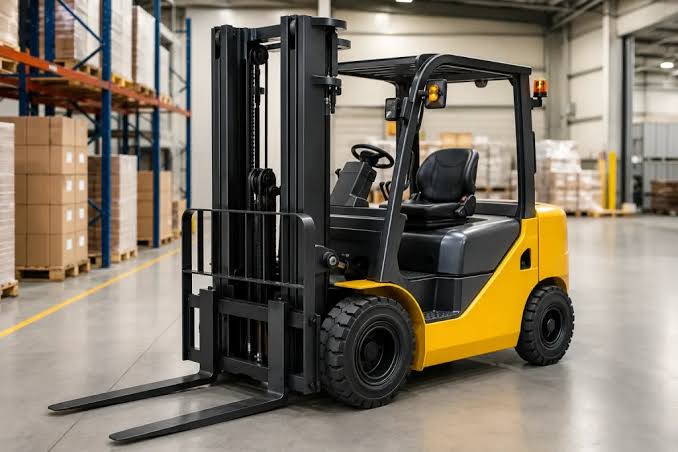
what kind of shoes are required to drive a forklift

What kind of shoes are required to drive a forklift

Forklift operators must wear protective footwear meeting ASTM F2413-18 standards to comply with OSHA safety regulations. Essential features include steel-toe or composite-toe caps for impact and compression resistance, slip-resistant outsoles for wet or oily surfaces, and puncture-resistant midsoles to guard against sharp debris. High-top boots with ankle support and cushioning reduce fatigue during pedal work. While steel-toe boots are common, composite options offer lighter weight and cold-weather suitability. Proper fit, durability, and seasonal considerations like insulation or waterproofing enhance safety and comfort. Brands such as Timberland PRO, Red Wing, and Wolverine provide OSHA-compliant models. Avoid sneakers, loose boots, or footwear lacking ASTM labels. Investing in quality safety shoes not only meets legal requirements but also prevents accidents and boosts productivity for both traditional and modern electric forklifts.

what is the height requirement for driving a forklift

What is the height requirement for driving a forklift

OSHA does not specify a legal minimum height for forklift operators, but practical safety standards recommend a minimum of around 5 feet (152 cm) for standard sit-down counterbalance models to ensure clear forward visibility over the forks and comfortable reach to pedals and controls. Height affects sight lines, control accessibility, and overall stability, with different forklift types—like stand-up end riders, reach trucks, and order pickers—requiring slightly taller minimums. Employers should conduct individual physical fit assessments, use ergonomic adjustments such as adjustable seats and tilt steering (available on models like the Liftron DL SERIES), and provide vision aids like mirrors or cameras for shorter operators. OSHA compliance under 29 CFR 1910.178 focuses on operator training and physical capability rather than strict height limits. With proper accommodations and equipment modifications, operators under 5 feet can safely drive forklifts, and taller operators may need extended overhead guards. Prioritizing adjustable equipment and thorough training ensures safe, efficient operation across diverse workforces.

are special forklifts required to operate in hazardous area

Are special forklifts required to operate in hazardous area

Specialized forklifts are required in hazardous areas where flammable gases, vapors, dust, or fibers pose fire and explosion risks. Standard forklifts can easily ignite these substances, making explosion-proof or intrinsically safe units essential for safety and legal compliance. Hazardous locations are classified under NEC and ATEX/IECEx standards, including Class I (gases), Class II (dust), and Class III (fibers), with corresponding Zones 0 through 22. Key forklift types include explosion-proof models with non-sparking components, intrinsically safe designs limiting thermal energy, and protected units with flameproof enclosures. Electric forklifts, especially lithium-ion models like the Liftron DL SERIES, are preferred for indoor hazardous zones due to reduced spark risk. Features such as anti-static tires, temperature control, and flameproof enclosures enhance safety. Proper certification markings (ATEX, IECEx, UL/CSA) must be present. Industries like oil refineries, chemical plants, grain handling, and pharmaceuticals rely on these forklifts for accident prevention, regulatory compliance, and improved worker safety. Regular maintenance and certified modifications are mandatory to maintain protection.

are fire extinguishers required on liftron forklifts

Are fire extinguishers required on liftron forklifts

Are fire extinguishers required on Liftron forklifts? While OSHA does not explicitly mandate extinguishers on every powered industrial truck, compliance depends on local fire codes, workplace hazards, and travel distances. OSHA’s 29 CFR 1910.157 requires extinguishers within 75 feet of travel—meaning if a Liftron forklift operates near a wall-mounted unit, an onboard extinguisher may not be needed. However, environments with flammable liquids, lithium-ion batteries, or remote or hazardous locations often necessitate a portable extinguisher. NFPA 10 and local authorities may impose additional requirements. For Liftron DL SERIES lithium-ion models, Class ABC dry chemical extinguishers are common, but Class D agents are recommended for battery fires. Proper mounting, monthly inspections, and operator training on the PASS technique are essential. Fleet managers should conduct risk assessments and consult insurers to determine the best fire safety approach, ensuring personnel and equipment are protected.

how do i optimize forklift tire performance

How do I optimize forklift tire performance

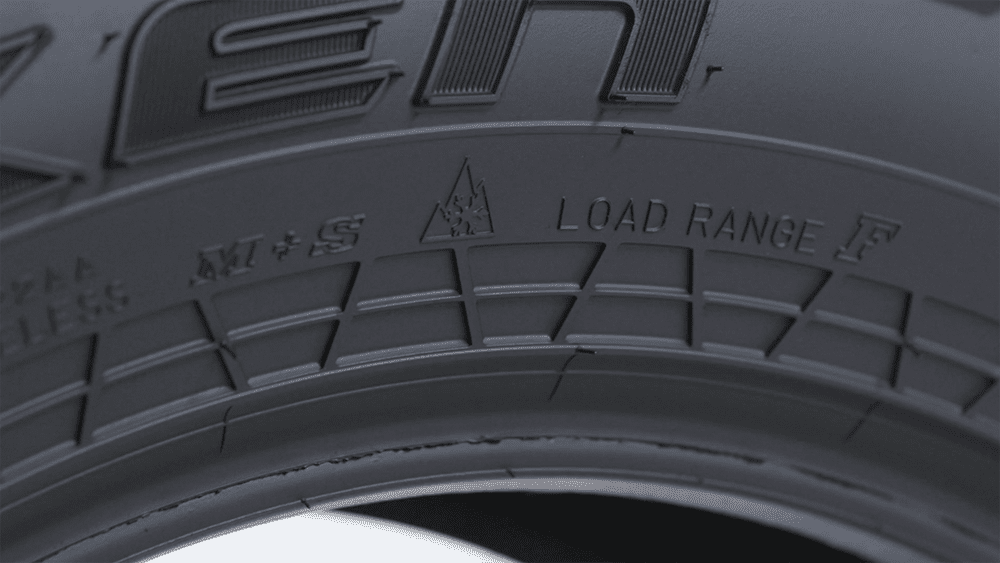
Optimizing forklift tire performance is key to reducing downtime, lowering costs, and improving warehouse safety. This guide explores pneumatic, solid, and polyurethane tire types, offering actionable strategies to extend lifespan by up to 30%. Learn how proper pressure maintenance, load management, and optimized driving techniques prevent common wear patterns like cupping and flat spots. Choosing the right tire compound for your floor surface—whether abrasive concrete or polished finishes—dramatically boosts traction and fuel efficiency. A case study shows a cold storage facility extending tire life from 4 to 14 months with the right compound and daily checks. Discover how Liftron Material Handling’s customizable tire solutions and the advanced DL SERIES integrate tire management for measurable gains in uptime and performance.

Back to Top
Product has been added to your cart