can you use forklift certification for scissor lift

Can you use forklift certification for scissor lift

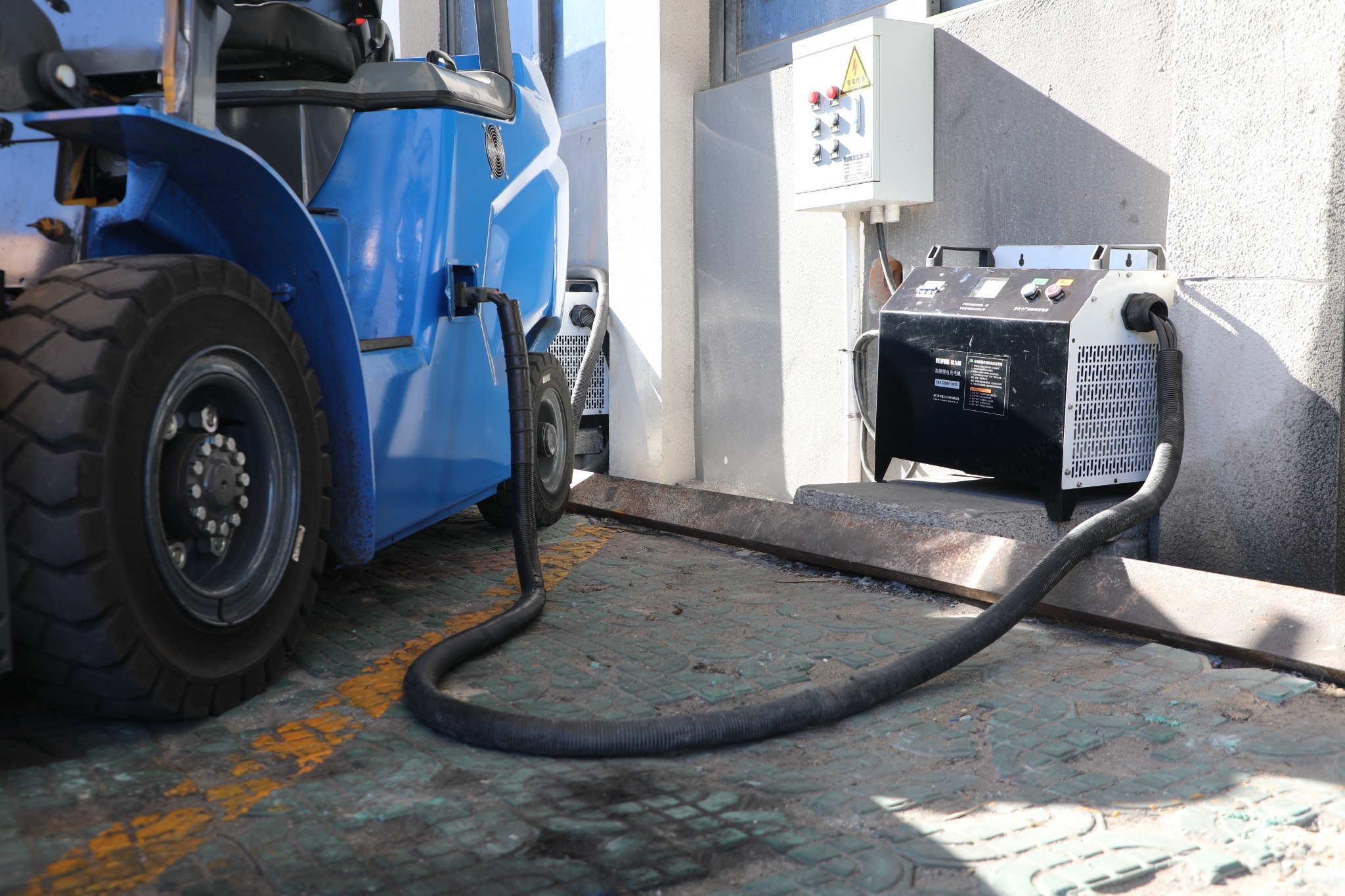
Forklift certification does not legally qualify you to operate a scissor lift, as each falls under different OSHA and ANSI standards with distinct safety hazards, operational mechanics, and training requirements. Forklifts are powered industrial trucks governed by OSHA 1910.178, while scissor lifts are mobile elevated work platforms under ANSI A92 and OSHA 1926.453. Key differences include stabilization needs, fall protection with harnesses, and control systems. No official waiver can replace scissor lift training with a forklift card. However, prior forklift experience can help operators learn scissor lift controls more quickly. Employers must provide separate, documented training for each equipment type, including hands-on evaluation and site-specific hazard awareness. For compliance and safety, always obtain proper scissor lift certification and consider companies like Liftron Material Handling for combined training programs and intuitive equipment that bridges operational skill gaps.
is a lift truck the same as a forklift

Is a lift truck the same as a forklift

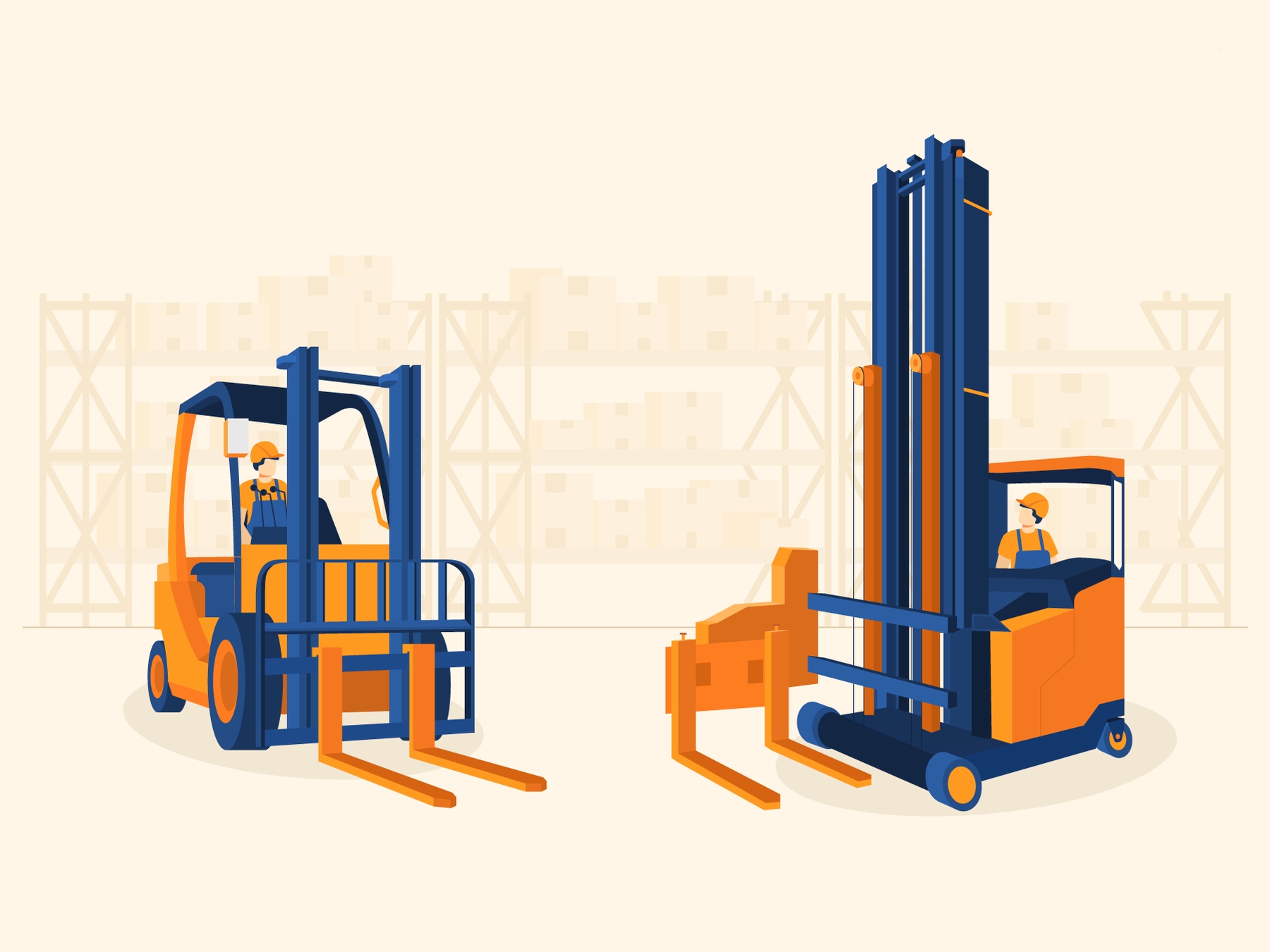
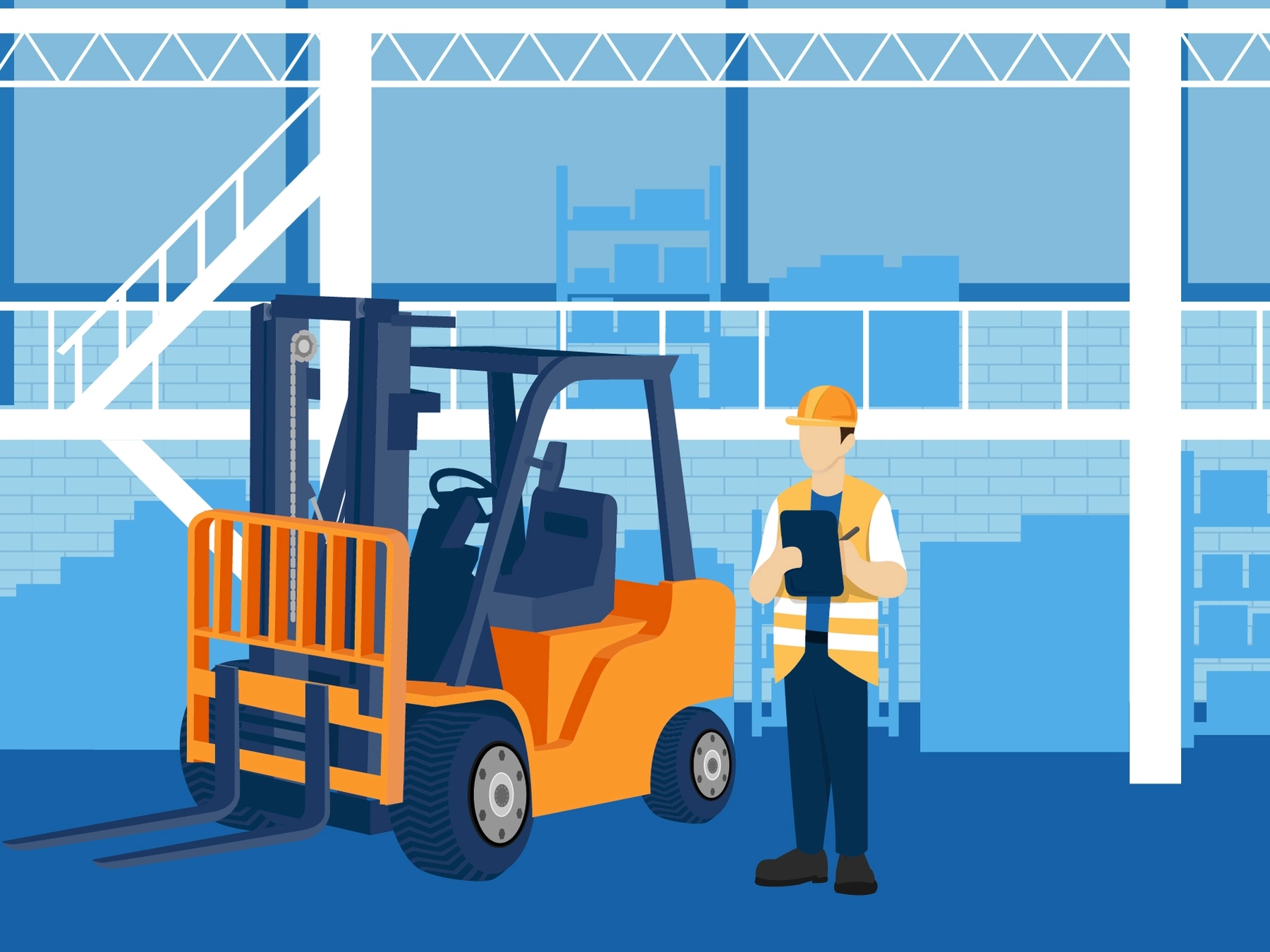
The terms “lift truck” and “forklift” are often used interchangeably, but they have distinct technical meanings. A lift truck is a broad category of powered industrial vehicles used for lifting and transporting materials, including pallet jacks, order pickers, and reach trucks, as defined by OSHA. A forklift is a specific subtype of lift truck featuring two fork-like prongs and a hydraulic lifting mechanism, typically with a counterbalance for stability. Understanding these differences is crucial for selecting the right equipment for your warehouse or industrial application—whether you need counterbalance forklifts for pallet handling or specialized lift trucks like order pickers for high-reach tasks. Key considerations include load type, aisle width, lift height, and environment. Modern innovations like lithium-ion batteries, seen in models like the Liftron DL SERIES, enhance performance and efficiency across both categories, helping businesses reduce downtime and total ownership costs.

are daily forklift inspections required

Are daily forklift inspections required

Daily forklift inspections are a legal requirement under OSHA 29 CFR 1910.178(q)(7) and similar global standards, essential for workplace safety and operational efficiency. This guide covers why inspections are mandatory, key checkpoints like brakes, tires, fluid levels, lift chains, and battery health, and the severe consequences of skipping them—including fines, accidents, and voided warranties. It debunks common myths, such as assuming a forklift safe from a prior shift, and outlines best practices like using digital checklists, training operators thoroughly, and immediately tagging defective equipment for repair. Advanced tools, including mobile apps and telemetry systems, streamline documentation and create auditable trails for compliance. Whether operating internal combustion or lithium-ion models like the Liftron DL SERIES, consistent inspection routines prevent catastrophic failures, reduce downtime, and support predictive maintenance. A robust inspection culture, backed by standardized procedures and reliable equipment, helps businesses stay compliant, efficient, and safe.

can a forklift lift a shipping container

Can a forklift lift a shipping container

Standard forklifts lack the capacity to lift loaded shipping containers, which can weigh over 30 tons. Specialized container handlers or heavy-duty forklifts, such as those from Liftron Material Handling, are engineered for this task with high lifting capacities, specialized top-lift spreaders, and extended mast heights. Standard warehouse forklifts typically max out at 5 tons, while laden containers require equipment capable of 25 to 50 tons. For lighter tasks like moving empty containers, electric models such as the Liftron DL SERIES offer a clean, efficient alternative with lithium-ion power, quick charging, and zero emissions. Safe container handling demands proper training, stable ground, and the correct attachments. Always match your forklift to the specific weight and handling needs to prevent tipping and structural damage. Whether in ports, rail yards, or depots, choosing the right material handling equipment ensures both safety and operational efficiency.

can the low center change from forklift to forklift​

Can the Load Center Change from Forklift to Forklift?

In forklift operations, the load center is a critical safety and engineering factor that can vary between different machines. It directly affects lifting capacity, stability, and operational safety in warehouses, logistics centers, and industrial environments where forklift equipment is widely used.

can a 16 year old drive a forklift iowa

Can a 16 Year Old Drive a Forklift in Iowa?

Understanding whether a 16-year-old can legally operate a forklift in Iowa requires reviewing both federal OSHA regulations and the Fair Labor Standards Act, which together govern youth employment and industrial equipment operation across the United States.

where to rent a forklift oxnard

Where to rent a forklift oxnard

Discover essential tips for renting a forklift in Oxnard, from choosing between electric, lithium-ion, LP gas, or diesel models to comparing daily, weekly, and monthly rates. This guide covers key factors like lift capacity, tire types, and rental durations, plus steps to find a reliable provider such as Liftron Material Handling. Learn about pricing for 3,000 lb capacity units, required OSHA operator certification, and delivery details. Whether for one-time loading or seasonal warehouse surges, understand maintenance support and 24/7 roadside assistance options. Make informed decisions to boost productivity safely and cost-effectively with flexible rental solutions in Ventura County.

what to consider when renting a forklift​

What to consider when renting a forklift

Choosing the right forklift rental requires careful evaluation of load capacity, lift height, power source, and terrain to match your specific operational needs. Whether you need an electric model like the Liftron DL SERIES for indoor use with fast charging, or a diesel unit for heavy outdoor work, understanding tire selection, attachments, and rental terms is essential. Inspect equipment condition, review maintenance responsibilities, and confirm safety compliance with OSHA and ANSI standards. Compare itemized quotes from multiple dealers to uncover hidden fees, and consider modern features like telematics and fleet management. A trusted supplier such as Liftron Material Handling offers reliable, well-maintained units with transparent terms, delivery, and training support. By assessing every factor from mast type to return conditions, you can secure a cost-effective rental that maximizes productivity and safety for short-term projects or seasonal demand.

Back to Top
Product has been added to your cart