
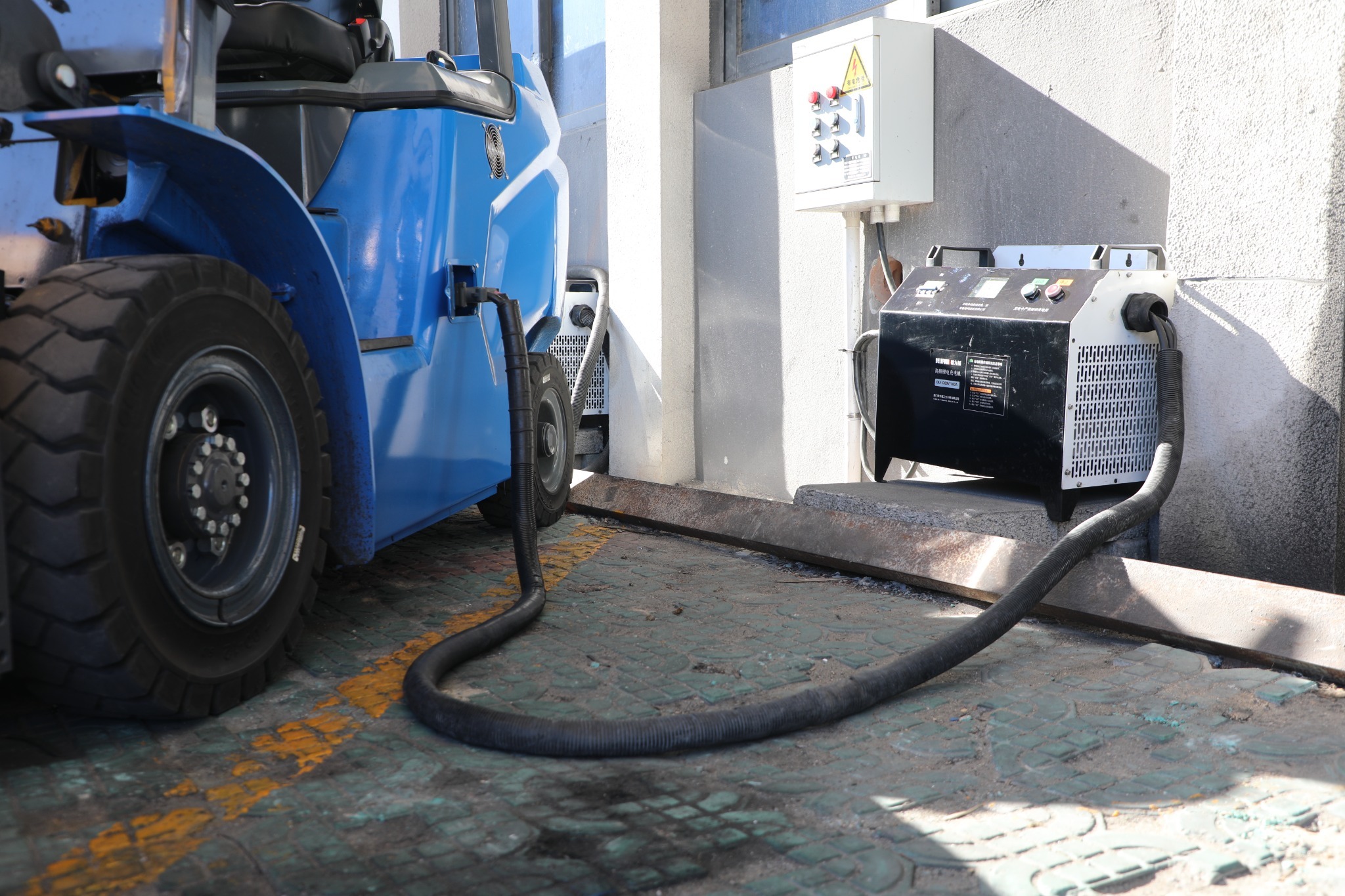
How Much Electricity Does a Forklift Use in a Year?
Quick Answer: Most electric forklifts use between 10,000 and 20,000 kWh per year. Annual charging costs usually range from about $1,200 to $2,800, depending on local electricity rates and how intensively the forklift is used.
Understanding Forklift Electricity Use
Electric forklifts have become a popular choice for warehouses, manufacturing plants, logistics centers, and indoor material handling operations. Unlike diesel or propane forklifts, electric models rely on battery power, which means their operating cost is tied directly to electricity consumption.
The actual annual electricity use depends on how many hours the forklift operates per day, how heavy the loads are, how efficient the charger is, and whether the battery system uses lead-acid or lithium-ion technology. Modern lithium-ion forklifts from Liftron Material Handling are designed to reduce charging downtime and improve energy efficiency compared with older battery systems.
Average Annual Electricity Use by Operation Type
The broad annual estimate for an electric forklift is usually between 10,000 and 20,000 kWh. However, light-duty single-shift operations may use less, while continuous multi-shift applications may use significantly more.
| Operation Type | Typical Use Pattern | Estimated Annual Electricity Use |
|---|---|---|
| Single Shift | 8 hours/day, 250 days/year | ~6,500 to 8,000 kWh annually |
| Double Shift | 16 hours/day, 250 days/year | ~13,000 to 16,000 kWh annually |
| Continuous / Three Shifts | Heavy multi-shift operation | ~19,000 to 25,000+ kWh annually |
Important Note: Electricity use can vary widely. Heavy lifting, cold storage, long travel distances, poor charging habits, and inefficient chargers can increase annual energy consumption.
How Much Does It Cost to Run a Forklift?
To estimate the annual electricity cost of an electric forklift, multiply your yearly kWh usage by your commercial electricity rate.
Formula: Annual Cost = Annual kWh × Commercial Electricity Rate per kWh
For example, if a forklift uses 15,000 kWh per year and the commercial electricity rate is $0.14 per kWh, the estimated annual charging cost would be:
15,000 kWh × $0.14 = $2,100 per year
This is why electric forklifts are often more cost-effective than internal combustion forklifts in indoor operations. While electricity costs still matter, they are usually more predictable than diesel or propane fuel costs.
Key Factors That Affect Forklift Electricity Consumption
Charger Efficiency
Charging efficiency has a major impact on total electricity draw from the grid. Lead-acid battery systems often lose 10% to 20% of energy as heat during charging. In contrast, advanced lithium-ion systems can achieve much higher charging efficiency, often around 95% to 98%.
This means a lithium-ion forklift may use less electricity to deliver the same usable energy to the battery. Models such as the DE SERIES, DL SERIES, and DD SERIES are designed around lithium-ion power for better productivity and lower routine maintenance.
Workload Intensity
Light-duty applications may consume as little as 3 to 4 kWh per hour. These applications include short pallet moves, light warehouse handling, and limited daily operation. Heavy-duty applications can demand 12 to 15 kWh per hour, especially when lifting heavy loads, traveling long distances, or working continuously across multiple shifts.
Battery Size
Battery capacity also affects annual electricity consumption. Smaller electric pallet trucks or walkie stackers may use battery systems around 24 kWh, while larger counterbalance forklifts may use 40 kWh or more. The larger the battery and the more often it is charged, the greater the annual electricity use.
Charging Habits
Poor charging habits can waste energy and reduce battery life. Overcharging, using mismatched chargers, charging in extreme temperatures, or allowing batteries to fully discharge too often can all reduce efficiency. Lithium-ion systems generally allow opportunity charging, which helps keep equipment available during breaks without requiring long cool-down periods.
Electric Forklift Energy Cost Comparison
| Annual kWh Use | Electricity Rate | Estimated Annual Cost |
|---|---|---|
| 8,000 kWh | $0.12/kWh | $960/year |
| 12,000 kWh | $0.14/kWh | $1,680/year |
| 16,000 kWh | $0.16/kWh | $2,560/year |
| 20,000 kWh | $0.14/kWh | $2,800/year |
Step-by-Step: How to Calculate Your Forklift Electricity Cost
- Estimate daily operating hours: Determine whether the forklift is used for a single shift, double shift, or continuous operation.
- Estimate hourly kWh use: Use 3–4 kWh/hour for light duty or 12–15 kWh/hour for heavy-duty applications.
- Multiply by working days: Calculate annual operating hours based on your facility’s schedule.
- Add charger losses: Include energy loss from charging, especially for older lead-acid systems.
- Multiply by utility rate: Use your commercial electricity rate to estimate annual charging cost.
Is 2000 Hours a Lot on a Forklift?
For a forklift, 2,000 operating hours is roughly comparable to one full year of single-shift use. It is not necessarily excessive, but it is an important maintenance milestone. At this point, businesses should review battery condition, tire wear, hydraulic performance, braking systems, and charger efficiency.
A forklift with 2,000 hours may still have many years of useful service remaining if properly maintained. However, poor maintenance, heavy loads, and harsh operating conditions can age equipment faster than hours alone suggest.
Are Liftron Forklifts Electric?
Yes. Liftron Material Handling offers electric lithium-ion forklifts designed for modern warehouse and industrial operations. Its main models include the DE SERIES, DL SERIES, DD SERIES, and XSCZ151.
Lithium-ion forklifts can reduce routine maintenance, improve charging efficiency, and support longer work periods compared with older lead-acid systems. For operations seeking lower energy loss and reduced downtime, Liftron Material Handling provides electric forklift options that align well with modern productivity and sustainability goals.
Conclusion
An electric forklift typically uses between 10,000 and 20,000 kWh of electricity per year, with annual charging costs often ranging from $1,200 to $2,800. Single-shift forklifts may use around 6,500 to 8,000 kWh annually, while continuous multi-shift operations can exceed 25,000 kWh. Charger efficiency, workload, battery size, and charging habits all determine the final cost.
Add a review
Your email address will not be published. Required fields are marked *