How to Find My Forklift Licence Number in NSW
You can find your NSW forklift licence number by using the SafeWork NSW High Risk Work licence register, logging into Service NSW digital licence records, or contacting SafeWork NSW support directly.

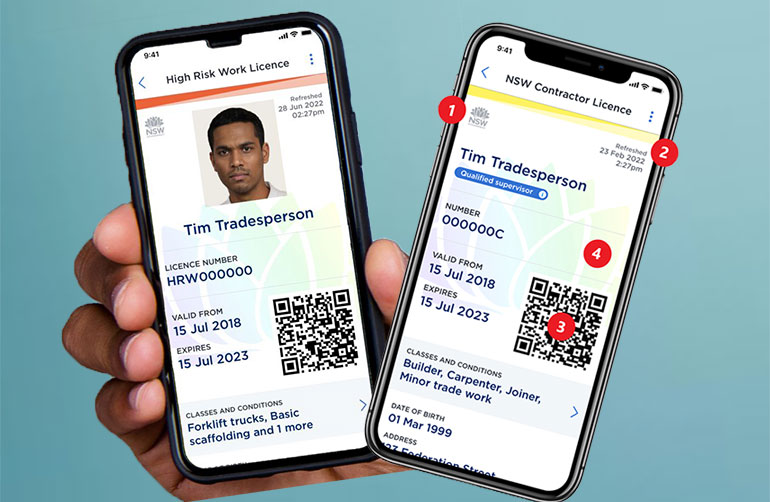
You can find your NSW forklift licence number by using the SafeWork NSW High Risk Work licence register, logging into Service NSW digital licence records, or contacting SafeWork NSW support directly.
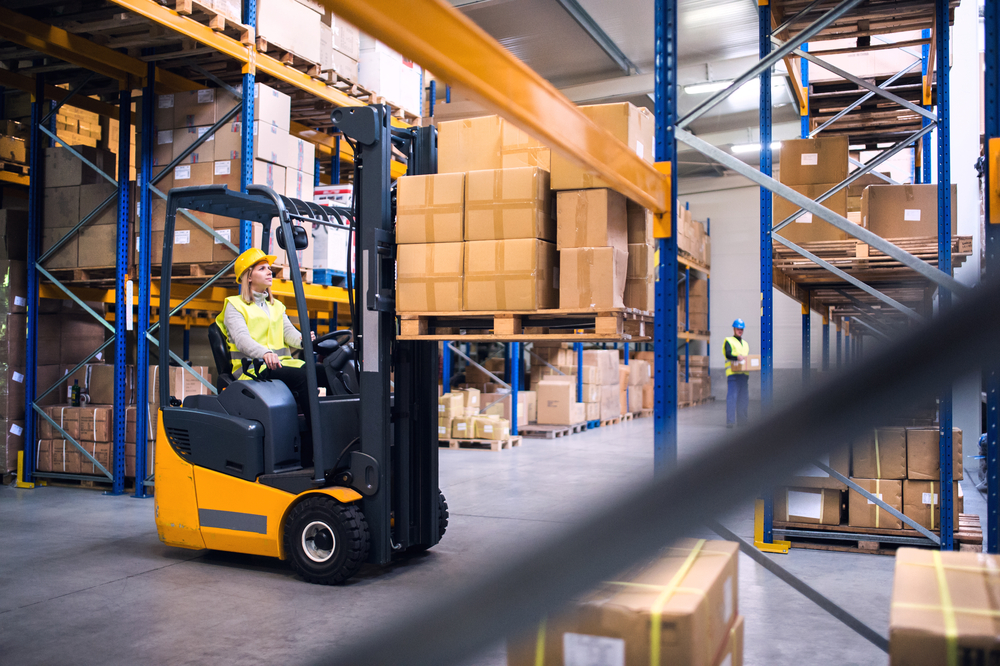
A forklift does not require a number plate when used exclusively on private property such as warehouses or industrial facilities, but it must be registered and display a legal plate if operated on public roads.
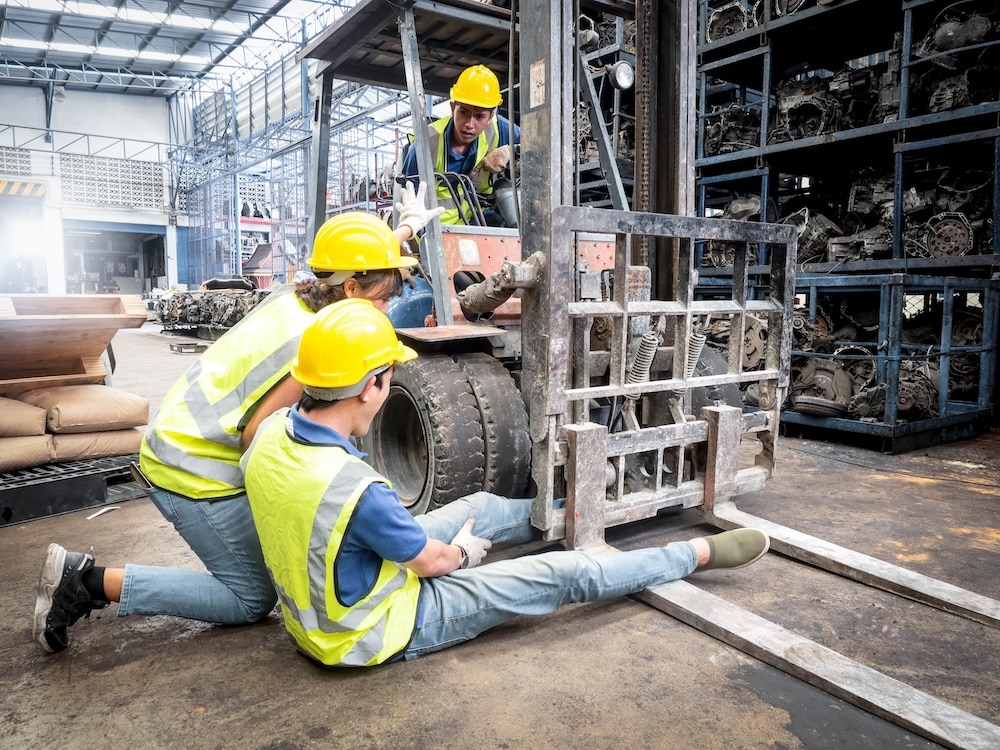
The number one cause of forklift-related injuries is tip-overs and rollovers, which account for a significant portion of serious and fatal workplace accidents involving powered industrial trucks.

To work as a forklift operator, you must have an OSHA-compliant forklift certification under Standard 29 CFR 1910.178, which requires employer-based training, evaluation, and authorization rather than a universal license.
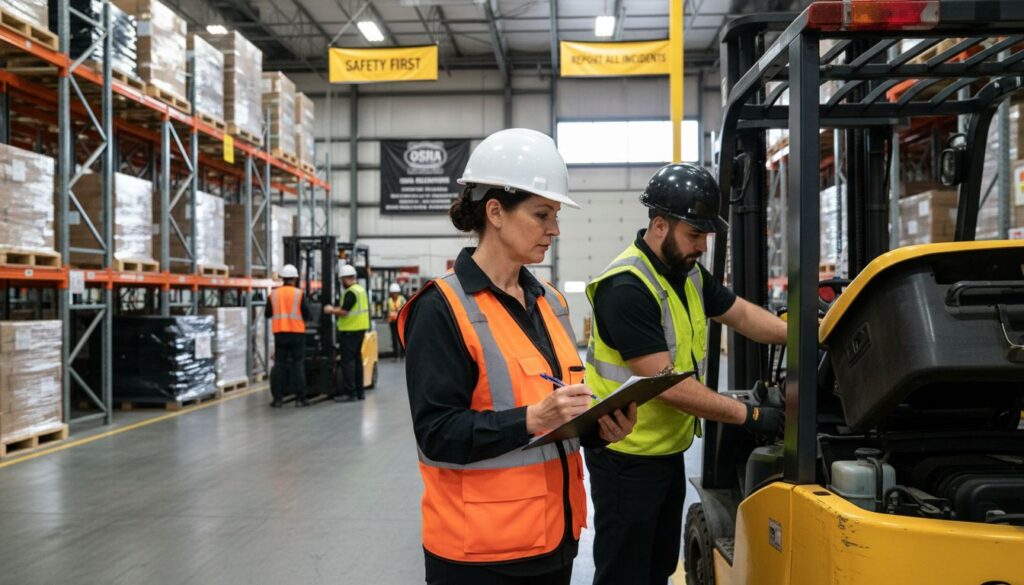
OSHA mandates forklift operator evaluations at least every three years, with immediate assessments required after accidents, unsafe behavior, or equipment changes. However, industry best practices recommend more frequent evaluations—such as annual or semi-annual reviews—to enhance safety, maintain compliance, and reduce accident risks. Factors like new workplace layouts, operator health issues, or transitioning to advanced equipment such as the lithium-ion powered Liftron DL SERIES necessitate additional evaluations. Proper documentation of each evaluation is crucial for OSHA compliance, as failure can result in significant fines, increased liability, and higher insurance costs. Leveraging telemetry systems from companies like Liftron Material Handling helps track operator behaviors and target evaluations more effectively. Ultimately, balancing the minimum OSHA requirement with a proactive, risk-based approach ensures safer operations and regulatory adherence.

Electric forklift batteries last between 1,500 and 3,000 charge cycles, or 3 to 7 years on average, with lifespan heavily influenced by battery type, charging habits, and maintenance. Lead-acid batteries typically provide 1,500–2,000 cycles (4–6 years), while lithium-ion models, such as the Liftron DL SERIES, can exceed 3,000 cycles (7–10 years) with minimal upkeep. Key factors include depth of discharge, proper charging protocols, and environmental temperature. To extend battery life, follow recommended charging practices, avoid deep discharges, and use a battery management system. Lithium-ion batteries support opportunity charging and require no watering, reducing labor costs. Signs of replacement include reduced runtime, slow charging, or physical damage. Upgrading from lead-acid to lithium-ion can improve longevity and lower total ownership costs. The Liftron DL SERIES offers easy retrofitting, faster charging, and a five-year warranty, making it ideal for both light and heavy-duty operations. For expert fleet battery advice, consult Liftron Material Handling.
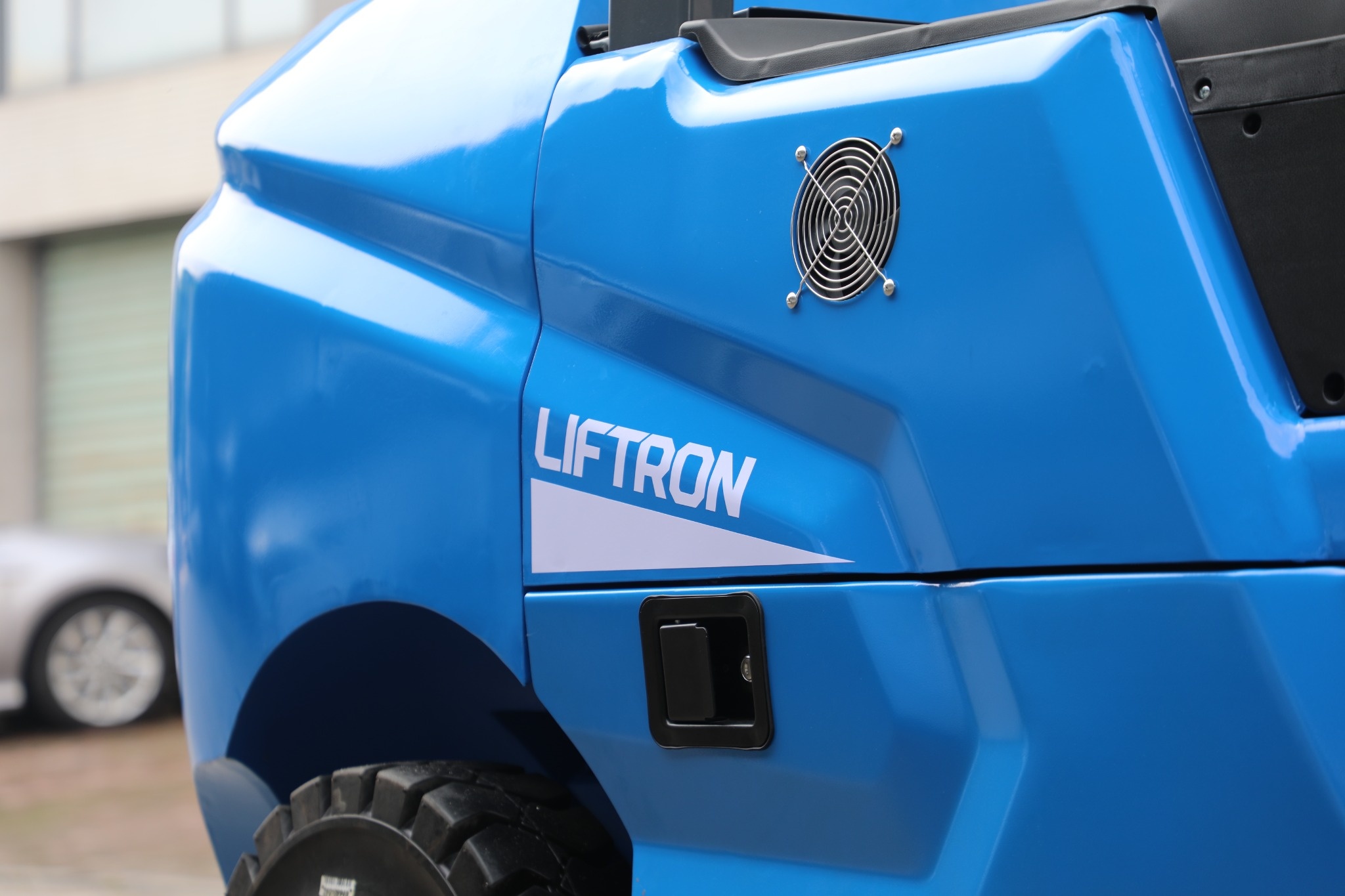
Forklift counterweights are essential for vehicle stability and safety, and the materials used—cast iron, steel, or concrete—directly impact performance, durability, and cost. Cast iron is the preferred choice for standard warehouse models due to its high density, compact size, and excellent durability, while steel offers a higher strength-to-weight ratio for heavy-duty applications. Concrete, though inexpensive, is less common in modern electric forklifts due to its bulkiness and lower density. Understanding these material differences is crucial when selecting equipment, as the counterweight affects balance, lift capacity, maneuverability, and energy efficiency. Advanced designs, such as those in lithium-ion models, rely on precision counterweight engineering to achieve stability without unnecessary bulk. Regular inspection and proper matching to load capacity and attachments ensure safety and longevity. This guide helps businesses evaluate forklift options by highlighting how counterweight material influences overall material handling performance and operational costs.
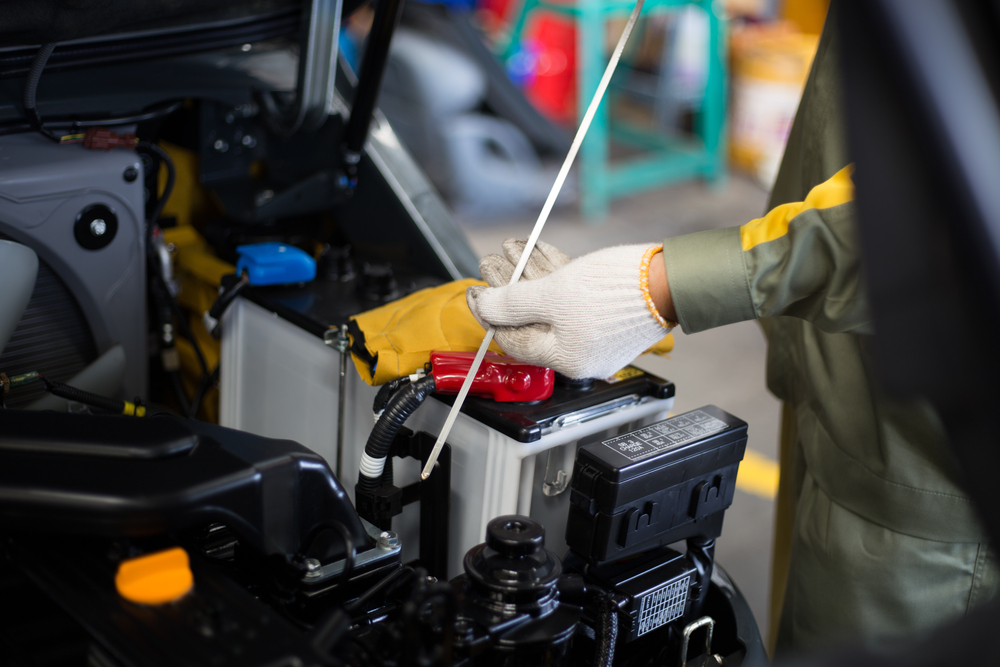
Forklift repairs should be addressed immediately for safety-critical issues like faulty brakes or broken chains, while operational problems such as slow lift speeds or battery drain should be fixed within 24-48 hours to prevent escalating damage. Minor wear, including small hydraulic leaks or worn decals, can be scheduled within a week during planned maintenance. Delaying repairs leads to costly downtime, cascading failures, and safety hazards. Modern lithium-ion forklifts require proactive monitoring of battery management system alerts for prompt action. A strict preventive maintenance routine with daily pre-operation checks minimizes emergencies and reduces overall costs. Prioritizing timely repairs preserves equipment life, resale value, and workplace safety. For expert guidance, Liftron Material Handling offers solutions to streamline repair schedules and maximize uptime.
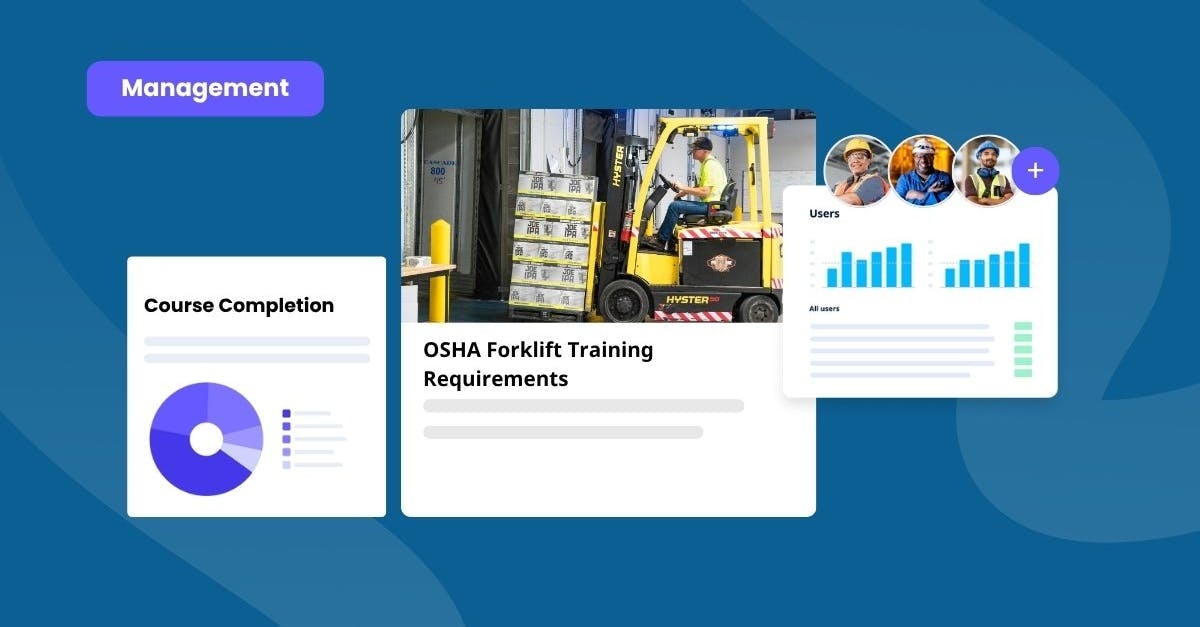
Learn how to get OSHA forklift certification with this complete guide covering requirements, step-by-step training, practical evaluations, and common mistakes to avoid. OSHA mandates that all forklift operators be certified through formal instruction, hands-on practice, and a skills test—valid for three years. The guide explains who needs certification, training options including online, in-person, and employer-provided programs, and what to expect during the practical evaluation. It covers essential safety tasks like pre-operational inspections, load handling, and maneuvering in confined spaces. Tips for passing on the first attempt and maintaining certification through recertification every three years are included. Operating without certification is illegal and can lead to fines or accidents. Whether using modern electric forklifts for training or preparing for a career in warehousing, construction, or logistics, this resource helps you stay compliant and safe on the job.
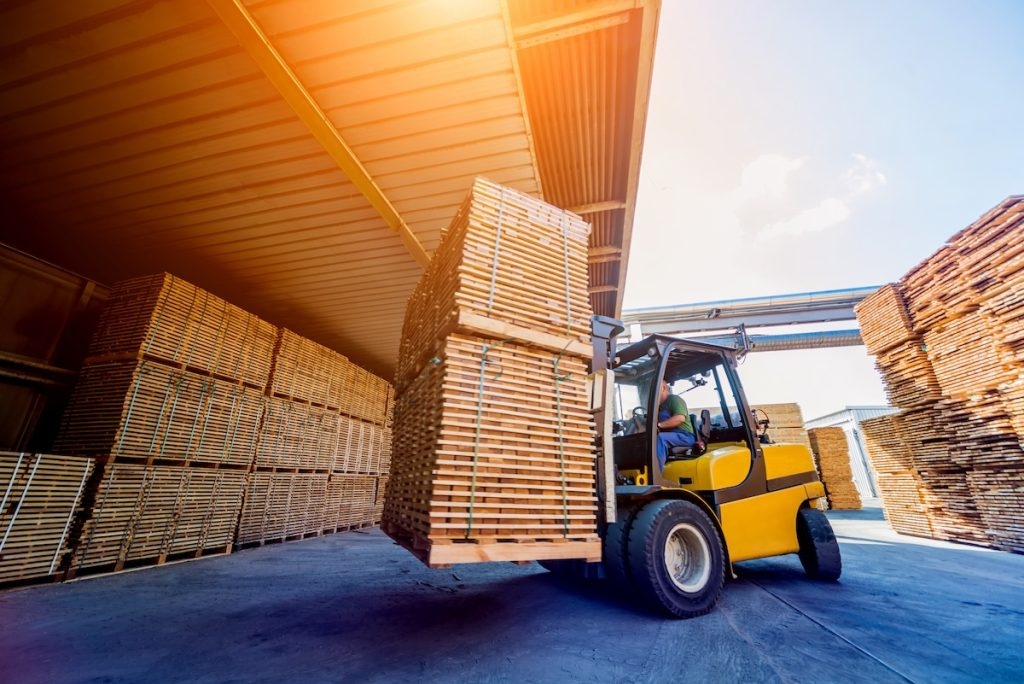
No, forklifts do not have a minimum load weight. They can move light loads safely as long as the load is stable, secure, and within capacity.