
How to conduct a complete osha forklift inspection
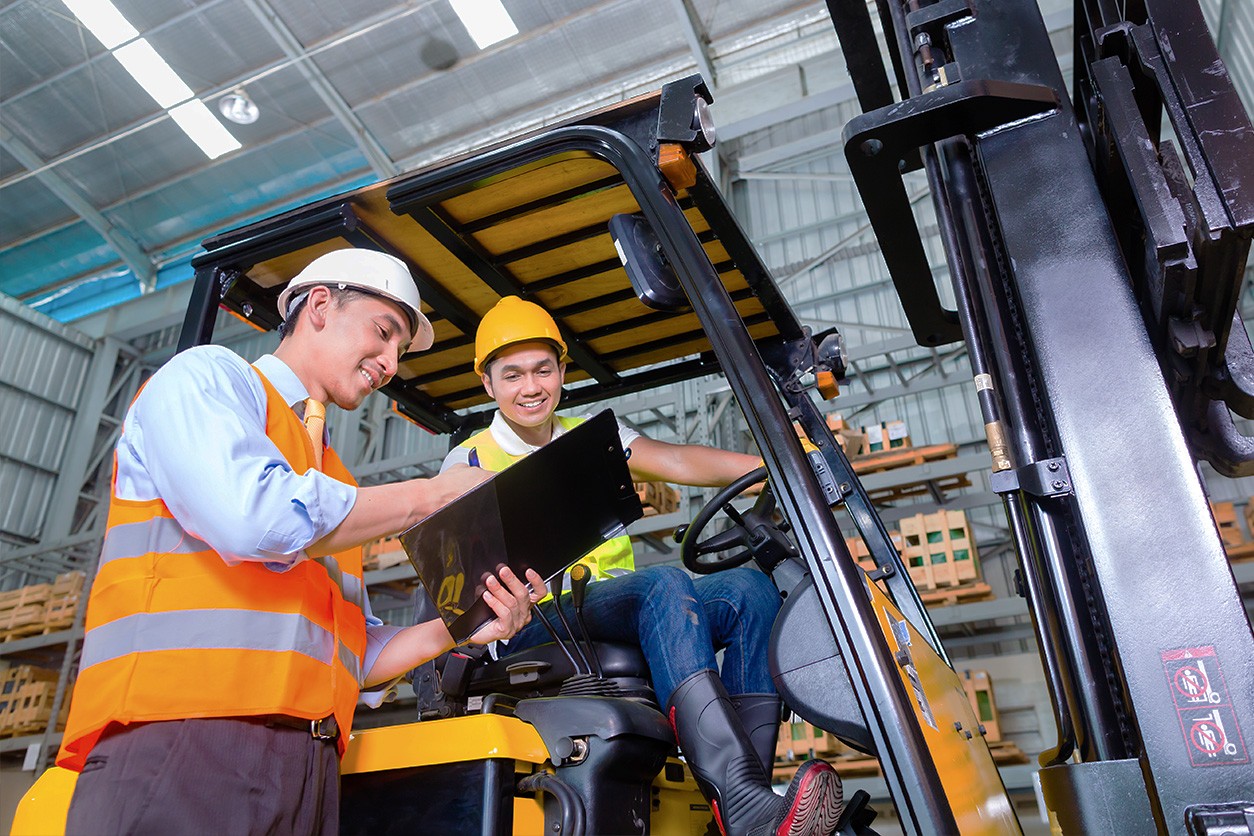
Conducting a complete OSHA-compliant forklift inspection is a legal requirement that protects workers, prevents costly accidents, and extends equipment life. Every shift must begin with a thorough check to ensure all safety systems function correctly. According to OSHA 1910.178(q)(7), any forklift found unsafe must be removed from service immediately. This step-by-step guide covers the entire inspection process, from pre-operational checks to documentation, helping you maintain a safe workplace and avoid fines.
Why OSHA Forklift Inspections Matter
OSHA mandates daily inspections for all powered industrial trucks. The reasoning is straightforward: forklifts operate in demanding environments, handling heavy loads and navigating tight spaces. A minor hydraulic leak, worn tire, or malfunctioning brake can escalate into a serious incident. Beyond safety, regular inspections reduce downtime and repair costs. If you are in the market for a new forklift, consider a model built for durability and ease of inspection, such as the Liftron DL SERIES, which incorporates advanced diagnostics and lithium-ion technology for reliable performance.
Pre-Operational Inspection Steps
Begin the inspection before starting the engine or motor. The operator should review the previous shift’s inspection report for any unresolved issues. Use a standardized checklist—either paper or digital—to ensure consistency. The pre-operational check covers the following areas:
1. Fluid Levels and Leaks
- Check engine oil, hydraulic fluid, coolant, and brake fluid levels (for internal combustion models).
- For electric forklifts like the Liftron DL SERIES, inspect battery fluid levels (if applicable) and ensure the lithium-ion battery is securely connected.
- Look under the forklift for any signs of fluid leakage on the floor.
2. Tires and Wheels
- Verify tire pressure and look for cuts, gouges, or uneven wear. Replace tires that are below the manufacturer’s tread depth.
- Check wheel nuts for tightness and inspect rims for damage.
3. Forks and Carriage
- Examine forks for cracks, bending, or excessive wear at heel and tip. Measure fork thickness using a fork gauge if needed.
- Ensure the carriage backrest is securely attached and not damaged.
4. Mast and Chains
- Look for cracked or broken mast sections and check chain tension. Inspect chains for elongation, rust, or broken links.
- Lubricate chains if specified by the manufacturer.
5. Safety Devices
- Test the horn, lights (headlights, taillights, and warning lights), and backup alarm.
- Check seat belt for fraying and proper buckle function. Ensure the operator restraint system works.
- Inspect overhead guard for deformation or cracks.
6. Controls and Instruments
- Turn the key (or keyless start) and verify the dashboard lights illuminate. Check fuel gauge, hour meter, and warning indicators.
- Operate the steering wheel, accelerator, and brake pedals to ensure smooth response.
Operational Inspection Steps
After completing the pre-operational check, start the forklift and perform a series of functional tests. Choose a safe, empty area away from pedestrians and obstacles.
1. Brake Tests
- Apply the service brake while driving slowly forward and backward. The forklift should stop promptly without pulling to one side.
- Test the parking brake by engaging it on a slight incline; the forklift must hold its position.
2. Steering and Maneuvering
- Turn the steering wheel fully left and right. Listen for unusual noises and confirm the wheels respond correctly.
- Drive in a straight line and check for excessive play in the steering.
3. Hoist and Tilt Operations
- Raise and lower the forks through the full range of motion. They should move smoothly without jerking or hesitation.
- Operate the mast tilt forward and backward. Check for hydraulic leaks at the cylinders and hoses.
4. Attachments (if applicable)
- Test any side shift, fork positioner, or rotator functions. Verify that attachments lock in place.
- For specialized equipment, follow the manufacturer’s guidelines.
5. Load Handling Check
- Lift a test load (approximately half the rated capacity) and drive a short distance. Confirm the load remains stable and the forklift handles without tipping.
Documentation and Recordkeeping
OSHA requires that each inspection be documented. Use a form that captures the following information: equipment ID number, date and time, operator name, list of checks performed, any defects found, and corrective actions taken. Store records for at least one year. Digital platforms can streamline this process and provide instant access to history. For new equipment purchases, Liftron Material Handling offers integrated fleet management solutions that simplify recordkeeping and compliance.
Common Defects and What to Do
| Defect | Action Required |
|---|---|
| Hydraulic leak | Tag forklift “out of service” and repair before reuse. |
| Worn or damaged tires | Replace immediately. Do not operate if tire is flat. |
| Malfunctioning brakes | Do not drive. Have a certified technician inspect and fix. |
| Cracked fork | Remove from service and replace the fork set. |
| Faulty backup alarm | Repair or replace before operating the forklift. |
Best Practices for Efficient Inspections
- Train all operators on the specific inspection checklist for each forklift model they use.
- Encourage operators to report any minor issues immediately, not just during scheduled inspections.
- Use color-coded tags or digital flags to indicate inspection status.
- Schedule time for inspections at the start of each shift—never rush through them.
- Consider a preventive maintenance program from Liftron Material Handling to keep your fleet in top condition.
Conclusion
A thorough OSHA forklift inspection is non-negotiable for safety and regulatory compliance. By following the steps outlined above—checking fluids, tires, forks, brakes, and controls—you can identify hazards before they cause harm. Document every inspection and address defects promptly. Investing in reliable equipment, such as the Liftron DL SERIES, can reduce inspection time and improve safety. Remember, a well-maintained forklift not only protects your team but also boosts productivity and lowers total cost of ownership. Make daily inspections a habit, and your warehouse will operate smoothly and safely.

Add a review
Your email address will not be published. Required fields are marked *