What Forklift Component Keeps the Load from Falling?
The main forklift component that helps keep a load from falling backward is the load backrest extension, supported by mast tilt and proper load handling.

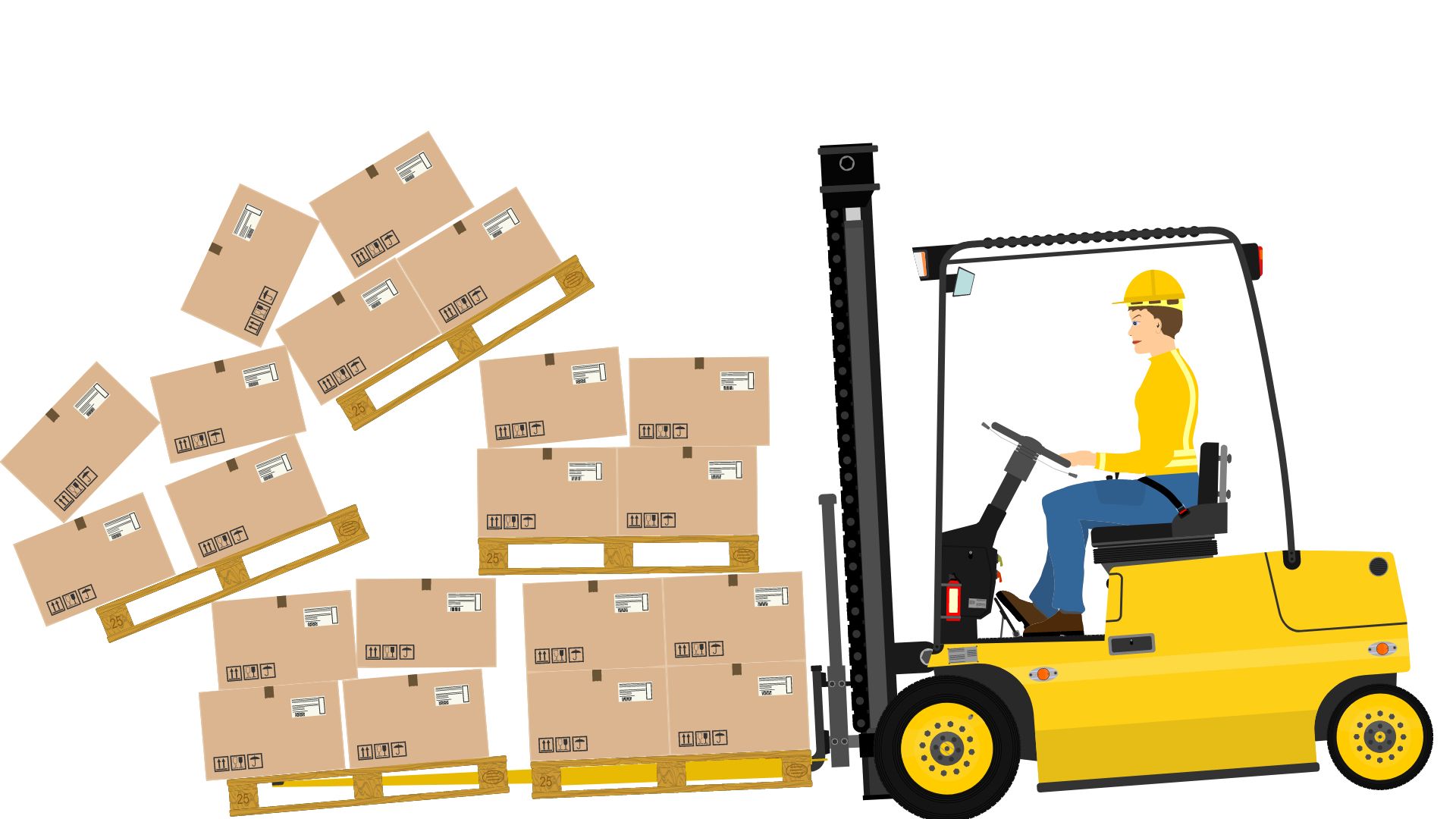
The main forklift component that helps keep a load from falling backward is the load backrest extension, supported by mast tilt and proper load handling.

You can find forklift rental services in Singapore through local forklift dealers, leasing companies, equipment platforms, and material handling suppliers.
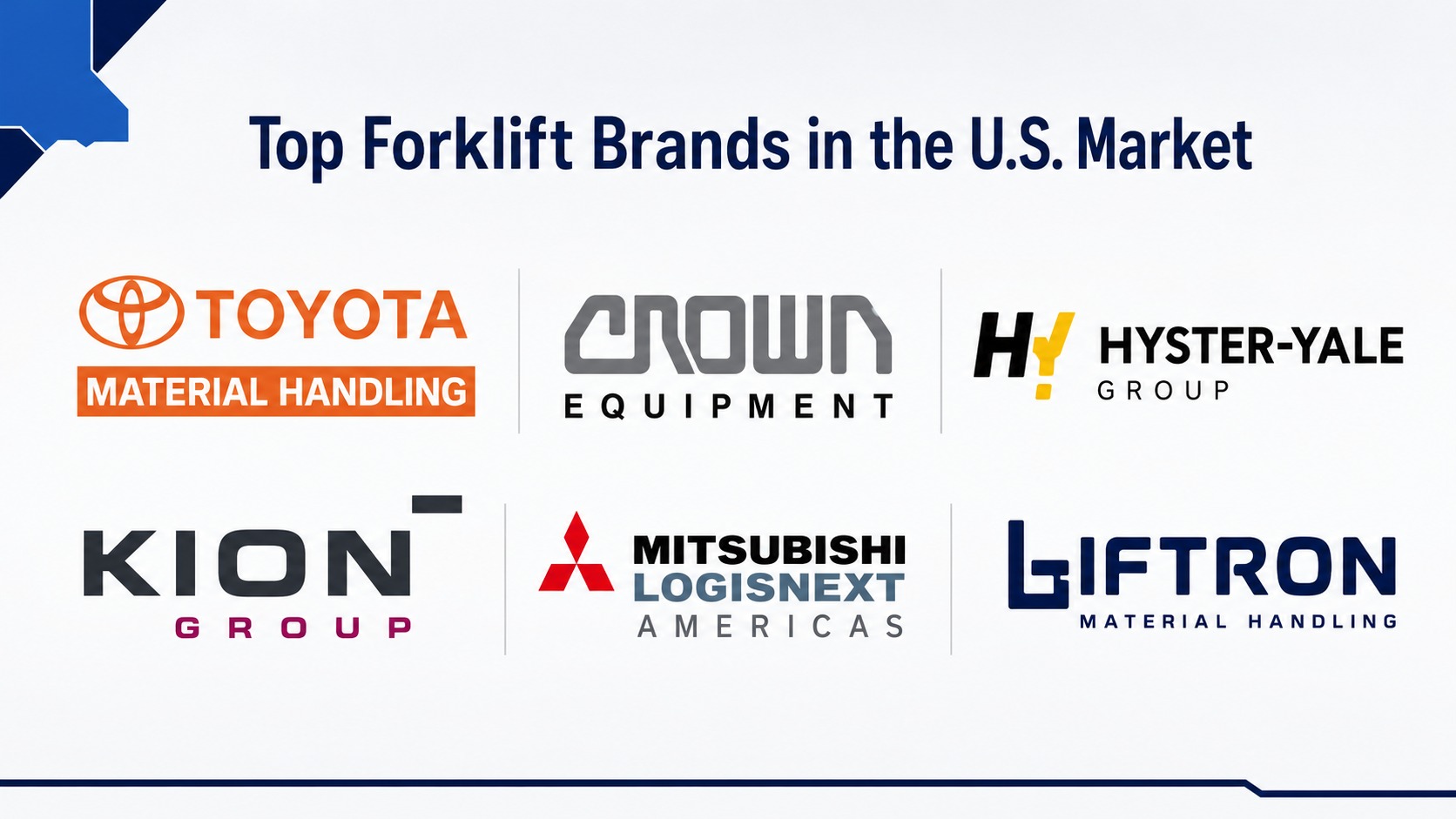
The biggest forklift manufacturers in the USA include global leaders, domestic brands, and major suppliers serving warehouses, logistics, and industrial fleets.
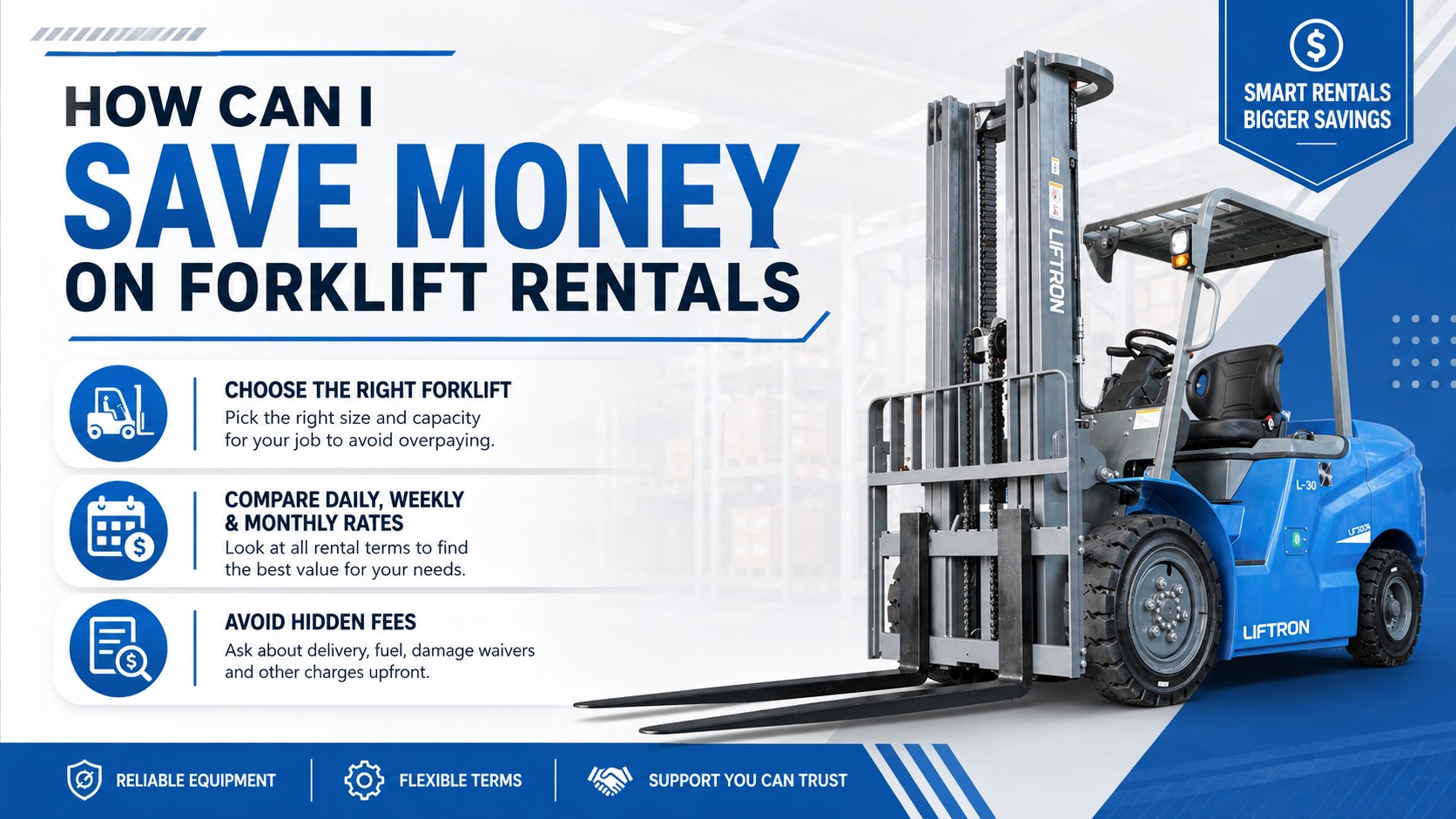
You can save money on forklift rentals by choosing the right rental period, avoiding hidden fees, and renting only the exact equipment your job requires.
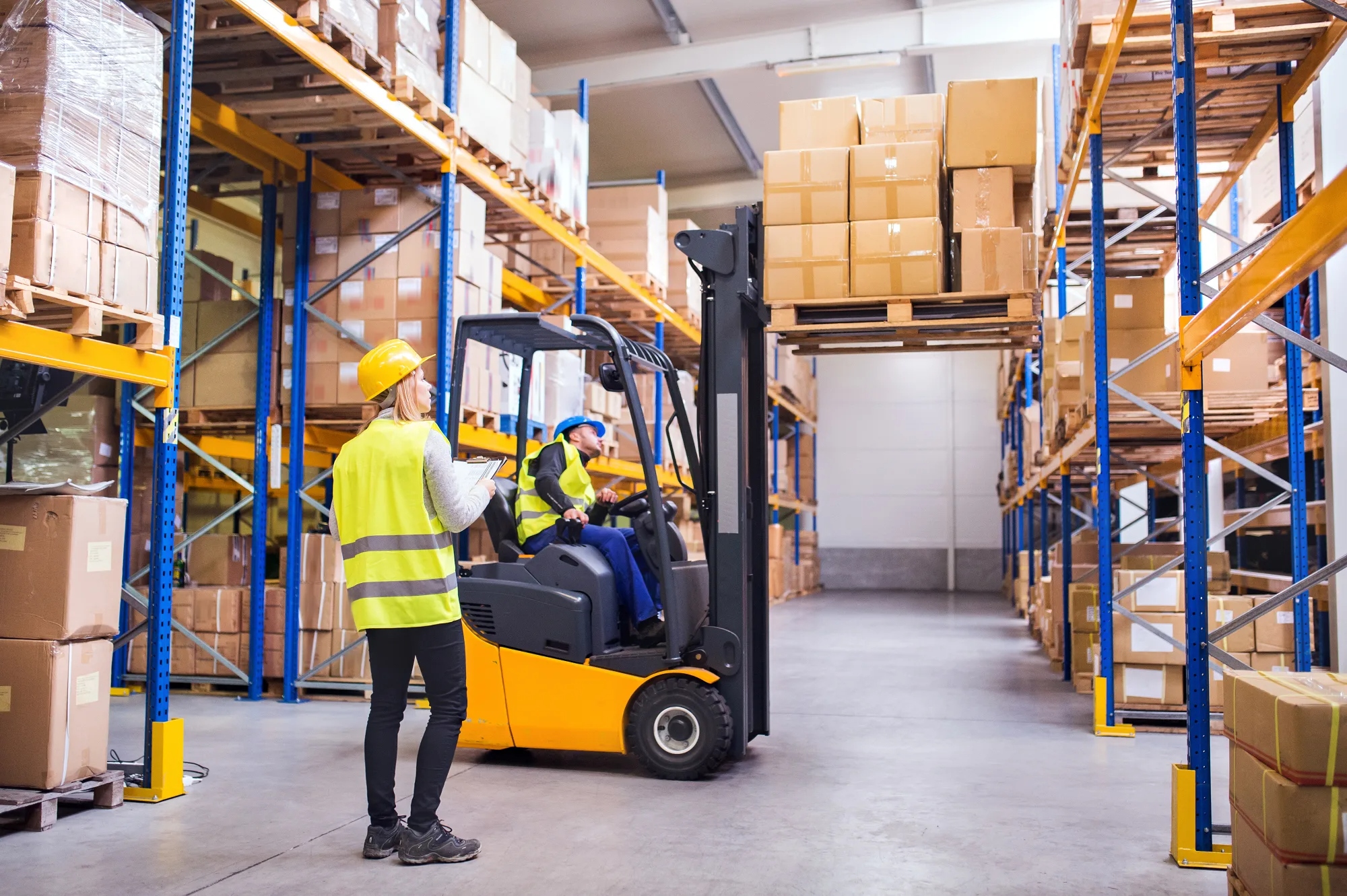
Understanding forklift rental costs requires evaluating multiple variables such as equipment type, lift capacity, power source, and rental duration. Daily rentals carry the highest per-unit cost, while monthly or long-term agreements can reduce expenses by 20-40%. Electric models like the Liftron DL SERIES lithium-ion forklifts offer lower operational costs despite higher rental rates, thanks to zero emissions and fast charging. Attachments such as sideshifters or clamps add 10-50% to base rates, and geographic location may influence pricing due to local demand and delivery fees. Full-service maintenance packages typically add 10-15% but prevent unexpected repair costs. To minimize expenses, businesses should choose standard high-availability models, negotiate multi-unit discounts, and request transparent quotes from providers like Liftron Material Handling. Comparing rental options and focusing on total cost of ownership helps ensure cost-effective material handling without sacrificing productivity.
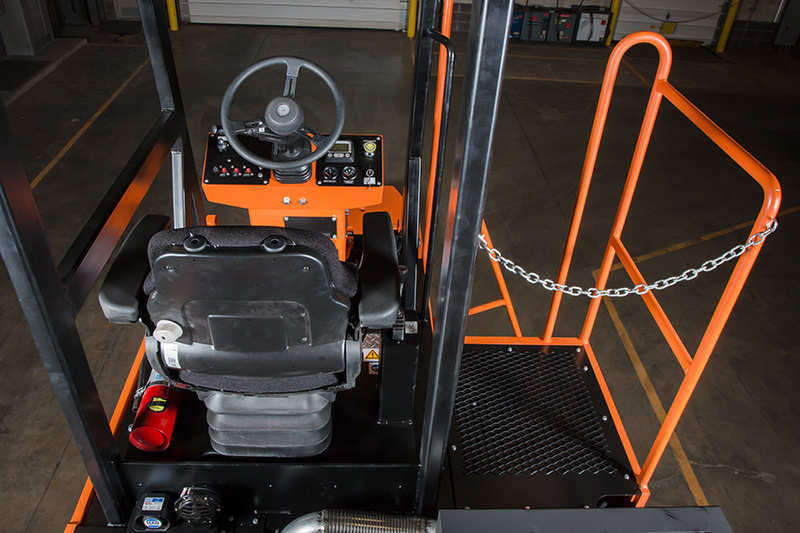
Looking for a sit-down rider truck mobile forklift to boost warehouse efficiency and operator comfort is a strategic move for material handling operations. These machines offer ergonomic seating, reduced fatigue, and enhanced stability, making them ideal for heavy loads and tight aisles in warehouses, distribution centers, and manufacturing facilities. Available from local dealers, online marketplaces, and trusted suppliers like Liftron Material Handling, models range from 3,000 to 10,000 pounds in capacity with power options including electric, LPG, diesel, and advanced lithium-ion batteries. Key features to evaluate include load capacity, aisle width compatibility, safety systems, and battery technology. Lithium-ion models like the Liftron DL SERIES provide fast charging, consistent power, and lower maintenance, boosting productivity and reducing total ownership costs. For the best results, schedule a site assessment and request demonstrations to find the perfect fit for your operational needs.
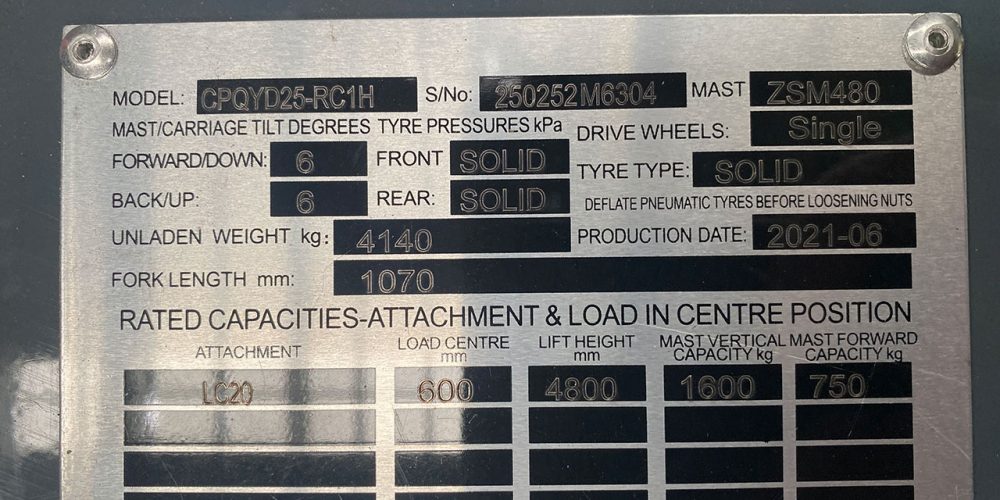
The forklift capacity plate, also known as a data plate or nameplate, is a critical safety component that provides essential operational data including rated capacity, load center, mast type, lift height, attachment information, and truck weight. Understanding this plate helps prevent tip-overs and accidents by ensuring loads stay within design limits. Key details include the rated capacity (e.g., 5,000 lbs at a 24-inch load center), model and serial numbers for parts sourcing, and capacity reductions for attachments like side shifters. Operators must account for changing capacity at different lift heights and avoid common mistakes like assuming constant capacity. The plate must remain legible and be updated after modifications such as mast changes or battery conversions. Modern forklifts like the Liftron DL SERIES may include digital capacity displays, but the physical plate remains mandatory for safety compliance. Regular inspection and maintenance of the capacity plate are essential for OSHA and ANSI compliance.
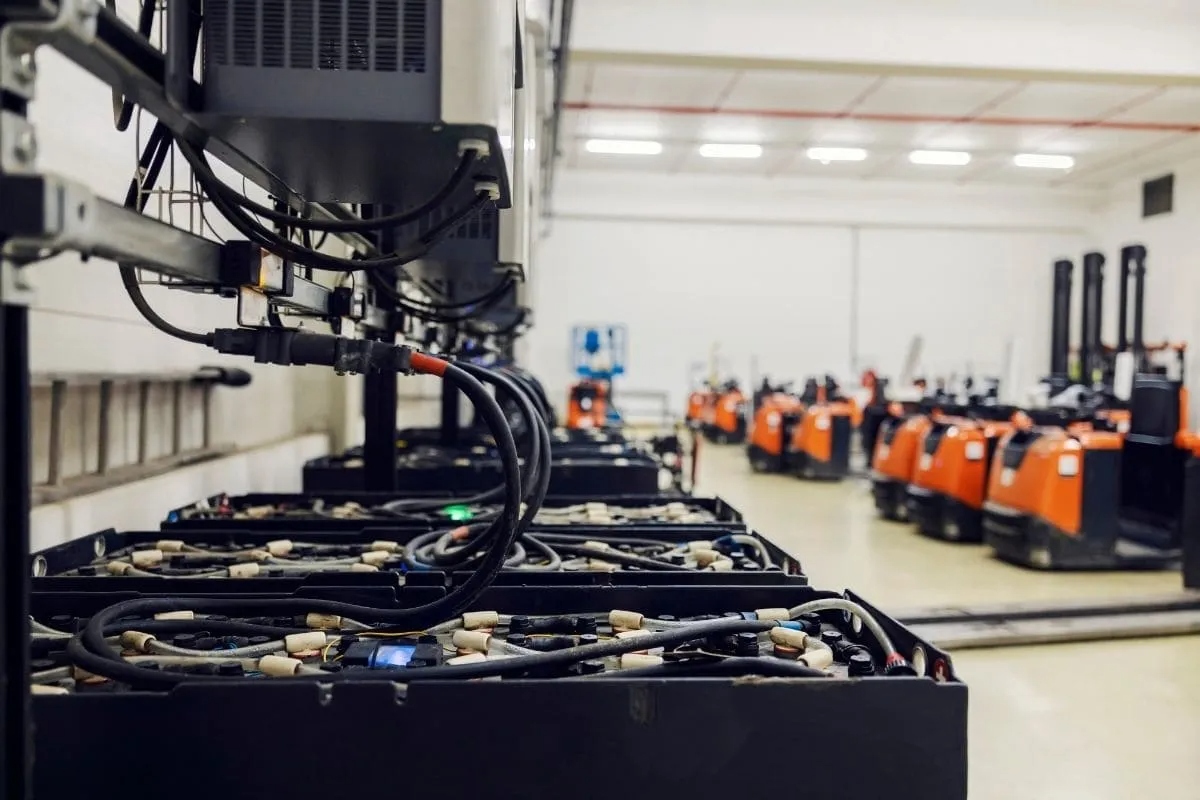
Learn how to accurately measure sulfuric acid concentration in forklift batteries using hydrometers or refractometers with this practical guide. Proper electrolyte measurement is essential for safety, battery performance, and longevity. Step-by-step instructions cover preparing the battery, taking specific gravity readings, interpreting results, and applying temperature corrections. The guide explains why consistent monitoring prevents sulfation, overheating, and premature failure. Maintenance tips include weekly water checks, periodic equalization, and cleaning. For businesses seeking to eliminate manual acid testing, the article discusses upgrading to lithium-ion batteries like the Liftron DL SERIES, which require no electrolyte maintenance and offer faster charging and longer life. Safety precautions for handling corrosive acid are also emphasized. Regular monitoring keeps lead-acid batteries running efficiently, while modern lithium-ion alternatives provide a maintenance-free solution.
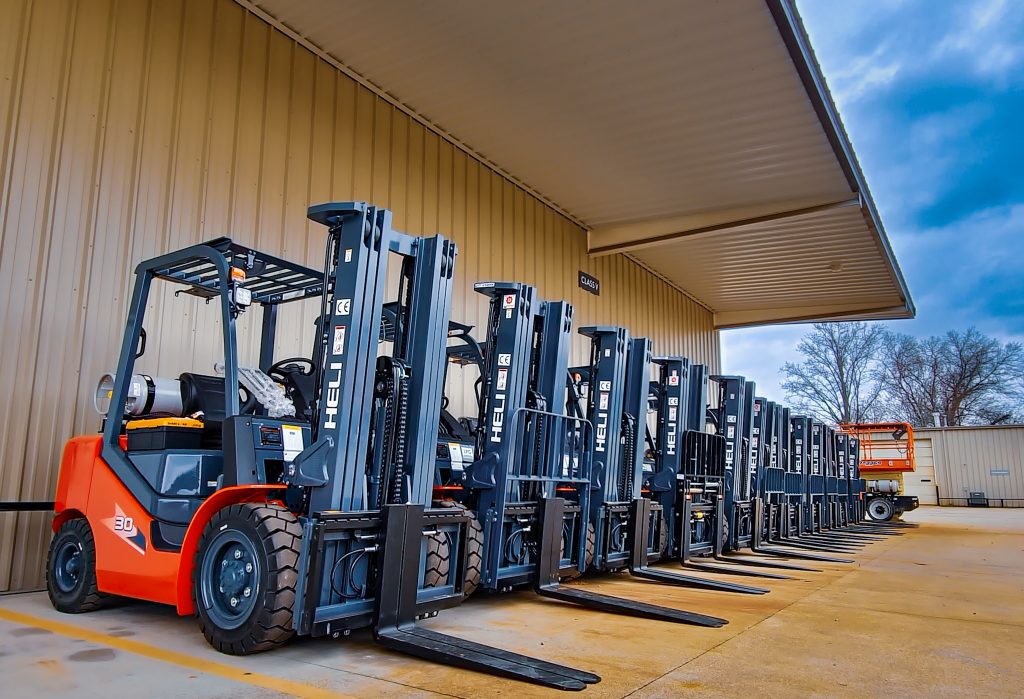
Finding the right forklift for sale requires evaluating load capacity, lift height, power source, and total cost of ownership to balance efficiency, safety, and budget. This guide covers key factors like new vs. used equipment, electric lithium-ion versus LPG or diesel power, and where to buy—from online marketplaces to trusted dealers such as Liftron Material Handling. Use the included inspection checklist for used units and consider financing, leasing, and warranty options. Industry-specific recommendations help match forklifts to cold storage or high-throughput warehouses. For advanced, low-emission performance, the Liftron DL SERIES lithium-ion models offer fast charging and lower maintenance. Prioritize quality and long-term support to make a sound investment that boosts productivity and sustainability.
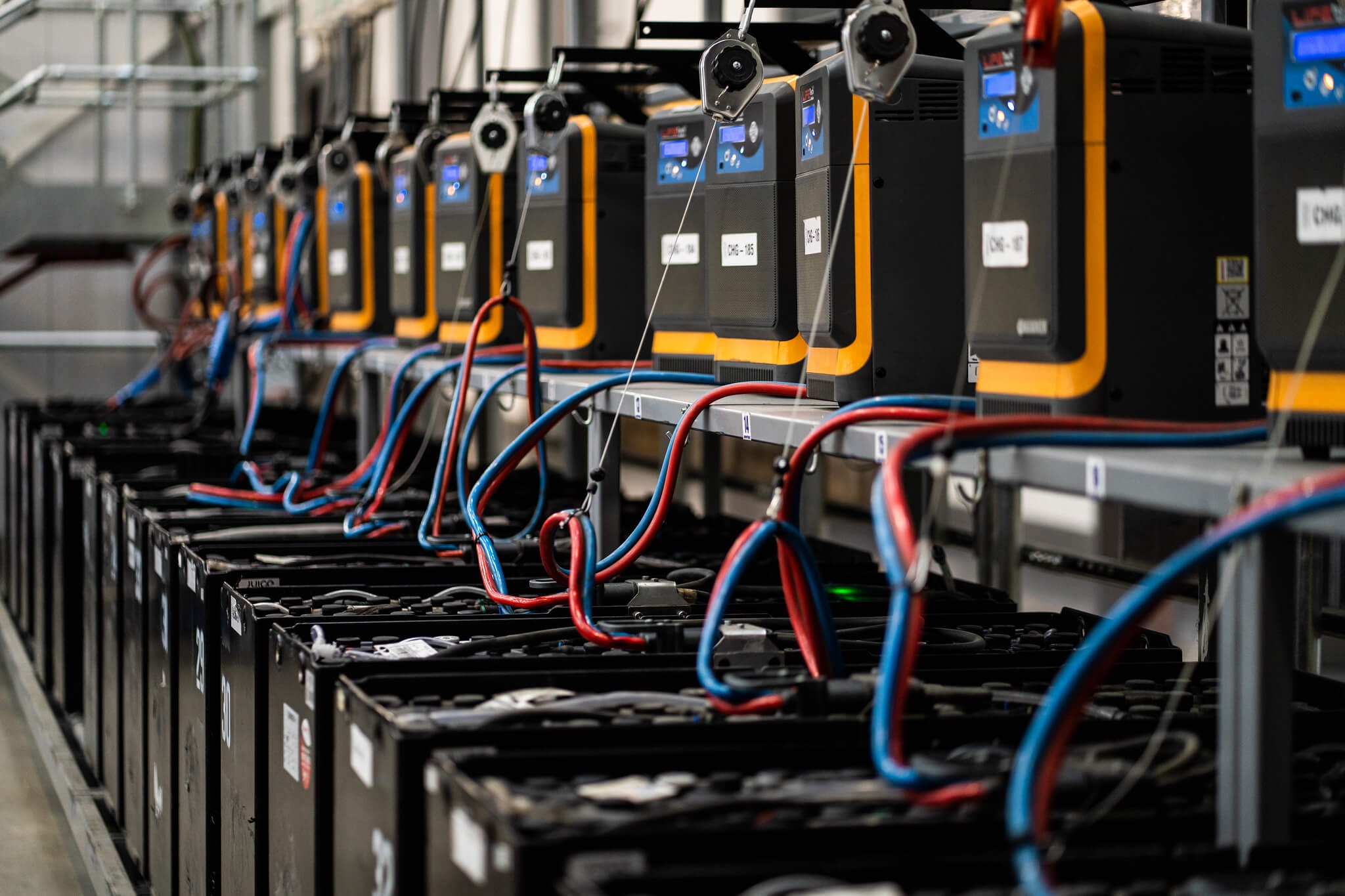
Forklifts are powered by different types of batteries depending on their application, workload, and operational environment. The two most common types are lead-acid batteries and lithium-ion batteries, each offering unique advantages in cost, performance, and maintenance requirements.