
Does a Forklift Need a Number Plate?
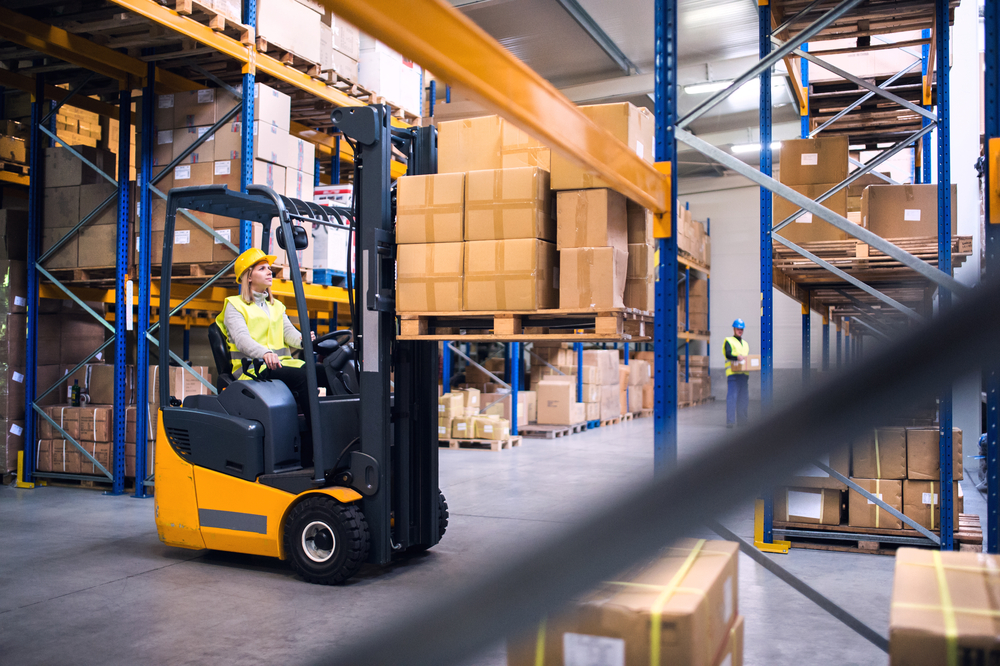
A forklift is primarily designed as an industrial material handling machine, not a road vehicle. Because of this, most forklifts used inside warehouses, factories, ports, and construction sites are not required to display a number plate.
However, the rules change when a forklift leaves private property. In many regions, once a forklift enters a public road—even for a short distance—it becomes subject to road traffic laws, registration requirements, and insurance obligations.
Private Property vs Public Road Rules
The requirement for a number plate depends entirely on where the forklift is operated. Understanding this distinction is essential for compliance and safety.
- Private Property / Warehouses: No number plate required
- Public Roads: Registration, insurance, and plate required
Modern industrial forklifts are built for controlled environments, meaning most are never intended for highway or street use unless specially modified and approved.
When Does a Forklift Need a Number Plate?
A forklift needs a number plate when it is driven on public roads, even for short distances such as crossing between work sites or transporting goods between facilities.
In these cases, the forklift is treated similarly to a slow-moving vehicle or industrial road machine, depending on local regulations.
Typical Legal Requirements for Road Use
If a forklift is approved for road use, it generally must meet several legal requirements beyond just a number plate.
| Requirement | Description | Purpose |
|---|---|---|
| Registration | Official vehicle registration with authorities | Legal identification |
| Number Plate | Visible license plate on the vehicle | Road tracking and enforcement |
| Insurance | Public liability and vehicle coverage | Financial protection |
| Lighting & Signals | Headlights, indicators, brake lights | Road safety compliance |
Why Forklifts Are Usually Not Road Registered
Most forklifts are not registered for road use because they are slow-moving, low-speed industrial machines. Their design prioritizes lifting stability rather than highway travel.
They also lack features found in road vehicles, such as high-speed braking systems, crash protection structures, and advanced lighting systems required for public traffic conditions.
In controlled environments like warehouses, ports, and distribution centers, forklifts operate safely without number plates because they remain within private operational zones.
Step-by-Step Guide to Compliance
- Identify usage environment: Determine whether the forklift stays on private property or enters public roads.
- Check local laws: Review national or regional vehicle regulations for industrial equipment.
- Verify equipment classification: Confirm whether the forklift qualifies as a road vehicle.
- Apply for registration (if required): Submit documentation to transport authorities.
- Install number plate: Ensure proper mounting and visibility if approved for road use.
Common Misunderstandings
Many people assume forklifts always require number plates, but this is not true in most industrial environments. The requirement is not based on the machine itself but on how and where it is used.
- Myth: All forklifts must be registered
- Reality: Only those used on public roads require registration
- Myth: Warehouse forklifts need plates for identification
- Reality: Internal warehouse use does not require plates
Operational Safety Considerations
Even without number plates, forklift operators must follow strict safety standards. These include speed limits, load capacity rules, pedestrian separation, and equipment inspection procedures.
Safe operation of a forklift is more important than whether the machine is registered. Workplace safety regulations always apply regardless of location.
Conclusion
A forklift does not need a number plate when used in warehouses, factories, or private industrial sites. However, if it is driven on public roads, it must be registered, insured, and display a legal plate according to local traffic laws.
Understanding where and how forklifts are used ensures compliance, improves safety, and helps businesses avoid unnecessary legal risks.
Add a review
Your email address will not be published. Required fields are marked *