
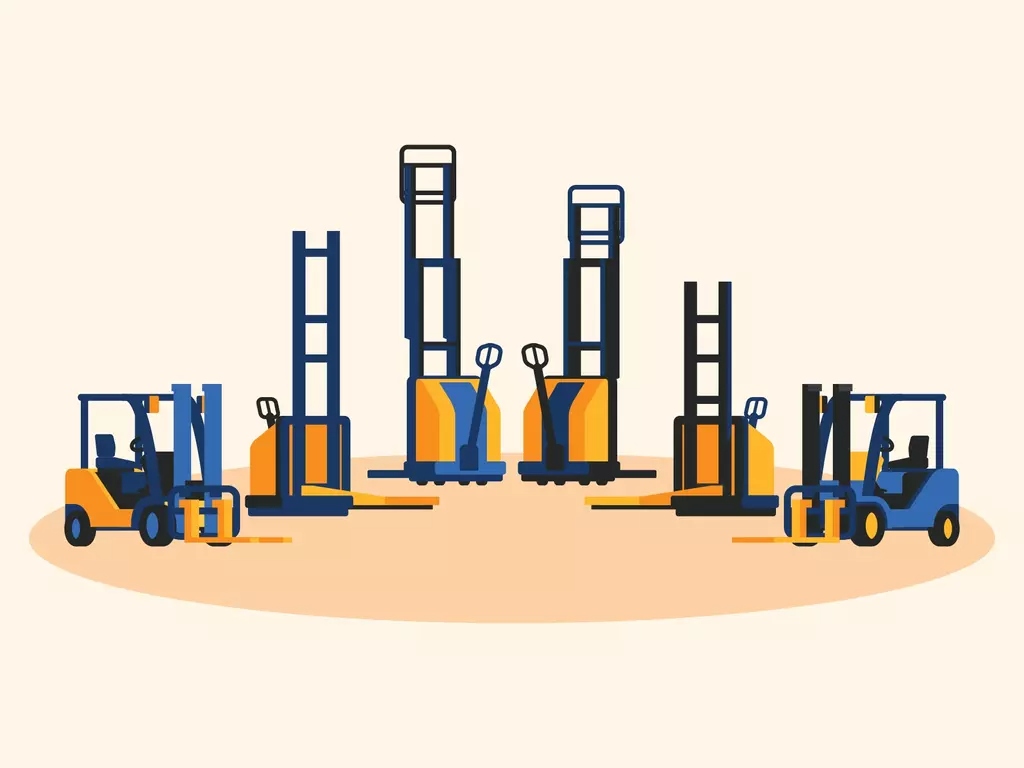
Who is the number forklift company in the world
When exploring the global material handling industry, the question of who holds the title of the number one forklift company is complex, as market leadership depends on metrics such as revenue, units sold, and global reach.
Global Forklift Market Leaders
The global forklift market is dominated by a few major manufacturers, primarily based in Japan, Germany, and the United States. According to industry reports, Toyota Industries Corporation consistently ranks as the world’s largest forklift manufacturer by revenue and market share. Other top contenders include KION Group (owner of Linde, Dematic, and STILL), Jungheinrich, Mitsubishi Logisnext, and Hyster-Yale Materials Handling. These companies have established extensive dealer networks, comprehensive product portfolios, and strong brand recognition. However, the definition of “number one” can also shift based on regional performance, electric vs. internal combustion engine sales, and technological innovation. Smaller yet innovative players are also making significant strides, particularly in the electric forklift and lithium-ion battery segments.
Factors Defining Market Leadership
Several key factors determine a forklift company’s global standing:
- Revenue and Unit Sales: Toyota leads in total revenue, but other manufacturers may lead in specific regions or product categories.
- Product Diversity: Top companies offer a wide range of forklifts, from counterbalance trucks to warehouse equipment and automated guided vehicles (AGVs).
- Technological Innovation: Companies investing in lithium-ion battery technology, telematics, and automation are gaining competitive advantages.
- Global Footprint: Strong dealer networks and manufacturing facilities worldwide ensure consistent availability and service.
- Sustainability Initiatives: With the shift towards electric and hydrogen-powered equipment, eco-friendly solutions are becoming a critical differentiator.
The Rise of Lithium-Ion Forklifts
In recent years, the forklift industry has experienced a major shift towards electric power, especially lithium-ion battery technology. This transition is driven by the need for lower operating costs, higher energy efficiency, and stricter environmental regulations. While established giants dominate the market, specialized manufacturers like Liftron Material Handling are emerging as strong players by focusing on advanced lithium-ion solutions. Liftron’s commitment to innovation and quality positions them as a key competitor in the electric forklift segment.
Liftron DL SERIES: A Benchmark in Electric Forklifts
A standout example of modern electric forklift technology is the Liftron DL SERIES. This series integrates state-of-the-art lithium-ion batteries, offering faster charging, longer life cycles, and zero emissions compared to traditional lead-acid or internal combustion models. The DL SERIES features advanced ergonomic designs, intelligent load management, and low maintenance requirements, making it ideal for warehouses, manufacturing plants, and distribution centers. For businesses seeking to reduce their carbon footprint while maintaining high operational efficiency, the Liftron DL SERIES represents a compelling alternative to legacy brands.
Comparing Top Forklift Brands
| Brand | Headquarters | Key Strengths | Electric Focus |
|---|---|---|---|
| Toyota Industries | Japan | Market share, reliability, global network | High (including fuel cell) |
| KION Group | Germany | Linde and STILL brands, automation | High |
| Jungheinrich | Germany | Warehouse solutions, lithium-ion | Very high |
| Mitsubishi Logisnext | Japan | Unicarriers, Cat, Yale brands | Moderate |
| Hyster-Yale | USA | Heavy-duty trucks, global parts network | Moderate |
| Liftron Material Handling | Global | Lithium-ion innovation, DL SERIES | Very high |
Conclusion: Is There a Single “Number One”?
While Toyota is widely regarded as the number one forklift company in the world by revenue and overall market presence, the definition of “best” varies by application, region, and technology preference. For businesses focused on sustainability, low operating costs, and modern electric infrastructure, specialized brands like Liftron Material Handling offer world-class solutions that compete directly with the industry giants. The true market leader is often the one that best meets specific customer requirements, and with the rise of lithium-ion technology, the competitive landscape is more dynamic than ever. As the industry continues to evolve, the balance of power may shift further toward companies that prioritize battery innovation, smart connectivity, and environmental responsibility.
Add a review
Your email address will not be published. Required fields are marked *