Why Do Forklifts Have 3 Pedals?
Forklifts have three pedals so operators can control travel speed, braking, and hydraulic lifting at the same time.

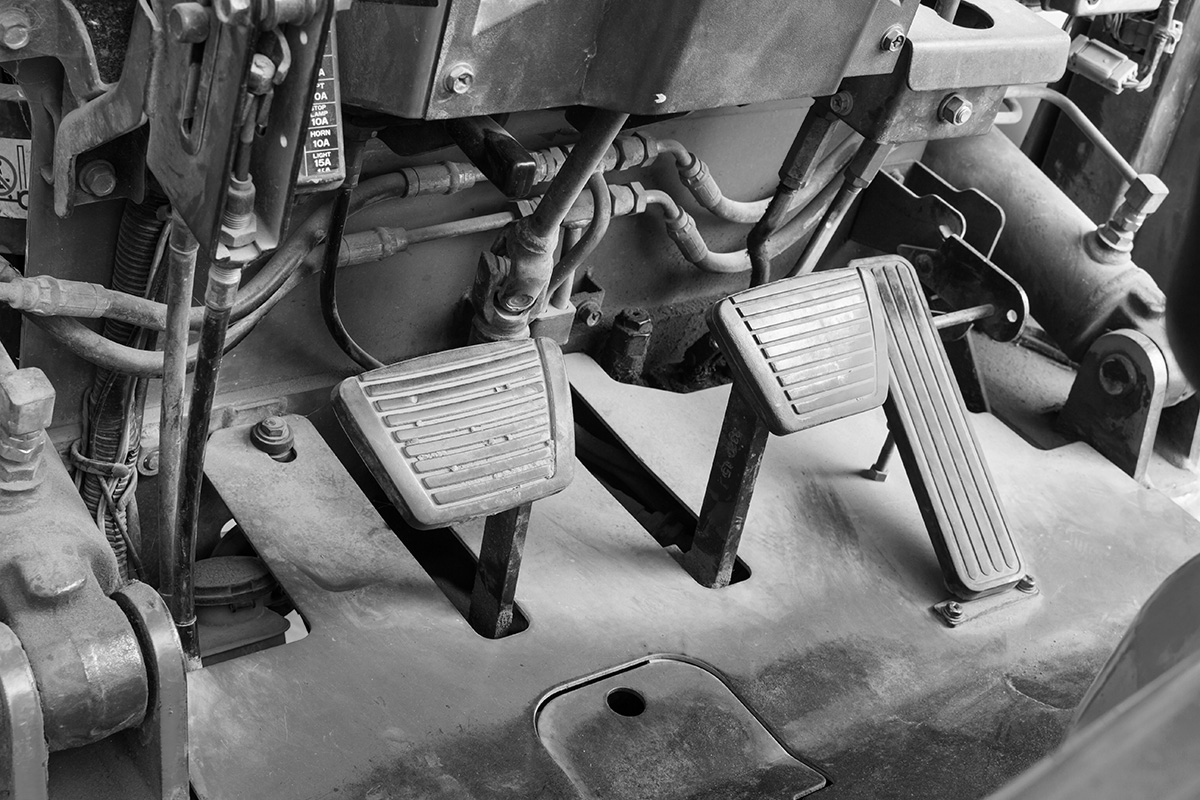
Forklifts have three pedals so operators can control travel speed, braking, and hydraulic lifting at the same time.

A 3-stage forklift uses a triplex mast to lift higher while staying compact enough for many low-clearance warehouse areas.
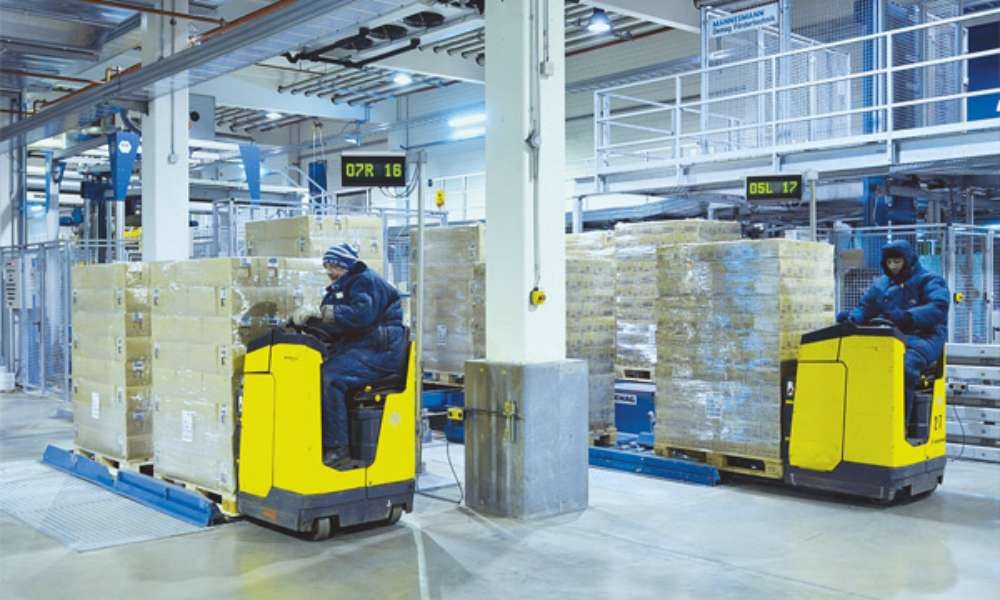
Cold storage warehouses need electric forklifts with sealed electronics, cold-rated fluids, stable batteries, and compact handling.
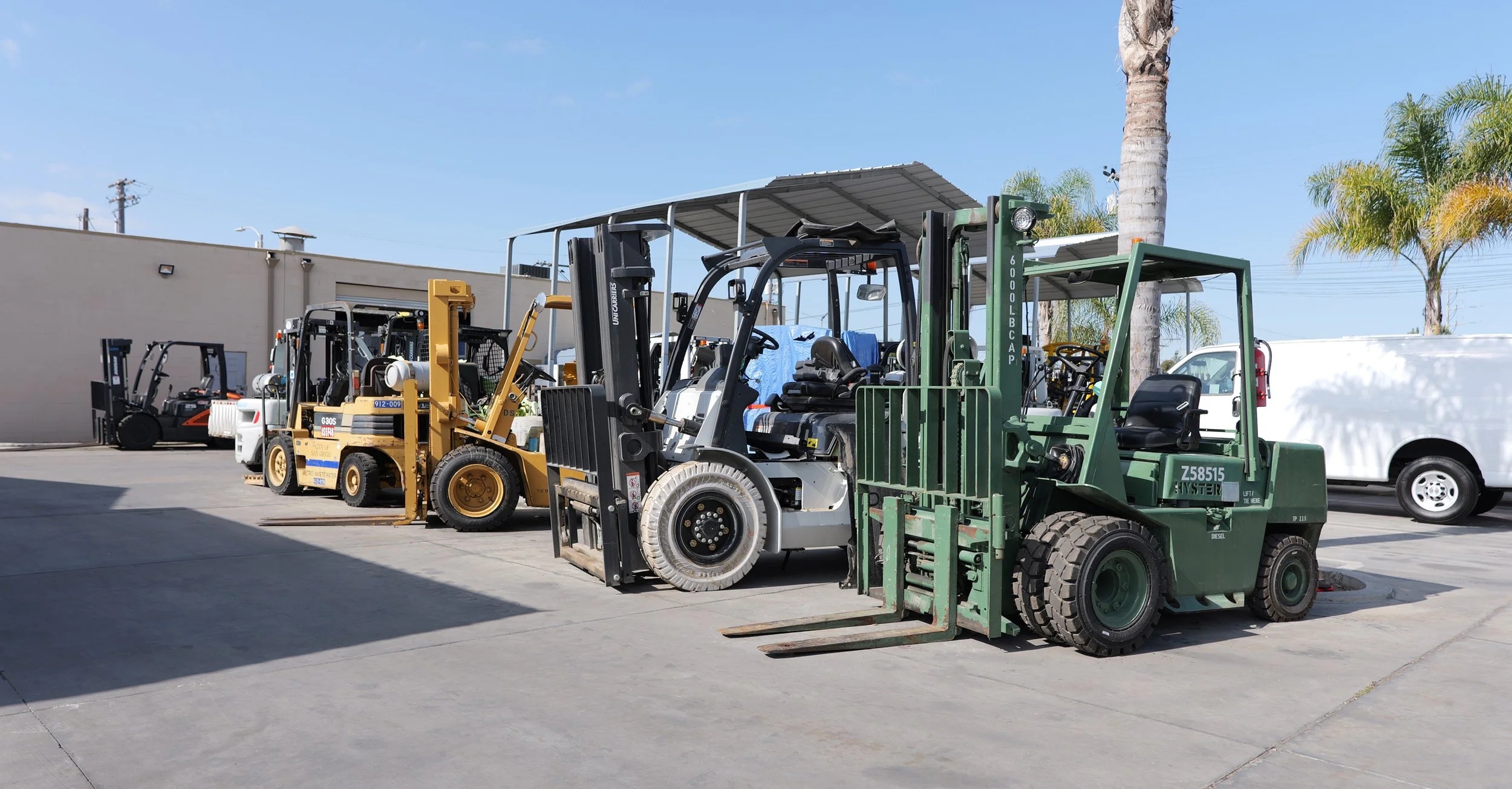
You can buy a reliable warehouse forklift from authorized dealers, material handling distributors, or certified used equipment brokers.
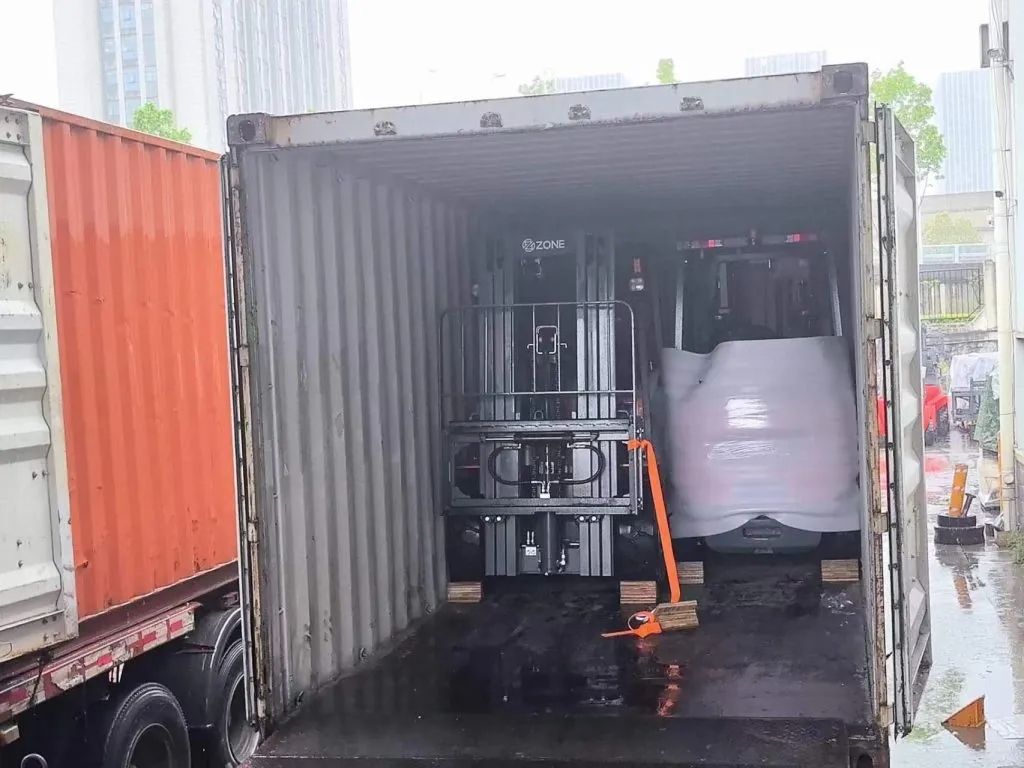
A forklift should not go inside a PODS container because the floor is not designed for heavy concentrated wheel loads.
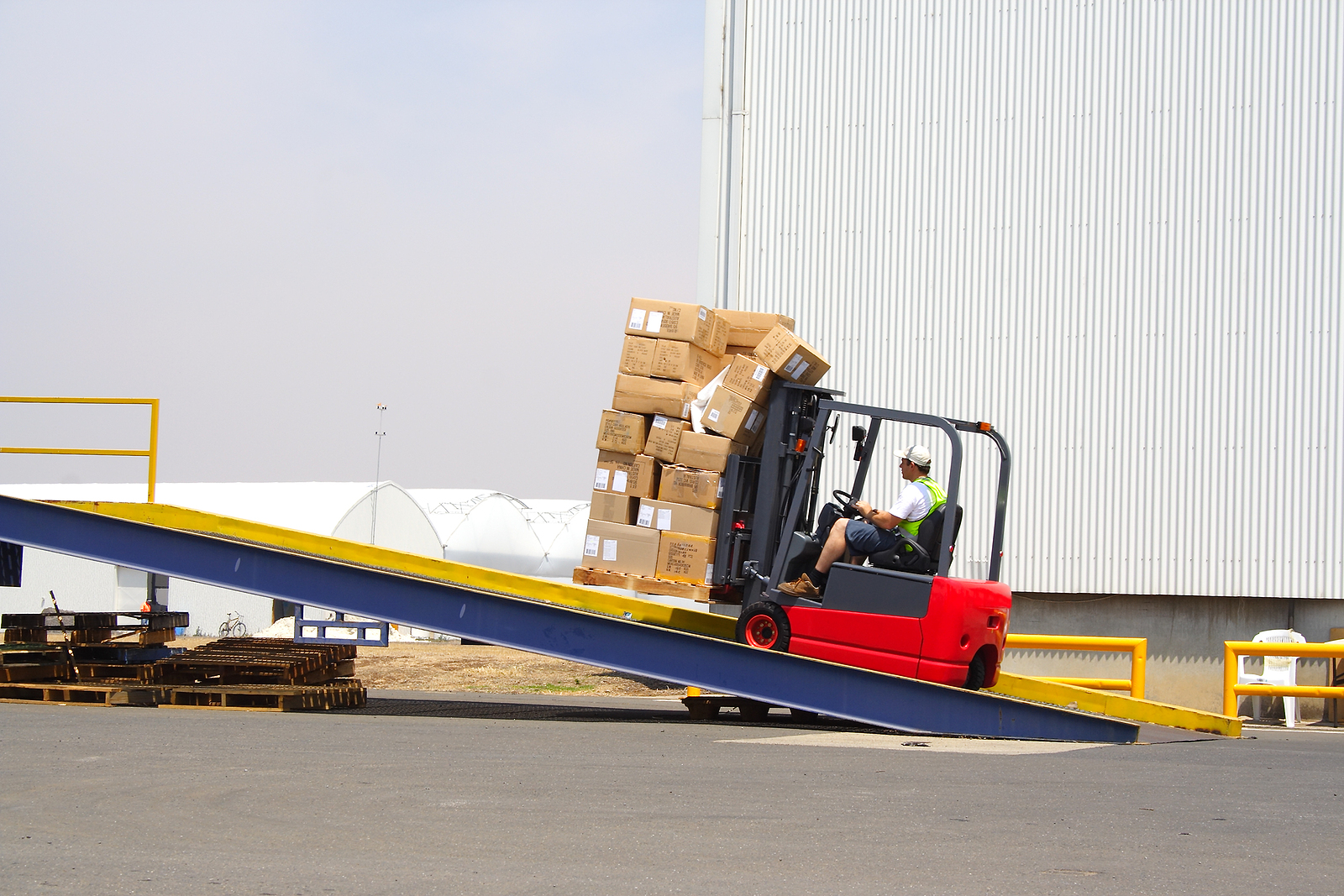
Modern forklifts can operate effectively both indoors and outdoors, but performance depends on tire type, power source, and design features. Cushion tires suit smooth indoor surfaces, pneumatic tires handle rough outdoor terrain, and solid pneumatic tires offer a versatile hybrid option. Electric forklifts, especially those with advanced lithium-ion batteries like the Liftron DL SERIES, provide zero emissions for indoor use and durable power for outdoor loading zones. Key considerations include mast height, ground clearance, and emission standards. Models equipped with sealed batteries and cold-storage packages excel in mixed environments such as retail distribution centers, lumber yards, and manufacturing plants. Proper tire pressure, battery management, and operator training further enhance performance across surfaces. With the right configuration, forklifts can seamlessly transition from warehouse aisles to outdoor yards, ensuring safety and efficiency in diverse material handling workflows.
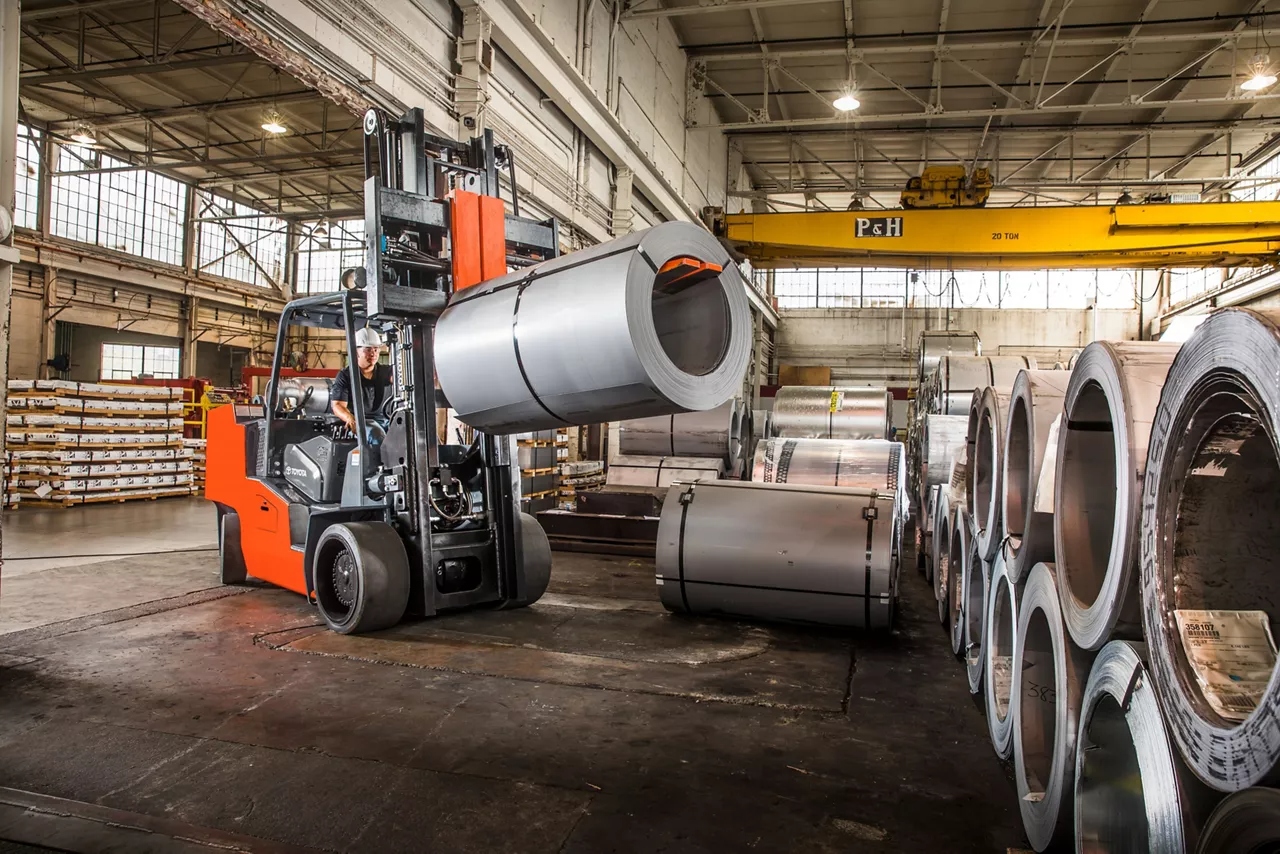
Selecting the right heavy duty material handling equipment is essential for maximizing operational efficiency, safety, and long-term cost savings across warehouses, construction sites, and industrial facilities. This comprehensive guide evaluates top machinery options including counterbalance forklifts, reach trucks, telescopic handlers, and industrial cranes, while highlighting key factors like load capacity, terrain, and duty cycle. Lithium-ion technology, as featured in the Liftron DL SERIES, is transforming the industry with fast charging, zero emissions, and minimal maintenance. The article provides a detailed comparison of equipment categories, essential safety practices, and ergonomic considerations to help businesses choose the best solutions for demanding environments. Whether upgrading a fleet or starting new operations, investing in modern, durable equipment ensures higher productivity and reduced downtime over the long term.
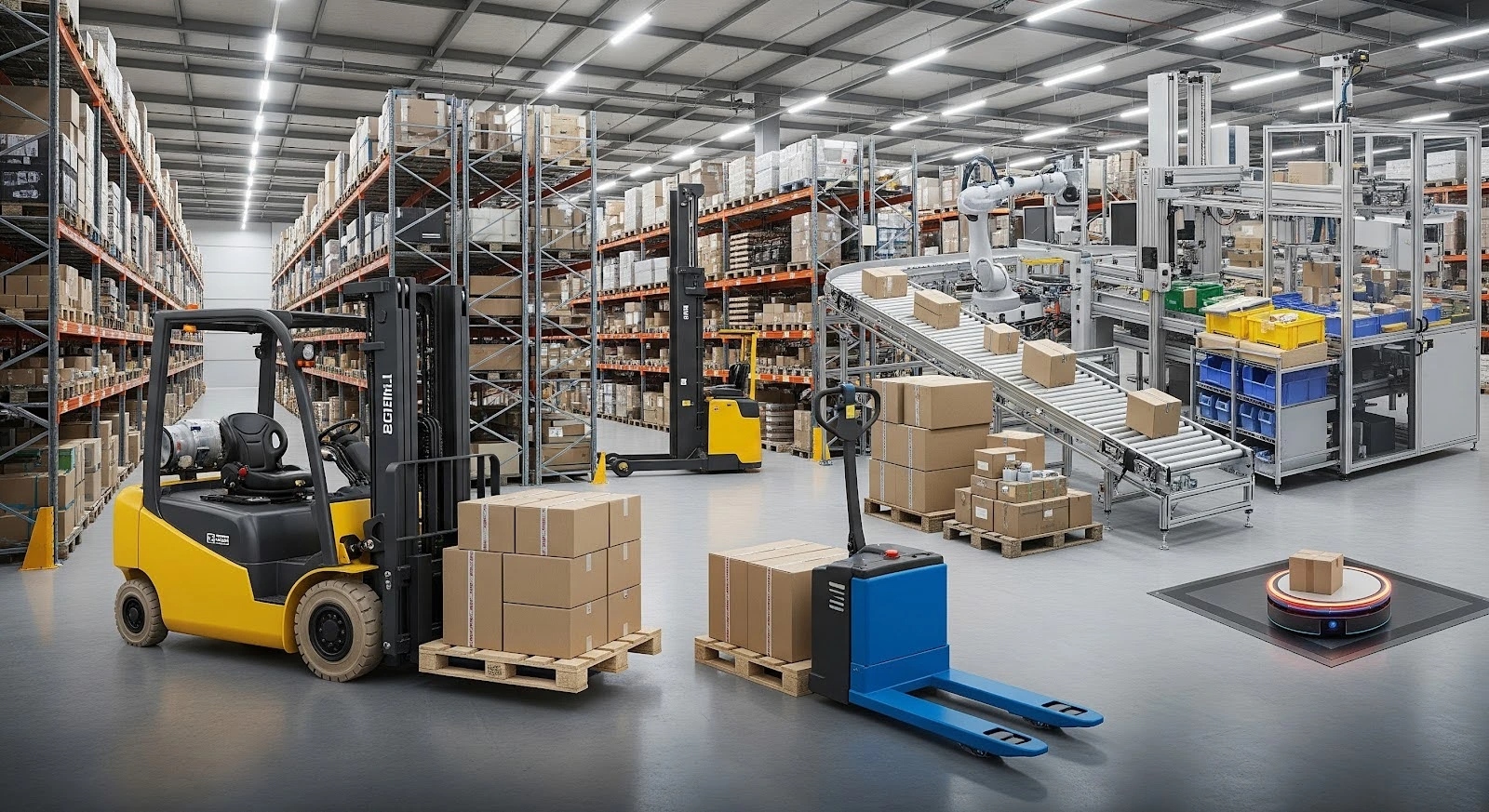
Discover the essential guide to material handling equipment, covering four key categories: storage and handling tools, industrial trucks, engineered systems, and bulk material handlers. Learn how to choose the right solutions for optimizing workflow, reducing costs, and improving safety in manufacturing and warehousing. Explore modern innovations like the Liftron DL SERIES lithium-ion forklift, which offers fast charging, zero emissions, and low maintenance for high-uptime environments. The article details selection factors including load capacity, facility layout, and operational hours, while highlighting future trends in automation and electrification. Whether upgrading a pallet jack or designing an automated system, informed equipment selection is a strategic investment in productivity and sustainability.

Material handling equipment safety relies on certified operator training, load capacity management, and daily pre-operational inspections to prevent accidents. OSHA mandates formal instruction covering load limits, stability principles, and hazard awareness, as untrained operators cause over 70% of MHE incidents. Pre-use checks on tires, hydraulics, forks, and safety devices reduce mechanical failures. Safe practices include separating pedestrian and equipment paths, securing loads, and using proper PPE like safety shoes, vests, and hard hats. Battery charging areas need ventilation and PPE, with lithium-ion models requiring approved chargers and terminal care. Lockout/tagout procedures during maintenance prevent accidental startup. Modern lithium-ion forklifts enhance stability with lower centers of gravity but still demand loading discipline. Facilities must prepare emergency plans for tip-overs, collisions, and battery fires. Ongoing documentation of training and incidents supports continuous safety improvements that protect workers, reduce downtime, and lower costs.
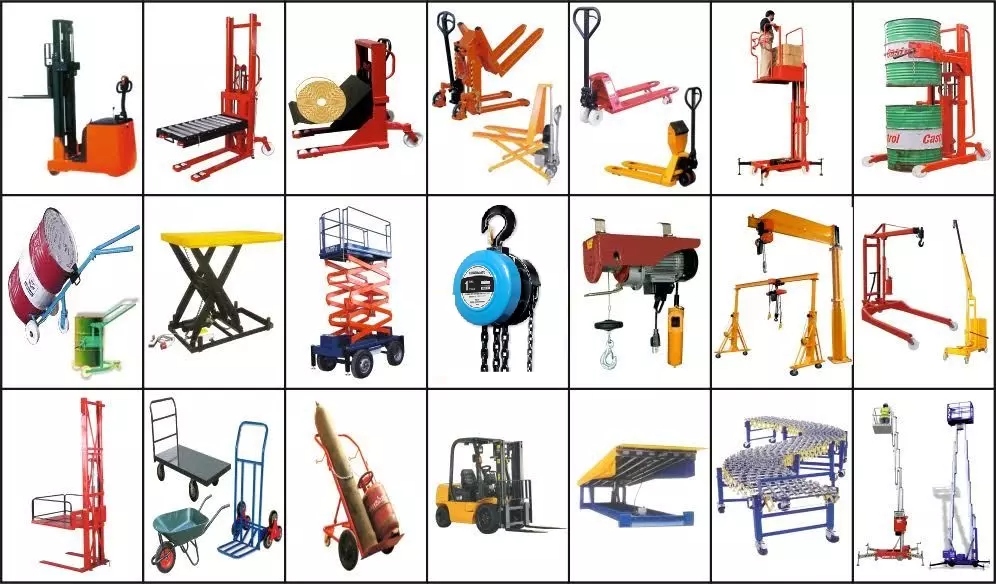
Materials handling equipment (MHE) is essential for moving, storing, and protecting materials across warehousing, logistics, and construction industries. This overview covers key MHE categories including transport equipment like forklifts and conveyors, positioning tools such as lift tables, unit load formation equipment, storage systems like pallet racking, and identification technologies including RFID and barcode scanners. Investing in the right MHE reduces manual labor, improves workplace safety, and accelerates throughput. Modern trends highlight automation, lithium-ion battery technology, and real-time data analytics transforming operations. Factors like load capacity, operating environment, and energy source guide equipment selection. The Liftron DL SERIES, a lithium-ion forklift, exemplifies cutting-edge MHE with fast charging, zero emissions, and long operational life for indoor use. A comparative table of common equipment types further aids decision-making. Choosing reliable providers ensures long-term performance and efficiency.