How Many Forklifts Are in the USA?
There are over 850,000 forklifts operating in the USA, supporting warehouses, factories, ports, yards, and logistics.

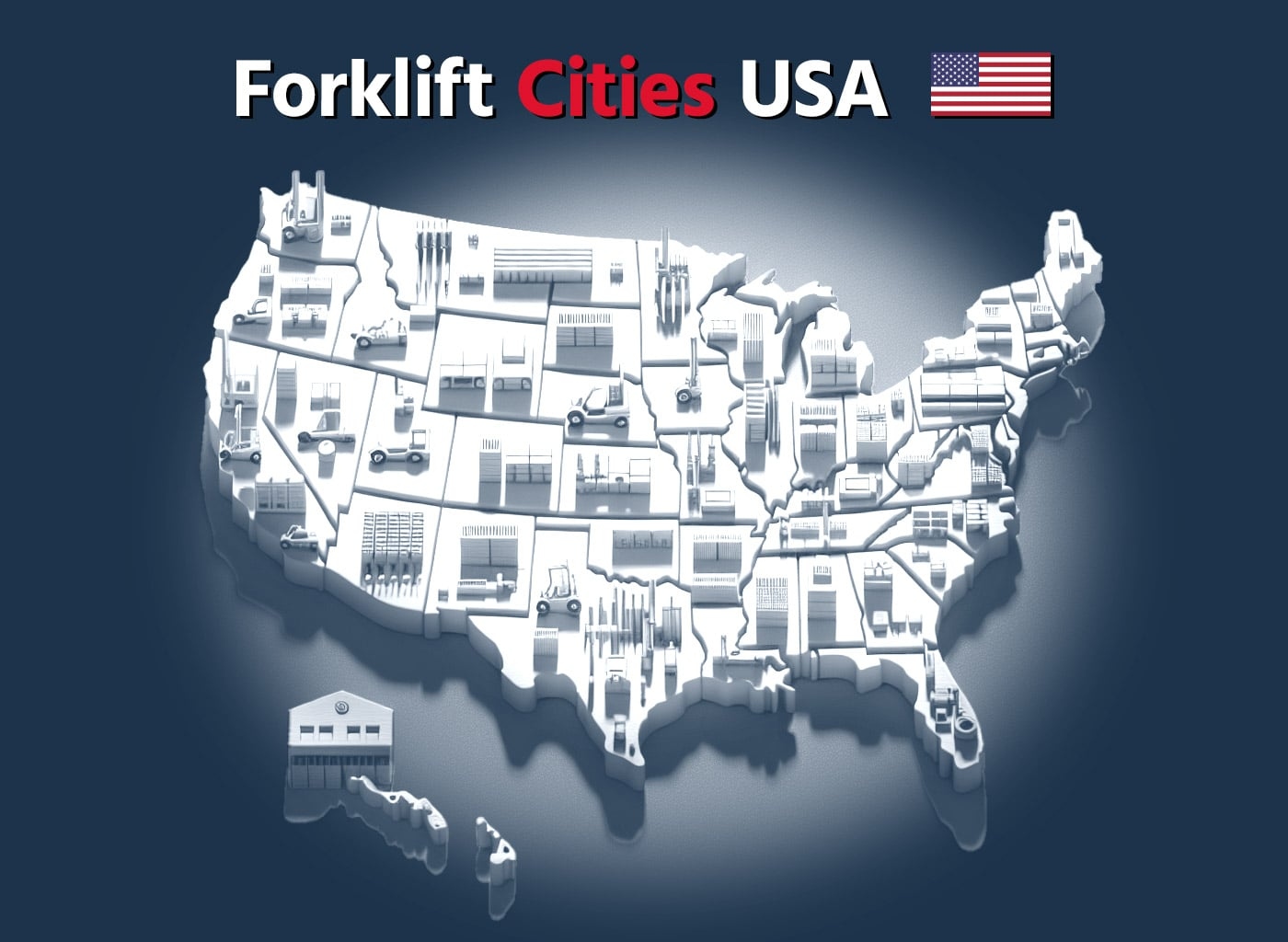
There are over 850,000 forklifts operating in the USA, supporting warehouses, factories, ports, yards, and logistics.

If a stand-up forklift tips over, do not jump out; brace yourself, hold tight, and lean away from the fall.
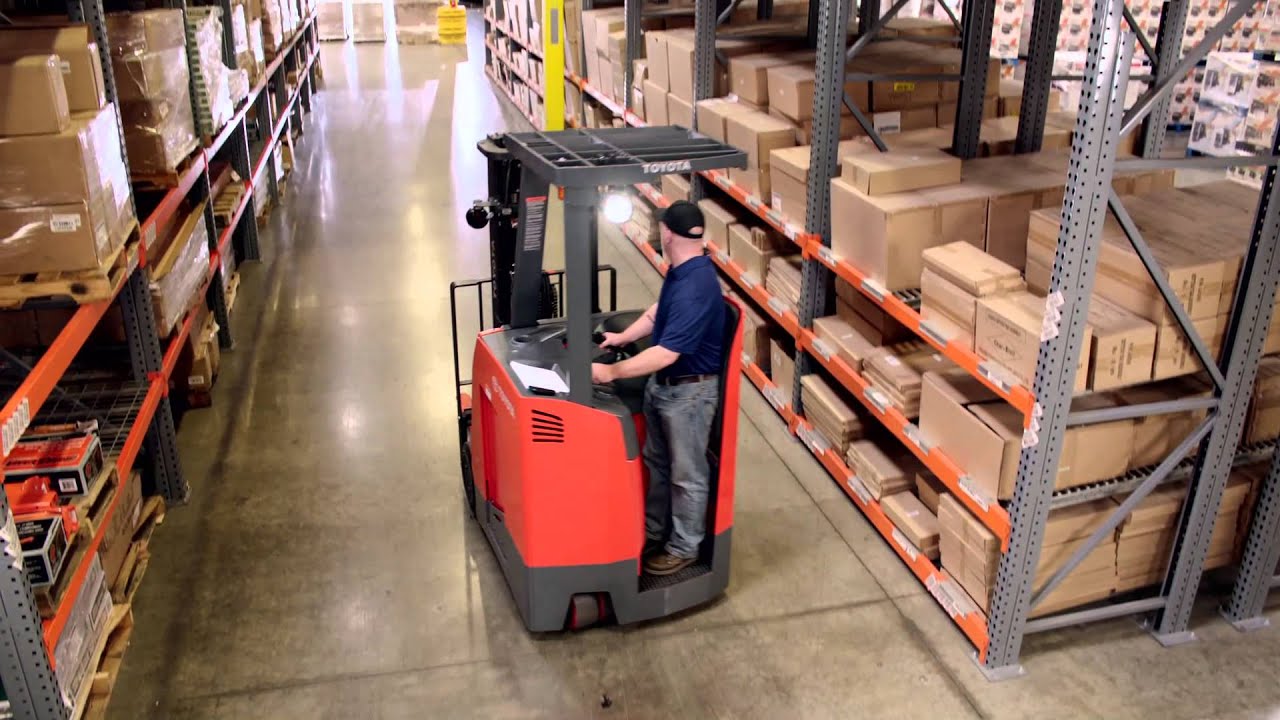
Changing stand-up forklift steering direction is not automatically illegal, but it is restricted and requires approval.

A stand-up forklift can unload a trailer when it has the right design, clearance, capacity, and dock safety setup.
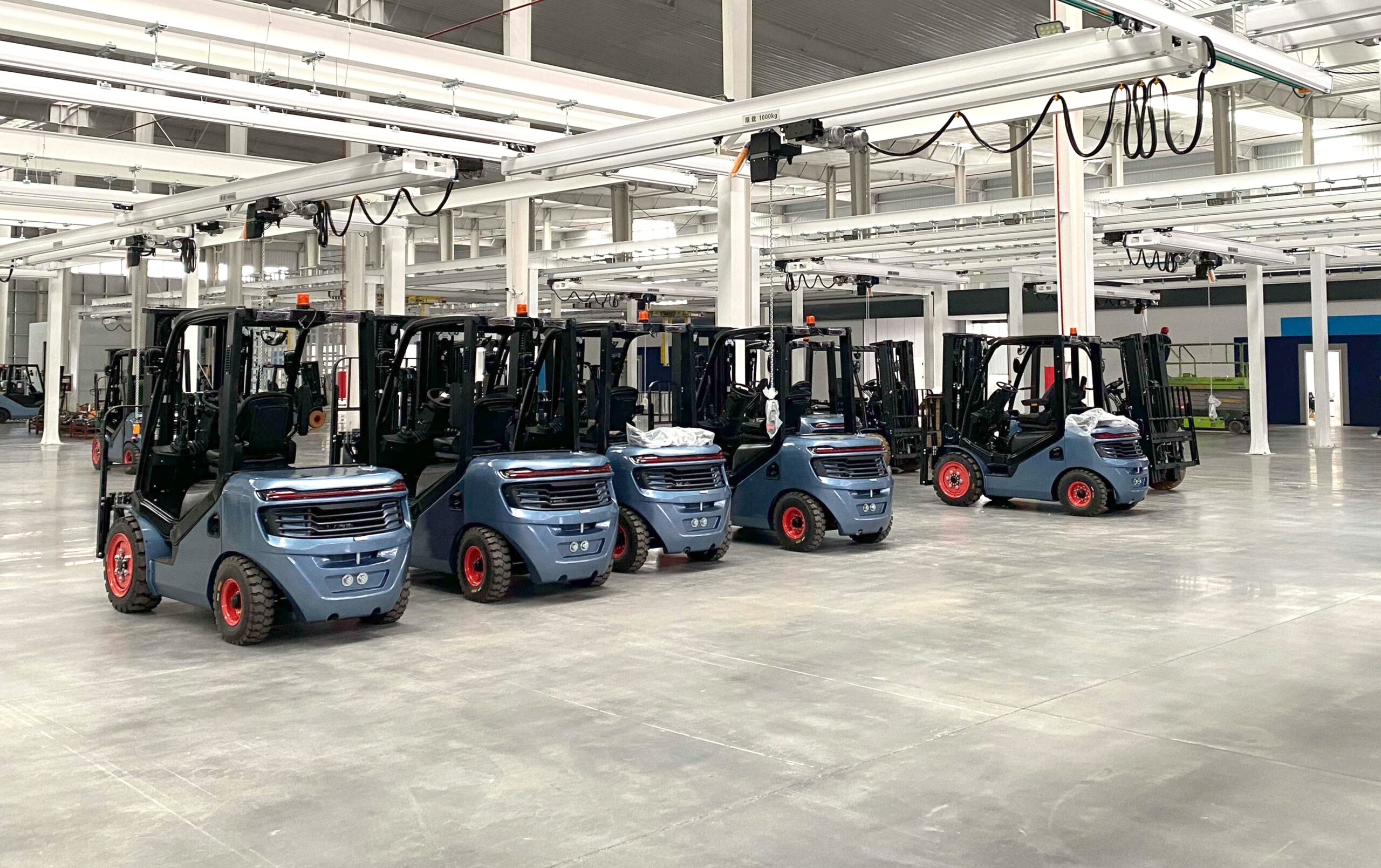
Stand-up forklifts weigh between 4,000 and 10,000 pounds, with the exact weight depending on lift capacity, battery type, mast configuration, and attachments. The battery is the largest contributor; traditional lead-acid batteries can add over 2,000 pounds, while modern lithium-ion models reduce weight by up to 40–60%. Typical weight ranges include 4,200–5,800 pounds for compact 3,000–3,500 lb capacity units, up to 7,000–9,500 pounds for heavy-duty 5,000+ lb capacity models. Understanding these weights is critical for floor load ratings, transport permitting, and safe operation. Lighter lithium-ion stand-up forklifts, such as the Liftron DL SERIES, offer easier transport, lower floor loading requirements, and improved maneuverability. Always check the manufacturer’s data plate or a certified scale for exact weight, especially when planning facility layouts or arranging shipping, as a 1,000-pound difference can significantly impact safety and compliance.
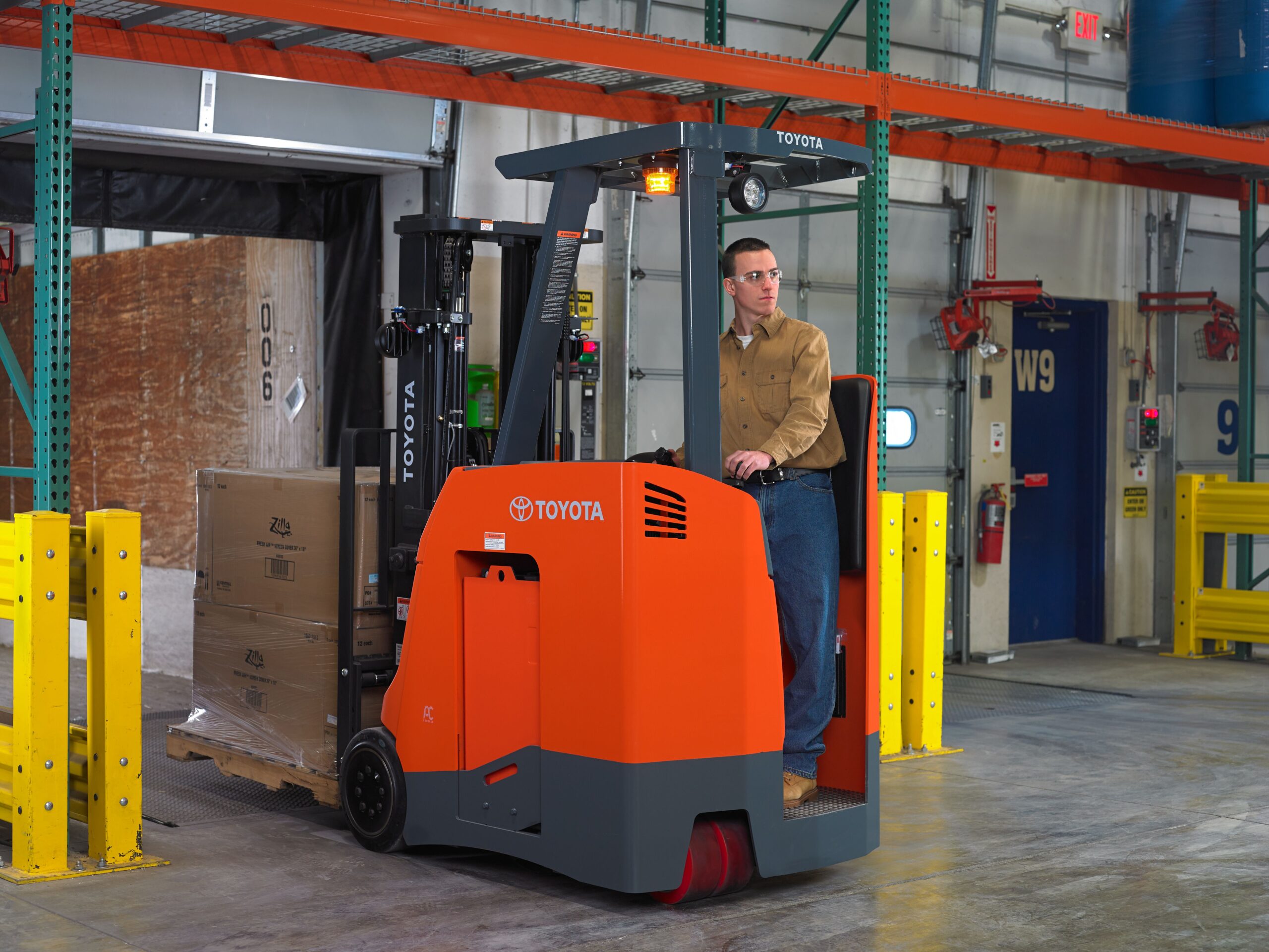
A stand-up forklift, also known as a stand-up rider forklift, is an industrial vehicle where the operator stands on a rear platform instead of sitting, enhancing visibility, maneuverability, and efficiency in tight warehouse aisles and loading docks. Unlike sit-down models, the sideways standing position allows rapid entry and exit, making it ideal for short-distance tasks like truck loading. Key features include a compact chassis, triple-stage masts, and operator restraint systems. Common applications include warehousing, retail backrooms, cross-docking, and cold storage. Compared to reach trucks and order pickers, stand-up forklifts offer improved visibility, faster entry/exit, and a tighter turning radius, but may cause operator fatigue and have lower lift heights. Modern models now include lithium-ion battery options for faster charging and reduced downtime. Proper safety training and evaluation of load capacity, lift height, and battery type are essential for selecting the right forklift.
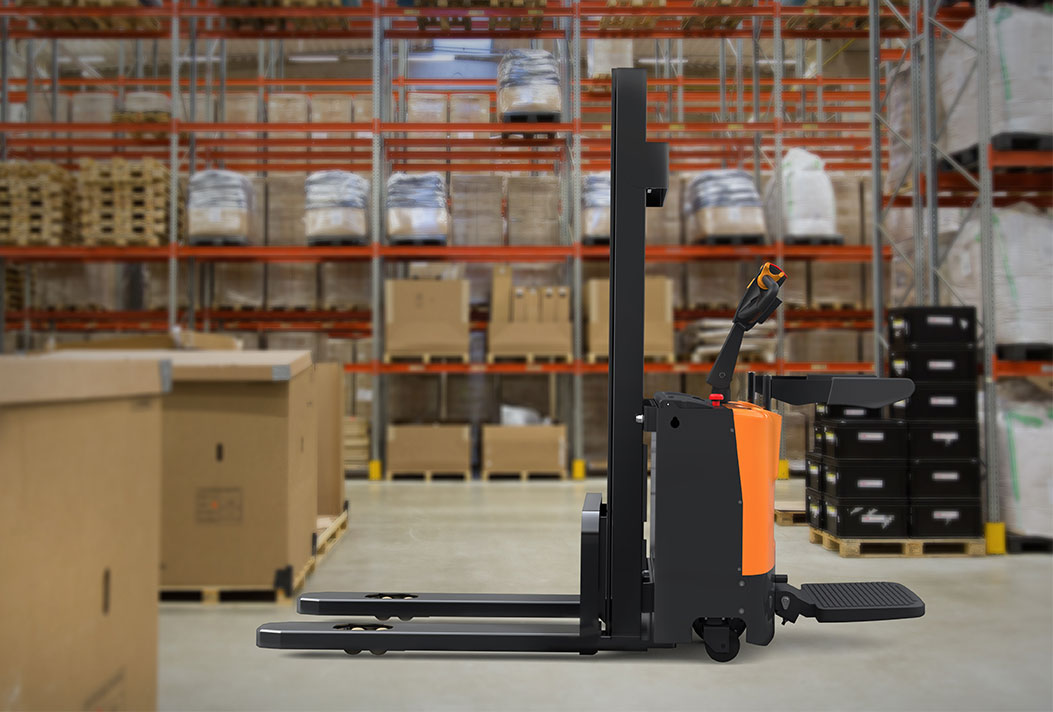
Learn to drive a stand-up forklift with confidence through this essential guide covering unique controls, balance, and safety protocols distinct from sit-down models. Stand-up counterbalance trucks offer superior maneuverability in tight warehouse aisles, and advanced models like the Liftron DL SERIES combine ergonomic design with lithium-ion technology for zero-emission, long-runtime performance. The guide details pre-operation safety inspections, proper mounting using three-point contact, and operation of tiller steering, joysticks, and pedals. Key techniques include maneuvering in narrow spaces, lifting and lowering loads with precision, traveling safely with forks low, and parking correctly. Common mistakes—such as traveling with raised loads or making sharp turns at speed—are highlighted with prevention tips. Daily maintenance, including battery care and hydraulic checks, extends equipment life. OSHA requires formal training and certification; Liftron Material Handling offers resources to help operators become proficient. Prioritize safety and efficiency to reduce accident risks and enhance warehouse productivity.
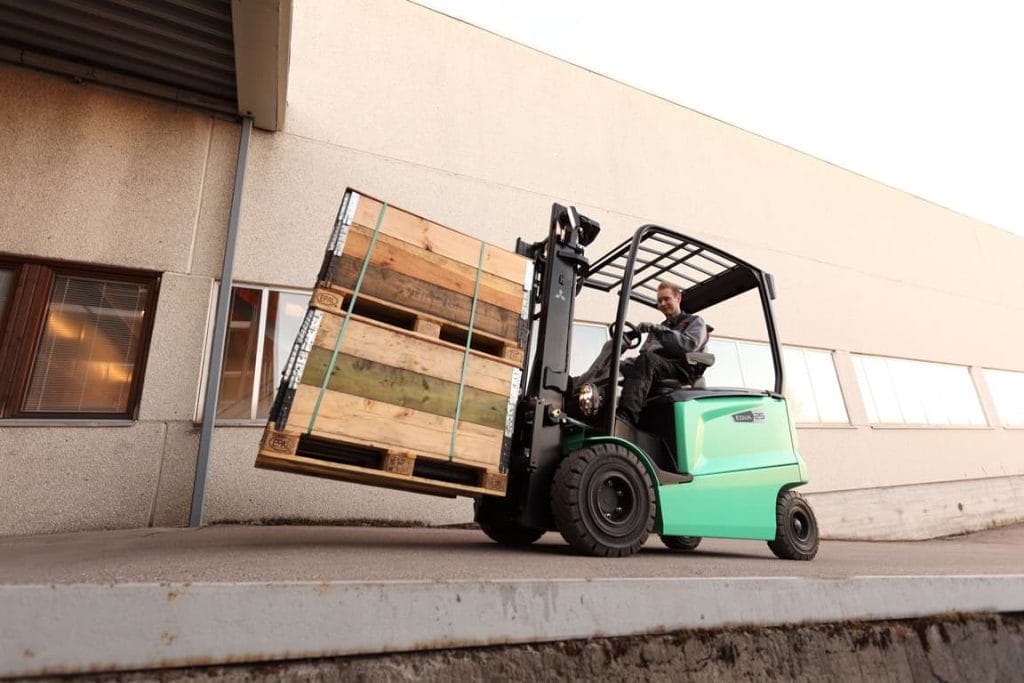
When selecting indoor electric forklifts, noise levels are critical for workplace comfort and productivity. This guide helps compare low-noise models by examining key factors like motor technology, hydraulic systems, tire composition, battery type, and chassis design that influence decibel output. Electric forklifts typically operate at 55-65 dB, significantly quieter than internal combustion models. Follow a step-by-step comparison process: check manufacturer specifications, evaluate your operational context, and test hydraulic and drive noise under load. A noise comparison table shows standard lead-acid models at 65-70 dB, the Liftron DL SERIES with lithium-ion battery and AC motor at 55-60 dB, and premium AC electric forklifts at 58-63 dB. Additional considerations include floor conditions, operator training, and long-term value from reduced employee fatigue and regulatory compliance. For maximum comfort, test multiple models in your actual environment using a decibel meter, prioritizing those consistently measuring below 60 dB.
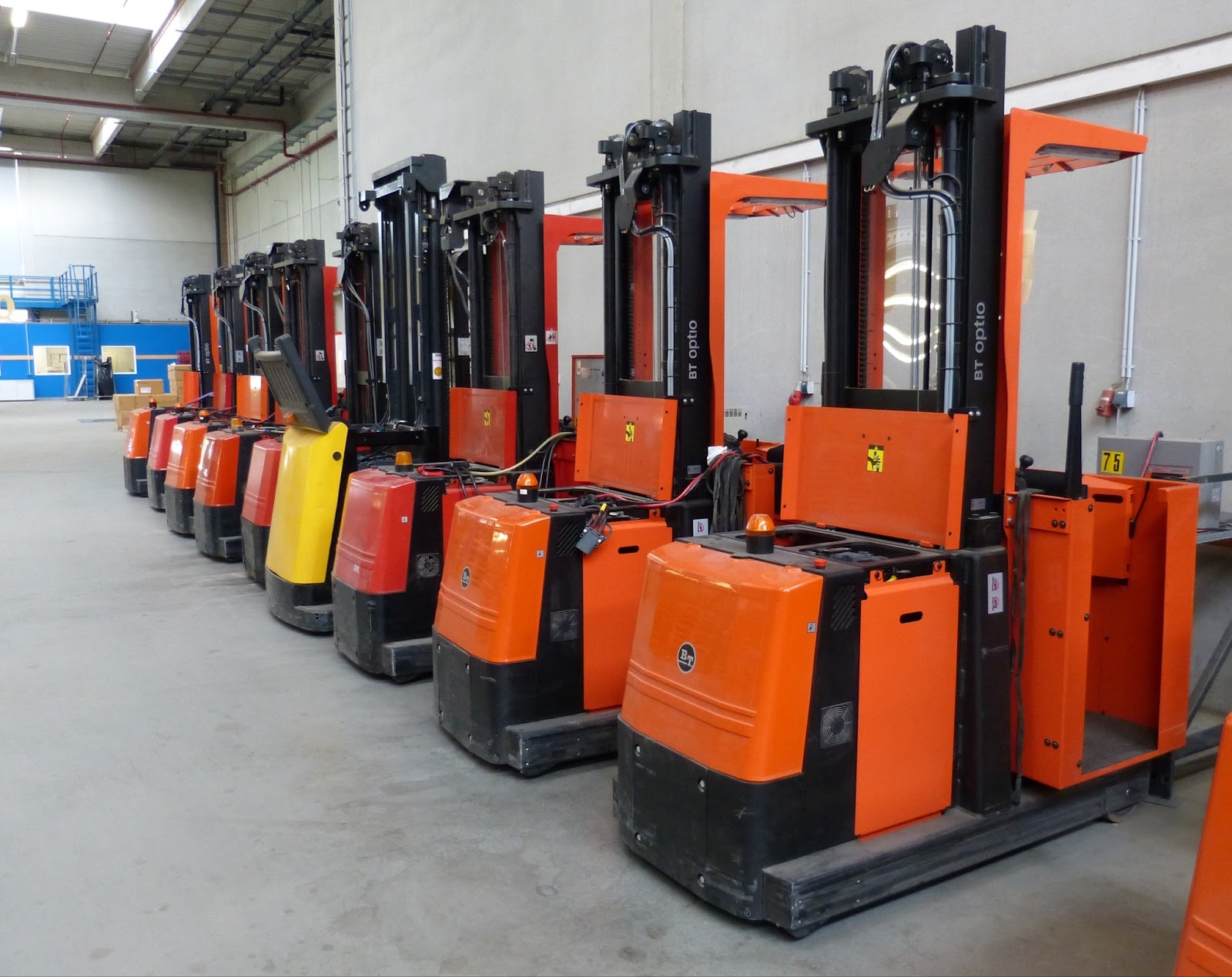
Explore the complete guide to electric forklifts for modern warehouses, covering counterbalance models, reach trucks, pallet jacks, order pickers, stackers, and tow tractors. Learn how three-wheel and four-wheel counterbalance options offer maneuverability or stability, while reach trucks excel in narrow-aisle high-density storage. Electric pallet jacks and order pickers boost horizontal transport and picking accuracy. Specialized types include rough terrain, explosion-proof, and articulated forklifts for unique environments. The guide also highlights lithium-ion battery advantages, with the Liftron DL SERIES featuring fast charging, zero emissions, and reduced maintenance. Whether for general factory use or high-level order picking, find the right electric forklift based on load capacity, lift height, and workspace layout.
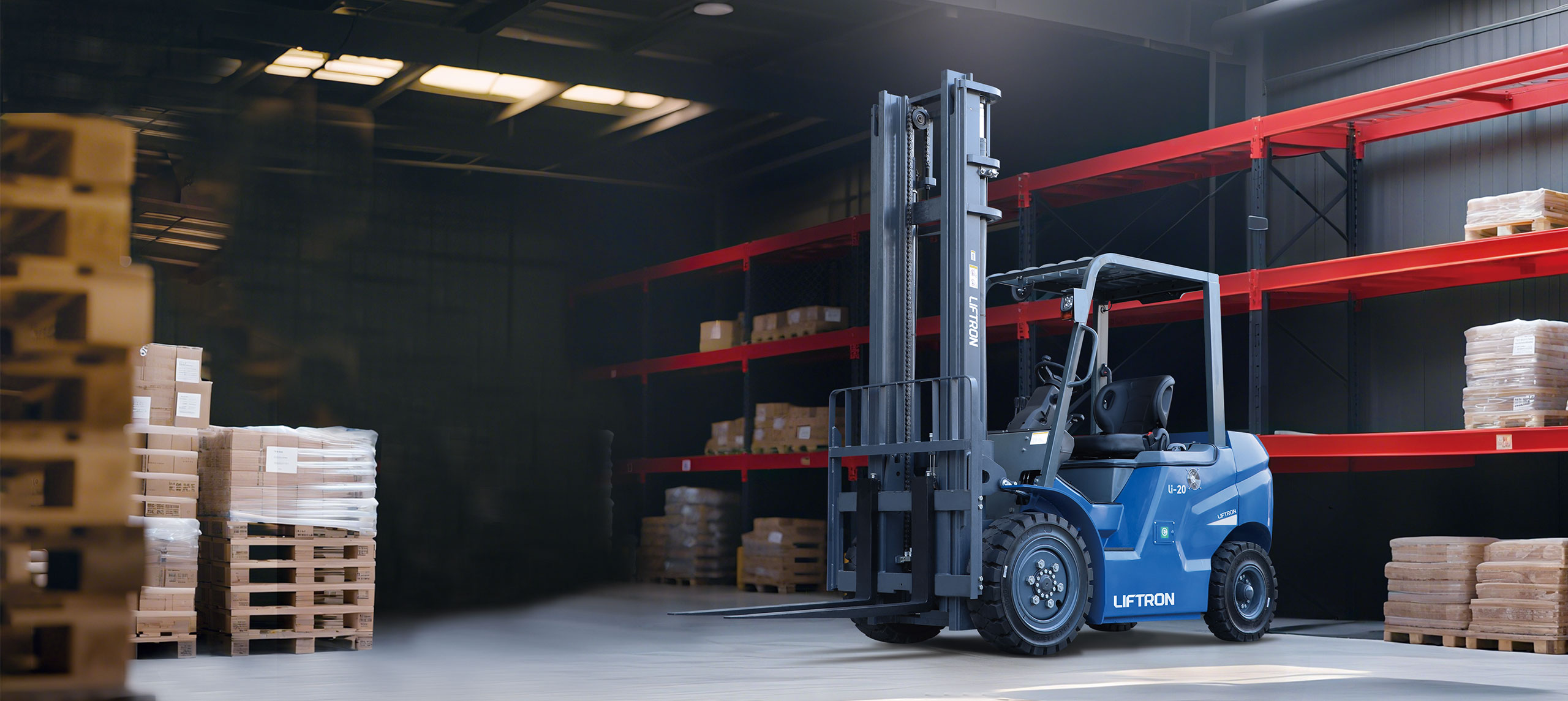
Liftron’s large electric forklifts are generally Class 1 electric motor rider trucks designed for clean, powerful material handling.