
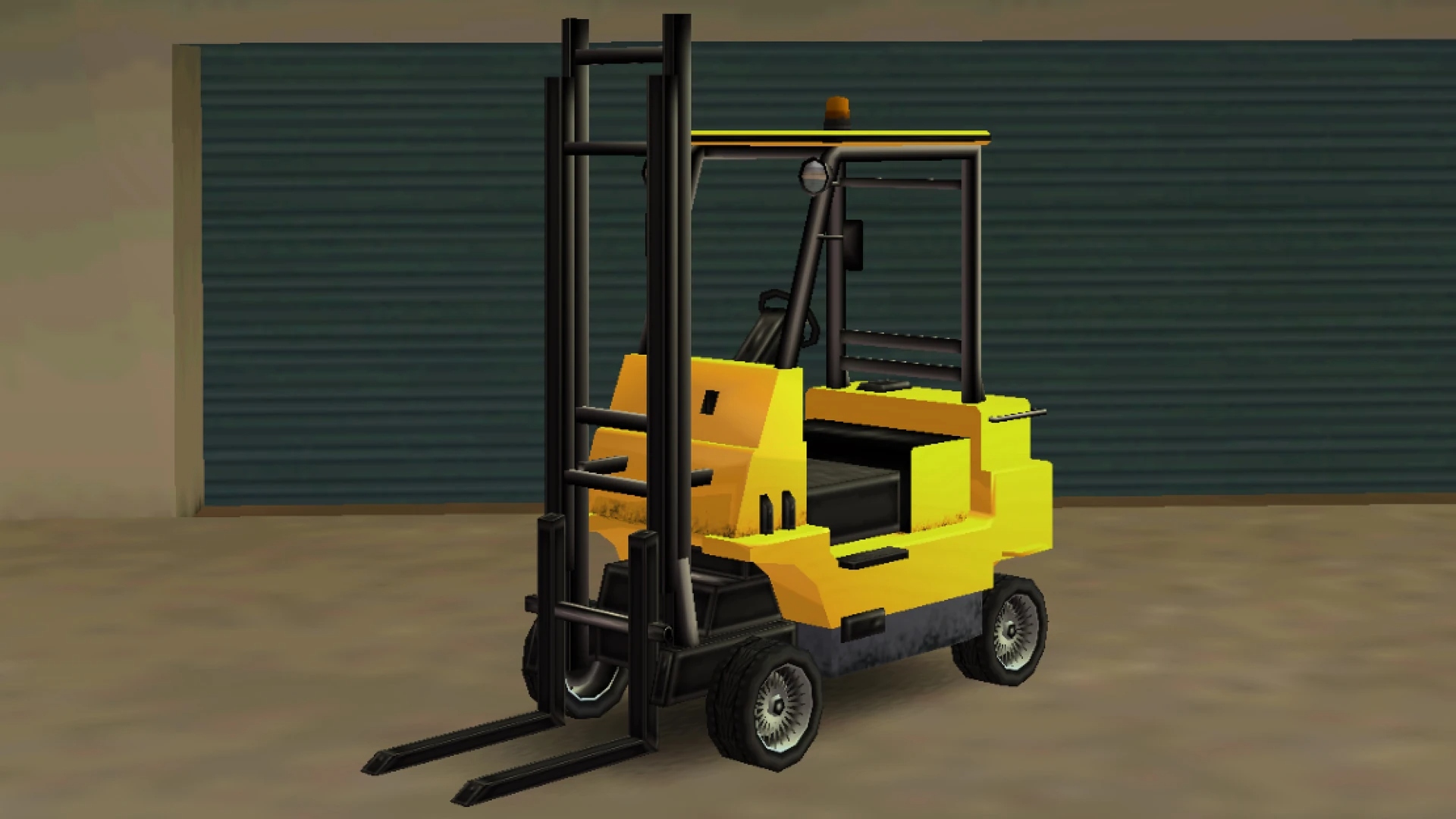
why are forklifts rear steering
Forklifts steer from the rear axle instead of the front, a design choice that dramatically enhances maneuverability in tight warehouse aisles. Unlike cars, where front wheels handle direction, a forklift’s rear wheels pivot to enable precise positioning of heavy loads.
The Core Principle of Rear Steering
In a typical vehicle, front wheels steer the direction of travel while the rear wheels follow. Forklifts invert this logic: the rear wheels turn to guide the vehicle, while the front wheels remain fixed and carry the load. This arrangement may seem counterintuitive, but it is essential for the unique operational demands of material handling.
Why Rear Steering Improves Maneuverability
Rear steering allows the forklift to pivot around its front wheels, which are positioned directly under the heavy load. This creates a tighter turning radius, enabling operators to navigate narrow aisles, dock corners, and stacked pallets with ease. Without rear steering, a front-steer forklift would require much more space to turn, reducing storage density in warehouses.
- Compact turns: The rear wheels swing wide while the front wheels act as a pivot point, reducing the turning circle.
- Load stability: Since the front axle carries the weight, steering forces do not destabilize the load during turns.
- Precision placement: Operators can inch the rear end around obstacles while keeping the forks aligned with racking.
Comparing Rear Steering vs. Front Steering in Forklifts
| Feature | Rear Steering | Front Steering |
|---|---|---|
| Turning radius | Tighter, ideal for confined spaces | Wider, requires more room |
| Load stability | More stable because load sits on fixed front axle | Less stable as load shifts with steering |
| Operator visibility | Better view of forks and load position | Reduced view due to steering mechanism near load |
| Control feel | Different from cars, requires training | Similar to driving a car |
Safety Considerations with Rear Steering
The rear end of a forklift swings outward during turns. This “tail swing” requires operators to be aware of surrounding racks, personnel, and walls. Proper training and operator awareness are crucial. Many modern forklifts, including models from Liftron Material Handling, incorporate safety features such as enhanced rear visibility sensors and automatic speed reduction during tight turns to mitigate risks.
Understanding Tail Swing
While the front of the forklift stays close to the rack, the rear of the machine moves in a wider arc. Beginners often misjudge this, leading to collisions. Rear steering inherently creates this geometry, but operators quickly adapt with practice. The trade-off is worth it: the ability to work in narrower aisles directly translates to higher storage capacity and operational efficiency.
How Rear Steering Relates to Load Counterbalance
Forklifts are counterbalanced machines. The heavy counterweight at the rear offsets the load weight at the front. Rear steering places the steering mechanism away from the load center, reducing mechanical stress on the steering system. This arrangement also allows the mast and carriage to be built robustly without interfering with steering components, a design principle seen in the Liftron DL SERIES lithium-ion forklifts, which combine rear steering with electric drivetrains for smooth, precise control.
Common Myths About Rear Steering
- Myth: Rear steering is less stable. Reality: It increases stability because the load sits on the fixed front axle.
- Myth: It is hard to learn. Reality: While different from car steering, operators become proficient quickly with minimal training.
- Myth: Only older forklifts use rear steering. Reality: Almost all counterbalance forklifts, including modern electric and lithium-ion models, use rear steering.
Technological Advancements in Rear Steering Systems
Modern forklifts integrate electronic steering controls that reduce physical effort and respond to operator input instantly. Some advanced models feature steer-by-wire technology, which eliminates mechanical linkages and allows for programmable steering sensitivity. The Liftron DL SERIES exemplifies this evolution, offering precise rear steering calibration that improves both comfort and efficiency in high-density warehouses.
Lithium-Ion and Rear Steering Synergy
Battery-powered forklifts benefit from rear steering because the heavy battery pack can be centrally positioned for optimal stability. Electric motors integrated into the rear axle provide instant torque for steering without hydraulic pumps. This reduces energy consumption and maintenance needs, making models like the Liftron DL SERIES particularly attractive for indoor operations where clean, quiet, and agile equipment is required. Liftron Material Handling offers multiple configurations to suit different warehouse layouts, all utilizing rear steering as a core design principle.
Training and Adaptation
While rear steering is intuitive once experienced, proper training programs are essential. Operators must learn to anticipate the rear swing path and position the forklift accordingly. Simulation-based training, now available for many forklift models, helps new drivers gain confidence in rear-steer maneuvers before operating on the warehouse floor. The consistent steering geometry across Liftron Material Handling equipment ensures that trained operators can transition between different models with minimal adjustment.
Conclusion
Rear steering is not a quirk but a deliberate engineering choice that optimizes forklifts for their primary role: safely and efficiently moving heavy loads in tight spaces. By placing the steering axle at the rear, manufacturers like Liftron Material Handling create machines that turn sharply, stay stable under load, and give operators clear visibility of the forks. The Liftron DL SERIES integrates this proven design with modern lithium-ion power, demonstrating how a century-old concept continues to evolve with new technology. Understanding why forklifts use rear steering helps operators, fleet managers, and warehouse designers make better decisions about equipment selection and layout planning.


Add a review
Your email address will not be published. Required fields are marked *