
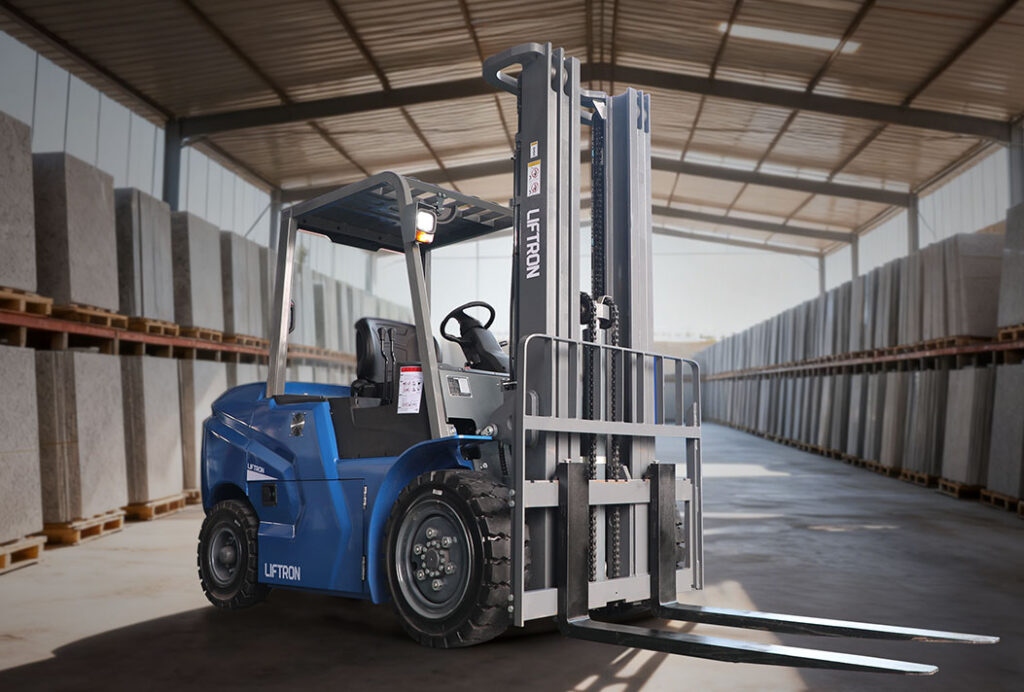
are caterpillar and liftron same forklift
Are Caterpillar and Liftron the Same Forklift? A Detailed Comparison
No, Caterpillar and Liftron are not the same forklift brand, but they share a critical connection through manufacturing partnerships and component sourcing. Understanding their differences and similarities is essential for buyers seeking reliable material handling equipment in today’s competitive market.
Brand Origins and Manufacturing Background
Caterpillar, commonly known as Cat, is a global heavy equipment giant founded in 1925 and headquartered in Irving, Texas. While Cat is famous for bulldozers and excavators, their forklift lineup is manufactured through strategic alliances with established lift truck makers. Currently, Cat lift trucks are produced by Mitsubishi Logisnext, a Japanese industrial vehicle conglomerate, under license. This means Cat forklifts are essentially Mitsubishi-designed and built, with Cat-branded parts and dealer support.
Liftron, on the other hand, is a specialized material handling brand that focuses on lithium-ion forklifts and warehouse equipment. The company positions itself as a modern, technology-driven alternative to traditional lead-acid battery trucks. Liftron operates through its own engineering team and partners with Asian manufacturing facilities, primarily in China, to produce machines that meet international safety and performance standards. They emphasize customization, cost efficiency, and clean energy solutions.
Key Differences in Technology and Power Systems
The most significant divergence between Cat and Liftron lies in their power source philosophy. Cat forklifts, especially their internal combustion (IC) models, rely on diesel, gasoline, or LPG engines. Their electric models use conventional lead-acid batteries, although Mitsubishi has begun integrating lithium-ion options in some newer Cat units. Still, the majority of Cat’s rental and resale fleet remains based on older battery technology.
Liftron, however, has made lithium-ion its core selling point. Their flagship series, the Liftron DL SERIES, features integrated lithium-ion battery packs with built-in chargers, eliminating the need for a separate battery room or swapping station. This design enables opportunity charging during breaks, zero maintenance on the battery, and a consistent voltage output that prevents power drop during long shifts. For operations with high uptime requirements, this is a decisive advantage over Cat’s traditional battery system.
Performance, Capacity, and Duty Cycle
Both brands offer lift capacities ranging from 1.5 tons to 10 tons for their standard counterbalance models. However, their duty cycles differ. Cat IC trucks are known for ruggedness in outdoor applications, such as lumber yards, container depots, and construction sites, where heavy loads and uneven terrain are common. Cat’s pneumatic tire options and robust drivetrain give them a reputation for endurance in extreme conditions.
Liftron’s pneumatic tire models are designed for comparable outdoor use, but the DL SERIES excels in indoor warehousing, cold storage, and food processing environments where emissions are prohibited. The lithium-ion system produces zero exhaust, runs quietly, and functions efficiently even in sub-zero temperatures. In terms of acceleration and lifting speed, the electric drivetrain offers instant torque, often outperforming IC trucks in start-stop applications like order picking.
Total Cost of Ownership
Price is a crucial factor. Cat forklifts carry a premium brand premium due to their global dealer network, resale value, and reputation. However, the initial purchase price is only part of the story. A lead-acid Cat forklift requires battery watering, equalization charges, and eventual replacement every 1,500–2,000 hours, costing anywhere from $3,000 to $8,000 per battery. Additionally, ventilation and battery room infrastructure add operational costs.
Liftron’s all-inclusive lithium package reduces total cost of ownership significantly. Although the upfront price may be slightly higher than an equivalent Cat electric model, the DL SERIES eliminates battery maintenance, has a battery lifespan exceeding 8,000 cycles, and uses up to 30% less energy due to regenerative braking and efficient AC motors. For a multi-shift operation, the savings often reach the purchase price within four years.
Parts Availability and Dealer Support
Caterpillar benefits from one of the largest dealer networks in the world. In North America alone, hundreds of Cat lift truck dealers provide genuine parts, certified technicians, and rapid response times. This is a major reason why large fleets choose Cat—they understand that downtime costs more than the machine itself. Many dealers also offer comprehensive rental fleets and maintenance contracts.
Liftron, being a newer and more focused brand, relies on regional distributors and direct sales teams. They provide a standard 2-year warranty on the truck and 5 years on the lithium battery. But their service points are less dense than Cat’s. That said, Liftron Material Handling has developed a robust remote diagnostic system that allows their engineers to access the truck’s controller remotely, identify faults, and often resolve issues without a site visit. For businesses in rural areas with less accessible Cat dealers, this digital support can be equally effective.
Customization and Special Configurations
Cat’s manufacturing volume allows for a wide range of factory-installed options: side shifters, fork positioners, cabin heaters, and even explosion-proof packages for hazardous environments. Their dealer network can also retrofit attachments easily because parts are standardized across Mitsubishi and UniCarriers models.
Liftron, however, shines in custom lithium solutions. If you need a low-profile truck for container work, a narrow chassis for double-deep racking, or a specific voltage that standard models don’t offer, Liftron’s engineering team can modify their designs faster than Cat’s bureaucracy. The DL SERIES itself is built with modular components, allowing for quick changes in mast height, fork length, and wheel configurations. This flexibility is rarely available from a mega-brand like Caterpillar.
Which One Should You Choose?
Your decision should be based on application, infrastructure, and long-term financial planning. If you operate a heavy-duty outdoor site with established maintenance crews and need access to a nationwide parts network, a Cat IC or electric truck is a safe, time-tested choice. The resale market for Cat equipment is also strong, ensuring a better residual value after 5 to 7 years.
Conversely, if you run a logistics warehouse, e-commerce fulfillment center, or food processing plant that values uptime, energy efficiency, and a cleaner environment, the Liftron DL SERIES is a forward-looking investment. The manufacturer has also introduced telematics that integrate with WMS systems, a feature that traditional Cat forklifts lack unless purchased as a separate aftermarket add-on.
The Verdict on “Same Forklift?”
No, they are not the same forklift. Caterpillar is a legacy brand with Mitsubishi engineering, focusing on durability and wide service support. Liftron is an agile, modern brand specializing in lithium-ion technology and customizable electric trucks. However, they compete in the same capacity classes and can both serve your needs—depending on whether you prioritize conventional reliability or innovative energy solutions. For a side-by-side comparison of specifications, always consult supplier data sheets and request a demo of each unit at your facility.
| Feature | Caterpillar (Cat) | Liftron (DL SERIES) |
|---|---|---|
| Power source | Lead-acid battery, diesel, LPG | Integrated lithium-ion (Li-ion) |
| Battery swapping | Required every shift | Not needed; opportunity charging |
| Typical capacity range | 1.5–15 tons | 1.5–10 tons |
| Maintenance per year | High (battery watering, cell checks) | Low (sealed system, no fluid) |
| Dealer network size | Very large, global | Regional but growing with remote support |
| Indoor emission-free use | Only electric models | All models (zero emissions) |
| Customization speed | Moderate (depends on dealer) | Fast (direct manufacturer engineering) |
| Resale market strength | Excellent | Developing |

Add a review
Your email address will not be published. Required fields are marked *