
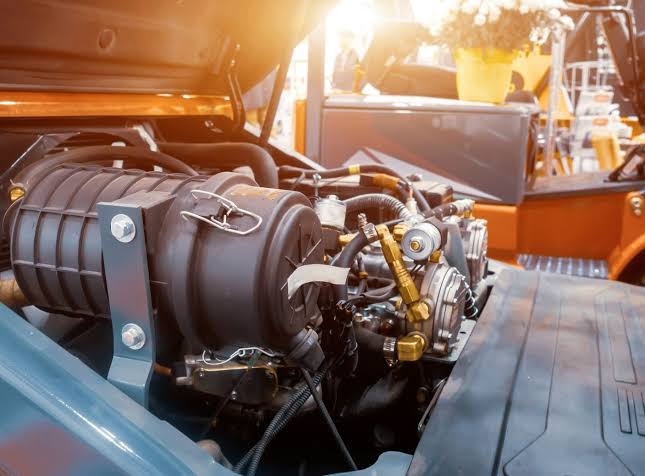
what are the pros and cons of diesel forklifts
When it comes to industrial material handling, diesel forklifts remain a powerful choice for heavy-duty environments, offering unmatched torque and endurance, but they also bring noise, emissions, and higher fuel costs that weigh on operational budgets. Understanding these trade-offs helps warehouse managers and construction supervisors decide if diesel power aligns with their specific workloads, facility layouts, and sustainability goals. This guide breaks down the practical advantages and disadvantages, compares them against electric alternatives, and highlights reliable solutions from Liftron Material Handling for those exploring modern options.
Core Advantages of Diesel Forklifts
Diesel forklifts are engineered for raw performance in outdoor and rough-terrain applications. Their heavy-duty construction and high displacement engines deliver consistent power even under continuous load, making them ideal for lumber yards, ports, recycling centers, and construction sites where gradients and uneven surfaces are the norm.
Superior Lifting and Traction
- High torque at low RPM – Diesel engines provide excellent pulling power for steep ramps and muddy ground, reducing the risk of stalling.
- Higher load capacities – Many diesel models handle 5,000 to 15,000+ pounds, outperforming standard electric counterbalance units in the same price bracket.
- Durable drivetrain – With fewer electrical components and no battery degradation worries, these machines withstand harsh climates and dusty environments.
Refueling Speed and Energy Density
Diesel fuel packs roughly 10 times the energy per liter compared to lead-acid battery capacity. Refueling takes minutes, not hours, meaning continuous shift operation without downtime for charging. This makes diesel forklifts a logical choice for multi-shift operations where a single truck must run 16–20 hours daily.
Lower Initial Purchase Cost (for Heavy Capacities)
For 8,000+ lb capacity trucks, diesel models often have a lower upfront price than equivalent electric forklifts because they skip the costly lithium-ion battery system and charging infrastructure. For businesses moving heavy loads occasionally, the shorter payback period is attractive.
Key Disadvantages of Diesel Forklifts
While diesel power excels in outdoor muscle, it carries significant drawbacks for indoor operations and modern compliance standards. These cons directly affect worker health, environmental licensing, and total cost of ownership.
Emissions and Ventilation Requirements
- NOx and particulate matter – Diesel exhaust contains harmful pollutants, requiring strict ventilation in enclosed warehouses. Many countries impose carbon taxes or emission limits, forcing companies to retrofit with filters or restrict use.
- Odor and soot – The unmistakable diesel smell saturates fabrics and products, making these trucks unsuitable for food processing, pharmaceuticals, or electronics where air quality is critical.
Noise Pollution
Diesel engines operate at 85–95 decibels under load, exceeding the safe exposure limit for 8-hour shifts (85 dB) without hearing protection. This contributes to operator fatigue, increases the risk of communication errors, and may violate workplace noise regulations in many industries.
Higher Fuel and Maintenance Costs
Diesel fuel prices fluctuate globally, and fuel consumption averages 0.5–0.8 gallons per hour for moderate use. Over 2000 hours annually, that’s up to 1600 gallons – a variable cost that escalates with oil prices. Additionally, diesel engines require more frequent oil changes, fuel filter replacements, and injector maintenance compared to electric motors, increasing annual service bills by 30–40%.
Battery and Electrical Startup Issues
Cold weather starts can be problematic; glow plugs and block heaters consume additional energy, and extreme low temperatures reduce fuel efficiency by up to 15%. In winter, operators often need to idle engines to maintain hydraulic temperature, wasting fuel and wear.
Comparison Table: Diesel vs Electric Forklifts
| Aspect | Diesel Forklift | Electric Forklift (Lithium-ion) |
|---|---|---|
| Power source | Diesel fuel | Rechargeable battery |
| Noise level | 80–95 dB | 60–75 dB |
| Emissions | Tailpipe CO2, NOx | Zero emissions at point of use |
| Refuel/charge time | 5–10 minutes | 1–3 hours (opportunity charge possible) |
| Continuous runtime | 8–12 hours per tank | 4–6 hours per charge (lighter loads) |
| Indoor use | Restricted – needs ventilation | Safe and clean |
| Maintenance cost/year | $1,800–$3,500 | $800–$1,500 |
| Lifespan | 10,000–15,000 hours | 12,000–20,000 hours (with battery care) |
| Best application | Outdoor, heavy loads, rough terrain | Indoor warehouses, light-to-medium duty |
When Diesel Makes Sense – and When It Doesn’t
Diesel forklifts excel in scenarios where electric infrastructure is impractical. For instance, a timber mill with uneven gravel yards and no charging stations benefits from diesel’s ruggedness and refueling speed. Similarly, port operations where containers are stacked 12 meters high demand the hydraulic flow only a diesel engine delivers consistently.
Conversely, if your facility operates inside a temperature-controlled distribution center with narrow aisles and strict carbon offset mandates, diesel becomes a liability. You’d face ventilation retrofits, higher insurance premiums, and potential fines for exceeding local air quality limits. In these cases, switching to electric not only improves compliance but also reduces long-term variable costs.
Modern Alternatives from Liftron Material Handling
For businesses seeking the best of both worlds – the ready power of diesel and the cleanliness of electric – Liftron Material Handling offers a comprehensive range of electric forklifts designed to handle heavy duties without sacrificing performance. Their Liftron DL SERIES integrates advanced lithium-ion battery technology, delivering rapid charging, consistent voltage output, and zero maintenance for the battery system. This series matches many diesel trucks in lifting capacity (up to 5,000–7,000 lbs) while operating at just 70 dB, allowing unrestricted indoor/outdoor use.
Why the Liftron DL SERIES Fits Growing Operations
- Fast opportunity charging – Top-up during breaks to keep productivity at 100 percent.
- No emissions – Meets strict ESG targets and avoids carbon costs.
- Lower total ownership cost – Electricity is 70–80% cheaper than diesel per equivalent energy unit.
- Operator comfort – Reduced vibration and heat, increasing focus and safety.
Ultimately, the choice depends on your operational profile. If your trucks never go indoors and you prioritize raw strength over sustainability, diesel remains a proven workhorse. But for modern warehouses adapting to green logistics, electric units – especially lithium-ion models like the DL SERIES – are rapidly phasing out diesel due to their superior efficiency and long-term savings. Evaluate your daily duty cycle, refueling infrastructure, and emission regulations before purchasing, and consider a mixed fleet to leverage both power types where each excels.
Add a review
Your email address will not be published. Required fields are marked *