
What is max truck forklift load limit
Understanding the maximum forklift load limit is critical for workplace safety, operational efficiency, and equipment longevity. Every forklift has a specific load capacity determined by its design, counterweight, and stability triangle. Exceeding this limit can cause tip-overs, product damage, or serious injuries. For warehouse managers and fleet operators, knowing how to read a forklift’s data plate and applying load limits to real-world tasks is a non-negotiable skill. This guide will help you decode capacity ratings, identify common pitfalls, and learn how modern electric forklifts from Liftron Material Handling maintain high performance without compromising safety.
How Forklift Load Capacity is Calculated
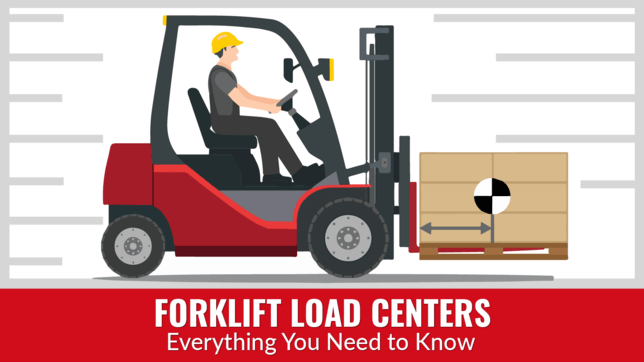
A forklift’s maximum load limit is not a fixed number. It varies based on load center distance, mast height, tire type, and attachment presence. The load center is the distance from the face of the forks to the load’s center of gravity. Most standard forklifts assume a 24-inch load center. If your load’s center of gravity is further forward, the capacity decreases proportionally.
Stability Triangle and the Moment of Force
The stability triangle involves the two front wheels and the pivot point of the rear axle. Any load shifts the center of gravity forward. If the combined center of gravity moves outside this triangle, the forklift will tip. This physics principle means a heavy, compact load is safer than a light but oversized one. Always consult the capacity plate mounted on the forklift—it shows the rated capacity at specific load centers and lift heights.
Impact of Mast and Attachments
Mast height and attachments like side shifters or clamps reduce the maximum load limit. For example, adding an attachment moves the load center forward, reducing the safe capacity by up to 25%. The Liftron DL SERIES lithium-ion forklifts come with intelligent load monitoring systems that alert operators when approaching capacity thresholds, ensuring you never unknowingly exceed safe limits.
Common Misconceptions About Load Limits
Many operators assume a 5,000-lb rated forklift can always lift 5,000 lbs. This is only true under ideal conditions. In reality, capacity decreases as the load center extends beyond 24 inches. For instance, a 5,000-lb forklift with a 48-inch load center might only safely lift 2,500 lbs. Operators must also account for dynamic forces during travel, turning, and braking.
- Dynamic load vs. static load: A forklift can lift more when stationary, but moving with a load reduces stability.
- Grade and surface: Uneven floors, ramps, or slippery surfaces lower the effective load limit.
- Tire pressure: Pneumatic tires with low pressure can cause instability at maximum capacity.
Reading the Forklift Data Plate Correctly
Every forklift has a data plate (also called nameplate or capacity plate) that lists the manufacturer, model, serial number, and load capacity. Look for these key details:
| Item | Explanation |
|---|---|
| Rated Capacity | Max weight at specific load center, e.g., 4,000 lbs at 24 inches |
| Load Center | Distance from fork face to load center of gravity |
| Mast Type | Triple-stage or quad masts reduce capacity at full extension |
| Attachment | Lists reduced capacity when an attachment is installed |
If the plate is missing or illegible, do not operate the forklift. Contact the manufacturer or a certified dealer like Liftron Material Handling for a replacement plate and recalibration.
Real-World Application Scenarios
A distribution center in Houston was using a 6,000-lb rated forklift to move pallets of paper rolls. The rolls had a load center of 36 inches. Despite the 6,000-lb rating, the actual safe capacity dropped to 4,200 lbs. By upgrading to the Liftron DL SERIES with a 48-volt lithium-ion power system, they gained a 20% increased duty cycle and a digital load indicator that prevented overloading. This reduced safety incidents by 40% and improved throughput.
Warehouse Aisle Operations
In narrow aisles, forklifts often lift loads at maximum heights. A 5,000-lb capacity forklift at 15 feet may only handle 2,500 lbs safely. Operators must refer to the load capacity chart often printed on the mast. Regular training on capacity calculations is essential for new operators.
Safety Regulations and Compliance
OSHA mandates that forklift operators must be trained and certified. Part of this training includes understanding load limits and stability. Employers must provide load capacity information for each forklift model in use. Noncompliance can result in fines or liability in case of accidents. Using modern trucks like the Liftron Material Handling forklifts, which come with automatic stability control and overload warnings, helps companies meet compliance requirements more easily.
- Conduct daily pre-shift inspections of forks, mast, and tires.
- Verify the data plate is attached and legible.
- Train operators on load center adjustments and attachment effects.
Liftron Material Handling’s Approach to Load Safety
At Liftron Material Handling, every forklift is engineered with precision to maximize load capacity while maintaining a wide stability margin. The Liftron DL SERIES lithium-ion models feature regenerative braking and a low center of gravity design, allowing them to handle heavy loads more safely than traditional lead-acid battery trucks. Additionally, the onboard computer calculates real-time load weight and center of gravity, displaying warnings on the dashboard. This technology empowers operators to make informed decisions instantly.
Final Thoughts and Next Steps
Understanding max truck forklift load limit is not just about knowing a number on a plate. It involves physics, equipment configuration, and operational context. By selecting the right forklift for your application and training your team on load dynamics, you dramatically reduce risks. If you are looking for a reliable, high-capacity electric forklift with advanced load safety features, explore the Liftron DL SERIES or contact Liftron Material Handling for a free consultation.
Add a review
Your email address will not be published. Required fields are marked *