what is material handling equipment in a warehouse

what is material handling equipment in a warehouse

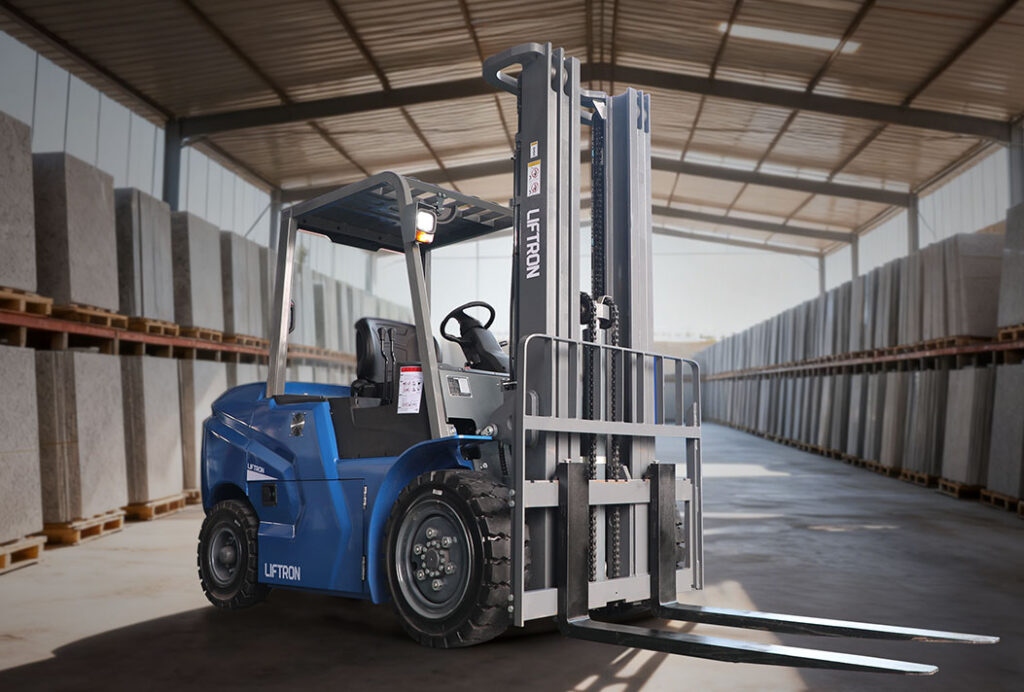
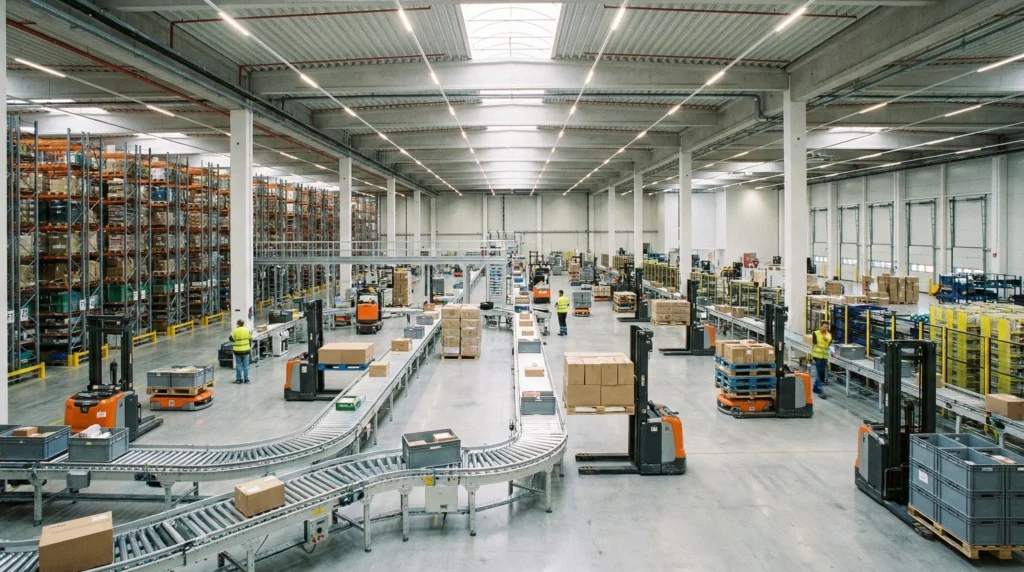
Discover the essential guide to warehouse material handling equipment, covering storage systems, conveyors, forklifts, AGVs, and dock gear. Learn how modern solutions like the lithium-ion powered Liftron DL SERIES enhance productivity, safety, and space utilization. This overview breaks down key selection factors—load capacity, aisle width, environment, and throughput—while highlighting benefits such as reduced cycle times, lower injury risks, and improved inventory accuracy. Explore the shift to lithium-ion technology, future trends in automation and IoT, plus maintenance best practices to maximize equipment lifespan. Ideal for logistics managers seeking to optimize operations and stay competitive in e-commerce and same-day delivery markets.
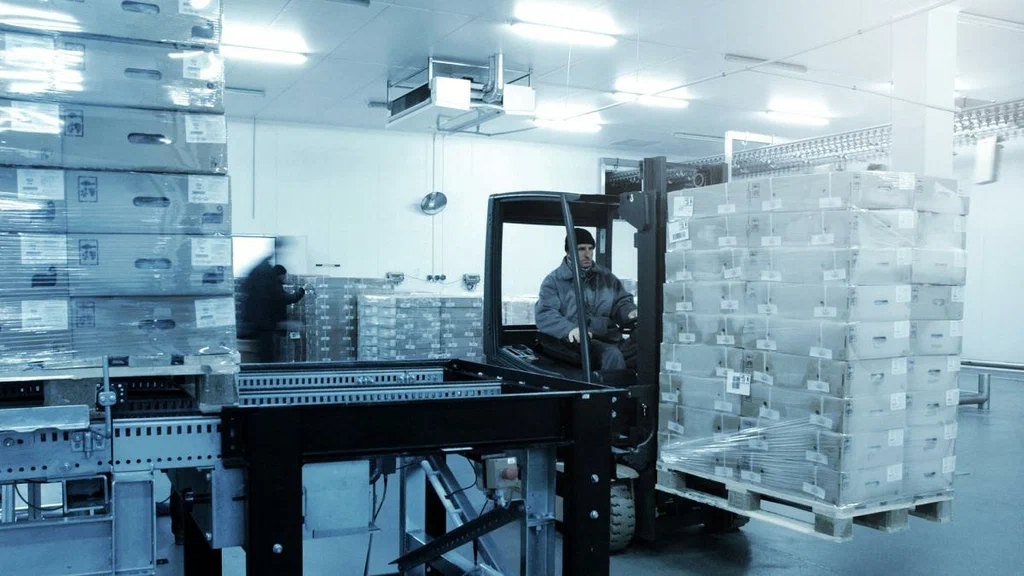
forklift solutions for ports and heavy shipping yards

forklift solutions for ports and heavy shipping yards

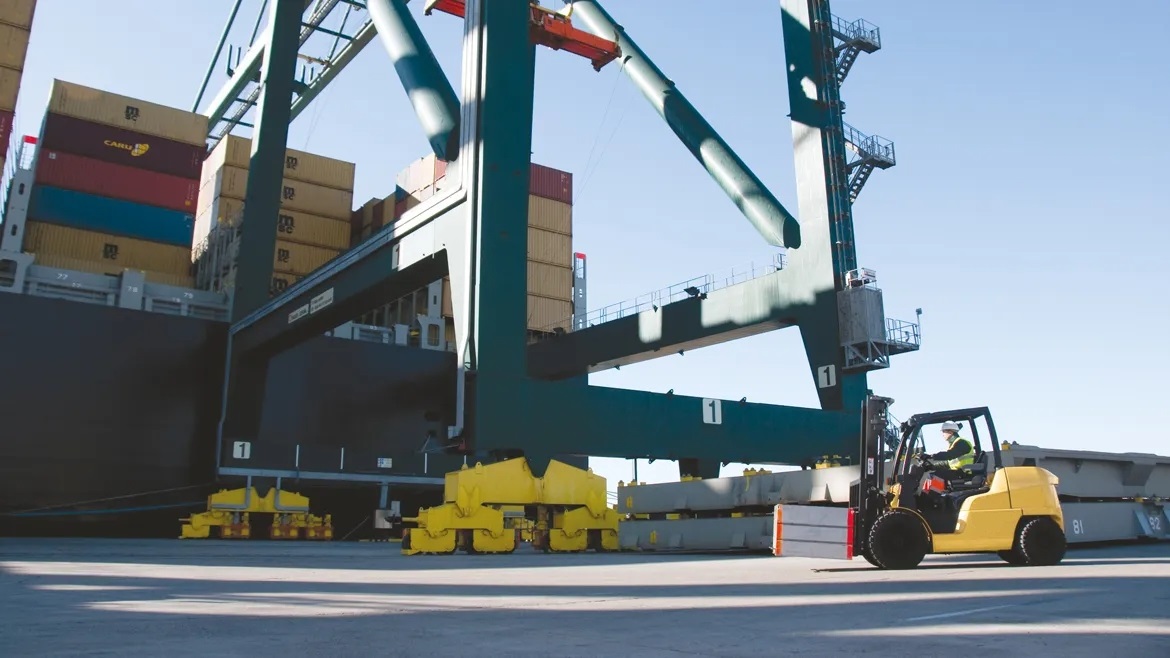
Ports and shipping yards demand forklifts engineered for extreme conditions—where standard equipment succumbs to saltwater corrosion, heavy loads, and 24/7 shifts. This guide explores heavy-duty solutions, from high-capacity counterbalance models to advanced lithium-ion systems like the Liftron DL SERIES. Key topics include corrosion-resistant builds, attachments for container handling, safety innovations like 360-degree cameras, and maintenance strategies that slash downtime. Discover why electric and lithium-ion options now rival diesel in power while cutting costs and emissions, and how upgrades can boost throughput by 20-30% in year one. Whether moving breakbulk cargo or stacked containers, choosing the right forklift class, capacity, and attachments is critical for operational efficiency, worker safety, and ROI. Navigate the path to a durable, future-proof fleet designed to thrive in maritime logistics.

forklift lithium battery for cold storage

forklift lithium battery for cold storage

Forklift lithium batteries outperform lead-acid in cold storage down to -25°C, retaining 94% capacity versus 42% for lead-acid, enabling longer shifts, opportunity charging, and zero maintenance. This comparison details how lithium iron phosphate chemistry, paired with active heating and thermal management, eliminates sulfation, freezing damage, and energy losses. With up to 2,000 cycles, a 70% weight reduction, and no battery room requirements, lithium cuts total ownership costs by 30-40% over 10 years. Real-world data from a Minneapolis facility shows 17% more pallet moves per shift and 31% lower energy use. The Liftron DL SERIES offers plug-and-play retrofitting, IP67 protection, and seamless integration with major forklift brands, making it a strategic, sustainable choice for frozen logistics.

warehouse material handling solutions​

warehouse material handling solutions​

Modern warehouses require efficient, safe, and scalable material handling solutions to optimize inventory flow, reduce labor costs, and boost storage density. This comprehensive guide covers essential equipment categories, from selective racks and lithium-ion forklifts to AGVs, AMRs, and vertical lift modules, helping you align systems with facility layout and throughput goals. Discover strategies for integrating manual, semi-automated, and automated solutions, paired with WMS, to minimize travel time and enhance ergonomic safety. Learn about safety compliance, maintenance tactics, and key performance metrics like picking accuracy and equipment utilization. Emerging trends such as 5G tracking, digital twins, and IoT-driven predictive upkeep are also explored. Partnering with a provider like Liftron Material Handling offers tailored training, site assessments, and advanced options like the DL SERIES lithium-ion forklift, reducing total ownership costs by up to 20%. Future-proof your warehouse with scalable, modular systems that grow with your business.

can a forklift be driven on the streets

can a forklift be driven on the streets

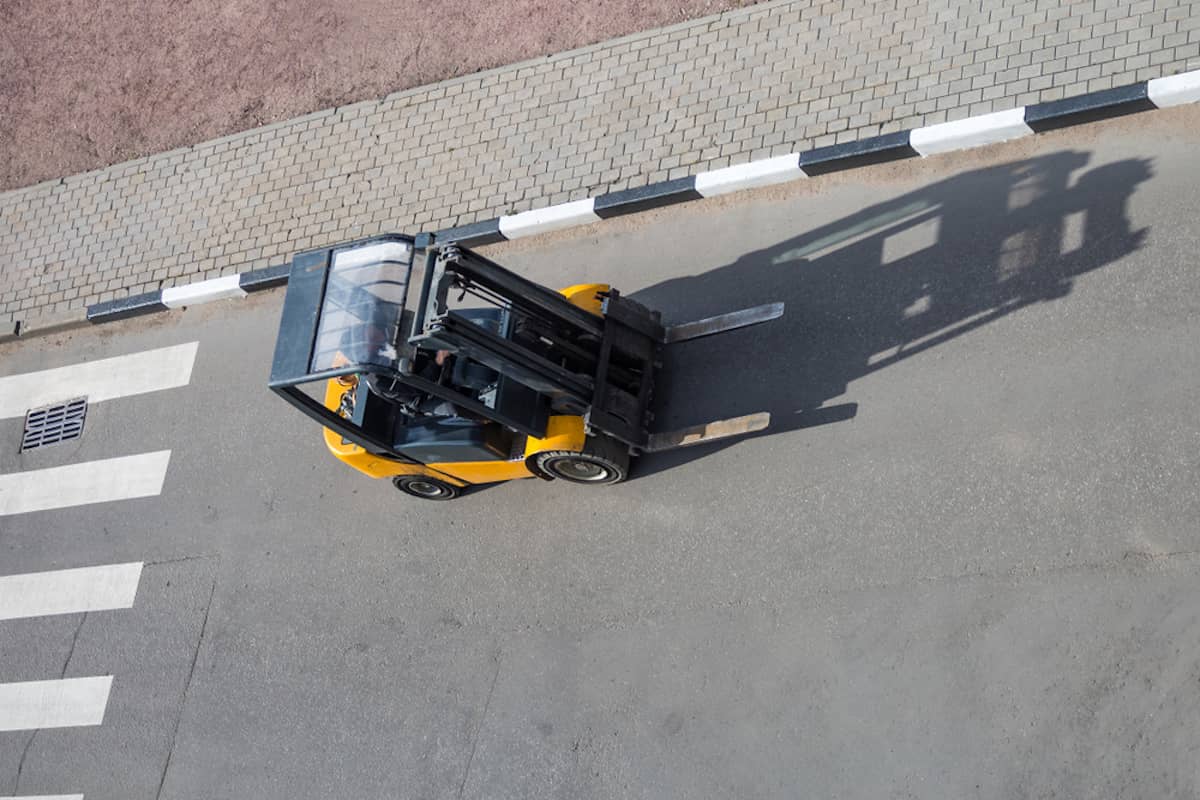
Can a forklift legally drive on public streets? Generally no—standard forklifts lack road-required features like turn signals, mirrors, and adequate speed, and are classified as industrial trucks under most laws. Exceptions exist for crossing roads between job sites, temporary loading/unloading, or with special permits and road-legal models like rough terrain forklifts. However, driving standard warehouse forklifts on highways is illegal across all U.S. states and poses serious safety risks like rollovers and poor visibility. Insurance typically doesn’t cover on-road accidents. Safe alternatives include transporting via trailers with proper securing or using dedicated low-speed vehicles. Local regulations vary, so always check with your DMV or DOT. Prioritize safety and legal compliance to avoid fines and liability.

are forklift batteries isolated from chassis

are forklift batteries isolated from chassis

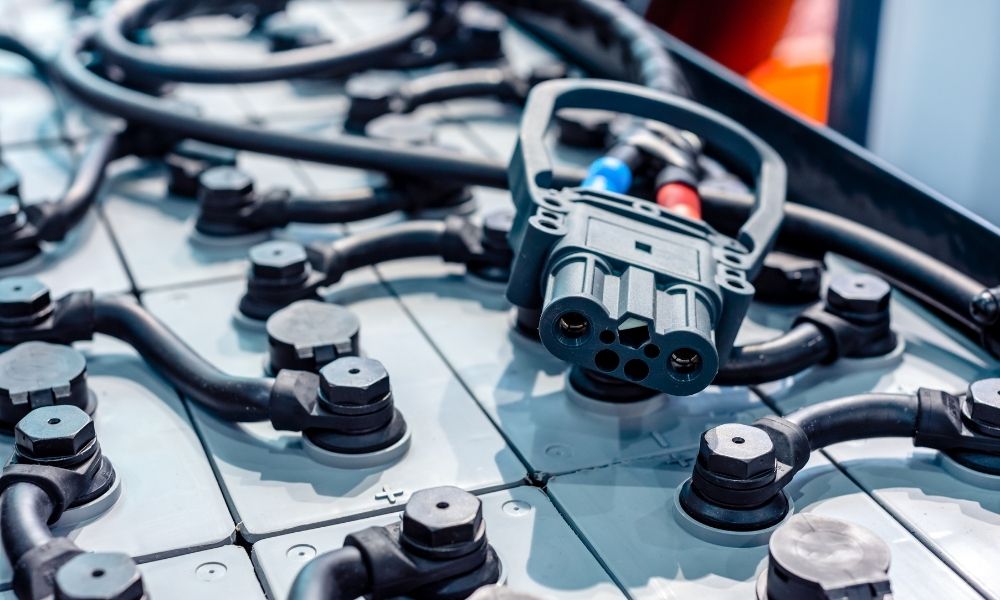
Forklift batteries are isolated from the chassis in virtually all modern electric models, using rubber mounts, insulated trays, and non-conductive barriers to prevent current leakage, corrosion, and electrical shorts. This critical safety feature protects operators, extends component life, and ensures compliance with ANSI/OSHA standards. Isolation prevents stray currents that can cause electrolytic corrosion, bearing damage, and even hydrogen gas ignition. Standard resistance exceeds 1 megohm, testing with megohmmeters confirms insulation integrity, and lithium-ion systems often feature continuous monitoring. Daily inspections should check for cracked mounts or residue, while monthly testing verifies resistance above 0.5 megohm. Failure to maintain isolation risks chassis corrosion, shock hazards, and costly downtime. For fleet managers, understanding isolation design—whether in lead-acid or lithium setups—is essential for safe operations. Regular megohmmeter testing, proper spare parts, and operator training on corrosion signs preserve grounding integrity and prevent expensive repairs. Investing in modern insulated trays or lithium retrofits further enhances safety and reliability.

are caterpillar and liftron same forklift

are caterpillar and liftron same forklift

Discover why Caterpillar and Liftron forklifts are not the same, despite sharing the material handling market. This comparison breaks down their core differences: Cat relies on Mitsubishi engineering with traditional lead-acid or internal combustion power, backed by a vast global dealer network. Liftron focuses on modern lithium-ion technology, offering zero-emission, low-maintenance electric trucks with opportunity charging and remote diagnostics. Capacity ranges overlap, but duty cycles diverge—Cat excels in rugged outdoor use, while Liftron shines in indoor warehousing and cold storage. Total cost of ownership favors Liftron over time due to energy savings and long battery life, while Cat offers stronger resale value and parts availability. Choose Cat for conventional reliability and support, or Liftron for innovative, customizable, and eco-friendly solutions. Explore the detailed feature comparison to guide your purchase decision.

where is the frame level indicator found on a forklift

where is the frame level indicator found on a forklift

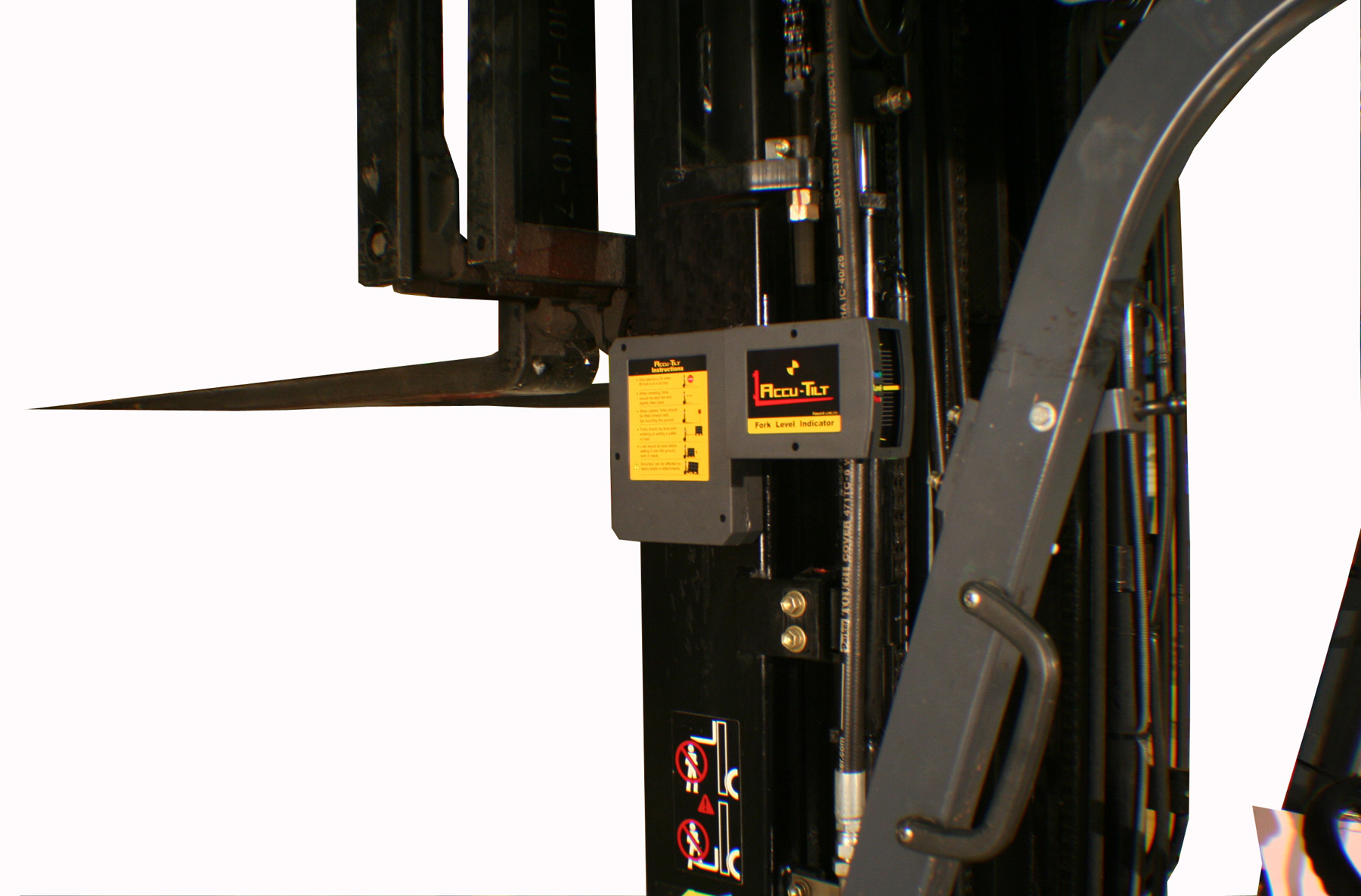
The frame level indicator on a forklift is a critical safety gauge that shows mast tilt angle, typically positioned on the overhead guard pillar, dash panel, or steering column cowl for optimal operator visibility. This guide explains where to locate it across various forklift types—from counterbalance to modern lithium-ion models—and how to read both analog bubble levels and digital readouts. Proper use prevents load shifts, tip-overs, and accidents, aligning with OSHA and ANSI training standards. Maintenance tips cover common issues like sticking bubbles, cracked lenses, and calibration errors, with modern units like the Liftron DL SERIES offering integrated digital displays and CAN-bus safety features. Operators should inspect the indicator pre-shift, use it during ramp and uneven-surface work, and treat it as essential as fuel gauges. Prioritizing high-visibility, accurate indicators enhances stability, reduces downtime, and fosters a safer, more productive material handling environment.

what type of forklift has an inching pedal

what type of forklift has an inching pedal

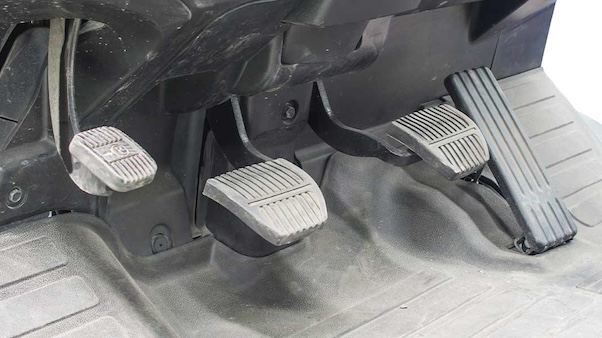
The inching pedal is a crucial forklift control that enables precise speed management while maintaining full hydraulic power, primarily found on internal combustion (IC) models with automatic transmissions and heavy-duty electric counterbalance units. This pedal allows operators to creep at extremely slow speeds while revving the engine for optimal fork, mast, and tilt operation—essential for accurate load placement in tight racks or on ramps. IC forklifts running on LPG, diesel, or gasoline come standard with a mechanical inching pedal, while many 48V to 96V electric forklifts and rough terrain telehandlers feature electronic versions for similar precision. Compact walkie pallet jacks, order pickers, and small 3-wheel electric units often lack this feature, relying on advanced AC motor controllers instead. Modern options like the Liftron DL SERIES lithium-ion models integrate electrical inching algorithms to simulate the traditional feel, offering superior linear response with lower maintenance. Prioritize this feature when selecting forklifts for stacking, trailer loading, or gradient work, as it directly enhances productivity and load safety.

what are the pros and cons of diesel forklifts

what are the pros and cons of diesel forklifts

Diesel forklifts deliver raw power and durability for heavy-duty outdoor tasks, offering high torque, rapid refueling, and robust load capacities ideal for rough terrain. However, they bring notable drawbacks, including harmful emissions, noise levels up to 95 dB, and higher maintenance and fuel expenses that strain budgets. Indoor use is restricted due to ventilation needs, making them less suitable for sensitive environments. In contrast, electric alternatives like the Liftron DL Series provide zero emissions, quieter operation, and lower long-term costs, with lithium-ion technology enabling fast charging and comparable lifting strength. Choosing between these options hinges on your facility’s layout, workload, and sustainability goals—while diesel suits rugged, open-air operations, electric models excel in modern warehouses prioritizing compliance and efficiency. Evaluate your daily cycle and infrastructure to determine the best fit, possibly adopting a mixed fleet to optimize performance where each type thrives.

Back to Top
Product has been added to your cart