What Class of Forklift Is Liftron’s Large Electric Forklift?
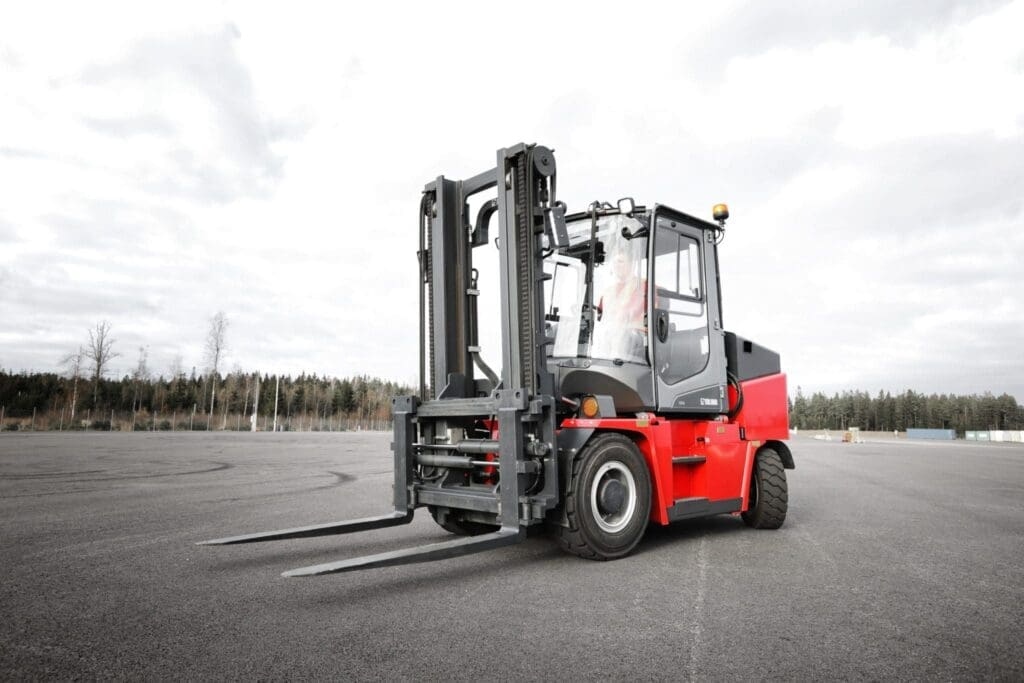
Liftron’s large electric forklifts are generally Class 1 electric motor rider trucks designed for clean, powerful material handling.

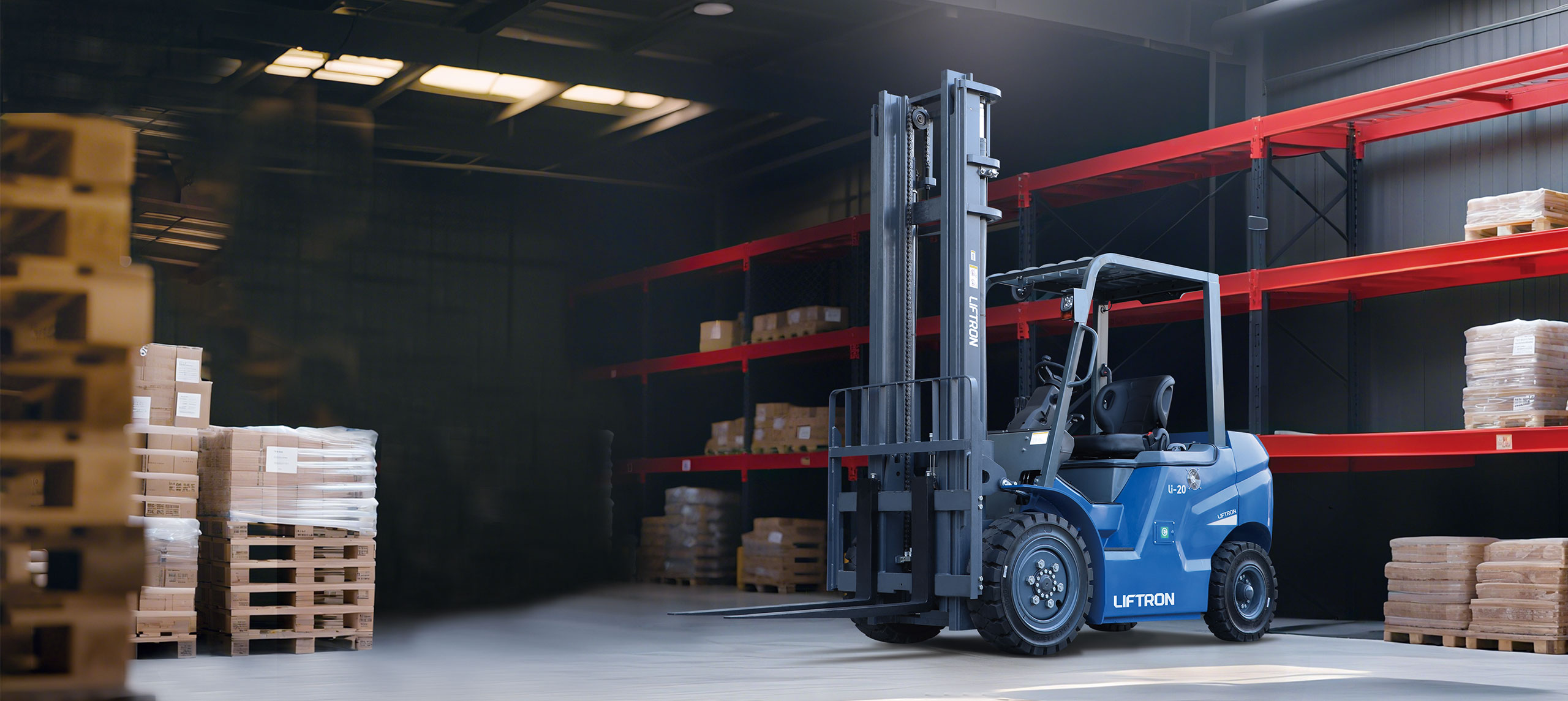
Liftron’s large electric forklifts are generally Class 1 electric motor rider trucks designed for clean, powerful material handling.
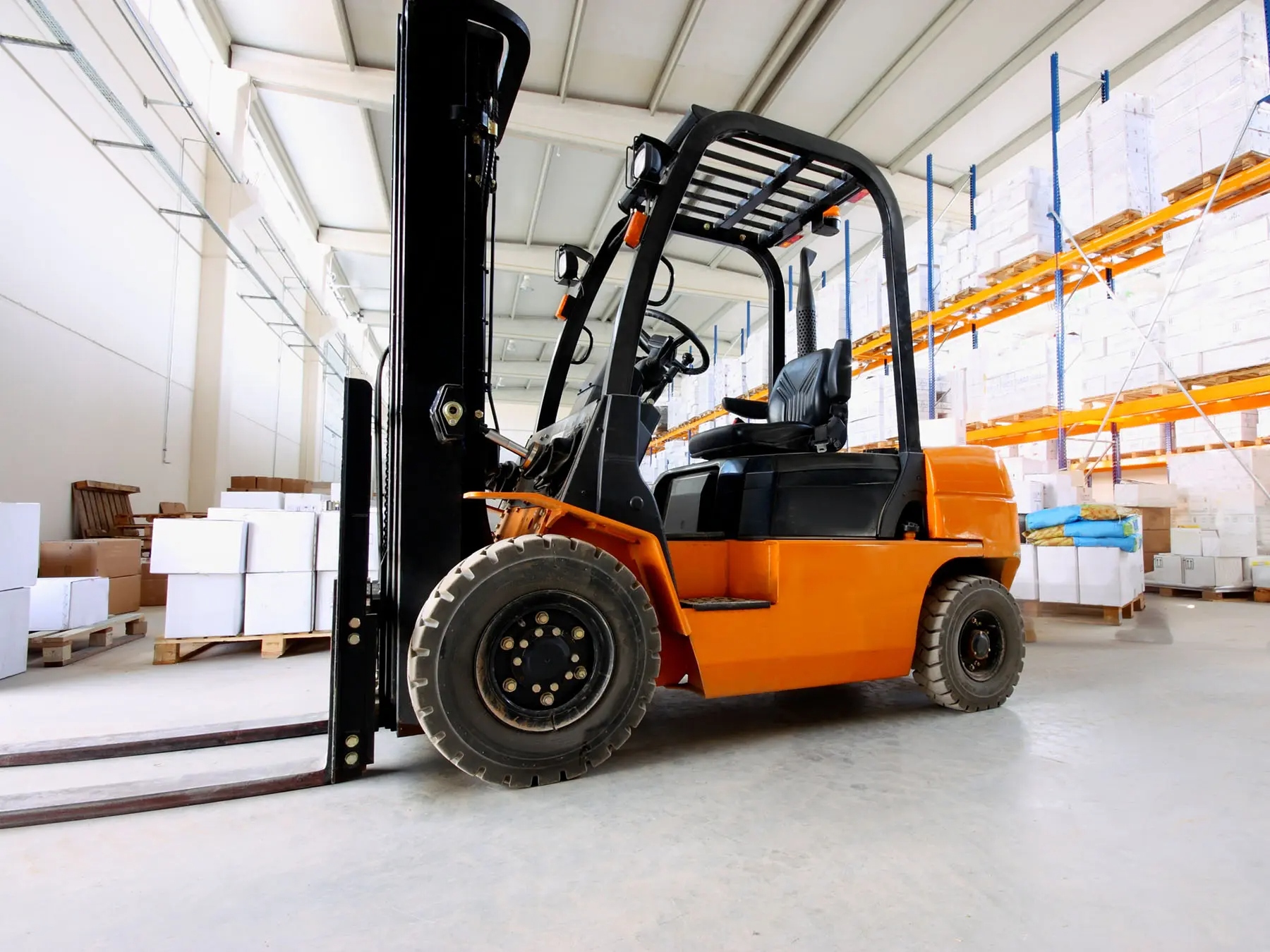
Choosing the right electric sit-down forklift improves safety, lowers operating costs, and keeps warehouse handling efficient.
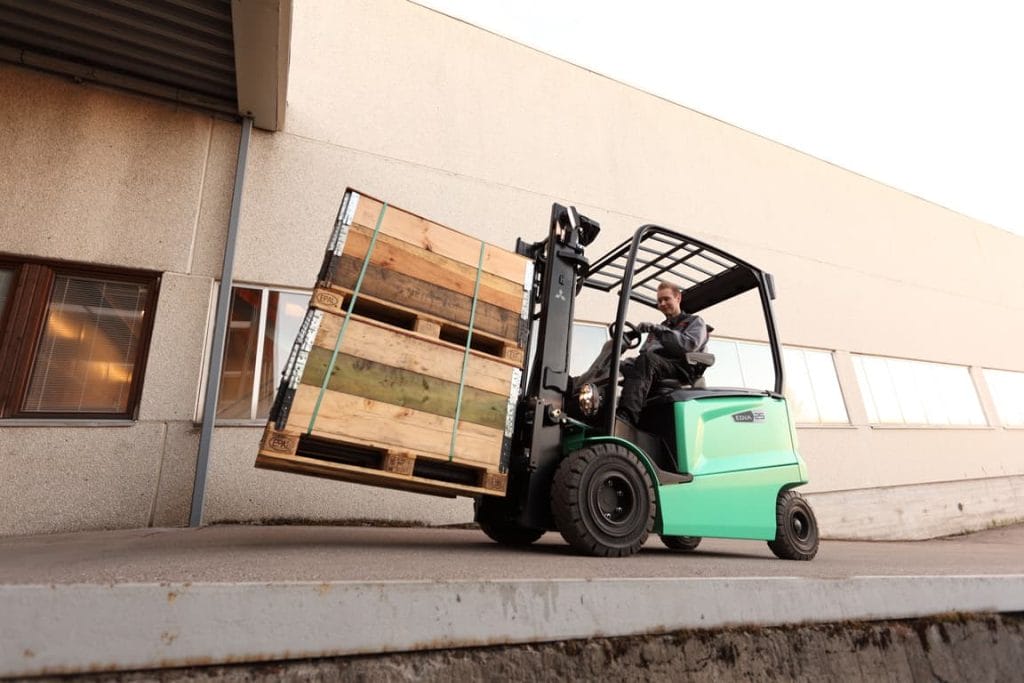
Indoor electric forklifts are ideal for warehouses, retail logistics, food storage, and manufacturing facilities because they produce no tailpipe emissions and operate much more quietly than combustion forklifts.
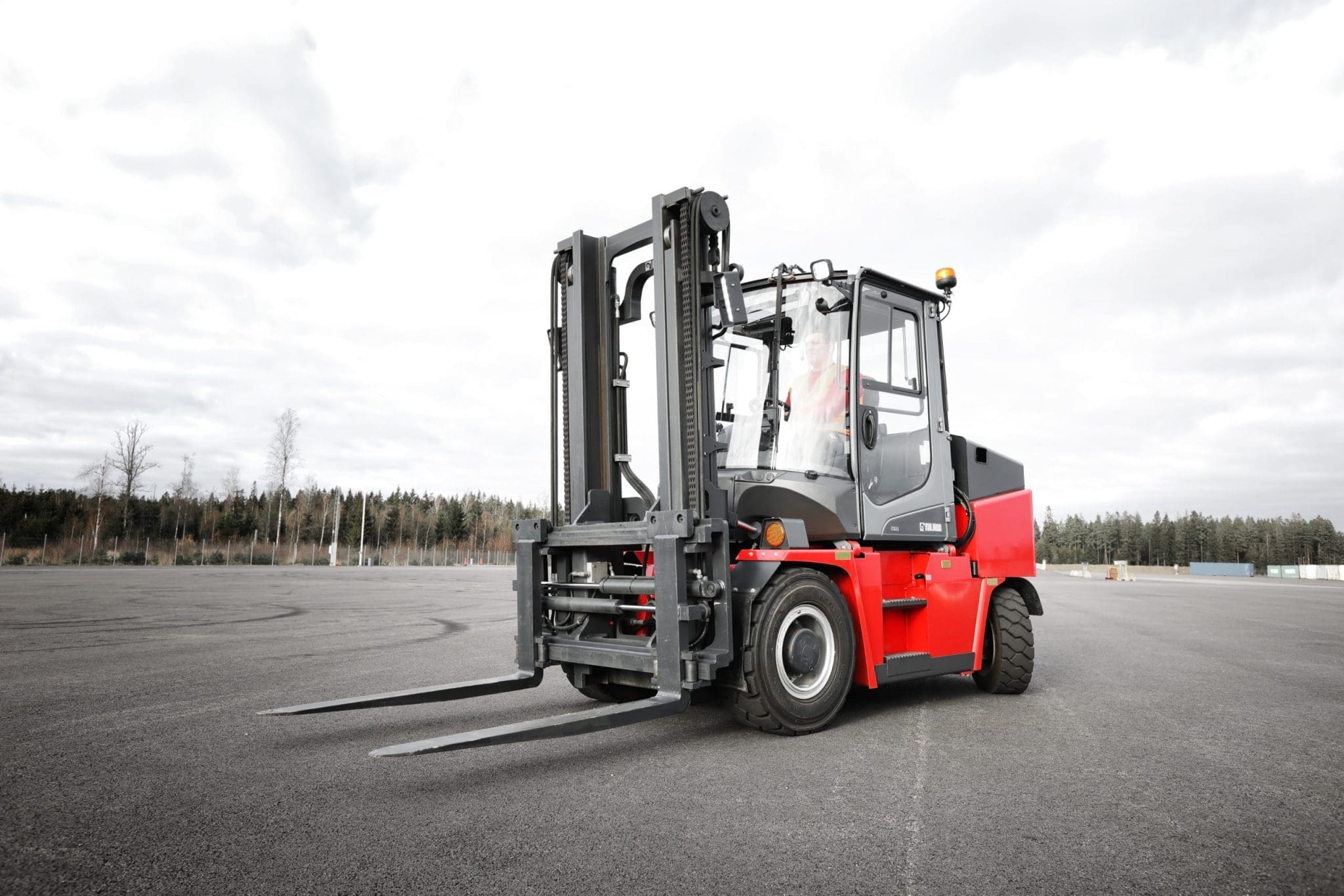
Compared to gas, diesel, or propane forklifts, electric models provide a combination of environmental benefits, operational efficiency, and reduced maintenance requirements. These advantages make them a strong investment for businesses looking to improve productivity and sustainability.
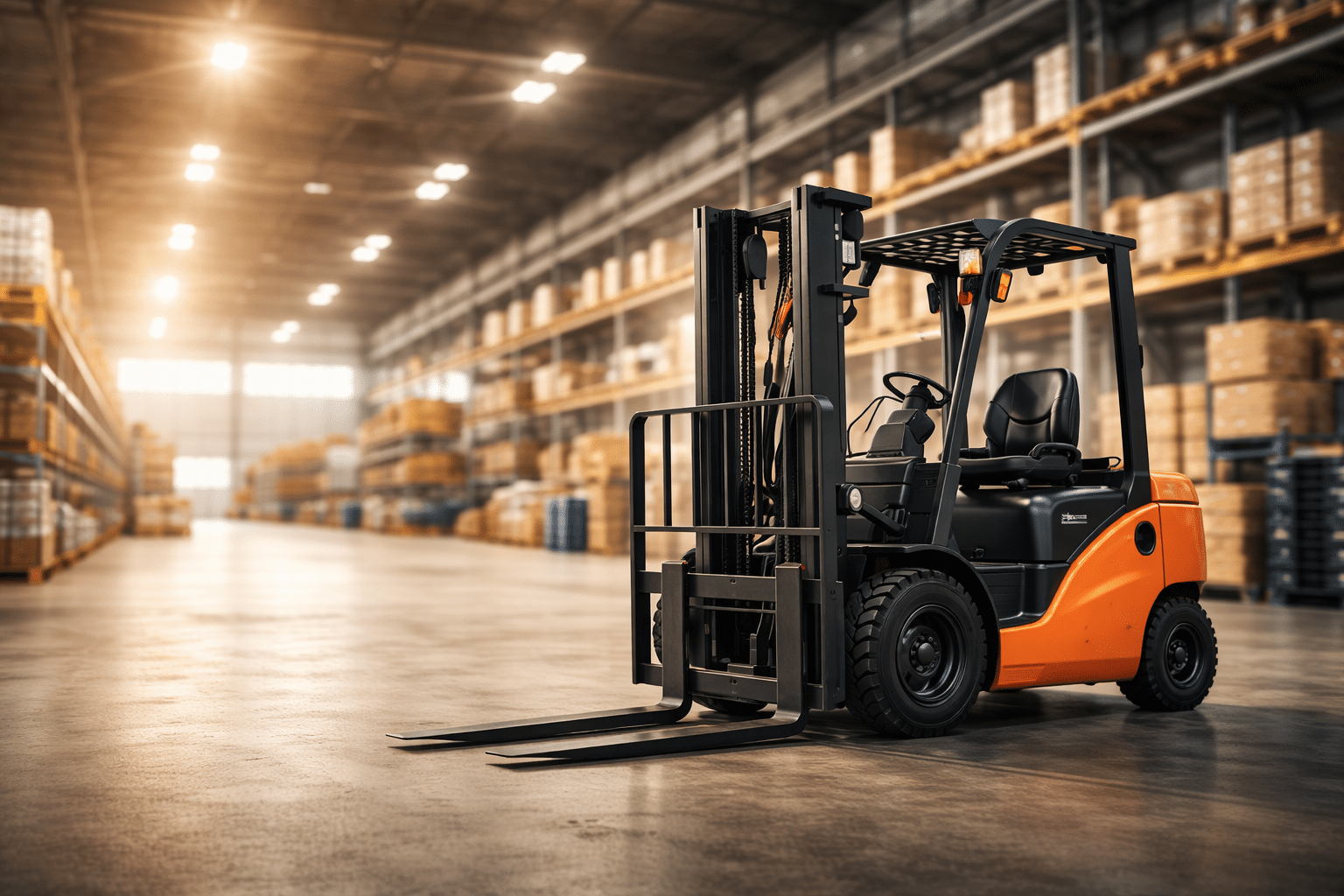
Moving a dead electric forklift requires brake release, towing control, proper equipment, and strict safety procedures to avoid damage or injury.
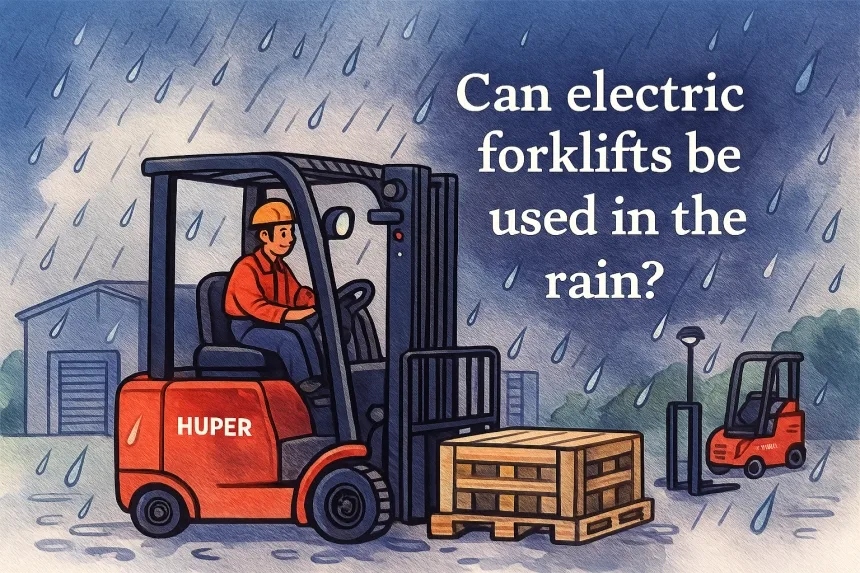
Electric forklifts can operate in light rain only if they carry an IP rating of IPX3 or higher, making ingress protection the key factor for safe outdoor use. Standard indoor models with lower ratings risk electrical shorts, corrosion, battery damage, and voided warranties when exposed to moisture. Best practices include verifying manufacturer guidelines, using weather protection covers, inspecting seals regularly, drying the forklift after use, and avoiding deep puddles. Lithium-ion models, such as the Liftron DL SERIES, offer sealed battery packs and enhanced weather resistance, yet the entire vehicle must meet the necessary IP standard. For environments with frequent heavy rain or standing water, internal combustion forklifts remain the more reliable choice. Understanding these limitations and safety protocols helps operators prevent hazards and equipment damage in mixed-environment material handling.
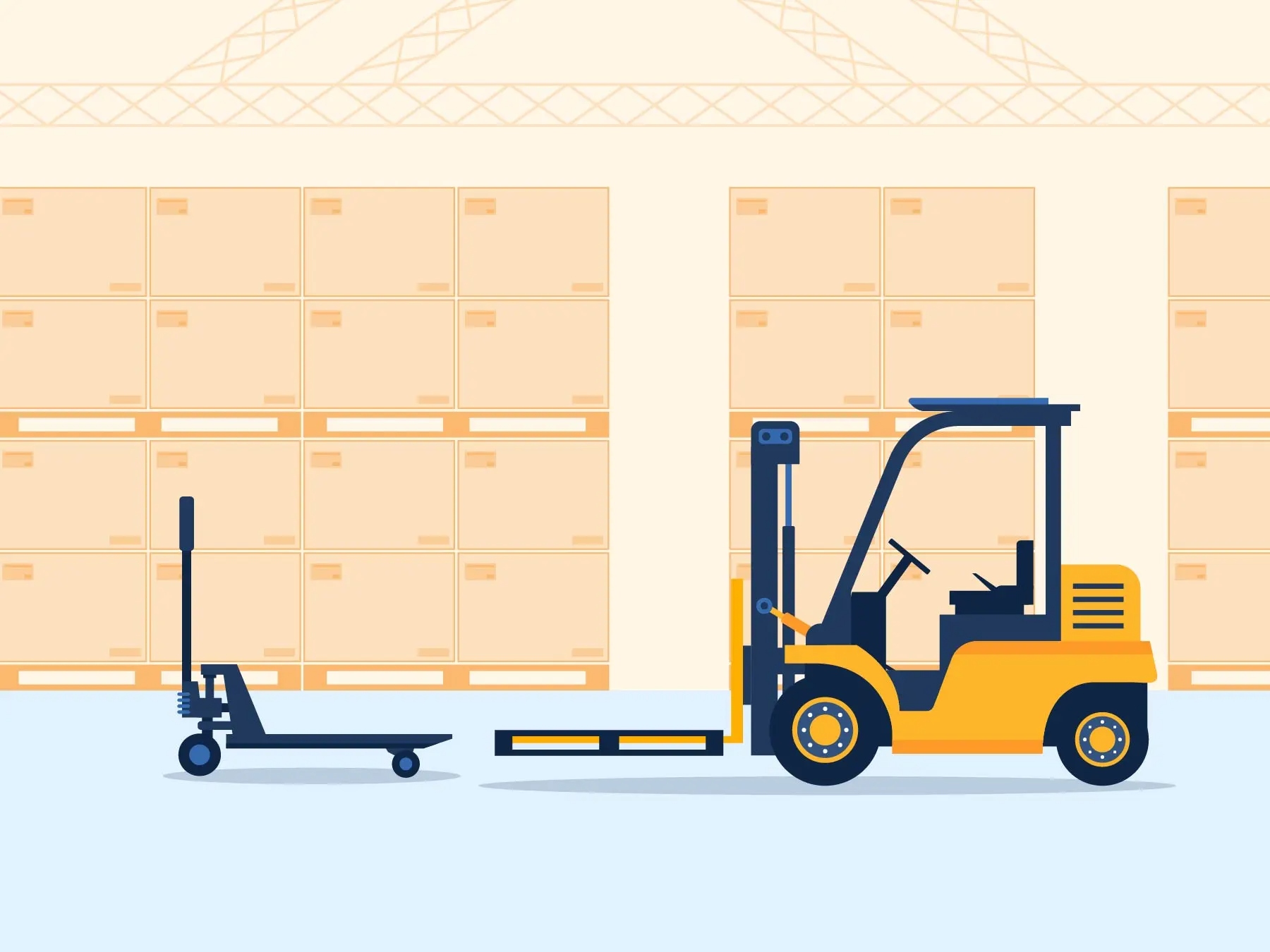
Pallet control and forklift driving are distinct yet complementary roles in modern warehouse operations, each requiring unique skills, equipment, and safety protocols. Pallet control focuses on ground-level movement using manual or electric pallet jacks for tasks like order picking and replenishment, typically needing minimal formal training. Forklift driving involves certified operators handling heavy loads at various heights with counterbalance or reach trucks, demanding advanced spatial awareness and load stability knowledge. Key differences include equipment cost, training requirements, and scope of work—pallet control suits low-ceiling facilities with frequent horizontal moves, while forklift driving excels in high-density vertical storage. Optimizing warehouse efficiency involves selecting the right role based on layout and inventory density, often combining both for improved throughput. Modern innovations like lithium-ion powered solutions and telematics enhance performance across both roles, while safety considerations range from proper lifting techniques for pallet control to pre-use inspections for forklifts. Understanding these differences helps facility managers reduce bottlenecks, control costs, and maintain safety standards.
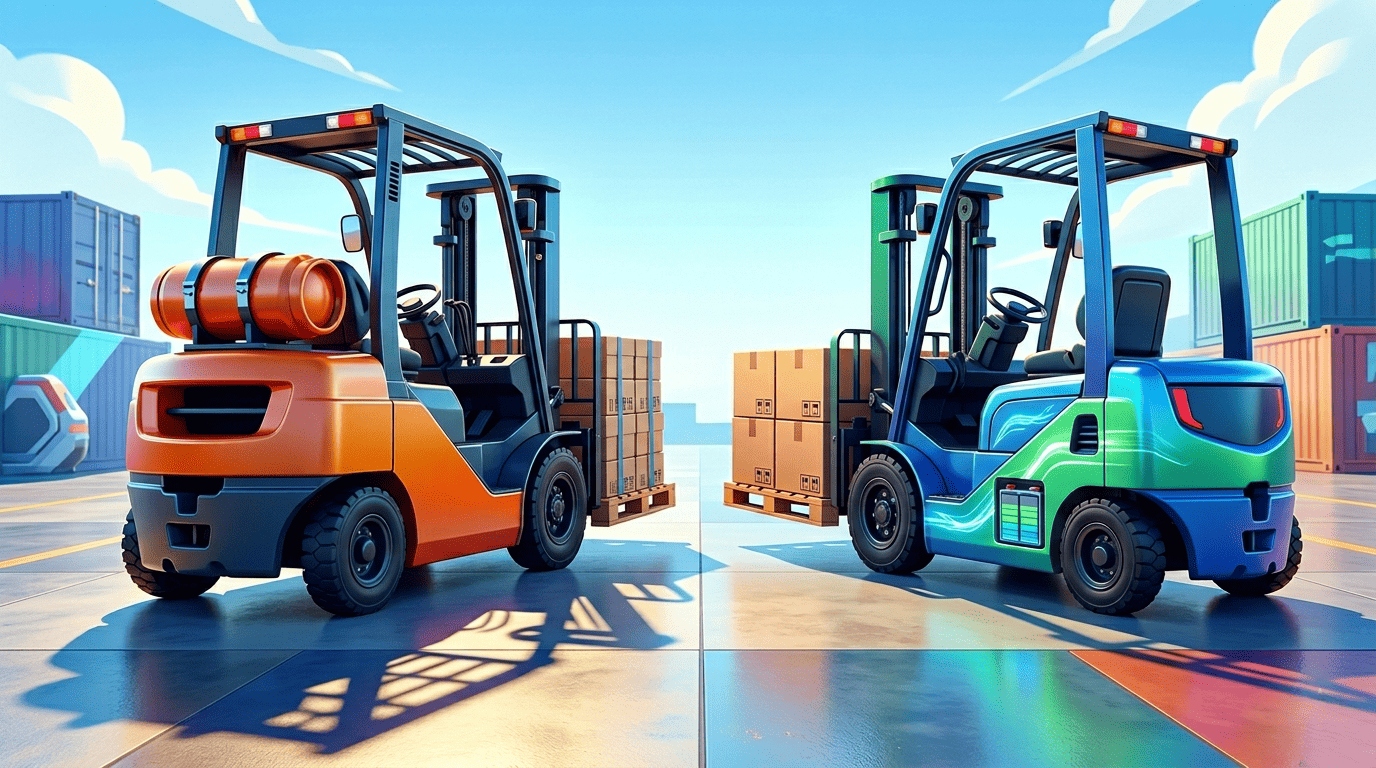
Choosing between electric and propane forklifts is essential for maximizing warehouse efficiency and minimizing operational costs. This comparison covers key differences in power technology, performance, torque, load capacity, and suitability for indoor versus outdoor use. Electric models offer instant torque, zero emissions, quieter operation, and lower long-term fuel and maintenance costs—especially with lithium-ion batteries that charge rapidly and reduce downtime. Propane forklifts excel in multi-shift continuous use, rough terrain, and quick refueling but produce exhaust, require ventilation, and have higher annual maintenance. Detailed tables break down hourly energy costs, battery or tank replacement, maintenance expenses, and lifespan. Infrastructure needs vary: electric requires charging stations, while propane needs tank storage and refueling areas. Operator experience favors electric for smoother, fume-free, and quieter operation. The guide helps businesses decide based on shift patterns, facility layout, environmental goals, and total cost analysis, noting that modern lithium-ion electric forklifts are increasingly versatile alternatives to propane.
Understand the key differences between a tow motor and a forklift to choose the right equipment for your warehouse or logistics operation. A tow motor, or tugger, is designed for pulling heavy loads across flat surfaces, ideal for long-distance horizontal transport in train-like configurations. In contrast, a forklift specializes in lifting, stacking, and moving palletized goods vertically and horizontally. While the terms are sometimes used interchangeably, each machine serves a distinct purpose: tow motors excel in moving large volumes efficiently, while forklifts are essential for dock work, racking, and precise load placement. Modern forklifts may offer towing capabilities, but dedicated tow motors often provide better efficiency for repetitive pulling tasks. Safety, cost, and application needs—such as lift capacity, floor layout, and load type—should guide your decision. Explore advanced lithium-ion options from Liftron Material Handling for enhanced energy efficiency, zero emissions, and improved safety features.

Choosing between gas and electric forklifts depends on factors like operational costs, emissions, performance, and facility requirements. Gas forklifts, fueled by propane or diesel, offer lower upfront costs and consistent power for outdoor or heavy-duty tasks but generate exhaust and higher fuel/maintenance expenses. Electric forklifts, especially those with lithium-ion batteries like the Liftron DL SERIES, provide zero emissions, quieter operation, lower energy costs, and reduced maintenance due to fewer moving parts. They excel indoors and support opportunity charging for less downtime. While gas models may suit rough terrain or long shifts, electric options often yield a lower total cost of ownership over time, particularly in regulated environments. Evaluate shift length, space, ventilation, and sustainability goals to decide. Liftron Material Handling offers both gas and electric solutions tailored to diverse workflows.