
what is a stand up forklift
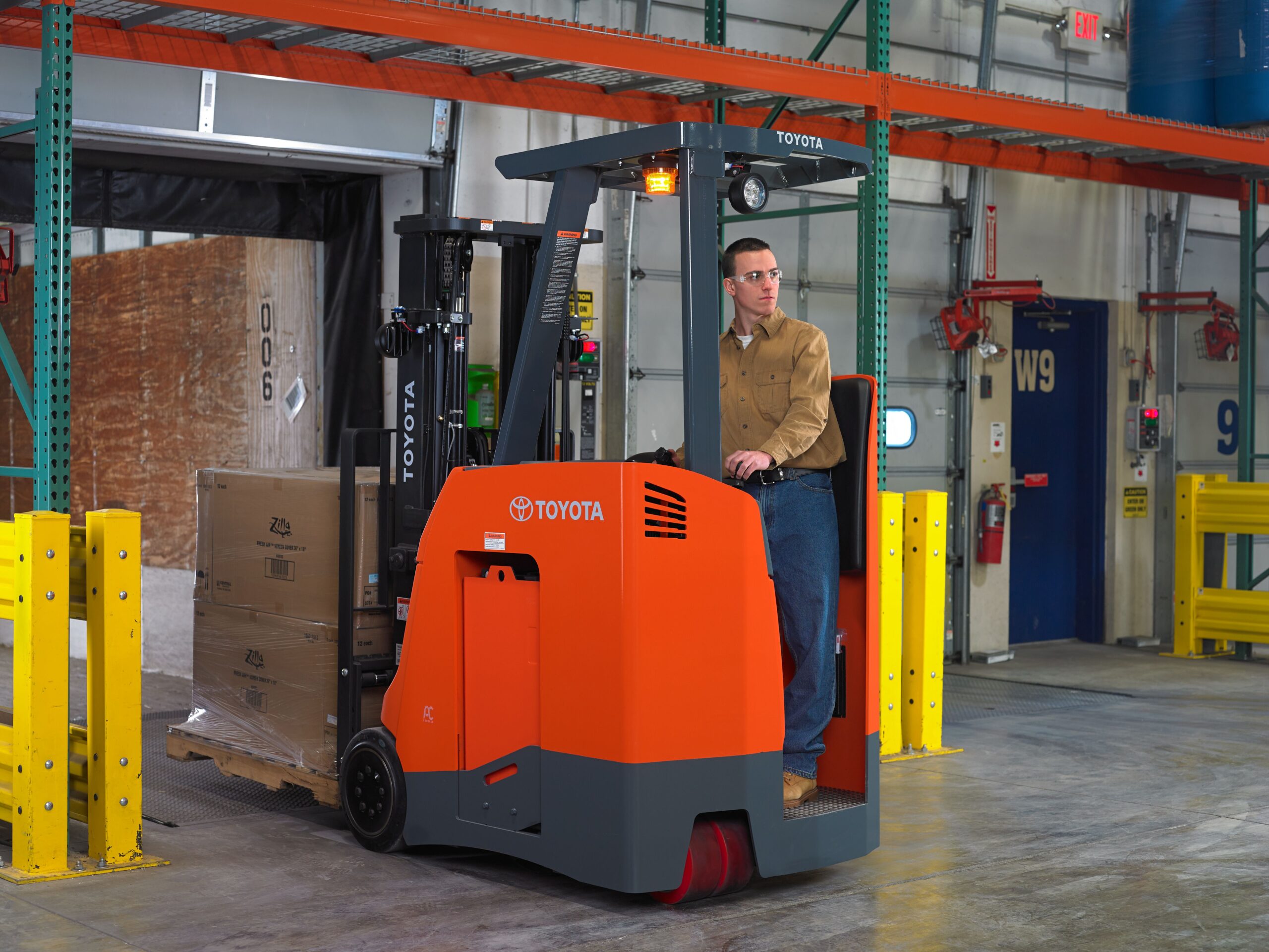
A stand-up forklift, also known as a stand-up rider forklift or stand-up counterbalance forklift, is a type of industrial vehicle designed for lifting and moving palletized loads where the operator stands on a rear platform instead of sitting in a seat. This design maximizes visibility, maneuverability, and efficiency in tight warehouse aisles and loading docks.
How a Stand-Up Forklift Differs from a Sit-Down Forklift
The primary difference lies in the operator’s position. In a stand-up forklift, the operator stands on a padded floor plate with their body facing sideways—one hand controls the steering wheel and the other handles the lift and travel controls. This stance allows for rapid entry and exit, which is ideal for short-distance tasks like truck loading and unloading. Sit-down forklifts, by contrast, are better suited for longer rides across large facilities.
Key Components and Design Features
- Stand-On Platform: Equipped with an operator restraint system (typically a lap bar or gate) to prevent falls.
- Sideways Operator Position: Offers excellent sight lines to the rear and front, reducing blind spots during reversing.
- Low Step Height: Allows fast entry and exit—critical for multi-trip jobs.
- Compact Chassis: Many stand-up models have a shorter wheelbase than sit-down units, improving turning radius in narrow aisles.
- Triple-Stage Masts: Often equipped with high-lift masts for stacking loads at elevated rack heights.
Common Applications and Industries
Stand-up forklifts excel in environments where speed and agility matter more than operator comfort during long shifts. Typical applications include:
- Warehousing and Distribution Centers: Moving pallets from loading docks to staging areas.
- Retail Backrooms: Navigating narrow shelving aisles in stores like home improvement centers.
- Cross-Docking Facilities: Rapidly transferring goods between inbound and outbound trucks.
- Cold Storage: Short-duration tasks where standing keeps operators warmer than sitting.
Stand-Up Forklift vs. Reach Truck vs. Order Picker
| Feature | Stand-Up Forklift | Reach Truck | Order Picker |
|---|---|---|---|
| Operator Position | Standing, sideways | Standing or seated | Standing, elevated platform |
| Lift Height | Up to 20 feet | Up to 40 feet | Up to 40 feet |
| Primary Use | Loading/unloading trucks | Pallet storage in high racks | Picking individual items |
| Aisle Width | 8–10 feet | 7–9 feet | 5–6 feet |
| Load Capacity | 3,000–5,000 lbs | 2,500–4,500 lbs | 2,500–3,000 lbs |
Benefits of Using a Stand-Up Forklift
Improved Visibility
Because the operator stands and faces sideways, they can easily look over both shoulders. This eliminates many blind spots common in sit-down counterbalance forklifts, especially when moving backwards—which happens frequently during docking operations.
Faster Entry and Exit
Operators can step on and off in seconds without climbing over sides or adjusting a seat. This reduces fatigue and downtime during high-volume jobs like trailer loading where the worker may get off the truck dozens of times per shift.
Space Efficiency
Stand-up models have a tighter turning radius compared to most sit-down units of similar capacity. This allows them to maneuver in narrower aisles and congested dock areas.
Potential Downsides to Consider
- Operator Comfort: Standing for an entire 8-hour shift can lead to leg and back fatigue, especially on rough warehouse floors.
- Limited Travel Speed: Many stand-up models are governed at slower speeds (6–8 mph) for safety, while sit-down forklifts can travel faster.
- Lower Lift Heights: Standard stand-up forklifts typically max out around 18–22 feet, whereas reach trucks and order pickers can exceed 30 feet.
Battery and Power Options
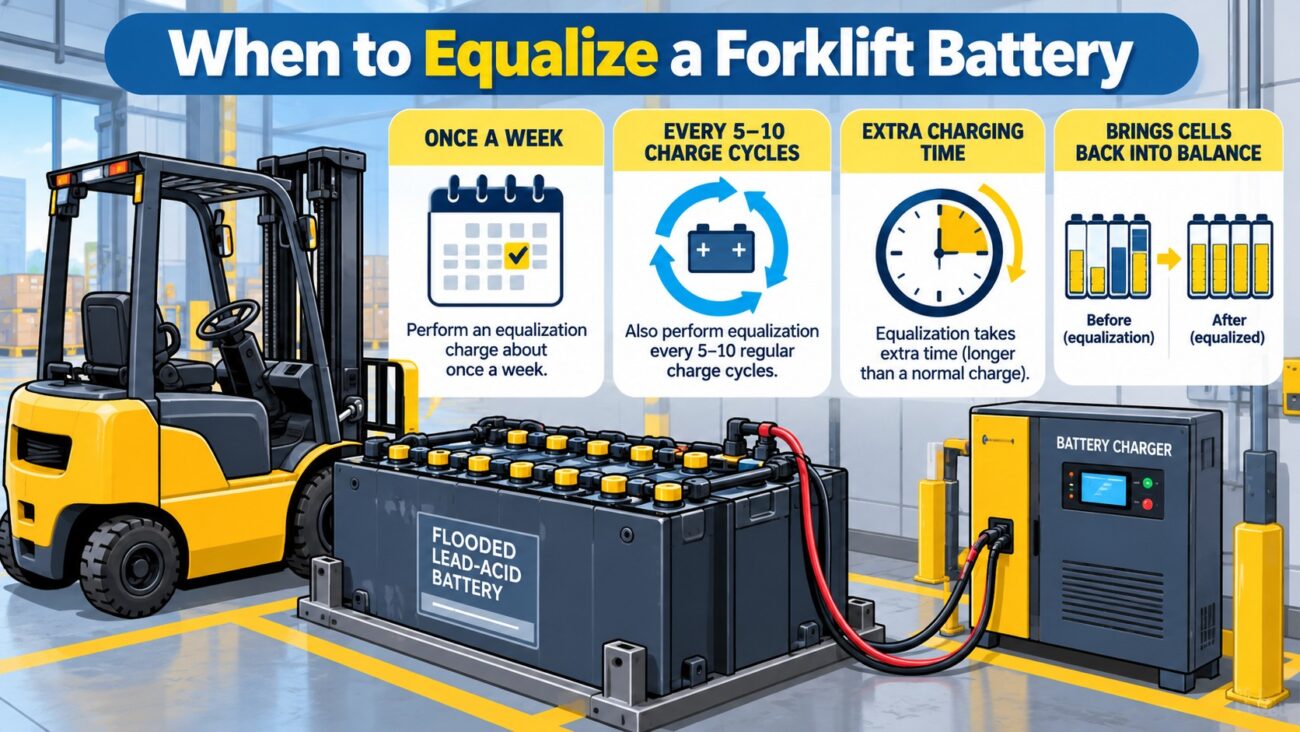
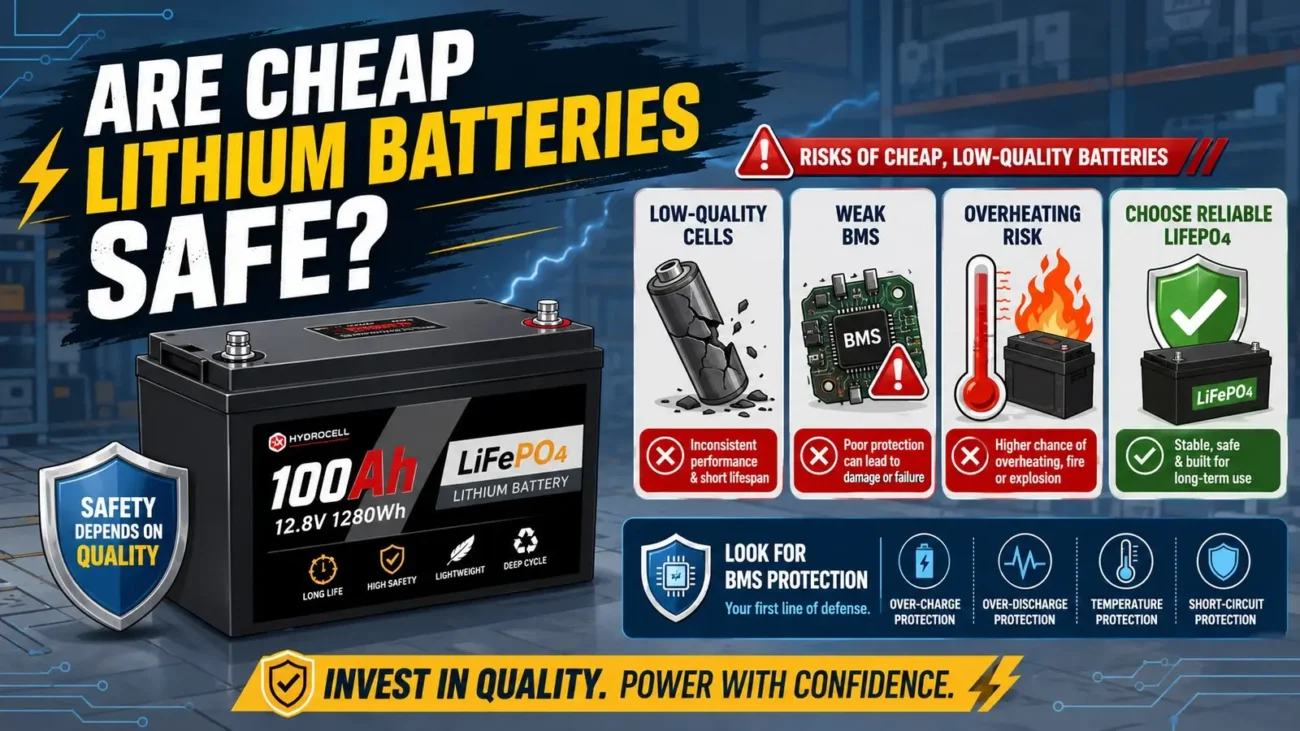
Traditionally, stand-up forklifts use lead-acid batteries that require watering and charging downtime. However, modern advancements have introduced lithium-ion alternatives that offer faster charging, no maintenance, and longer cycle life. Leading manufacturers like Liftron Material Handling now provide electric stand-up models with advanced lithium-ion batteries that can be opportunity-charged during breaks, increasing uptime.
One standout product line is the Liftron DL SERIES, which integrates a compact stand-up design with a high-capacity lithium battery. This series is engineered for applications requiring frequent stop-and-go operations, such as third-party logistics and e-commerce fulfillment centers. The DL SERIES offers rapid acceleration, regenerative braking, and a low center of gravity for stability—all while maintaining the visibility and maneuverability that define stand-up forklifts.
Safety Considerations and Operator Training
Because the operator is standing, there is a higher risk of falling if the forklift tips or makes a sudden turn. Most modern stand-up forklifts are equipped with:
- Automatic braking systems that engage when the operator releases the dead-man pedal.
- Operator presence sensors that disable travel if the operator steps off the platform.
- Load backrest extensions to prevent items from falling toward the operator.
Proper training is essential. Operators must learn to keep their body within the confines of the platform, use the restraint system, and avoid sharp turns at speed. OSHA requires formal certification for all forklift operators, including stand-up models.
Choosing the Right Stand-Up Forklift for Your Operation
When selecting a stand-up forklift, evaluate these factors:
- Load capacity: Most stand-up units handle 3,000–5,000 lbs. Heavy-duty models may reach 6,000 lbs.
- Lift height: Confirm the mast can reach your top rack level.
- Aisle width: Measure your tightest turning areas and compare with the forklift’s turning radius.
- Battery type: Decide between traditional lead-acid or modern lithium-ion based on shift length and charging infrastructure.
- Tire type: Cushion tires are standard for smooth indoor floors; pneumatic tires are available for outdoor use.
Many material handling professionals are transitioning to lithium-powered stand-up forklifts because they eliminate battery swapping and reduce total cost of ownership. Liftron Material Handling offers a full range of electric stand-up forklifts with both lead-acid and lithium options, including the popular Liftron DL SERIES.
Conclusion
A stand-up forklift is a specialized tool that combines operator agility with load-handling power. Its unique side-stance design provides superior visibility and rapid entry/exit, making it ideal for high-frequency loading/unloading tasks. While not suitable for all applications—especially long-distance travel or very high stacking—it remains a cornerstone of modern warehouse and dock operations. As battery technology evolves, stand-up forklifts are becoming even more efficient, with options like lithium-ion power delivering cleaner, faster, and more reliable performance across industries.

Add a review
Your email address will not be published. Required fields are marked *