
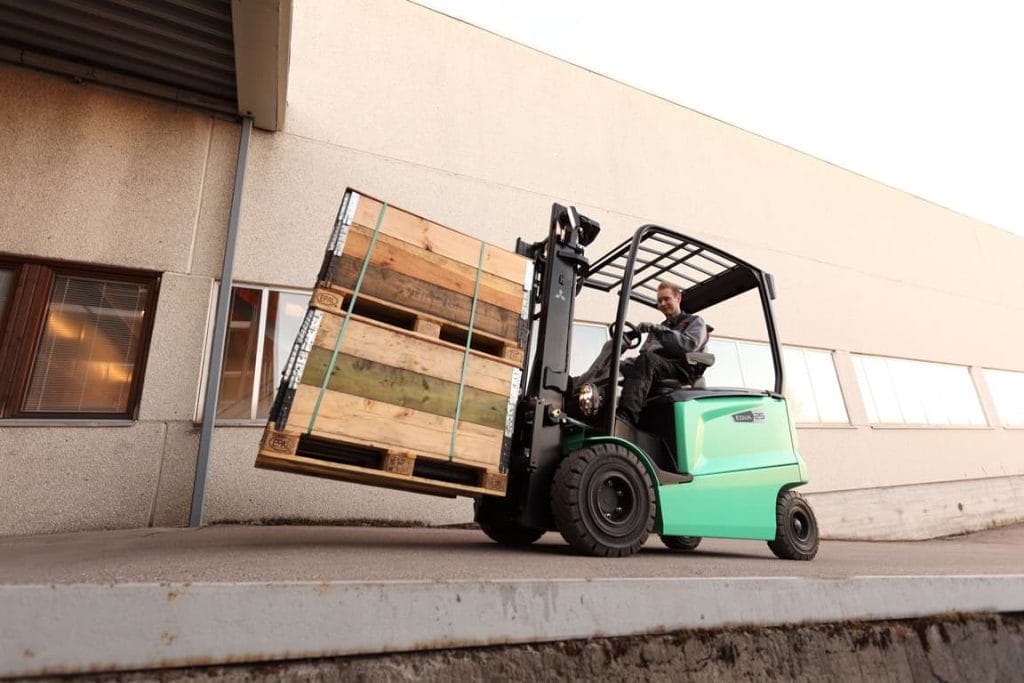
how to compare indoor electric forklifts low noise
When selecting indoor electric forklifts, noise levels are a critical factor for workplace comfort and productivity. This guide provides a structured approach to compare low-noise models, helping you make an informed decision for your warehouse or facility.
Understanding Noise Ratings in Electric Forklifts
Indoor electric forklifts inherently produce less noise than internal combustion models, but variations exist. Noise is typically measured in decibels (dB). For comparison, normal conversation is around 60 dB, while a traditional forklift may range from 70 to 85 dB. Low-noise electric models often operate at 55 to 65 dB, significantly reducing auditory fatigue.
Key Factors That Influence Noise Output
- Motor technology: AC motors are generally quieter than DC motors due to smoother operation and fewer moving parts.
- Hydraulic systems: Electric pump motors and variable-speed controls minimize hissing and vibration.
- Tire composition: Cushion tires (solid rubber) generate less noise on smooth floors compared to pneumatic tires.
- Battery type: Lithium-ion batteries, such as those in the Liftron DL SERIES, operate without the gassing and cooling fans of lead-acid models, further reducing noise.
- Chassis design: Sound-dampening insulation and vibration isolation mounts lower operational decibels.
Step-by-Step Comparison Process
1. Check Manufacturer Specifications
Always review the decibel rating provided by the manufacturer. This is often listed in the technical datasheet. Look for ratings under typical load and speed conditions. For instance, Liftron Material Handling publishes noise levels for its models, ensuring transparency for buyers.
2. Evaluate Operational Context
Consider the working environment. In narrow aisles or near office areas, lower noise reduces distraction. Open warehouse spaces may tolerate slightly higher levels. Think about shift duration—longer exposure to even moderate noise can cause fatigue. The DL SERIES is designed for quieter operation, making it ideal for multi-shift environments.
3. Compare Hydraulic and Drive Noise
Test the forklift under load. Listen for pump whine during lifting and the hum of the drive motor. Models with servo-controlled hydraulics and regenerative braking produce less noise. For example, the Liftron DL SERIES uses a brushless AC drive motor and a whisper-quiet hydraulic system, reducing overall sound to around 58 dB during operation.
Quantitative Noise Comparison Table
| Model | Noise Level (dB) | Battery Type | Motor Type | Application |
|---|---|---|---|---|
| Standard Lead-Acid Electric | 65-70 | Lead-Acid | DC | General warehousing |
| Liftron DL SERIES | 55-60 | Lithium-Ion | AC | Low-noise indoor environments |
| Premium AC Electric (Generic) | 58-63 | Lead-Acid/Li-Ion | AC | Cold storage, retail |
Additional Considerations for Noise Reduction
Floor Conditions
Smooth, well-maintained floors minimize tire noise. Uneven surfaces can amplify sound even in low-noise forklifts.
Operator Training
Trained operators can reduce unnecessary acceleration and sudden movements, which contribute to noise spikes. Regular maintenance also keeps components quiet.
Long-Term Value
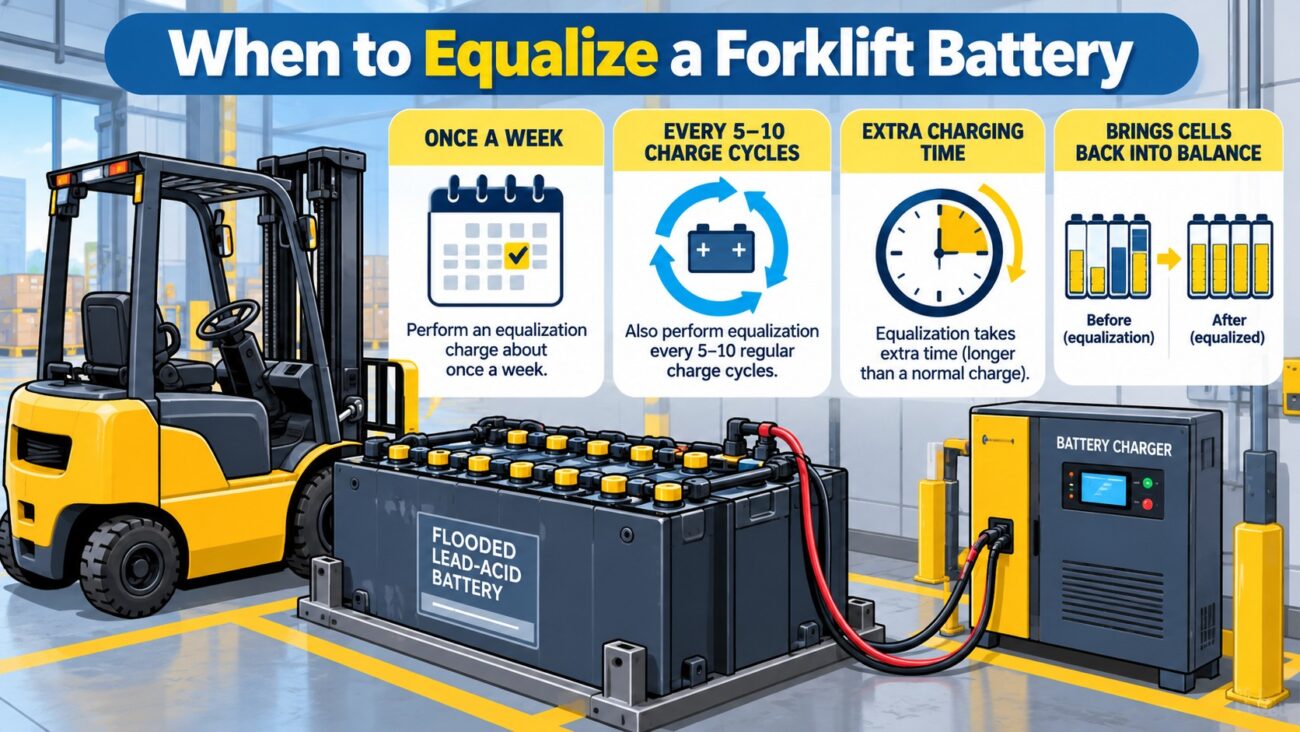
Investing in a low-noise electric forklift like the DL SERIES can lead to fewer employee complaints, improved concentration, and compliance with workplace noise regulations. Lithium-ion batteries also eliminate charging room noise associated with battery watering and equalization.
Making the Final Decision
To compare indoor electric forklifts effectively, test multiple models in your actual environment. Use a decibel meter app or tool to measure noise at the operator’s ear and at a distance. Document levels during lifting, travel, and idling. Prioritize models that consistently measure below 60 dB for maximum comfort.
For a reliable low-noise solution, explore the Liftron DL SERIES from Liftron Material Handling. Its combination of lithium-ion power and advanced AC motor technology delivers exceptional quietness without compromising performance.

Add a review
Your email address will not be published. Required fields are marked *