what is the fall zone for a forklift operation
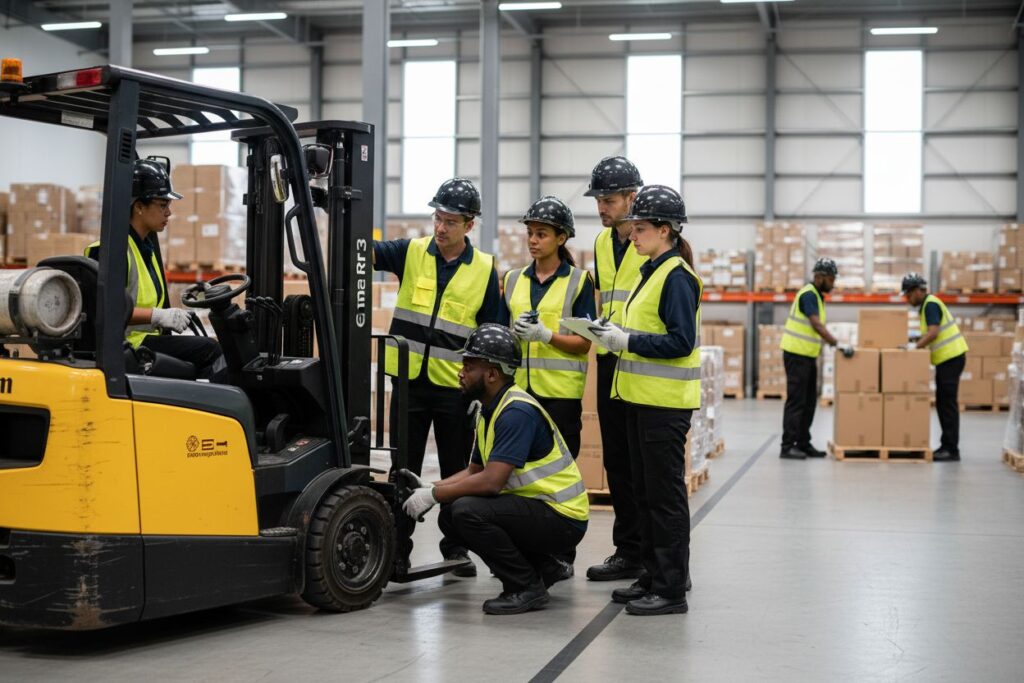
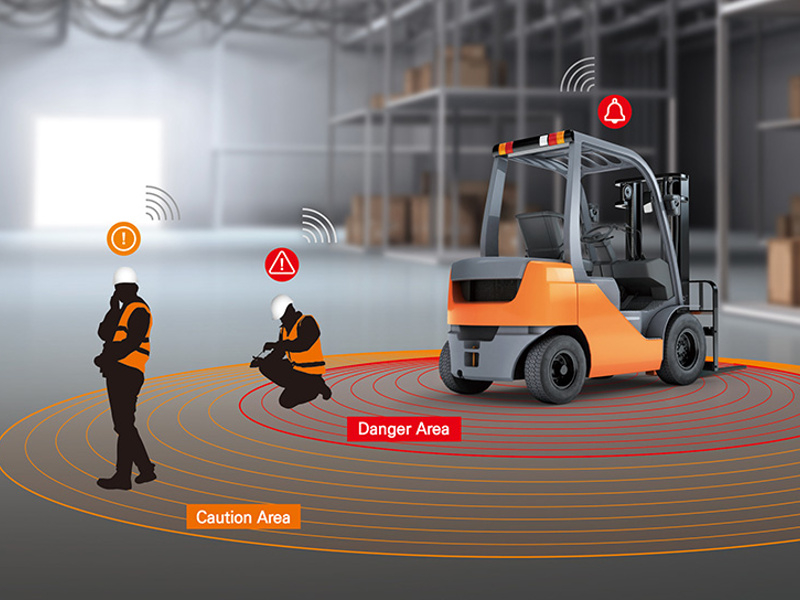
A fall zone in forklift operations is the dynamic area where loads, debris, or the forklift itself could fall during lifting, travel, or stacking, typically extending the full height and width of the lift path. Understanding and managing these zones is essential for workplace safety, regulatory compliance, and operational efficiency in warehouses and industrial facilities. OSHA data shows forklift accidents cause about 85 U.S. fatalities annually, making fall zone discipline foundational to a strong safety culture. Fall zones vary by forklift type and load height—general guidelines recommend a radius at least equal to the maximum lift height, with many operations using a 2:1 ratio for extra caution. Key scenarios include load lifting, traveling with elevated loads, stacking, and tip-overs. Effective management combines floor markings, visual indicators, operator training, pedestrian awareness, and modern equipment like lithium-ion forklifts with stability control and proximity sensors. Regulatory standards under OSHA and ANSI/ITSDF require employers to establish safe boundaries and prohibit standing under elevated loads. Integrating fall zone awareness into daily operations through training, technology, and emergency preparedness significantly reduces injury risks and protects business continuity.