
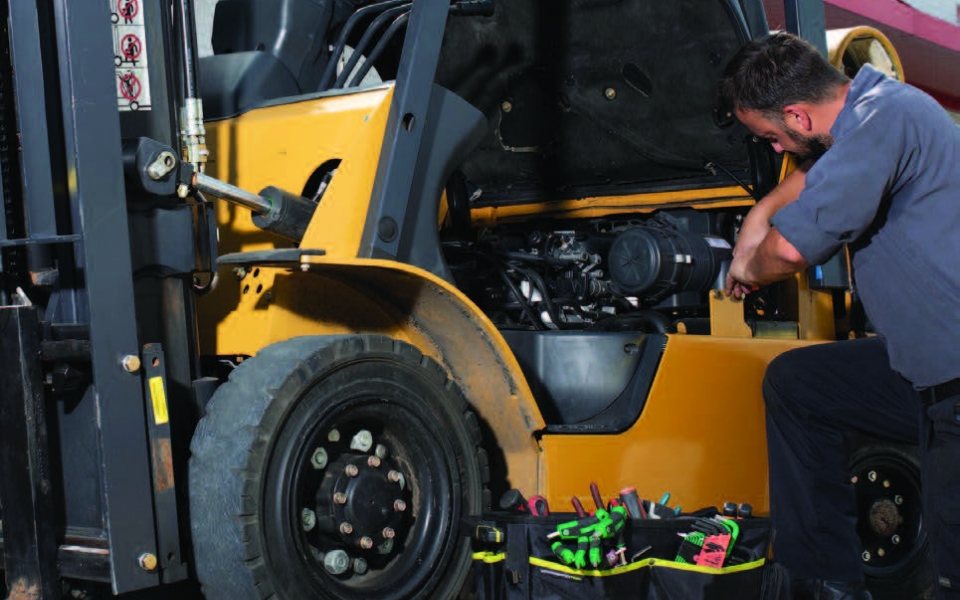
what is the best forklift maintenance system
Selecting the right forklift maintenance system is crucial for reducing downtime, extending equipment life, and maximizing warehouse productivity. The best system integrates preventive scheduling, real-time diagnostics, and seamless data tracking.
Core Components of an Ideal Maintenance System
Modern forklift maintenance goes beyond simple oil changes. The best systems offer a comprehensive approach that includes automated reminders, fleet management software, and direct access to service records. Predictive analytics, which uses data from sensors and usage logs, can alert you to potential failures before they occur.
Preventive vs. Predictive Maintenance
Preventive maintenance is scheduled at fixed intervals based on engine hours or calendar days. Predictive maintenance, however, monitors actual component health, such as tire wear or battery voltage drop. Combining both approaches yields the highest uptime. Many leading facilities turn to Liftron Material Handling for systems that blend these strategies with user-friendly interfaces.
Key Features to Look For
- Automated Work Orders: The system should generate tasks automatically when a lift truck reaches a service threshold.
- Mobile Accessibility: Technicians need to view checklists and log repairs from a tablet or smartphone on the warehouse floor.
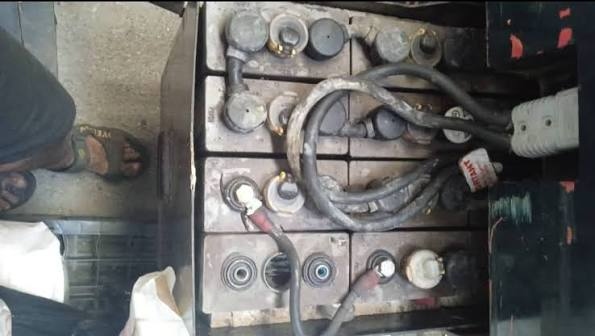
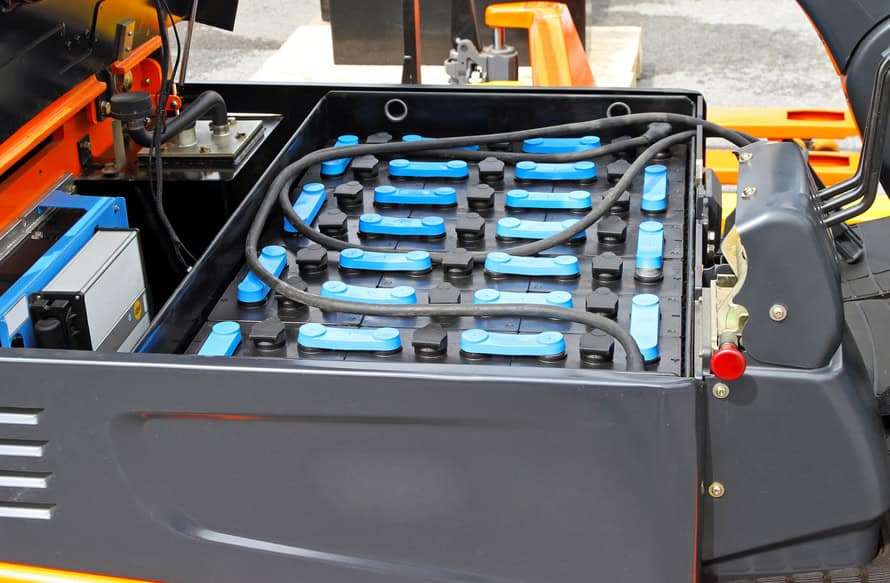
- Battery Management: Since lithium-ion batteries require different care, a good system tracks charge cycles and water levels separately.
- Parts Inventory Integration: Real-time stock levels of filters, fluids, and wear parts prevent delays.
Why Battery-Specific Tracking Matters
Different forklift configurations demand unique maintenance protocols. For instance, the Liftron DL SERIES uses lithium-ion technology that benefits from dedicated battery management software. A robust system will log voltage deviations, temperature spikes, and charge/discharge patterns to optimize battery lifespan.
Software Solutions and Implementation
Cloud-based platforms allow fleet managers to monitor multiple locations from a single dashboard. Look for systems that integrate with your existing ERP or warehouse management system. The best ones also provide driver behavior reports, which can reduce wear from harsh acceleration or excessive braking.
Implementation should involve training all operators and technicians. A phased rollout—starting with a pilot on five trucks—often works better than a company-wide switch overnight. Key performance indicators like mean time between failures and repair frequency should be tracked from day one.
Comparing Common System Types
| System Type | Best For | Typical Features |
|---|---|---|
| Basic Paper-Based Logs | Small fleets (under 5 trucks) | Manual checklists, low cost |
| Fleet Management Software | Medium to large warehouses | Digital scheduling, real-time alerts |
| Predictive Analytics System | High-utilization operations | Sensor integration, AI-driven alerts |
| Full Telematics Platform | Multi-site distribution centers | GPS tracking, battery health, impact detection |
Cost vs. Return on Investment
While advanced software can have an upfront license fee of several thousand dollars, the ROI is compelling. A good system reduces emergency repairs by up to 40% and can extend a forklift’s working life by 25%. When you factor in lower parts consumption and less unplanned downtime, even mid-sized fleets recoup the investment within 12 to 18 months.
Integration with Your Equipment
Not all maintenance systems work with every forklift brand. Verify that the system you choose supports the communication protocols used by your trucks. Many modern industrial vehicles, including those from Liftron Material Handling, come with built-in CAN bus interfaces that simplify data extraction. This ensures that your system automatically pulls engine hours, fault codes, and usage metrics.
Final Recommendations
There is no single “best” system for every warehouse, but the ideal one aligns with your fleet size, truck technology, and operational intensity. Start by identifying your biggest pain points—whether they are battery failures, unexpected breakdowns, or lack of accountability. Then choose a solution that offers scalability, strong mobile support, and vendor reliability. With the right system, forklift downtime becomes a managed exception rather than a daily crisis.
Add a review
Your email address will not be published. Required fields are marked *