how to find a good deal on wholesale forklifts

how to find a good deal on wholesale forklifts

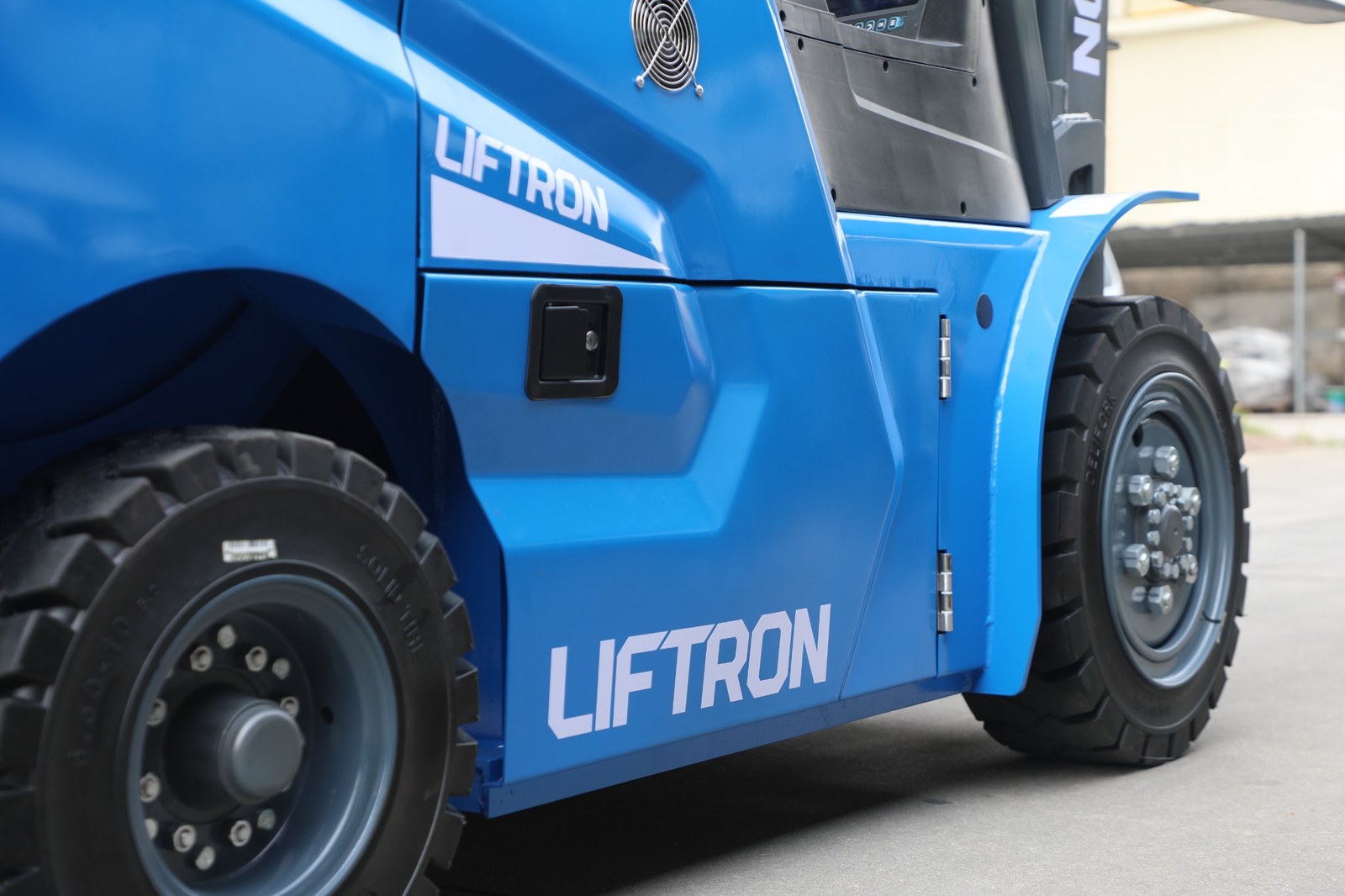
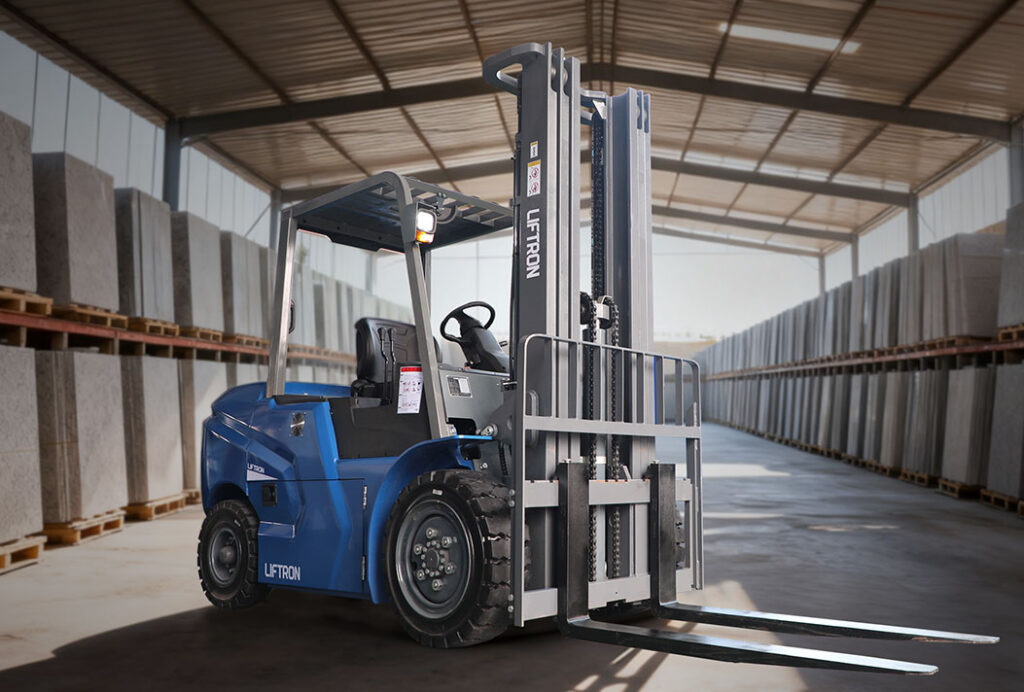
Finding a genuine deal on wholesale forklifts requires more than comparing price tags; strategic planning and thorough research are essential for securing affordable, reliable equipment without sacrificing quality or safety. Start by assessing your operational needs—load capacity, fuel type, and lift height—to avoid overbuying or underpowered machinery. Research reputable suppliers like Liftron Material Handling for transparent wholesale pricing and warranty options, and always compare multiple itemized quotes. Decide between new models (ideal for high-intensity use) and certified used units (great for lighter duties), and consider innovative designs like the Liftron DL SERIES lithium-ion forklift, which lowers total ownership costs through energy efficiency and reduced maintenance. Negotiate volume discounts, payment terms, and seasonal sales. Inspect equipment thoroughly, verify safety compliance (e.g., OSHA), and calculate total cost of ownership including energy and maintenance. Build long-term supplier relationships for preferential pricing. With these actionable steps, you can optimize your fleet cost-effectively while boosting warehouse productivity.
how much is a good used forklift

how much is a good used forklift

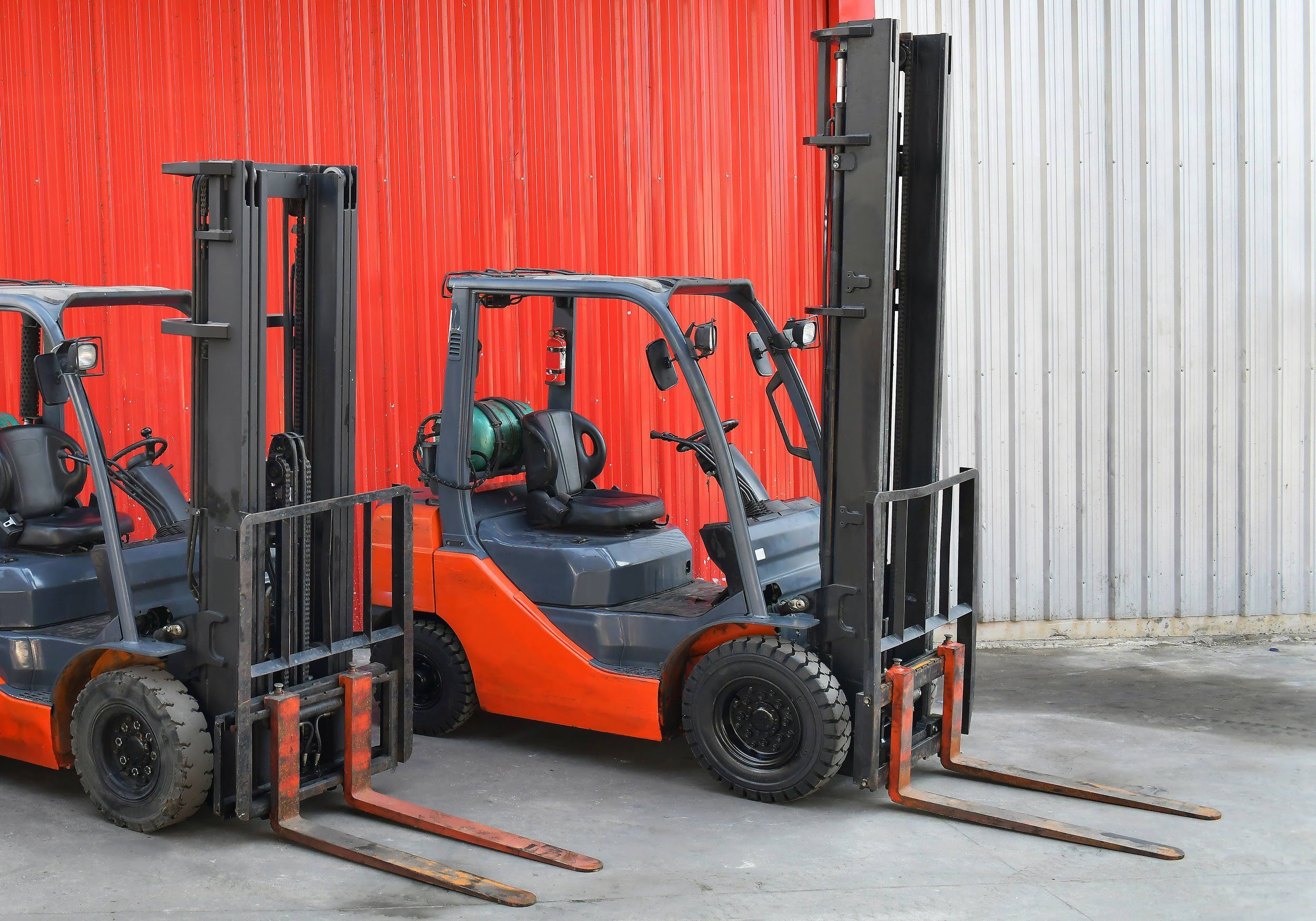
Used forklift prices typically range from $8,000 to $35,000, with well-maintained models from reputable brands averaging $15,000 to $25,000. The final cost depends on key factors like lift capacity, fuel type (electric, propane, or diesel), operating hours, age, tire condition, and attachments such as side shifters. Electric 3-wheel units start around $8,000, while rough terrain and lithium-ion models can exceed $35,000. Condition is critical—a low price may hide costly repairs, so always inspect the mast, hydraulics, and service records. Lithium-ion electric forklifts are gaining popularity for lower maintenance and zero emissions, with new models like the Liftron DL SERIES retaining strong value. Buying from authorized dealerships offers certified pre-owned units with warranties and financing options (5%–12% interest). Total ownership costs include $500–$2,000 annual maintenance and potential battery replacement. For long-term use, buying used is cost-effective; for under two years, consider leasing. Prioritize professionally inspected machines to avoid red flags like rust, leaks, or tampered meters.

how to drive a liftron stand up forklift

how to drive a liftron stand up forklift

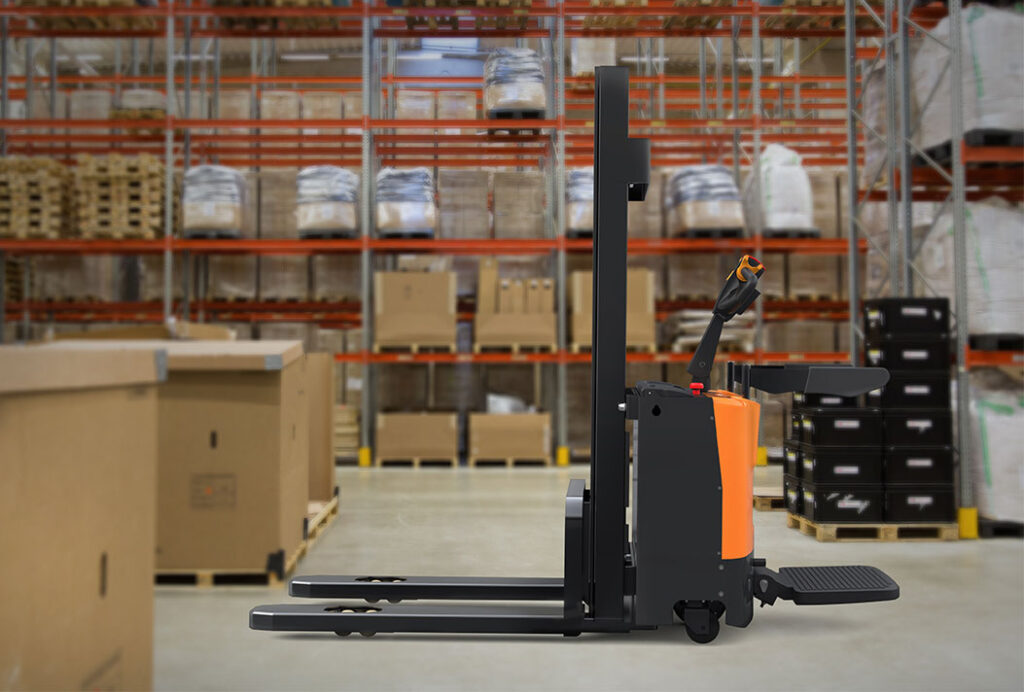
Learn to operate a stand-up forklift safely and efficiently with this comprehensive guide covering essential controls, pre-operation inspections, basic driving techniques, and load handling procedures. Start by understanding key components like steering tillers, drive controls, and mast lift levers, followed by daily safety checks for tires, fluids, forks, and battery systems. Master forward/reverse movements, tight-radius steering, and regenerative braking. Proper load handling includes approaching pallets straight-on, keeping loads low while traveling, and careful stacking techniques. Safety best practices emphasize wearing PPE, never exceeding rated capacity, maintaining three points of contact when mounting, and keeping hands/feet inside the compartment. Regular maintenance tasks like battery charging, tire pressure checks, and hydraulic fluid top-ups ensure reliability. OSHA requires formal training and certification for all operators, with refresher courses recommended. Following these protocols helps operators work confidently and productively while prioritizing safety in warehouse and loading environments.

how to determine age of liftron forklift

how to determine age of liftron forklift

Discover how to accurately determine the manufacturing year and month of any Liftron forklift using serial number decoding, model plate analysis, and physical inspection techniques. This guide explains the structured serial number system, where to locate model plates on the chassis or overhead guard, and how component date stamps on engines, batteries, and tires provide lower-bound age estimates. Design evolution clues, such as the introduction of AC drive motors in 2015 or lithium-ion battery options after 2020, help narrow down production years. Cross-reference findings with official resources from Liftron Material Handling, authorized dealer build sheets, or third-party equipment databases for confirmation. Accurate age data supports proper maintenance scheduling, resale valuation, and compliance with safety regulations, ensuring your lift truck operates reliably. Document all findings for future reference and contact Liftron directly for authoritative verification.

how to change the expansion valve on a liftron forklift

how to change the expansion valve on a liftron forklift

Learn how to replace the expansion valve on a Liftron forklift with this detailed step-by-step guide. Restore optimal cooling performance to your hydraulic system and prevent overheating damage. The guide covers essential tools and materials, safe refrigerant recovery, and proper installation of a compatible valve. It includes instructions for model-specific access, such as the Liftron DL SERIES, along with vacuum evacuation, recharging, and system testing. Important safety tips, common troubleshooting advice for issues like poor cooling or compressor cycling, and guidance on when to seek professional help are also provided. For reliable replacement, always use OEM parts and consult official manuals from Liftron Material Handling. Follow these procedures to extend forklift life and ensure safe, efficient operation.

what is free lift on a forklift

What Is Free Lift on a Forklift?

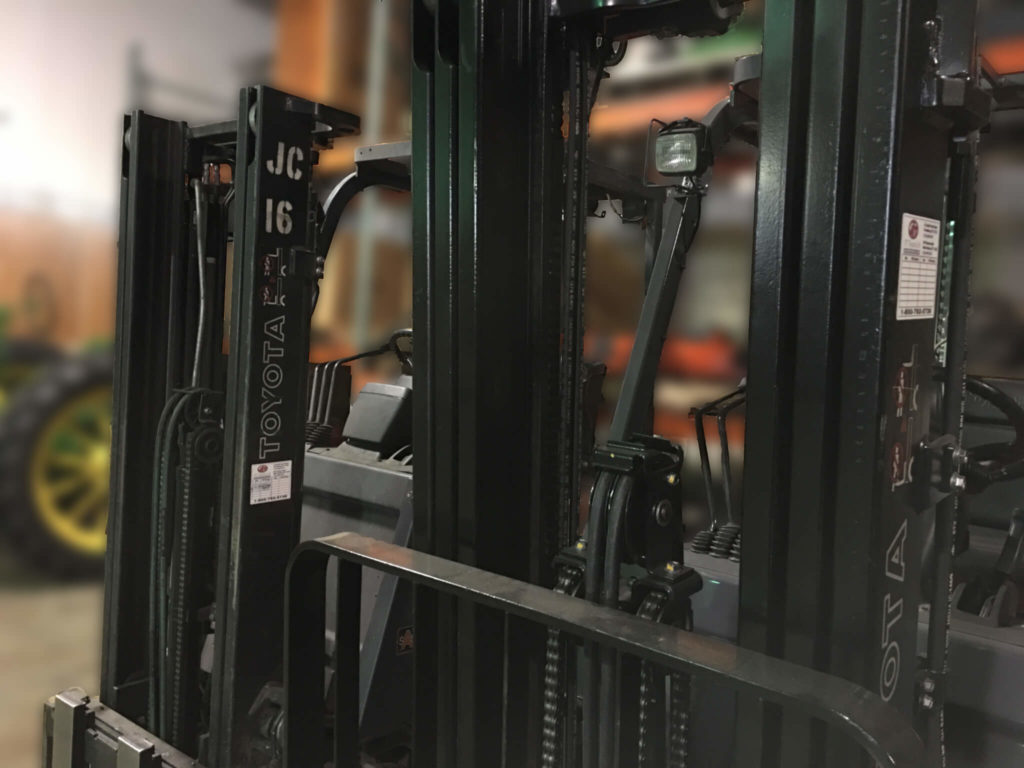
Free lift is the maximum height a forklift’s forks can be raised before the overall height of the mast begins increasing. It allows operators to lift and move loads safely in areas with limited overhead clearance.

Back to Top
Product has been added to your cart