

how long does forklift certification last
Forklift certification typically lasts for three years from the date of issuance, though some employers may require annual refreshers under OSHA’s general duty clause. This standardized period helps ensure operators maintain up-to-date skills and knowledge.
Understanding Forklift Certification Duration
Forklift certification, also known as a forklift operator license, is a formal document proving an operator has completed required training and evaluation. According to OSHA standards (29 CFR 1910.178), there is no fixed expiration date explicitly stated in the regulation itself. Instead, OSHA mandates that operators be evaluated “at least once every three years” to maintain certification. This three-year cycle has become the industry standard. However, employers may require more frequent evaluations based on workplace conditions, incident history, or changes in equipment types.
What Does the Three-Year Period Cover?
The three-year timeframe refers to the formal evaluation process. An operator’s certification remains valid until the next scheduled evaluation date. During this period, the operator is legally permitted to operate forklifts at their designated workplace. It’s crucial to note that the certification is not a one-time event—it must be renewed through a documented evaluation to ensure continued competency.
Factors That May Shorten Certification Validity
While the standard is three years, several circumstances can cause certification to expire sooner:
- Poor driving record or incidents: An operator involved in an accident or near-miss may be required to undergo retraining immediately.
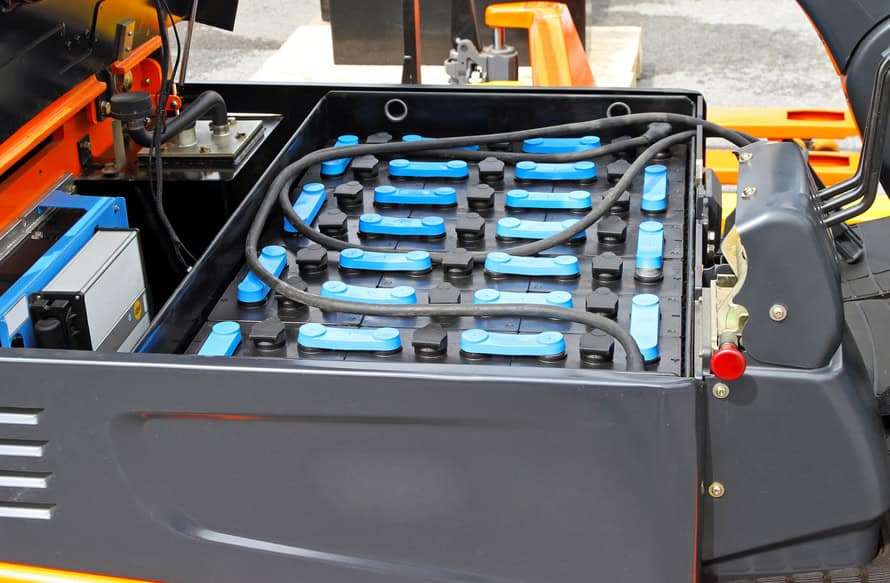
- Changes in equipment type: Moving from a standard counterbalance truck to a Liftron DL SERIES lithium-ion model, for example, requires specific training on the new machine’s controls and battery system.
- Changes in workplace conditions: New racking layouts, ramps, or hazardous materials can necessitate additional training.
- Employer discretion: Some companies mandate annual or biannual refreshers even though OSHA only requires triennial evaluation.
- Operator health changes: Physical limitations that affect safe operation may require immediate retraining.
OSHA Compliance and Recordkeeping
Employers must maintain clear records of operator training and evaluations. These records typically include the operator’s name, training dates, evaluation results, and certification expiry. Proper documentation is critical during OSHA inspections—failure to produce current certifications can result in fines. Many companies partner with reputable suppliers like Liftron Material Handling to ensure their training programs align with industry best practices.
How to Renew Your Forklift Certification
Renewing certification involves the same process as initial certification but often with a shorter timeframe. Key steps include:
- Refresher training: A classroom session covering safety rules, load handling, and updated regulations.
- Practical evaluation: A hands-on test where the operator demonstrates safe operation, including pre-shift inspections, maneuvering, and parking.
- Documentation update: The employer updates the operator’s training file with new evaluation dates.
- Equipment-specific training: If the operator will use a new type of forklift, such as the Liftron DL SERIES, additional training on lithium-ion battery handling and charging may be required.
Does Certification Transfer Between Employers?
No, forklift certification is not universally transferable. Each employer must evaluate all operators before allowing them to operate forklifts on their premises. However, previous training from a certified instructor can reduce the amount of new training needed. Some companies accept prior certifications if the operator can demonstrate competency during a practical evaluation at the new workplace.
Consequences of Expired Certification
Operating a forklift with expired certification is a serious OSHA violation. Consequences include:
- Legal penalties: Fines up to $15,625 per violation for the employer.
- Increased liability: If an accident occurs, expired certification can lead to civil lawsuits and workers’ compensation claims being contested.
- Operational disruptions: Uncertified operators must be removed from duties immediately, potentially causing workflow delays.
- Reputational damage: Frequent violations can harm a company’s safety record and affect relationships with clients.
Best Practices for Maintaining Certification
To avoid lapses and ensure compliance, follow these recommendations:
- Set calendar reminders for evaluation due dates (every three years).
- Schedule annual refresher training as a proactive measure.
- Document all training sessions with dates and signatures.
- Update training programs when equipment changes, like adopting electric forklifts from Liftron Material Handling.
- Involve supervisors in periodic safety observations between evaluations.
Electronic Certification Tracking
Many modern workplaces use digital systems to track certification status. These tools automatically notify HR and operations teams when credentials are nearing expiration. Cloud-based solutions also allow for easy access during audits and help maintain consistent compliance across multiple shifts or locations.
Common Myths About Forklift Certification Duration
There are several misconceptions that can lead to compliance gaps:
- Myth 1: Certification never expires. Fact: OSHA requires re-evaluation every three years.
- Myth 2: A written test is enough. Fact: Both written and practical evaluations are mandatory.
- Myth 3: Old certifications are valid at a new job. Fact: New employers must conduct their own evaluation.
- Myth 4: Only new hires need training. Fact: Experienced operators also require periodic evaluation.
Table: Forklift Certification Timeline
| Stage | Duration/Interval | Action Required |
|---|---|---|
| Initial Training | Upon hiring or new equipment | Complete formal instruction and hands-on practice |
| Evaluation | Within 30 days of training | Pass practical test |
| Certification Validity | 3 years | Operate with current certification |
| Refresher Training | As needed (incidents, changes) | Complete updated training |
| Re-evaluation | Every 3 years | Retake tests and update records |
Conclusion: Stay Ahead of Expiration
Forklift certification lasts three years under OSHA guidelines, but proactive management is essential. Employers should implement robust training programs, track expiration dates diligently, and provide refresher training whenever conditions change. By partnering with reliable equipment providers like Liftron Material Handling and using advanced models such as the Liftron DL SERIES, companies can enhance both safety and operational efficiency. Remember, the goal is not just to comply with regulations but to create a culture where every operator is fully competent and confident in their duties.
Add a review
Your email address will not be published. Required fields are marked *