
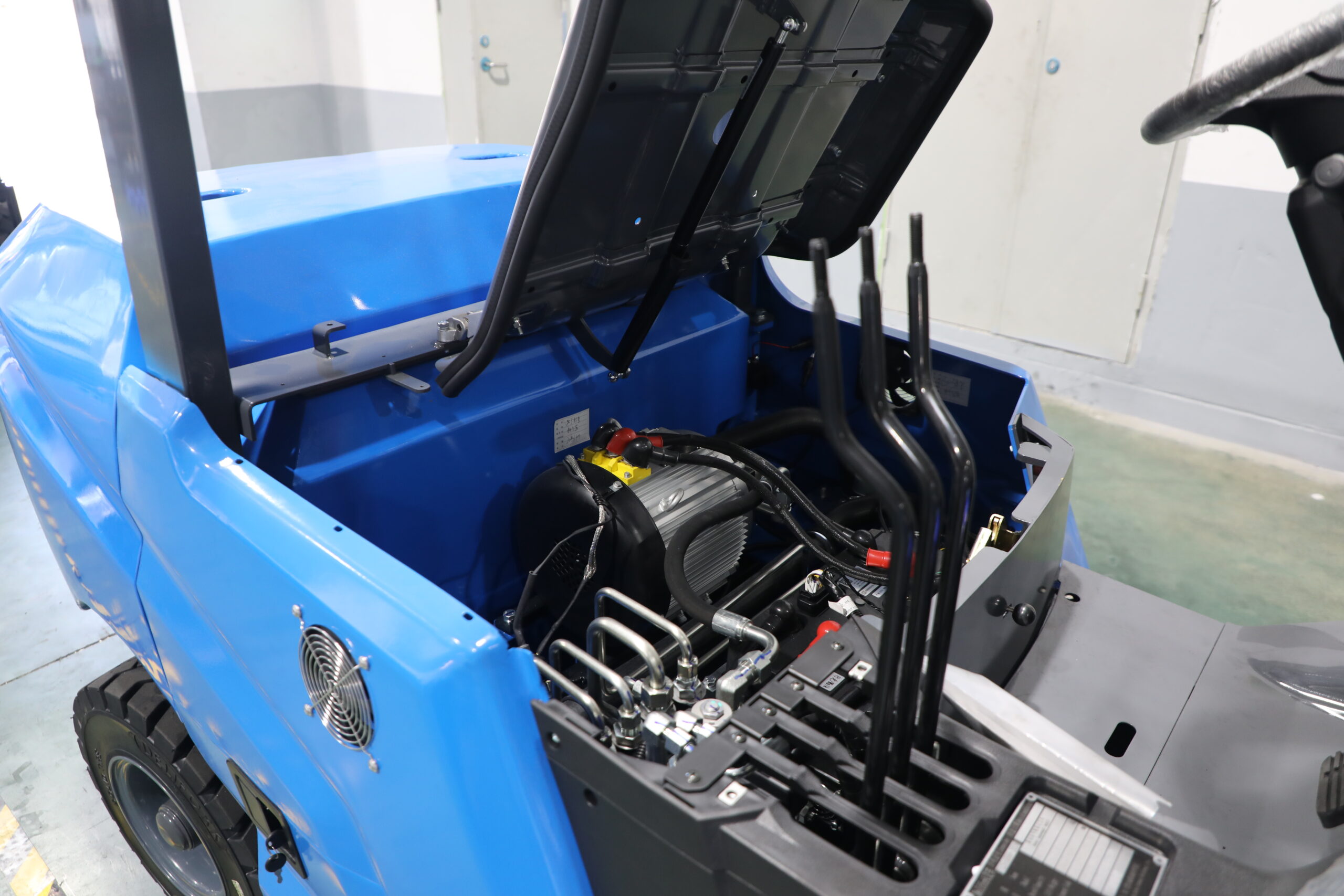
How to Lift the Seat on a Liftron Forklift
If you need to access the battery compartment, engine compartment, hydraulic components, or service area beneath the operator seat, knowing how to lift the seat on a Liftron forklift is an important maintenance step. Many forklifts are designed with a hinged seat deck or removable access panel that allows technicians and trained operators to inspect key components without disassembling the entire truck. However, the process should always be performed carefully because the seat deck can be heavy, and the area beneath it may contain electrical, hydraulic, or mechanical systems.
This guide explains how to lift the seat deck safely, using Liftron Material Handling equipment as the example. It also covers the difference between lifting the seat deck for service access and adjusting the seat position for normal driving comfort. Whether you operate a warehouse forklift, an electric counterbalance forklift, or a Liftron DE Series style lithium-ion forklift, the basic safety principles are similar: park the truck correctly, stabilize it, release the latch, lift with control, and secure the seat deck before inspection.
Why You May Need to Lift the Forklift Seat
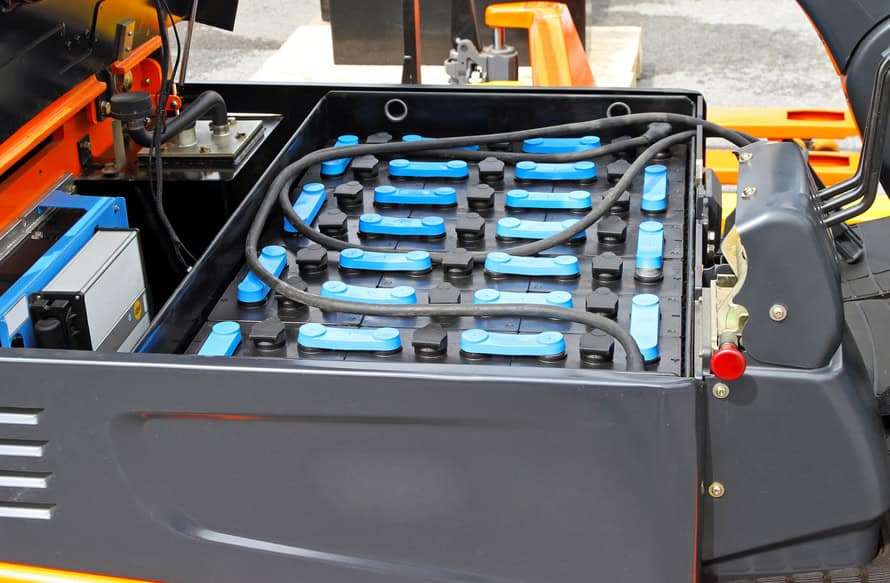
On many forklifts, the area below the seat provides access to components that may need routine inspection or service. Depending on the model and power type, this area may include the battery compartment, electrical controller, hydraulic oil access point, engine bay, fuse area, wiring, charging-related components, or other service points. For lithium-ion electric forklifts, the seat deck may provide access to battery-related inspection areas or other under-seat systems.
Lifting the seat is not the same as adjusting the seat for driving. Lifting the seat deck is a maintenance access procedure. Seat adjustment, on the other hand, is done to help the operator sit at the correct distance and height for safe operation. Confusing the two can lead to unsafe habits. Operators should only open the seat deck when the forklift is parked, powered down according to the manual, and prepared for inspection or maintenance.
Before You Lift the Seat: Safety First
Before performing any maintenance or inspection, make sure the forklift is parked on level ground. Avoid opening the seat deck on a ramp, dock edge, slope, trailer bed, or uneven surface. A stable surface reduces the risk of the truck moving or the seat deck shifting unexpectedly.
Next, lower the forks fully to the ground, place the travel control in neutral, and engage the parking brake. If your workplace uses lockout/tagout procedures for maintenance, follow those procedures before working near electrical or mechanical components. For electric forklifts, the truck should be turned off and secured according to the manufacturer’s instructions. For internal combustion models, allow hot components to cool before placing your hands near the compartment.
Operators should wear appropriate personal protective equipment when required, such as safety gloves, eye protection, and safety footwear. If you are unsure whether you are authorized to open the seat deck or service the forklift, ask a supervisor, maintenance technician, or dealer representative before continuing.
How to Lift the Seat Deck on a Liftron Forklift
The following steps explain the general method for lifting the seat deck on a Liftron forklift. Exact latch location and component layout may vary by model, so always check the operator manual for your specific forklift before performing maintenance.
Step 1: Engage the Parking Brake
Start by parking the forklift in a safe, level area away from traffic, pedestrians, dock edges, and active loading zones. Lower the forks to the floor, set the direction control to neutral, and turn off the forklift according to the operating instructions. Then engage the parking brake firmly.
This step is important because lifting the seat may place you close to moving parts, electrical components, or service areas. If the truck rolls or shifts while the seat deck is open, it can create a serious hazard. Do not skip the parking brake, even if you are only opening the seat for a quick visual check.
Step 2: Find the Release Latch
After the truck is secured, locate the seat deck release latch. On many forklifts, the latch is positioned at the rear or side of the seat assembly. Some models may have a handle, lever, pull tab, or locking mechanism near the seat base. The release may be designed to keep the seat deck from opening accidentally during operation.
For a Liftron DD Series example, the release latch is generally treated as the first point of access for lifting the seat deck. Look around the rear or side of the seat frame and identify the latch before applying force. Do not pry the seat open with a tool unless the manual specifically instructs you to do so. Forcing the latch can damage the seat frame, hinge, wiring, or locking mechanism.
Step 3: Disengage and Lift
Once you have found the release latch, disengage it carefully. Keep one hand on the seat or seat deck so it does not move suddenly. Then lift the seat upward in a controlled motion. Some seat decks may feel heavier than expected because they include the seat assembly, mounting frame, and possibly other attached parts.
Do not place your fingers near pinch points around the hinge, latch, or side panels. Lift from a stable position and avoid twisting your back. If the seat deck does not move freely after the latch is released, stop and inspect the area. There may be another latch, a safety catch, a stuck hinge, or an obstruction. Never force the deck open without understanding what is holding it in place.
Step 4: Secure the Prop
After the seat deck is raised, secure it with the support prop, gas strut, stay rod, or locking support provided on the forklift. This is one of the most important steps. An unsecured seat deck can fall unexpectedly and cause hand, arm, head, or shoulder injuries.
Make sure the prop is fully engaged before placing your hands or tools under the seat deck. Lightly test that the deck is supported before beginning inspection. If the prop is damaged, loose, missing, or unable to hold the seat deck securely, do not work under the seat. Contact a qualified technician or service provider.
What to Check After the Seat Deck Is Open
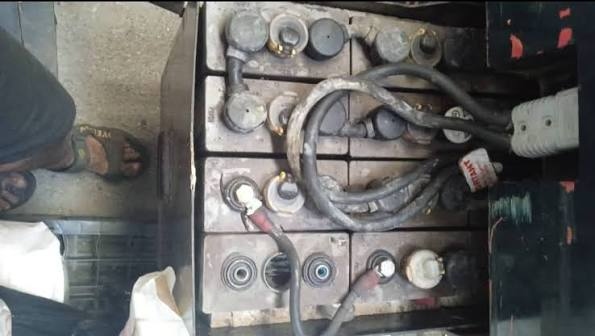
Once the seat deck is safely supported, you may be able to inspect the battery area, wiring, hydraulic lines, fluid access points, or other components depending on the forklift model. Keep the inspection visual unless you are trained and authorized to perform maintenance. Look for obvious signs of damage, loose connections, corrosion, fluid leaks, unusual odors, damaged insulation, or debris buildup.
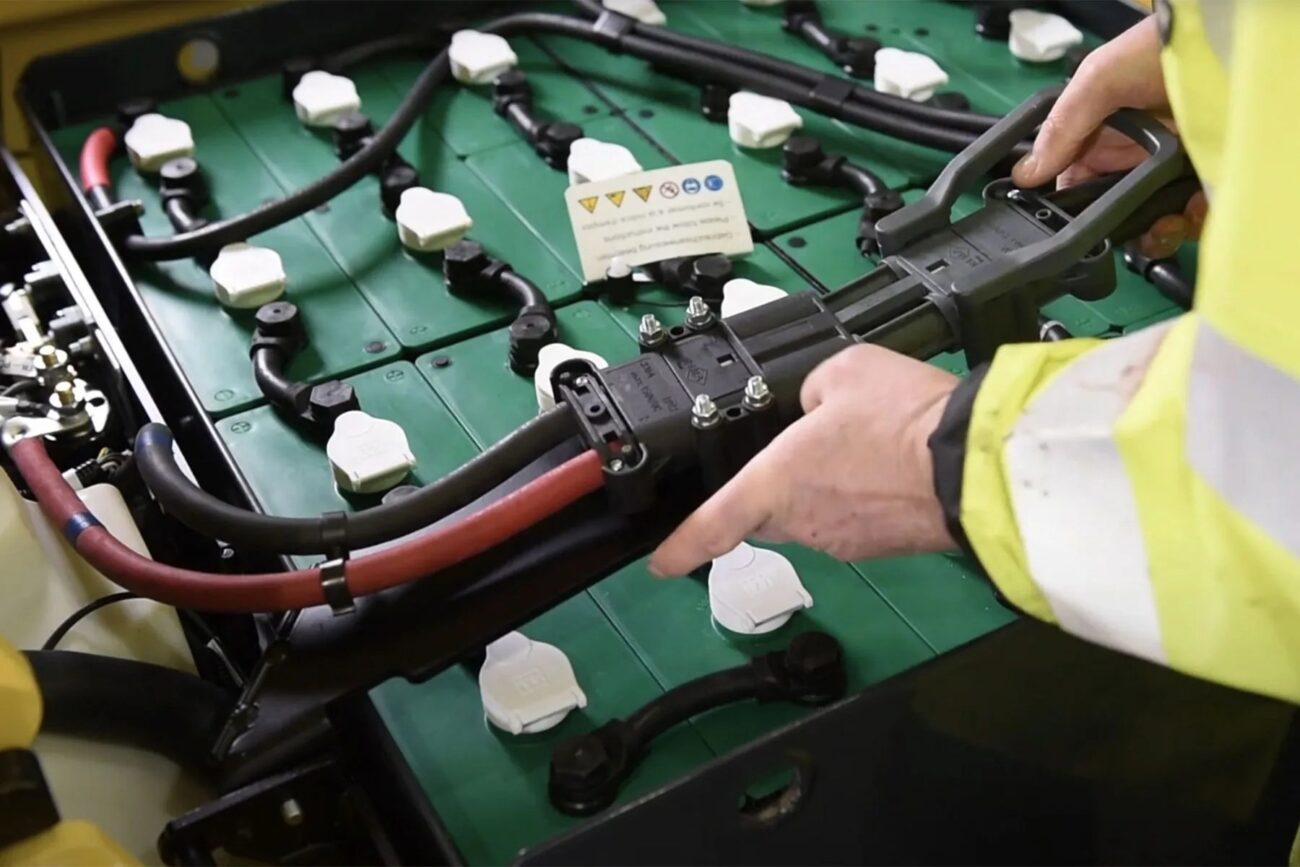
For lithium-ion models, never attempt to open sealed battery components unless you are specifically trained and authorized. Battery systems can involve high voltage and specialized safety procedures. If you notice warning lights, charging issues, battery damage, or abnormal heat, stop using the forklift and report the issue to maintenance.
How to Lower the Seat Deck Safely
When the inspection or maintenance is complete, remove all tools, rags, and loose items from the compartment. Hold the seat deck securely before releasing the support prop. Lower the seat slowly and keep your hands away from hinge and latch areas. Once the seat deck is fully lowered, confirm that the latch locks into place.
Do not operate the forklift if the seat deck is not fully closed and latched. An unsecured seat deck may shift during operation, interfere with the operator’s position, or expose components to damage. After closing the seat, sit in the operator position and confirm that the seat is stable before restarting the forklift.
Adjusting the Seat Position for Operating
If you simply need to adjust the seat for driving, you do not need to lift the entire seat deck. Seat adjustment is done from the operator position and is intended to improve comfort, control, and visibility.
Adjusting Seat Distance
To adjust the seat distance, locate the adjustment lever beneath the front of the seat. Pull the lever, use your body weight to slide the seat forward or backward, and release the lever to lock the seat into place. After releasing the lever, gently rock the seat to confirm it is locked. The operator should be able to reach the pedals, steering wheel, hydraulic controls, and direction controls comfortably without stretching.
Adjusting Weight or Height Tension
Many premium forklift seats include a weight or height tension adjustment knob, usually located at the bottom front or side of the seat. On some Liftron electric forklift configurations, luxury-style seats may include this type of adjustment to improve operator comfort. Turn the knob to match your body weight so the seat suspension does not bottom out during travel.
A properly adjusted seat helps reduce fatigue and improves control during long shifts. However, seat suspension adjustment should not be confused with forklift suspension or lifting the seat deck. It only changes how the operator seat supports the driver.
Common Mistakes to Avoid
One common mistake is lifting the seat without setting the parking brake. Another is failing to secure the prop before placing hands under the seat deck. Operators should also avoid using excessive force on the release latch, leaving tools inside the compartment, or operating the forklift with the seat deck unlatched.
Another mistake is assuming all forklift seats open the same way. Different models may use different latch locations, hinges, seat switches, electrical connectors, or safety props. Always follow the manual for the exact truck being serviced.
Conclusion
To lift the seat on a Liftron forklift, park the truck on level ground, engage the parking brake, locate the release latch at the rear or side of the seat, disengage the latch, raise the seat deck carefully, and secure the prop before inspecting the compartment. This process is commonly used to access the battery, engine compartment, or other service areas, depending on the model.
For normal operation, use the seat adjustment lever and weight or height tension knob to position the seat correctly. Whether you are inspecting a Liftron DD Series forklift or adjusting the operator seat on another Liftron model, safety should always come first. Follow the operator manual, use proper maintenance procedures, and never work under an unsecured seat deck.
Add a review
Your email address will not be published. Required fields are marked *