
How much weight can a 360 degree forklift pick up
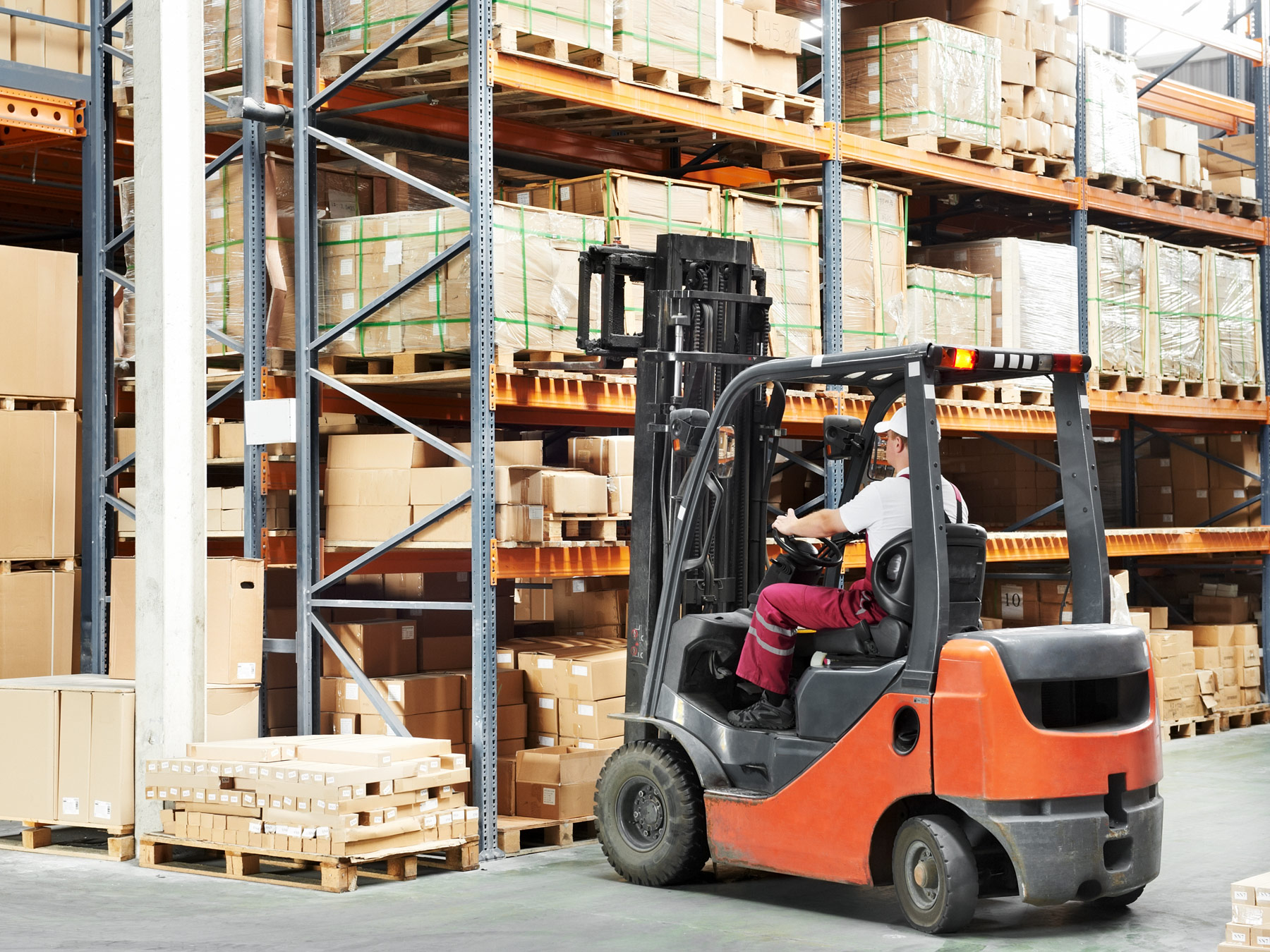
Understanding the lifting capacity of a 360-degree forklift is crucial for optimizing warehouse efficiency and ensuring safety. These specialized machines can typically handle between 1,500 kg and 5,000 kg, though exact capacity depends on the model and configuration.
What Determines the Lifting Capacity
The weight a 360-degree forklift can pick up is influenced by several key factors, including the forklift’s design, battery type, load center, and attachment specifications. Unlike standard counterbalance forklifts, these units rotate their mast and operator compartment to navigate tight aisles, which affects their stability and maximum payload.
Load Center and Stability
Most 360-degree forklifts are rated for a 24-inch or 500 mm load center. If the load’s center of gravity shifts further from the mast, the safe lifting capacity decreases. For example, a forklift rated for 2,000 kg at a 500 mm load center may only lift 1,500 kg if the center extends to 600 mm. Always consult the specific capacity chart for your model.
Battery Type and Weight
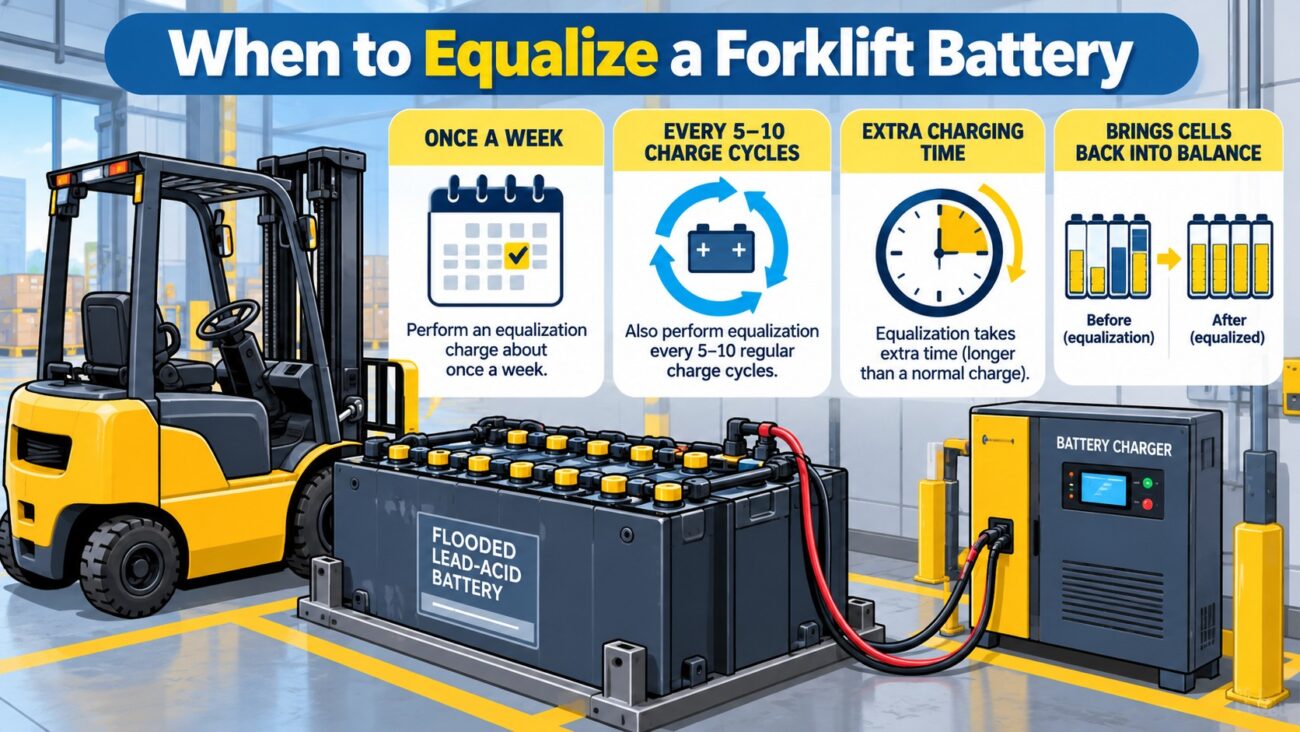
Electric 360-degree forklifts use either lead-acid or lithium-ion batteries. Lithium-ion batteries, such as those in the Liftron DL SERIES, are lighter and provide consistent power, allowing for higher payloads without compromising maneuverability. Lead-acid batteries add significant weight, which can alter the counterbalance and reduce lifting capacity slightly.
Typical Capacity Ranges by Application
Below is a general breakdown of lifting capacities for common 360-degree forklift classes:
| Forklift Class | Typical Load Capacity (kg) | Common Use Cases |
|---|---|---|
| Compact / Narrow Aisle | 1,500 – 2,000 | Light storage, small warehouses |
| Medium Duty | 2,500 – 3,500 | Retail distribution, medium warehouses |
| Heavy Duty | 4,000 – 5,000 | Industrial, large distribution centers |
How to Maximize Lifting Capacity
To get the most out of your 360-degree forklift, follow these best practices:
- Check load center: Always verify the load center distance and adjust your payload accordingly.
- Use proper attachments: Forks, clamps, and rotators must be rated for the load weight. Heavy attachments reduce effective capacity.
- Maintain battery health: A fully charged lithium-ion battery provides optimal power and stability. Liftron Material Handling offers advanced battery solutions that enhance performance.
- Train operators: Skilled operators understand the forklift’s limits and avoid overload situations.
Choosing the Right Model for Your Load
If you frequently handle loads between 2,000 kg and 3,000 kg, consider the Liftron DL SERIES. These models combine a rotating mast with lithium-ion power, delivering reliable lifting capacity up to 3,000 kg while maintaining tight turning radii. For heavier loads above 4,000 kg, look for heavy-duty variants with reinforced frames and larger counterweights.
Safety Considerations
Lifting capacity is not just about what the machine can theoretically hold—it’s about what is safe. Overloading a 360-degree forklift can cause tip-overs, mast damage, or battery failure. Always adhere to the capacity plate on the forklift and never exceed dynamic limits during rotation or travel. Liftron Material Handling provides detailed capacity charts and operator training resources to ensure safe operation.
Conclusion
A 360-degree forklift can pick up between 1,500 kg and 5,000 kg, depending on the model, load center, and battery type. By understanding these variables and selecting the right equipment from trusted suppliers like Liftron Material Handling, you can maximize productivity while maintaining safety. Always consult the manufacturer’s specifications before lifting any load.
Add a review
Your email address will not be published. Required fields are marked *