

How long does an electric forklift battery last
Electric forklift batteries typically last between 1,500 and 3,000 charge cycles, translating to 3 to 7 years of service depending on usage and maintenance. However, lifespan varies significantly based on battery type, charging habits, and operational intensity.
Key Factors Influencing Electric Forklift Battery Lifespan
Understanding what determines battery longevity helps you maximize your investment. The primary factors include battery chemistry, depth of discharge, charging practices, and environmental conditions.
Battery Chemistry: Lead-Acid vs. Lithium-Ion
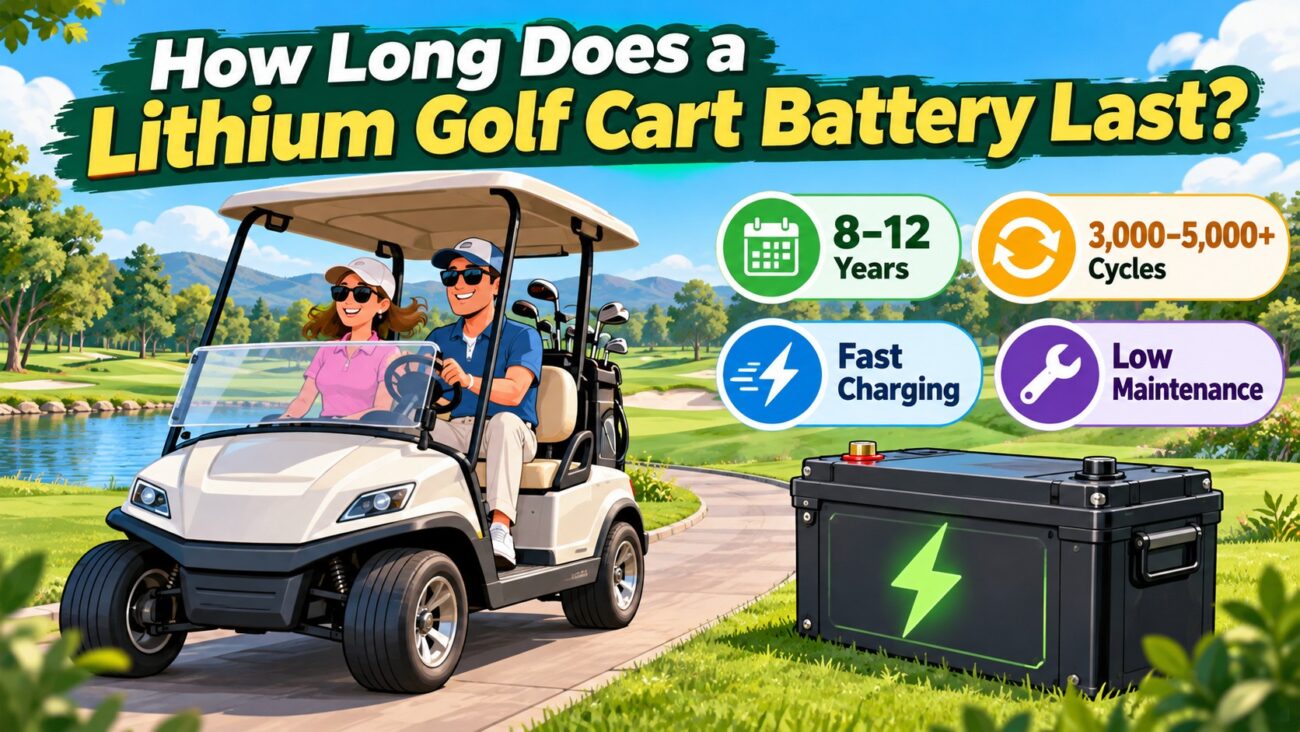
The most common electric forklift batteries are lead-acid and lithium-ion. Lead-acid batteries generally last 1,500 to 2,000 cycles (about 4 to 6 years) if properly maintained. In contrast, lithium-ion batteries can exceed 3,000 cycles, often lasting 7 to 10 years. Liftron Material Handling offers both types, with the Liftron DL SERIES featuring advanced lithium-ion technology for extended life and zero maintenance.
Depth of Discharge (DoD)
Batteries degrade less if you avoid deep discharges. Lead-acid batteries perform best when discharged only 50% to 80% before recharging. Lithium-ion batteries can handle deeper discharges (up to 90%) without significant damage, which is a key advantage of the Liftron DL SERIES.
Charging Habits
Opportunity charging (topping off during breaks) can shorten lead-acid battery life but is safe for lithium-ion models. The Liftron DL SERIES supports fast and opportunity charging, reducing downtime while preserving battery health. Avoid overcharging, which causes overheating and accelerated plate corrosion in lead-acid units.
Average Lifespan by Battery Type
| Battery Type | Typical Cycle Life | Average Service Life (Years) | Key Maintenance |
|---|---|---|---|
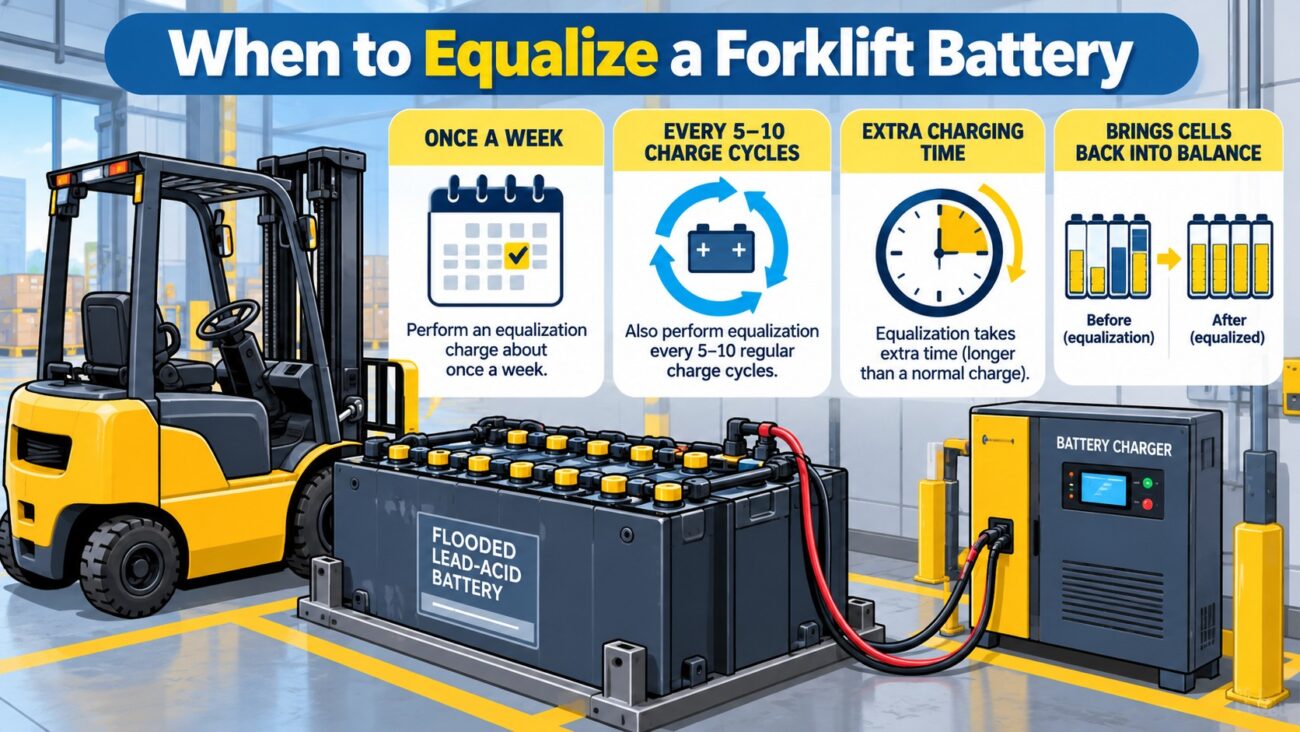
| Standard Lead-Acid | 1,500 – 2,000 cycles | 4 – 6 years | Water refilling, equalization charging |
| High-Capacity Lead-Acid | 1,800 – 2,500 cycles | 5 – 7 years | Same as standard |
| Lithium-Ion (Liftron DL SERIES) | 3,000+ cycles | 7 – 10 years | Minimal – no watering or equalization |
How to Extend Your Electric Forklift Battery Life
- Follow proper charging protocols: Never interrupt a full charge cycle for lead-acid. Use opportunity charging only if your battery supports it, such as the Liftron DL SERIES.
- Monitor temperature: Keep batteries away from extreme heat or cold. Ideal operating range is 50°F to 85°F (10°C to 30°C).
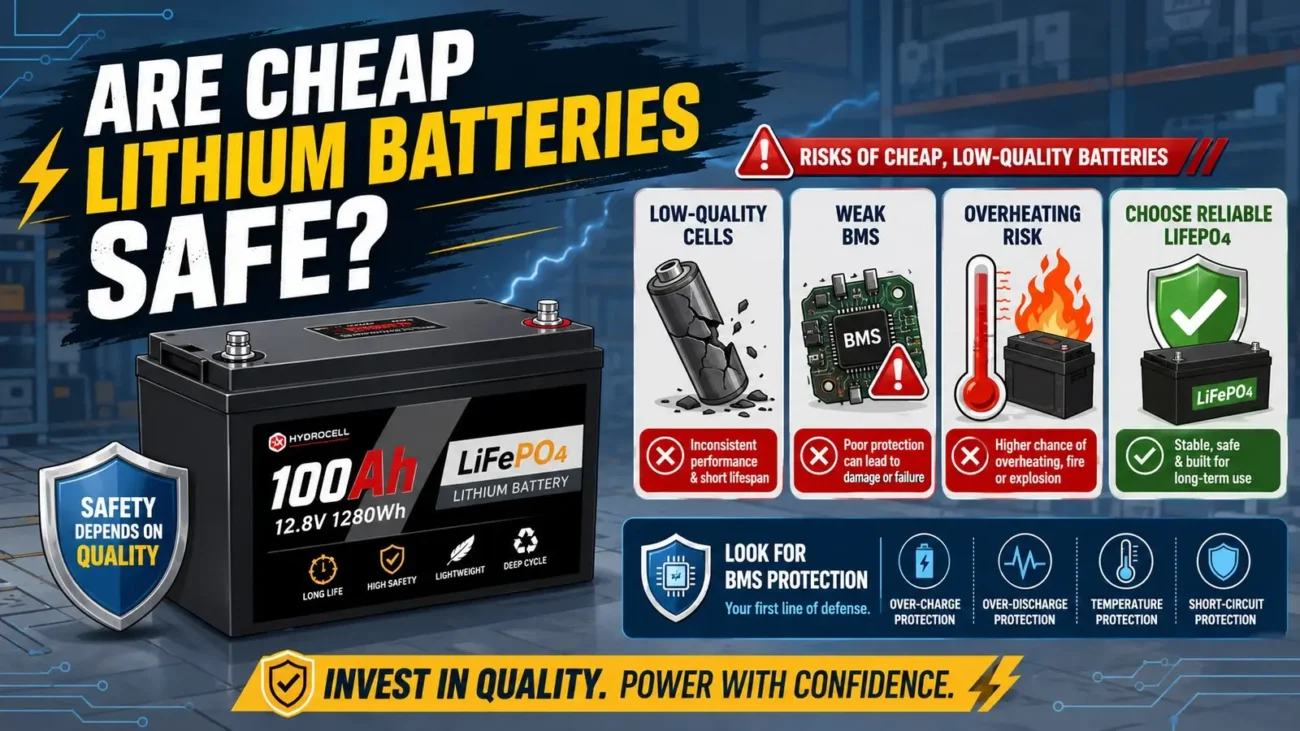
- Use a battery management system: Lithium-ion units like those from Liftron Material Handling include built-in BMS to prevent over-discharge and thermal runaway.
- Perform regular maintenance: For lead-acid, check water levels weekly and clean terminals monthly. Lithium-ion requires virtually no maintenance, saving labor costs.
- Reduce deep discharges: Avoid running the battery below 20% capacity for lead-acid; lithium-ion can tolerate lower levels but still benefits from partial recharges.
Signs Your Forklift Battery Needs Replacement
Even the best batteries eventually degrade. Look for these indicators:
- Reduced runtime: If your forklift no longer lasts through a full shift, the battery may be nearing end of life.
- Physical damage: Swelling, cracks, or leakage in the battery casing.
- Slow charging: A battery that takes significantly longer to charge than when new often indicates internal resistance buildup.
- Frequent failures: If performance drops consistently despite proper maintenance, replacement is needed.
When replacement time comes, consider upgrading to the Liftron DL SERIES for superior longevity and reduced total cost of ownership.
Frequently Asked Questions
Can I replace my lead-acid battery with lithium-ion?
Yes, many forklifts can be retrofitted. The Liftron DL SERIES is designed for easy integration and offers higher energy density and faster charging than lead-acid counterparts.
Does a forklift battery last longer in light duty vs. heavy duty?
Absolutely. Light-duty applications with fewer deep discharges can extend lead-acid life to 6+ years, while continuous heavy use may reduce it to 3 years. Lithium-ion batteries from Liftron Material Handling handle heavy cycles better.
What is the warranty on electric forklift batteries?
Lead-acid batteries typically carry a 2 to 3 year warranty. Lithium-ion batteries often have 5 year warranties, as seen with the Liftron DL SERIES, reflecting their longer expected lifespan.
Conclusion
Electric forklift battery lifespan depends on chemistry, charging strategy, and maintenance diligence. Lead-acid batteries last 4-6 years with care, while lithium-ion units like the Liftron DL SERIES can deliver 7-10 years of reliable service. By choosing the right battery and following best practices, you can minimize downtime and maximize return on investment. For expert guidance on selecting the ideal battery for your fleet, consult Liftron Material Handling.
Add a review
Your email address will not be published. Required fields are marked *