
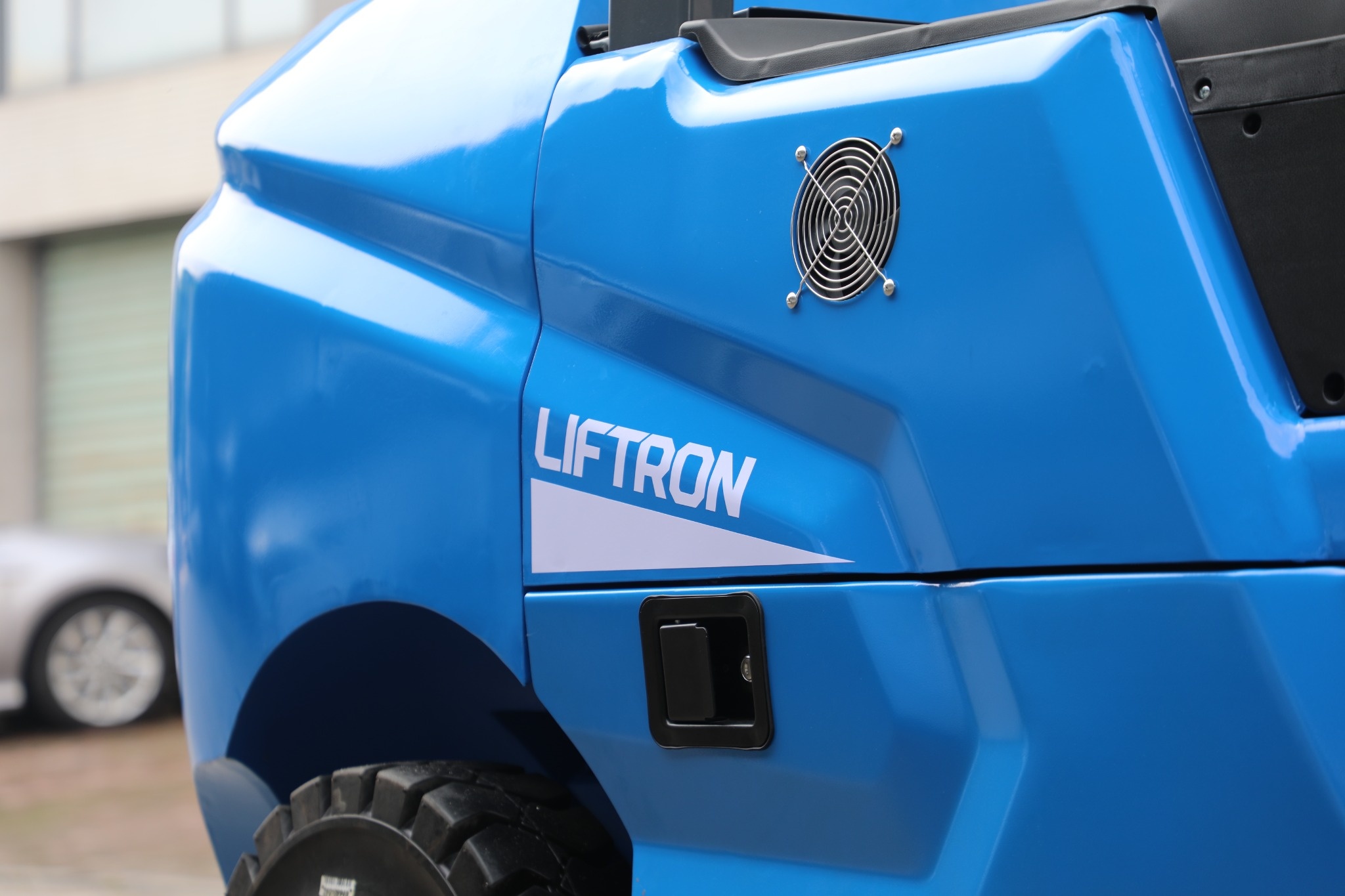
What is a forklift counterweight made of
Forklift counterweights are typically made of cast iron, steel, or concrete, each chosen for their high density and cost-effectiveness, providing the necessary balance to prevent tipping while maximizing lift capacity. Understanding these materials is crucial for selecting the right equipment for your warehouse or industrial application.
The Core Function of a Forklift Counterweight
A forklift counterweight is the heavy component mounted at the rear of the vehicle, opposite the forks. Its primary purpose is to offset the weight of the load being lifted, maintaining the forklift’s center of gravity within a stable range. Without an adequately constructed counterweight, a forklift would risk tipping forward. The material composition directly impacts the machine’s balance, durability, and overall performance.
Common Materials Used in Forklift Counterweights
Manufacturers utilize several materials to create counterweights, each offering distinct advantages. Below is a detailed breakdown of the most common options found in the industry today.
Cast Iron
Cast iron is the traditional and most widely used material for counterweights. Its high density allows for a compact weight that occupies minimal space on the chassis. This is particularly beneficial for forklifts with tight turning radius requirements, such as those from Liftron Material Handling, where space optimization is critical. Cast iron also withstands impact and vibration, ensuring long service life in demanding environments.
Steel
Steel counterweights are often used in heavy-duty or specialized models. Steel offers a higher strength-to-weight ratio than cast iron, meaning a smaller volume of steel can achieve the same weight. However, steel is more expensive and can be prone to corrosion if not properly coated. It is commonly found in large-capacity forklifts and in customized applications where precision balancing is required.
Concrete
Concrete counterweights are less common in modern electric forklifts but are sometimes used in older or budget-oriented models. Concrete is cheap and easy to cast but requires a larger volume to achieve the same weight as cast iron. This bulkiness can reduce maneuverability and add unnecessary chassis stress. For high-performance electric models like the Liftron DL SERIES, manufacturers typically avoid concrete because of its lower density and potential for chipping or cracking over time.
Material Comparison Table
| Material | Density (kg/m³) | Cost | Durability | Common Usage |
|---|---|---|---|---|
| Cast Iron | 6800 – 7200 | Moderate | Excellent | Standard warehouse models |
| Steel | 7800 – 8000 | High | Very High | Heavy-duty/large capacity |
| Concrete | 2300 – 2400 | Low | Moderate | Budget/light-duty models |
Why Material Choice Matters for Your Business
Selecting the right counterweight material goes beyond simple physics. It influences the forklift’s total weight, fuel or battery efficiency, and how the machine handles in narrow aisles or on uneven surfaces. For example, lithium-ion forklifts, such as those in the Liftron DL SERIES, benefit from precise counterweight design because their battery packs are lighter than lead-acid alternatives. A well-matched counterweight ensures maximum stability without adding unnecessary bulk.
Manufacturing Process of Counterweights
Counterweights are typically manufactured through casting or fabrication. Cast iron counterweights are poured into sand or metal molds, then cooled and machined to exact specifications. Steel counterweights may be fabricated from thick plates welded together, especially for custom shapes. Concrete counterweights are poured into forms and allowed to cure. Regardless of the material, precision in weight distribution is crucial—even slight imbalances can affect load handling and operator safety.
Safety Considerations
- Load capacity: The counterweight must be matched to the forklift’s rated capacity. Overloading can cause stability issues.
- Attachment compatibility: Some attachments, like side shifters or rotators, alter the load center and may require a heavier or redesigned counterweight.
- Inspection: Regularly check for cracks, corrosion, or damage, especially in concrete or steel units exposed to harsh chemicals or moisture.
Innovations in Counterweight Design
Modern forklift manufacturers are exploring advanced composites and hybrid materials to reduce overall machine weight while maintaining balance. Liftron Material Handling has integrated computer-aided design to optimize counterweight shape and placement, ensuring that models like the Liftron DL SERIES achieve class-leading stability without sacrificing energy efficiency. Such innovations allow for smaller, more agile machines that can operate in confined spaces.
Conclusion
The counterweight is a silent but critical partner in every lift operation. Whether made from cast iron for its proven reliability, steel for maximum strength, or concrete for low-cost solutions, the material directly affects safety, efficiency, and operational costs. For businesses seeking optimal performance, understanding these factors helps in choosing a forklift that balances power with precise stability. When evaluating new equipment, always consider how the counterweight material aligns with your specific material handling needs.


Add a review
Your email address will not be published. Required fields are marked *