
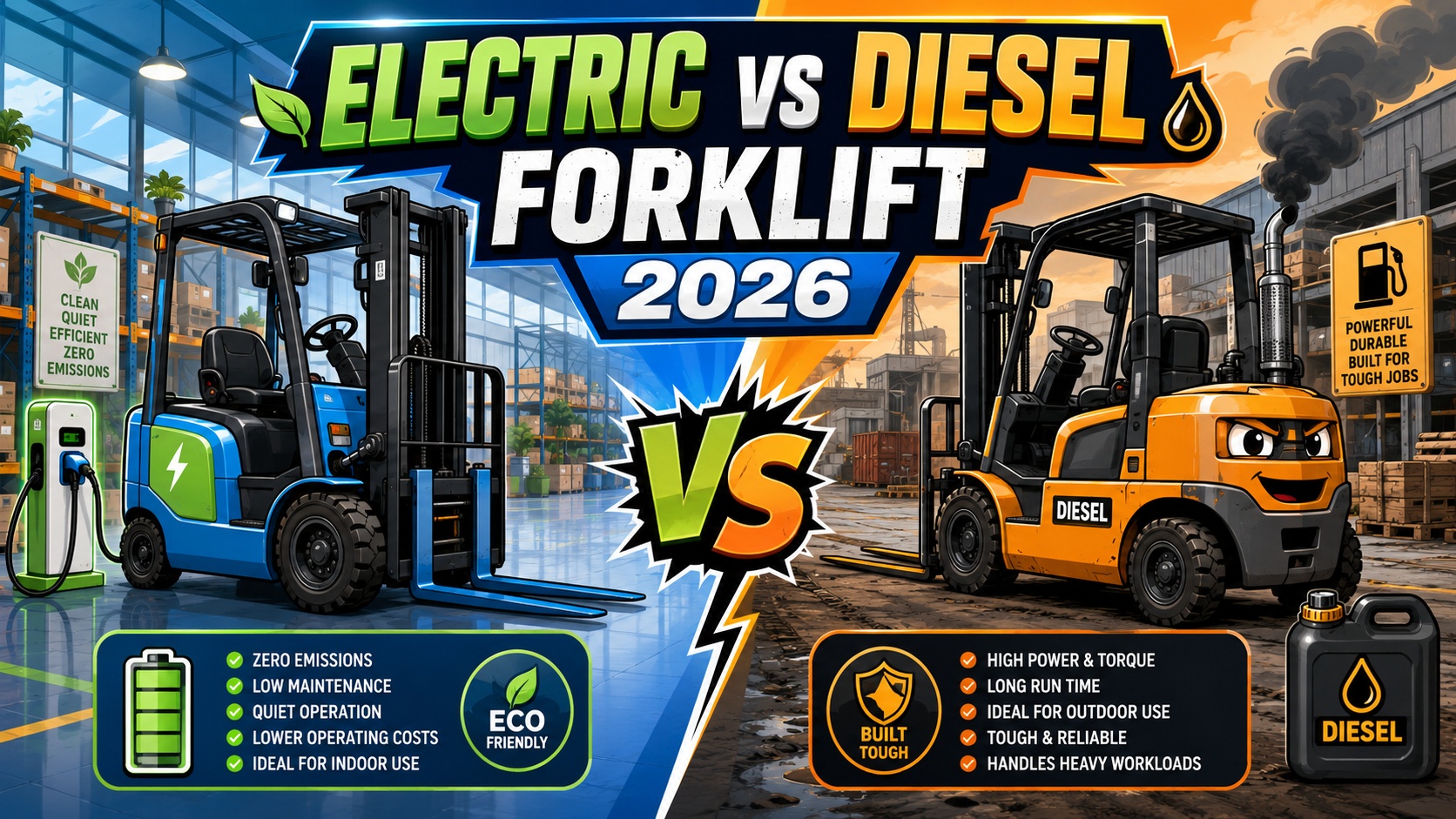
electric vs diesel forklift 2026
Choosing between electric and diesel forklifts in 2026 is a critical decision that impacts operational costs, environmental compliance, and warehouse efficiency. With tightening emissions regulations and advancements in lithium-ion battery technology, the gap between these two power sources has never been narrower. This guide compares electric vs diesel forklifts for 2026, helping you determine the best fit for your material handling needs.
Key Differences Between Electric and Diesel Forklifts in 2026
While diesel forklifts have long been the workhorse of heavy-duty outdoor applications, electric models have evolved significantly. The primary distinctions now revolve around energy source, maintenance requirements, initial investment, and total cost of ownership.
Power & Performance
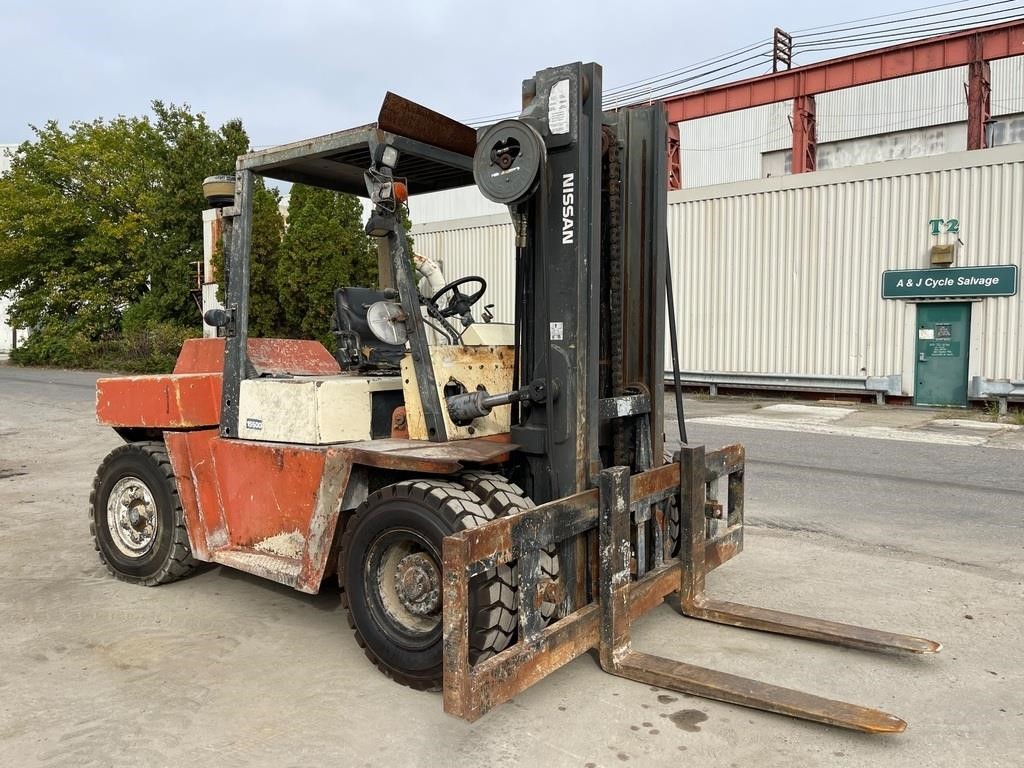
Diesel Forklifts: Offer high torque and consistent power output for heavy lifting, steep inclines, and rough terrain. They are ideal for continuous operation in demanding environments like lumber yards and port terminals.
Electric Forklifts (2026): Modern electric models, such as those using lithium-ion batteries, provide instant torque and smooth acceleration. They can now match diesel performance for most indoor and many outdoor applications. The Liftron Material Handling lineup demonstrates how electric forklifts now achieve comparable lifting capacities to diesel counterparts.
Operational Costs
Diesel: Higher fuel costs, more frequent oil changes, and costly engine maintenance. Diesel engines require periodic filter replacements, injector servicing, and emission system upkeep.
Electric: Lower energy costs (electricity vs diesel), fewer moving parts, reduced maintenance intervals, and no exhaust system costs. The Liftron DL SERIES lithium-ion forklifts exemplify how electric models can reduce annual maintenance costs by 30-40% compared to diesel units.
Environmental Impact & Regulations in 2026
By 2026, global emission standards have tightened significantly. Diesel forklifts must comply with Tier 4 or equivalent regulations, requiring complex after-treatment systems that add cost and complexity. Many warehouses now face restrictions on diesel equipment due to CO2 limits and indoor air quality requirements. Electric forklifts produce zero tailpipe emissions, making them compliant with the strictest indoor and outdoor environmental regulations. This alone is driving many logistics centers to switch from diesel to electric fleets.
Application Suitability
When to Choose Diesel Forklifts
- Outdoor operations on uneven, muddy, or unpaved surfaces
- Continuous multi-shift operations where battery charging is impractical
- Heavy lifting exceeding 10 tons
- Sites without reliable electrical infrastructure for charging
- Cold storage environments where battery performance degrades
When to Choose Electric Forklifts
- Indoor warehouses, distribution centers, and manufacturing facilities
- Operations sensitive to noise and emissions (food, pharmaceuticals, electronics)
- Environments with good charging infrastructure
- Light to medium duty cycles (1-3 shifts with opportunity charging)
- Facilities aiming for LEED certification or carbon neutrality goals
2026 Technology Advancements in Electric Forklifts
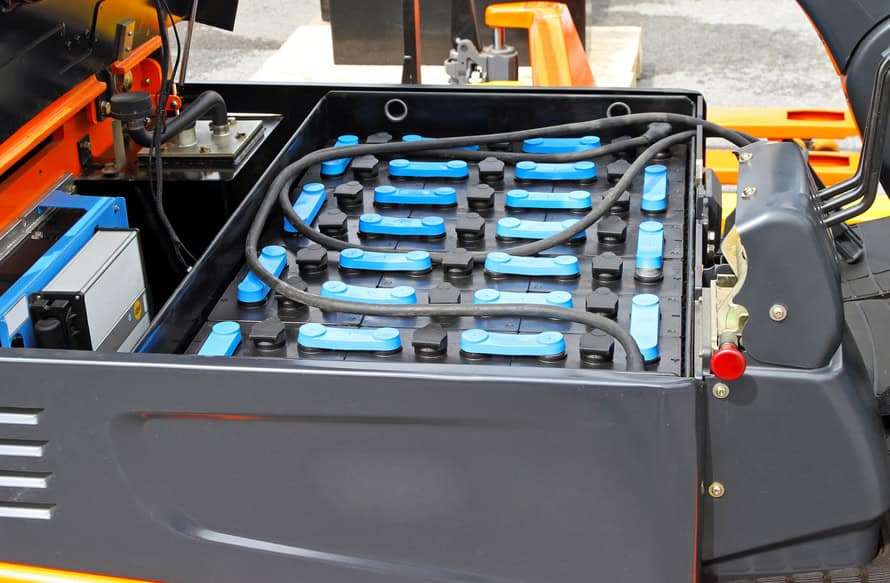
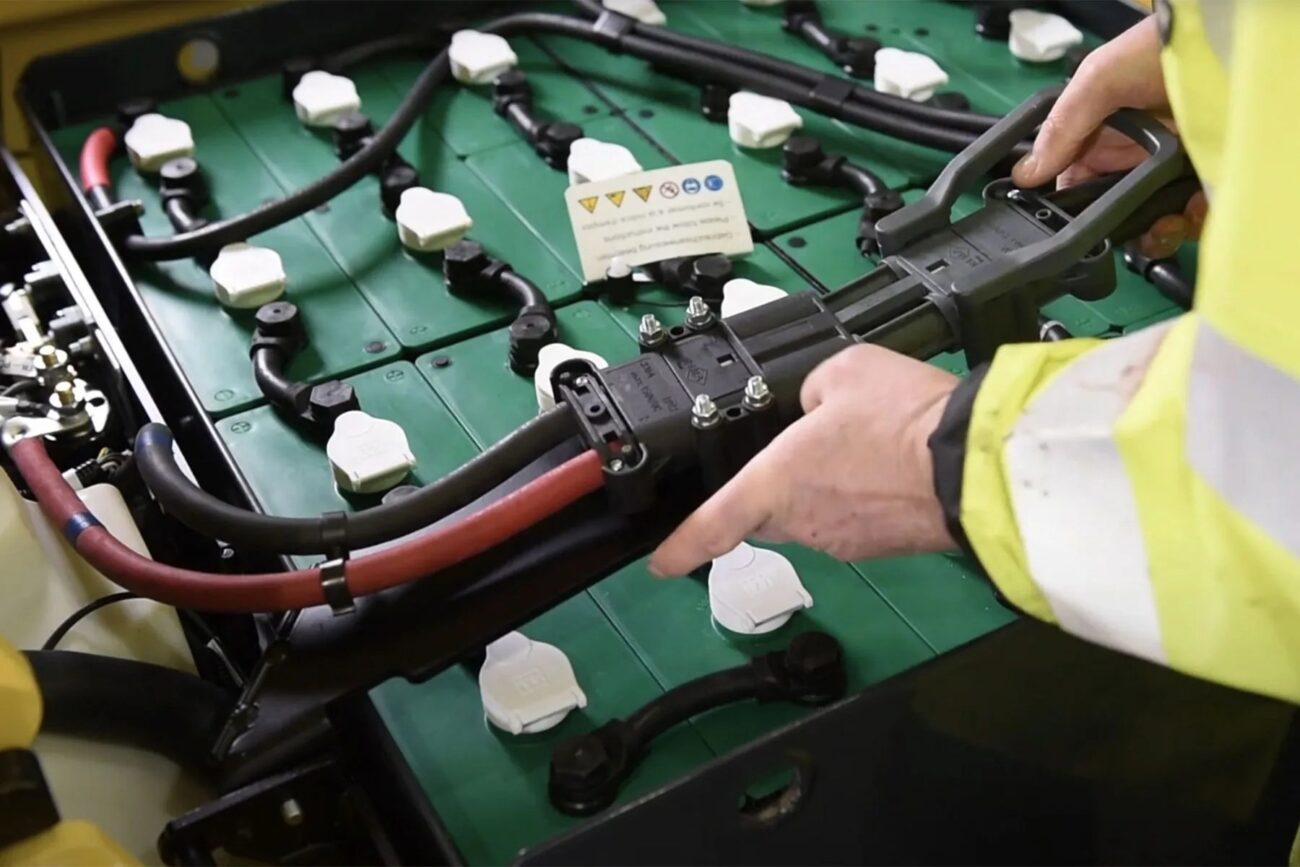
The rapid shift toward electric forklifts is fueled by breakthroughs in battery technology. Lithium-ion batteries now offer:
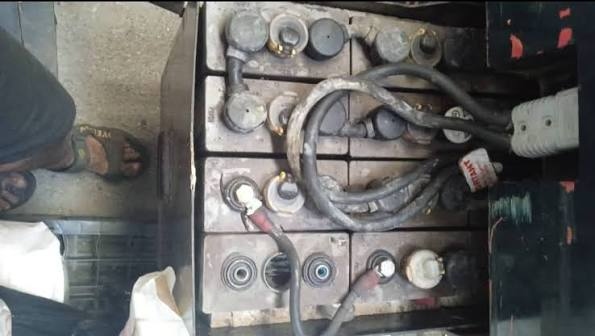
- Fast charging in 1-2 hours vs 8+ hours for lead-acid
- Opportunity charging during breaks without battery damage
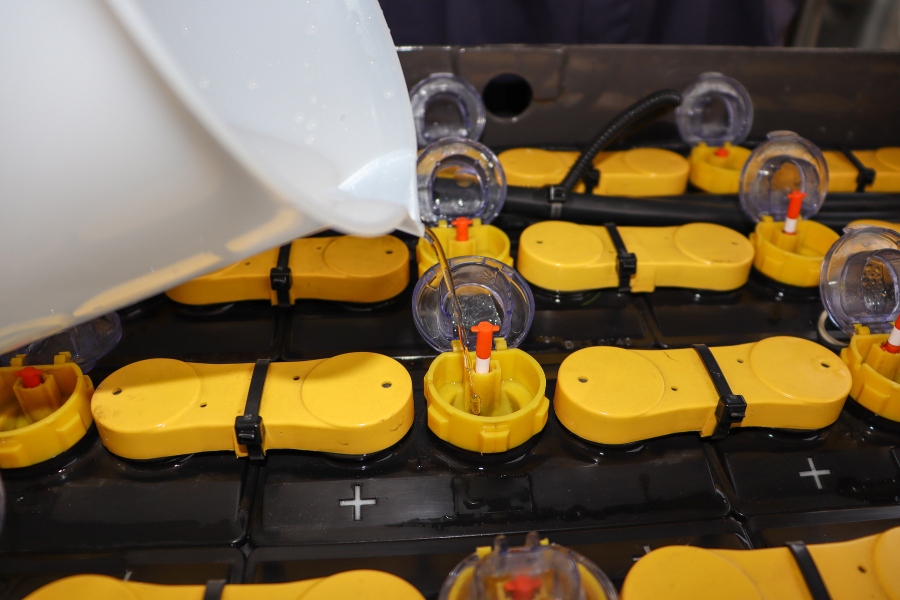
- Zero maintenance (no water topping, no acid spills)
- Longer lifespan (3,000-5,000 charge cycles)
- Consistent performance even in cold environments
The Liftron DL SERIES integrates these innovations, offering rapid charging and intelligent battery management that eliminates the historical disadvantage of electric forklifts versus diesel in multi-shift operations.
Total Cost of Ownership Comparison (2026)
| Factor | Diesel Forklift | Electric Forklift (Lithium-ion) |
|---|---|---|
| Purchase Price | Lower initially | Higher upfront, but falling |
| Energy Cost (per hour) | $4.50 – $7.00 | $1.50 – $3.00 |
| Annual Maintenance | $3,500 – $6,000 | $1,800 – $3,500 |
| Lifespan | 12,000 – 15,000 hours | 15,000 – 25,000 hours |
| Emission Compliance Cost | High | None |
Case Study: Transition from Diesel to Electric
A regional logistics hub operating 20 diesel forklifts replaced 15 units with Liftron Material Handling electric models, including the Liftron DL SERIES. Results within 18 months included:
- 40% reduction in energy costs
- 35% drop in maintenance spending
- 100% elimination of indoor exhaust concerns
- Improved operator comfort due to lower noise and vibration
- Faster charging meant trucks were available 98% of the time
Making the Right Choice for 2026
For most indoor and mixed-use applications, electric forklifts have become the clear winner. The total cost of ownership advantages, environmental benefits, and technological maturity of lithium-ion batteries make them the default choice for forward-thinking operations. However, diesel still excels in extreme outdoor conditions and applications requiring maximum uptime without infrastructure investment. As battery costs continue to decline and charging infrastructure becomes more accessible, the tipping point has arrived for most operations. Liftron Material Handling offers both options, with the Liftron DL SERIES representing the cutting edge of electric forklift technology. Evaluate your specific duty cycle, environment, and budget to choose the right power source for your 2026 operations.
Add a review
Your email address will not be published. Required fields are marked *