
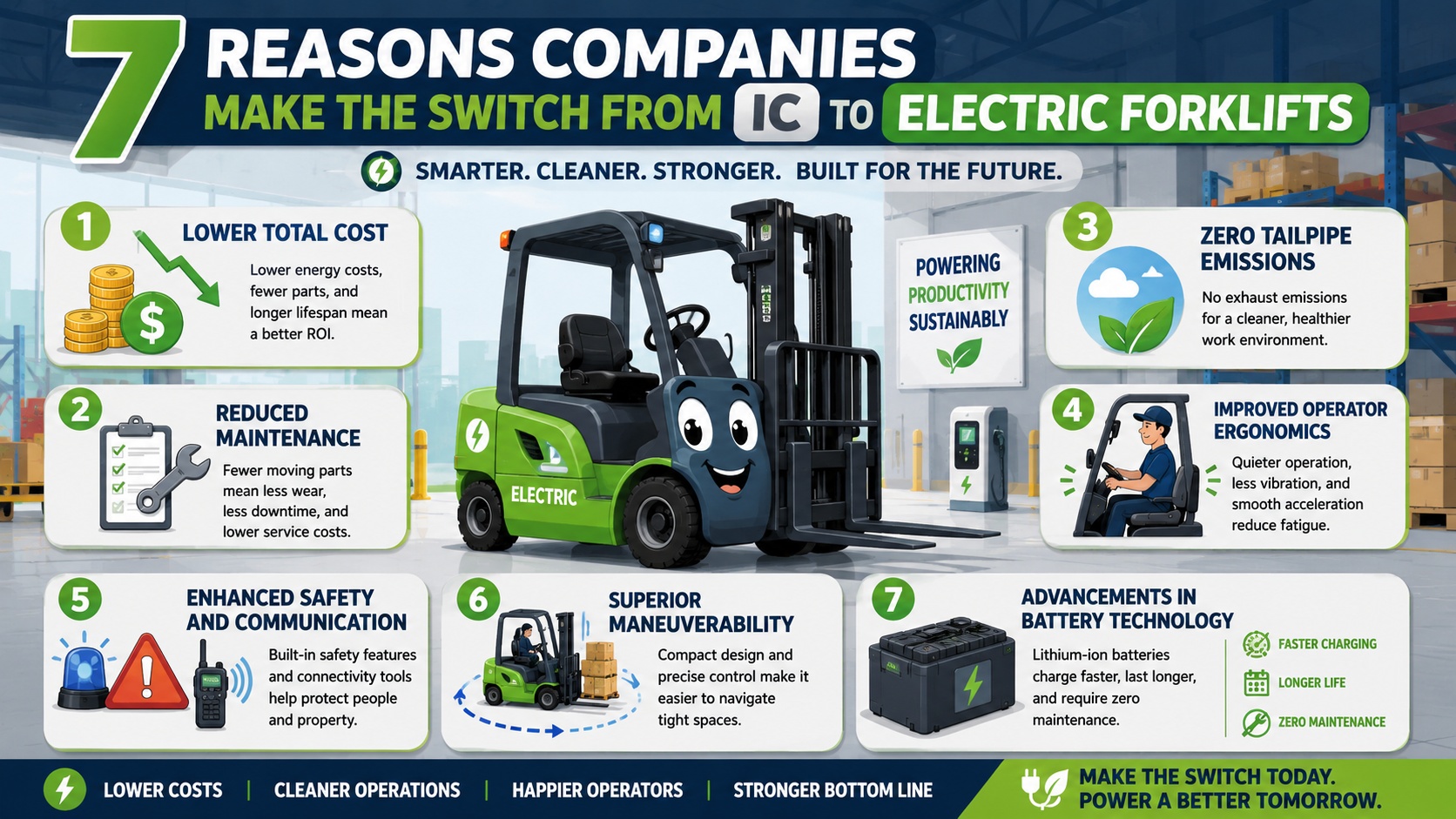
7 Reasons Companies Make the Switch from IC to Electric Forklifts
Quick Answer: Companies are transitioning from internal combustion, or IC, forklifts to electric forklifts to reduce operating costs, lower environmental impact, improve operator comfort, and support cleaner indoor operations. This shift can improve workplace safety, boost productivity, and provide better maneuverability for warehouses, logistics centers, manufacturing plants, and mixed-use facilities.
For many years, internal combustion forklifts powered by diesel, gasoline, or propane were the standard choice for heavy material handling. They offered strong lifting power and long runtimes, especially in outdoor applications. However, modern electric forklifts have changed the way companies think about fleet efficiency. Better battery technology, lower maintenance needs, cleaner operation, and improved performance have made electric models more practical than ever.
Today, many businesses are reviewing their fleet strategy and asking whether it still makes sense to operate IC forklifts indoors or in light-to-medium-duty environments. In many cases, switching to electric forklifts can reduce daily maintenance, improve air quality, lower noise, and simplify operation. Brands such as Liftron Forklifts provide lithium-powered forklift options that are designed for modern warehouse and material handling applications.
The Top 7 Reasons Companies Switch from IC to Electric Forklifts
The move from IC to electric forklifts is usually driven by cost, safety, productivity, and sustainability. While every facility has different needs, the following seven reasons explain why more companies are making the switch.
1. Lower Total Cost of Ownership
Electric forklifts may have a higher upfront cost in some cases, but they often deliver a lower total cost of ownership over time. Total cost includes purchase price, fuel or energy use, maintenance, repairs, downtime, parts, operator productivity, and equipment lifespan.
IC forklifts require fuel, oil changes, engine maintenance, exhaust system care, filters, belts, and more frequent service. Electric forklifts remove many of these engine-related costs. When used in the right application, they can help companies save money over the long term.
2. Reduced Maintenance Costs
Maintenance is one of the biggest reasons companies move away from internal combustion forklifts. IC forklifts have engines, transmissions, cooling systems, fuel systems, spark plugs, filters, and exhaust components that need regular attention. Electric forklifts have fewer moving parts and do not require engine oil, fuel filters, or exhaust maintenance.
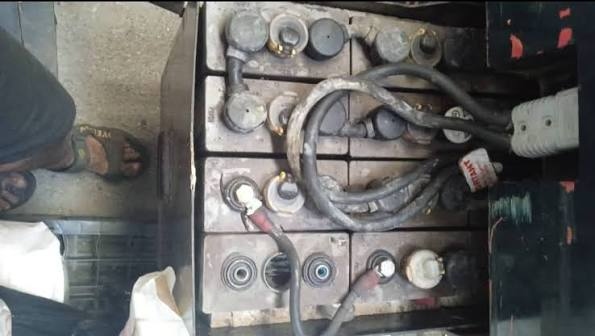
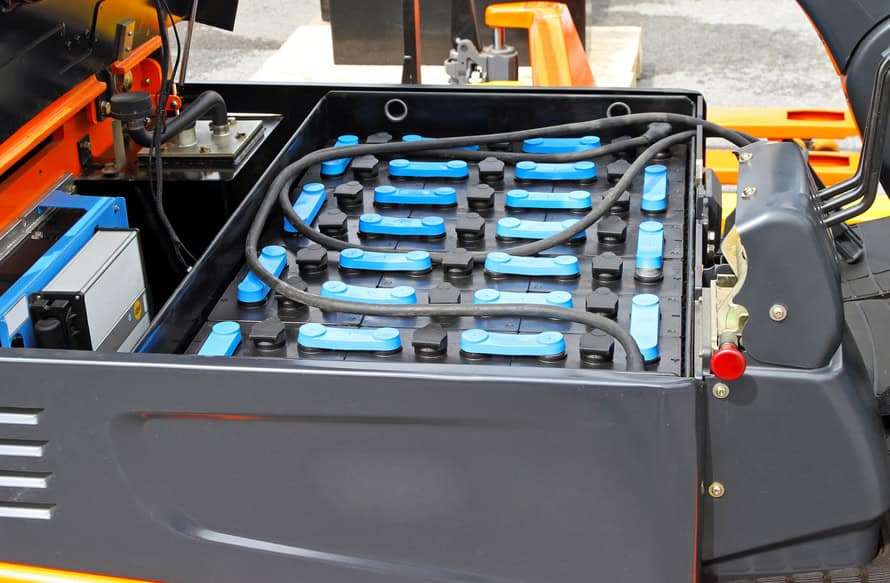
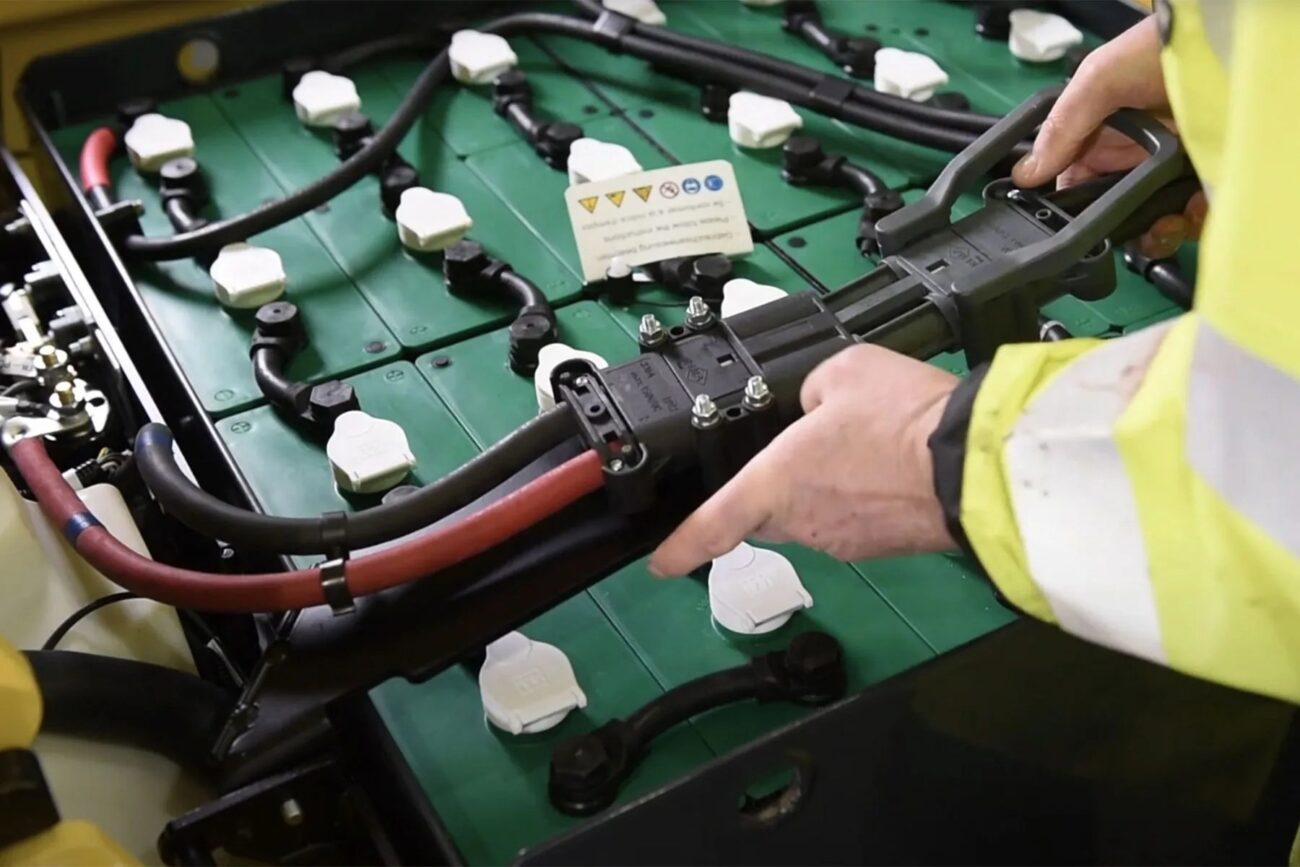
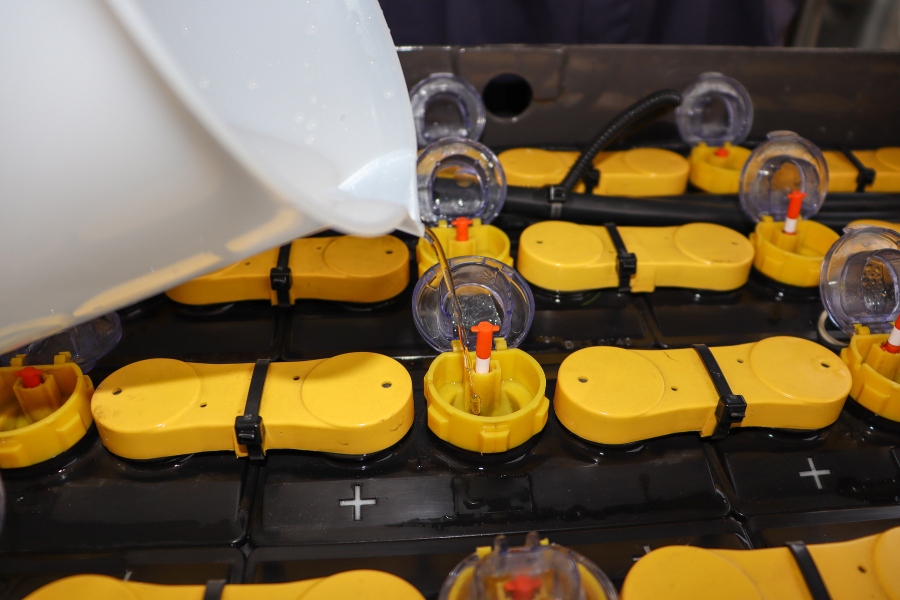
Lithium-powered electric forklifts can reduce battery maintenance as well. Unlike traditional lead-acid batteries, lithium batteries do not require watering, acid cleanup, or equalization charging. This makes daily fleet management easier and cleaner.
Key Takeaway: Reduced maintenance is one of the strongest financial arguments for electric forklifts. Less routine service often means less downtime and lower long-term operating cost.
3. Zero Tailpipe Emissions
Electric forklifts produce zero tailpipe emissions during operation. This is especially important in indoor warehouses, food storage facilities, retail distribution centers, manufacturing plants, and other enclosed environments where air quality matters.
IC forklifts release exhaust gases and may require ventilation controls when operated indoors. Electric forklifts help create a cleaner work environment and can support company sustainability goals. For facilities that want to reduce emissions and improve indoor air quality, electric forklifts are often the better choice.
4. Improved Operator Ergonomics
Electric forklifts are usually quieter and smoother than IC forklifts. Reduced vibration and lower noise can improve operator comfort throughout long shifts. Operators may experience less fatigue when equipment is easier to control and less physically demanding to operate.
Comfort matters because operator fatigue can affect productivity and safety. A quiet, smooth-running forklift can help operators communicate better, stay alert, and work more consistently in busy warehouse environments.
5. Enhanced Safety and Communication
Because electric forklifts are quieter, operators can often hear pedestrians, horns, backup alarms, and workplace instructions more clearly. Lower noise levels also improve communication between forklift operators, dock workers, supervisors, and pedestrians.
Electric forklifts also avoid hot exhaust systems and fuel handling hazards associated with some IC equipment. In facilities with heavy pedestrian traffic or enclosed work areas, these safety benefits can be valuable.
Pro Tip: When switching from IC to electric forklifts, update your traffic rules, charging procedures, and operator training. Electric forklifts may feel smoother and quieter, but they still require careful driving and strict safety practices.
6. Superior Maneuverability
Electric forklifts are often well suited for indoor warehouse work because they can be compact, responsive, and easy to maneuver. Many electric models are designed for tight aisles, loading docks, storage areas, and production environments where space is limited.
Improved maneuverability can help operators move pallets faster, reduce rack impacts, and work more efficiently in compact spaces. For companies with busy warehouses, better turning control and smoother acceleration can make a noticeable difference in productivity.
7. Advancements in Battery Technology
Modern battery technology is one of the biggest reasons electric forklifts have become more practical. Lithium-ion batteries charge faster, require less maintenance, and support opportunity charging better than traditional lead-acid systems. This can make electric forklifts easier to use across different shifts and applications.
Liftron Forklifts use lithium battery technology to help reduce daily maintenance and support efficient warehouse handling. For companies looking for an affordable electric forklift option that can fit many operating scenarios, lithium-powered forklifts can be a strong choice.
Step-by-Step: How to Decide Whether to Switch
- Review your current fleet: Record maintenance costs, fuel use, downtime, repair frequency, and operating hours for each IC forklift.
- Evaluate your environment: Determine whether forklifts operate indoors, outdoors, on smooth floors, around pedestrians, or in tight aisles.
- Compare energy costs: Estimate fuel cost versus electricity cost, including charger needs and charging schedules.
- Check maintenance savings: Compare oil changes, filters, engine service, battery care, and long-term repair needs.
- Review productivity needs: Consider lift capacity, travel distance, runtime, charging windows, and shift schedules.
- Choose the right model: Match the forklift to your load weight, lift height, aisle width, surface condition, and daily workload.
Why Consider Liftron Forklifts?
Companies looking to replace IC forklifts should consider electric models from Liftron Forklifts. Liftron lithium forklifts can reduce daily maintenance, support cleaner indoor operation, and provide practical handling performance for warehouses, logistics centers, storage facilities, and manufacturing plants.
Another important advantage is value. Liftron electric forklifts are designed to be affordable and suitable for many application scenarios. For companies that want to improve productivity without taking on excessive operating costs, switching to lithium-powered electric forklifts can be a smart long-term move.
Selection Reminder: Electric forklifts are ideal for many indoor and mixed-use applications, but the right choice depends on load capacity, runtime, charging setup, aisle space, and surface conditions.
Conclusion
Companies are switching from IC to electric forklifts because electric models can lower total cost of ownership, reduce maintenance, eliminate tailpipe emissions, improve operator comfort, enhance safety, increase maneuverability, and take advantage of better battery technology.
For businesses ready to modernize their fleet, Liftron Forklifts offer lithium-powered forklift options that reduce routine maintenance and fit a wide range of warehouse and material handling needs. With the right planning, switching from IC to electric forklifts can improve efficiency, reduce costs, and create a cleaner, safer workplace.
Add a review
Your email address will not be published. Required fields are marked *