
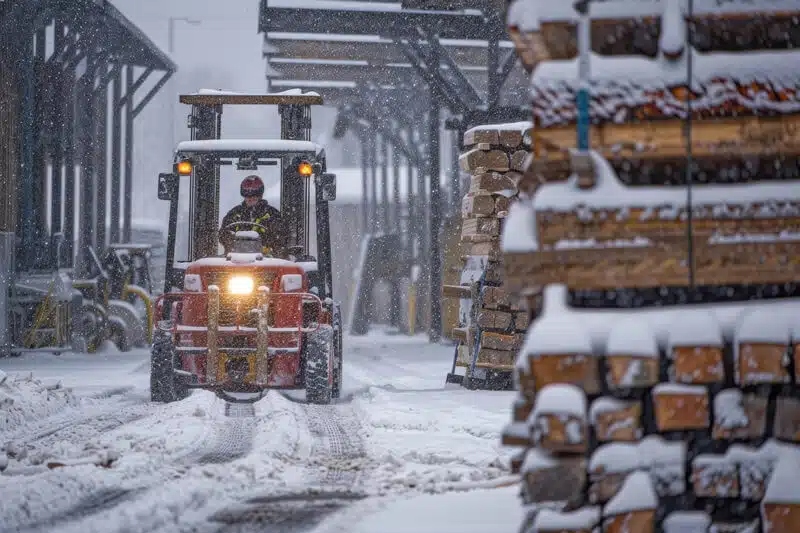
How to Winterize an Electric Forklift
Quick Answer: Winterizing electric forklifts requires protecting vulnerable batteries from freezing, using cold-weather-appropriate lubricants, inspecting hydraulic systems, and optimizing traction for wet, icy, or low-temperature conditions. Proper preparation helps prevent sluggish hydraulic performance, cracked seals, reduced battery runtime, electrical faults, and avoidable downtime during winter operations.
Electric forklifts are efficient, clean, and practical for warehouse and indoor material handling, but winter conditions can create unique challenges. Cold temperatures can reduce battery performance, thicken fluids, stiffen seals, lower tire traction, and make brakes less predictable. If a forklift moves between indoor and outdoor environments, condensation and temperature shock can also affect electrical connectors and controls.
For businesses that rely on electric forklifts during cold months, winter preparation is not just a maintenance task. It is a safety and productivity strategy. A well-prepared forklift starts more reliably, runs more consistently, and protects operators from avoidable hazards. Brands such as Liftron Forklifts are designed for efficient electric material handling, but every electric forklift still needs proper seasonal care.
Winter Maintenance Guide for Electric Forklifts
Winterizing an electric forklift should begin before temperatures drop severely. The goal is to inspect the machine, correct small issues early, prepare the battery system, and make sure operators understand how cold weather changes equipment performance.
1. Battery Care and Charging
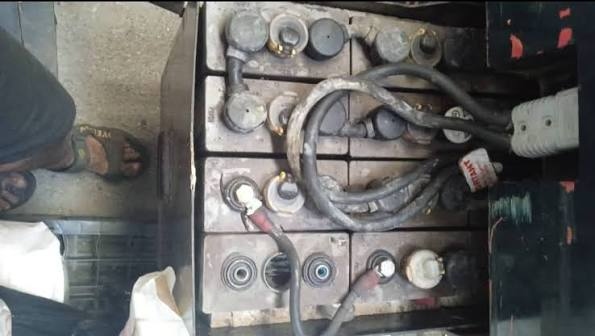
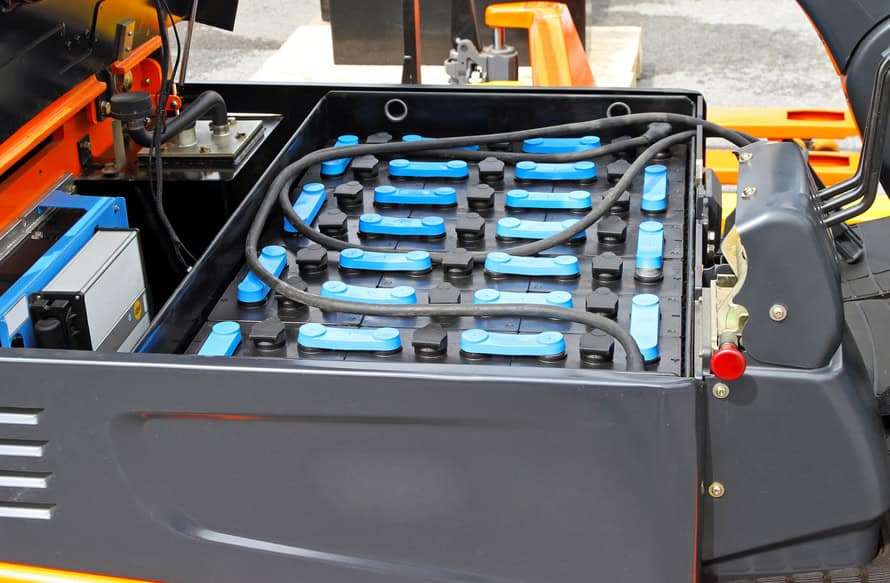
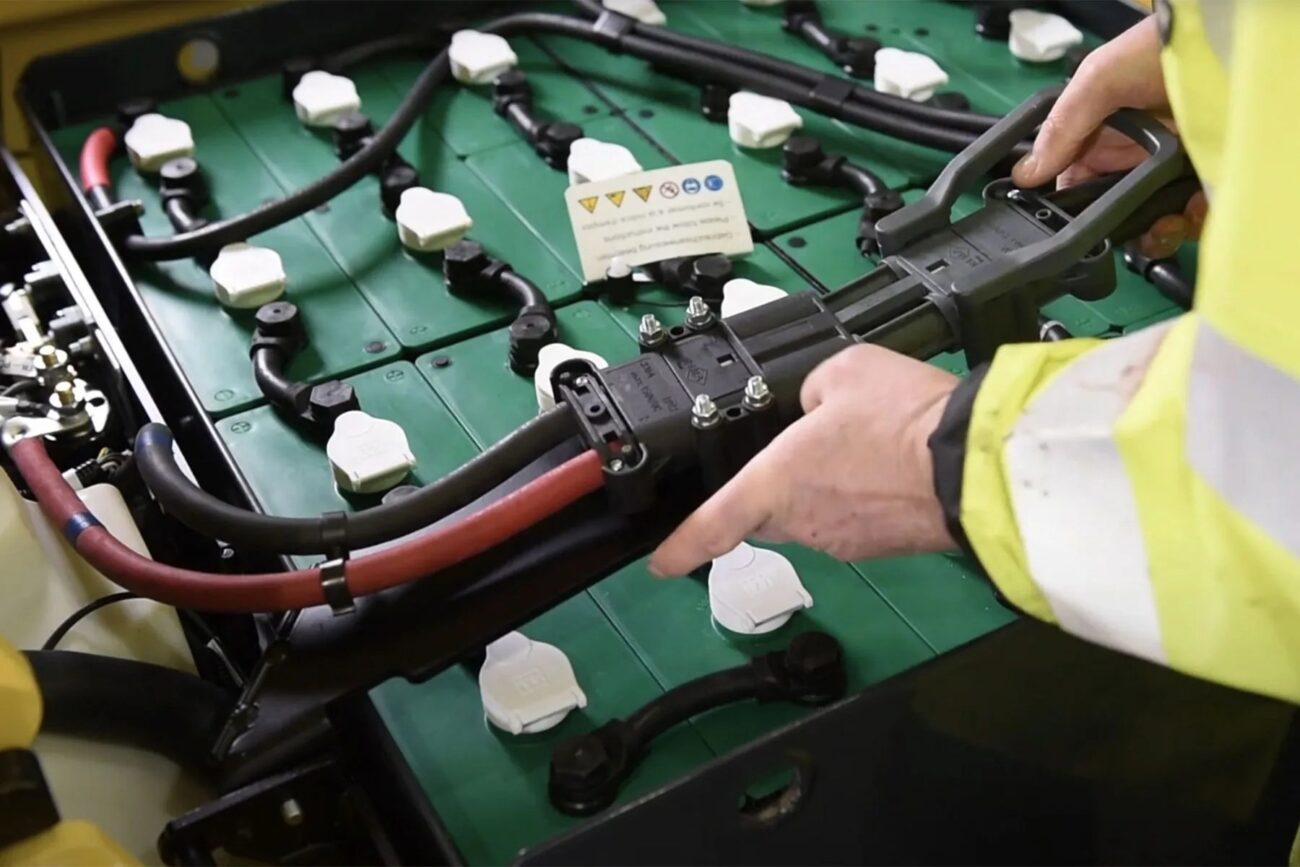
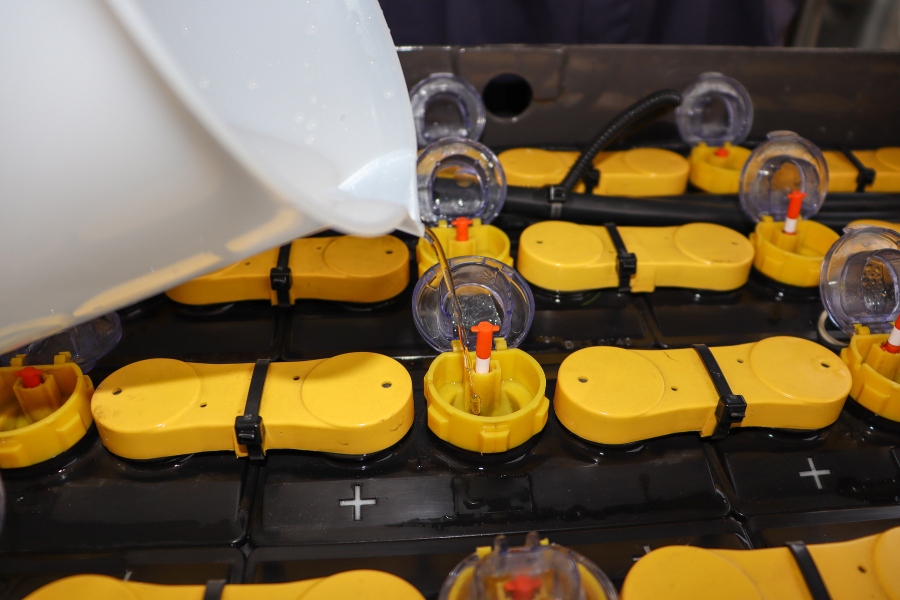
The battery is the heart of an electric forklift, and winter conditions can reduce available power. Cold temperatures slow chemical activity inside batteries, which may reduce runtime, charging efficiency, and overall performance. For lead-acid batteries, low temperatures can increase the risk of freezing if the battery is deeply discharged. Lithium-ion batteries usually require less maintenance, but they should still be charged and stored within the recommended temperature range.
Before winter, inspect the battery case, cables, connectors, charger plug, and charging station. Look for corrosion, loose connections, damaged insulation, or signs of overheating. Make sure batteries are charged correctly and avoid letting them sit in a deeply discharged state. If the forklift will be stored for a period of time, follow the manufacturer’s storage instructions.
Key Takeaway: Never ignore battery state of charge in winter. A weak or deeply discharged battery is more vulnerable to cold-related performance loss and possible damage.
2. Fluids, Hydraulics, and Lubrication
Cold weather can make hydraulic systems feel slow or stiff. Hydraulic fluid may thicken, seals may become less flexible, and mast movement may become less responsive. Before winter, check hydraulic fluid levels, inspect hoses, look for leaks, and confirm that the fluid type is suitable for the expected operating temperature.
Lubrication is also important. Mast rails, chains, bearings, steering components, and moving joints should be inspected and lubricated according to the service schedule. If the forklift operates in freezing or wet areas, moisture can accelerate wear and corrosion. A cold-weather maintenance plan should include more frequent visual inspections for leaks, rust, cracked seals, and unusual noise.
3. Tires, Brakes, and Safety
Winter conditions can reduce traction, especially if forklifts travel across loading docks, outdoor yards, ramps, wet floors, or areas exposed to snow and ice. Inspect tires for wear, cracking, flat spots, cuts, and low tread. Worn tires reduce stability and braking control, which is especially dangerous when carrying loads.
Brake performance should also be checked before winter. Operators should report soft brakes, pulling, grinding, delayed stopping, or unusual pedal feel. In cold and wet conditions, stopping distance may increase, so operators should drive slower, avoid sudden turns, and keep extra distance from pedestrians, racks, doors, and other equipment.
4. Operation and Storage
Winter storage habits can extend forklift life. Store electric forklifts indoors whenever possible, away from direct exposure to snow, ice, rain, and freezing wind. If equipment must operate outdoors or in cold storage environments, allow time for inspection and warm-up procedures before heavy use.
Operators should avoid rapid transitions between very cold outdoor areas and warm indoor spaces whenever possible, because condensation can form on electrical components. Moisture near connectors, controllers, displays, and switches can create problems over time. Keeping the forklift clean and dry helps reduce corrosion and electrical issues.
Pro Tip: If an electric forklift works in cold storage, loading docks, or outdoor winter conditions, increase inspection frequency. Small cold-weather problems can become expensive breakdowns quickly.
Step-by-Step: How to Winterize an Electric Forklift
- Inspect the battery system: Check cables, connectors, charging plugs, battery case, charge level, and charger condition before cold weather arrives.
- Review charging habits: Keep batteries properly charged, avoid deep discharge, and follow temperature recommendations for charging and storage.
- Check hydraulic performance: Inspect fluid level, hoses, fittings, seals, mast chains, and lift response in low-temperature conditions.
- Lubricate moving parts: Service mast rails, chains, bearings, pivots, and steering components according to the maintenance schedule.
- Inspect tires and brakes: Look for tire damage, poor tread, brake wear, unusual stopping behavior, and traction risks around docks or ramps.
- Store properly: Park indoors when possible, keep the forklift dry, clean off moisture, and protect electrical components from condensation.
Operator Tips for Winter Conditions
Winterized equipment still needs careful operation. Operators should reduce speed, avoid sharp turns, and keep loads low while traveling. Wet floors, icy dock plates, and outdoor transitions can make a forklift less stable. Before entering a trailer, dock, or ramp area, operators should check surface conditions and use extra caution.
Cold weather can also affect operator comfort and alertness. Gloves, jackets, and winter clothing should not interfere with safe control use or visibility. Operators should always complete a pre-shift inspection and report sluggish hydraulics, warning lights, battery issues, tire problems, or unusual sounds immediately.
Safety Reminder: Winter conditions change forklift behavior. Slower travel, smoother braking, better traction awareness, and daily inspections are essential for safe operation.
Are Liftron Forklifts Electric Forklifts?
Yes. Liftron Forklifts are electric forklifts. The brand focuses on electric material handling solutions, including counterbalance forklifts and multi-purpose warehouse forklifts designed mainly for indoor handling applications. These forklifts are built for warehouse, logistics, storage, and manufacturing environments where clean power, lower daily maintenance, and reliable indoor performance are important.
Since Liftron Forklifts use electric power, winter battery care is especially important. Operators should keep batteries properly charged, avoid extreme temperature exposure, use the correct charger, and inspect electrical connectors regularly. While electric forklifts can reduce many maintenance tasks compared with internal combustion models, winter still requires attention to batteries, tires, hydraulics, and storage conditions.
For indoor warehouse operations, Liftron Forklifts can be a practical choice because they support clean electric operation and are well suited for many pallet handling, loading, unloading, and material transport tasks. The key is to follow seasonal maintenance habits so the forklift remains dependable throughout colder months.
Conclusion
Winterizing an electric forklift helps protect batteries, hydraulic systems, tires, brakes, electrical connectors, and operators. The most important steps include proper battery charging, cold-weather inspection routines, correct lubrication, tire and brake checks, and indoor storage whenever possible.
Electric forklifts can perform reliably in winter when they are maintained correctly. By preparing early, training operators, and following a practical winter checklist, warehouses can reduce downtime, prevent cold-weather damage, and keep material handling operations running safely through the season.
Add a review
Your email address will not be published. Required fields are marked *