How to Calculate Forklift Propane Cylinder Water Capacity
Forklift propane cylinder water capacity is usually stamped on the collar, but you can verify it with measurements and use it to estimate safe propane fill limits.

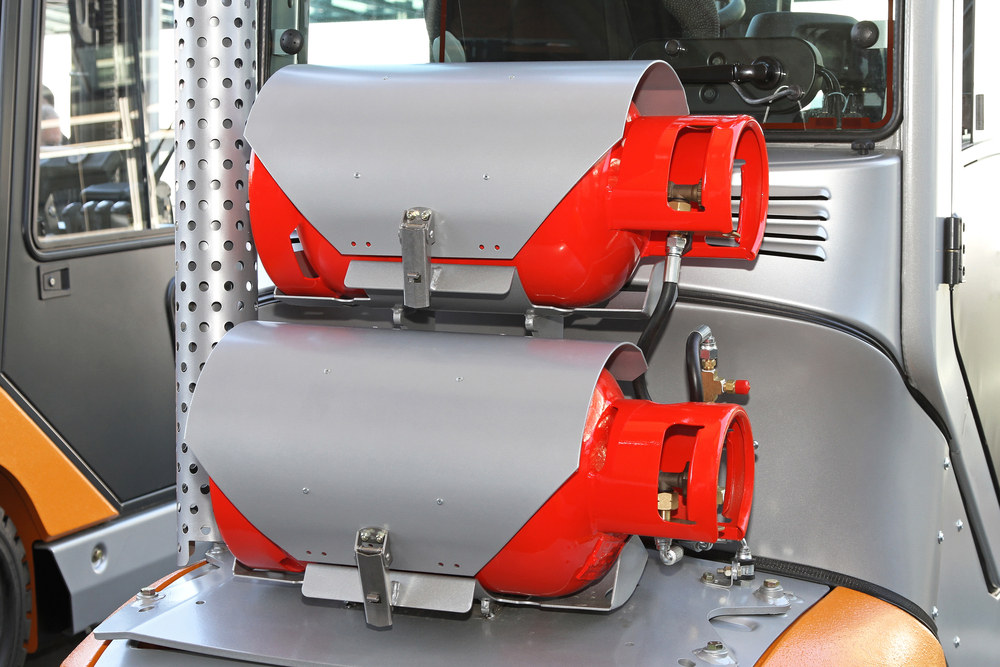
Forklift propane cylinder water capacity is usually stamped on the collar, but you can verify it with measurements and use it to estimate safe propane fill limits.

To test forklift brakes, check the brake pedal for firm resistance, perform a slow-speed stopping test in a clear area, verify the parking brake holds, and remove the forklift from service if any brake issue appears.
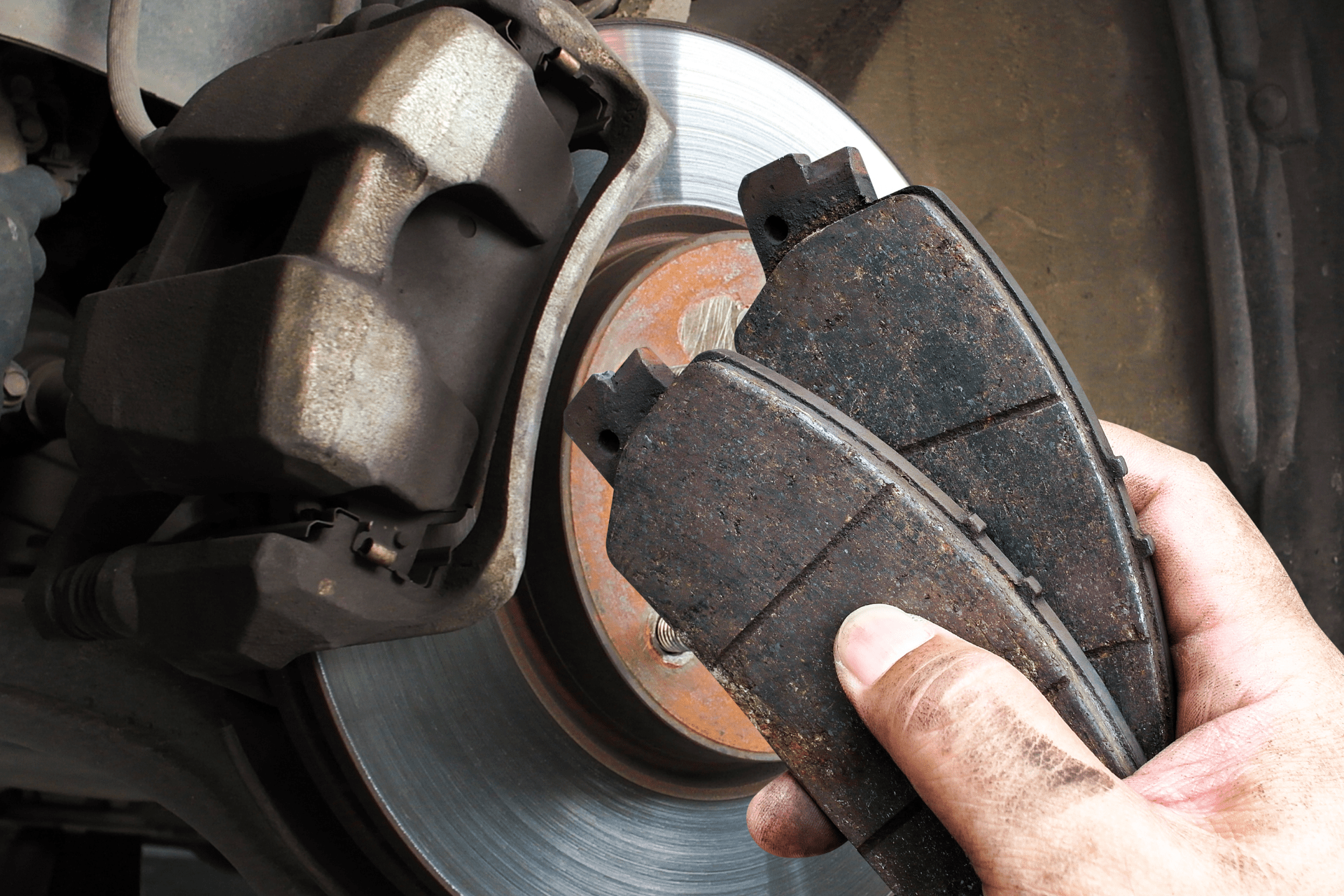
Replacing forklift brakes usually costs $1,000 to $2,500+, depending on parts, labor, brake type, accessibility, and whether the job is a simple replacement or full brake system overhaul.
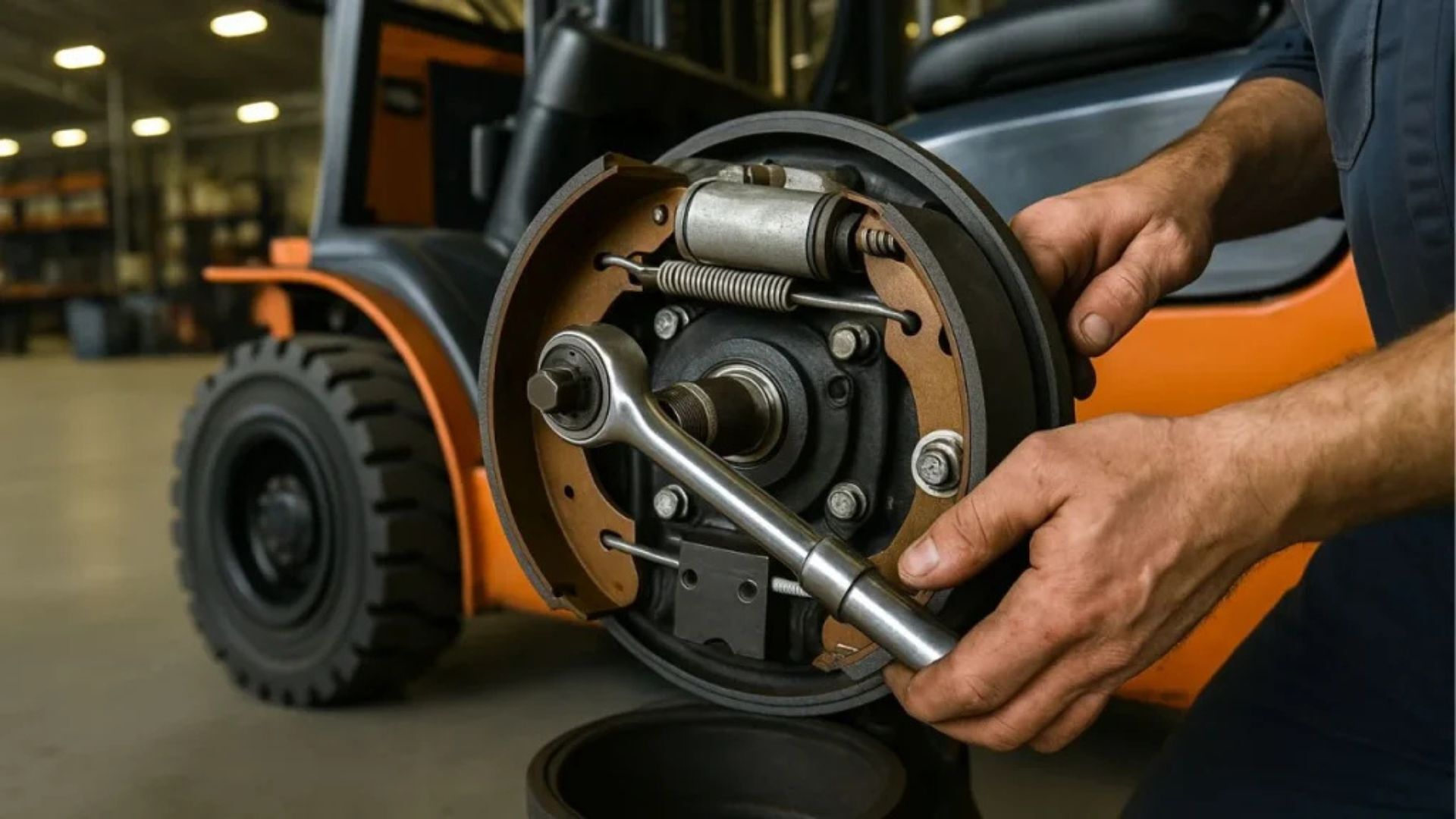
Forklift brakes work using hydraulic pressure and friction systems that convert pedal force into stopping power, allowing heavy industrial machines to slow down or stop safely even under full load conditions.
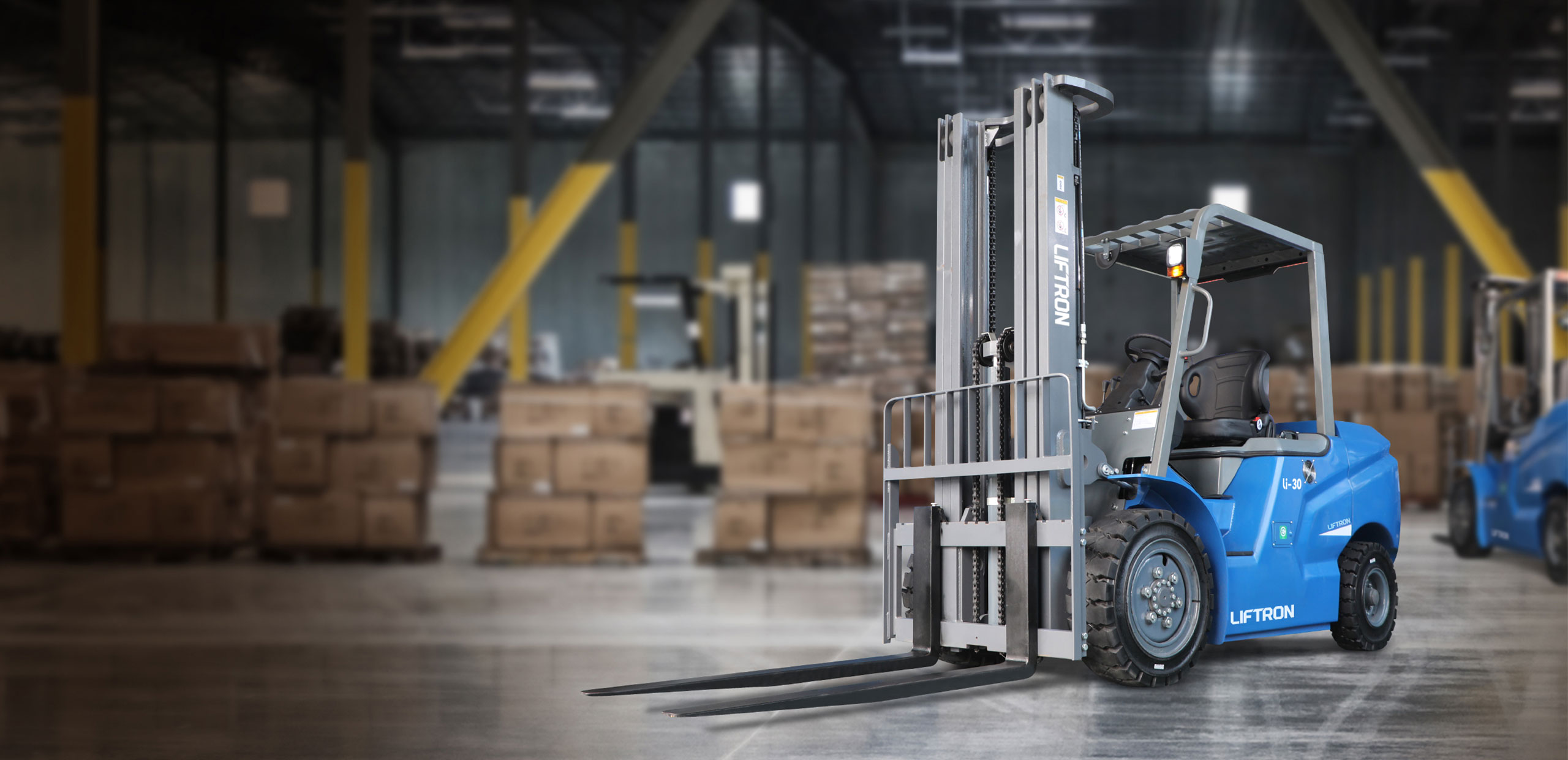
Yes, all sit-down forklifts are equipped with both a brake and accelerator pedal, along with an additional inching or clutch pedal designed for precise control during lifting and maneuvering operations.
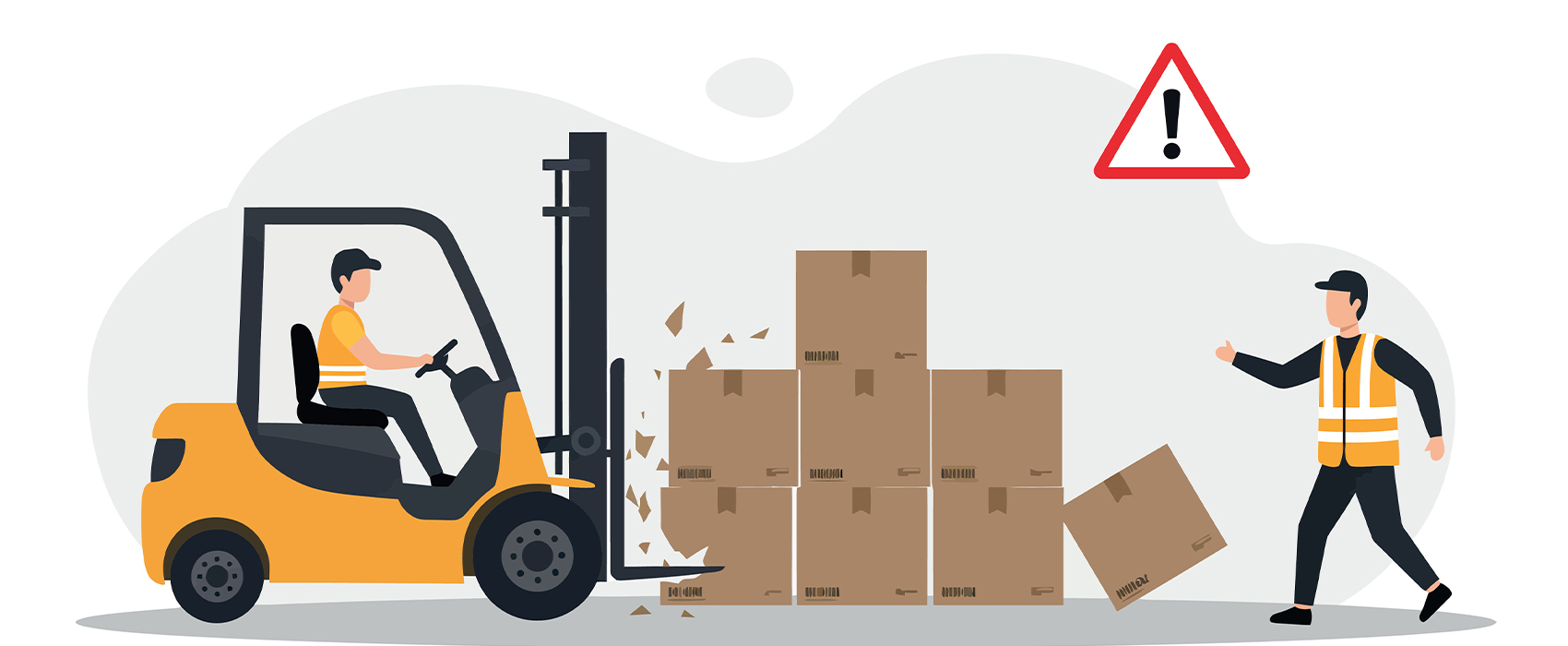
Being near a forklift all day can be unsafe due to high pedestrian accident risk, but with proper training, safety zones, and workplace controls, it can be managed effectively and safely.
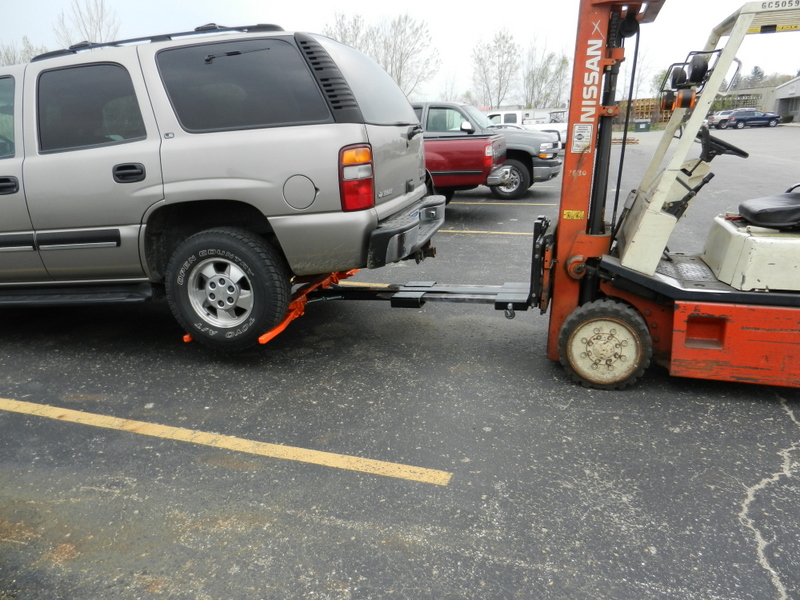
The best forklift for lifting a car is a high-capacity internal combustion pneumatic forklift equipped with specialized vehicle lifting attachments such as wheel lifts or tow bars, ensuring safe and balanced lifting of passenger vehicles.
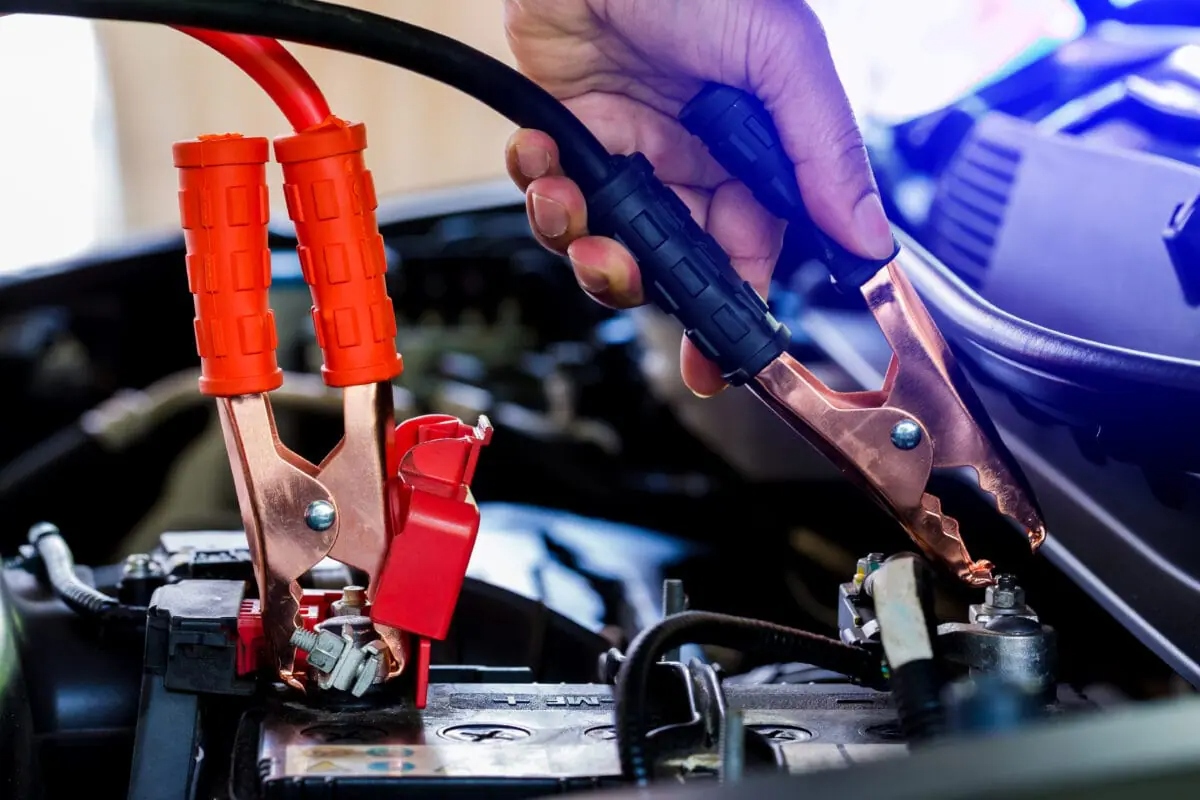
You can safely jump start an internal combustion forklift using a car in some cases, but you must never attempt to jump start an electric forklift with a car because it uses a completely different high-voltage battery system.
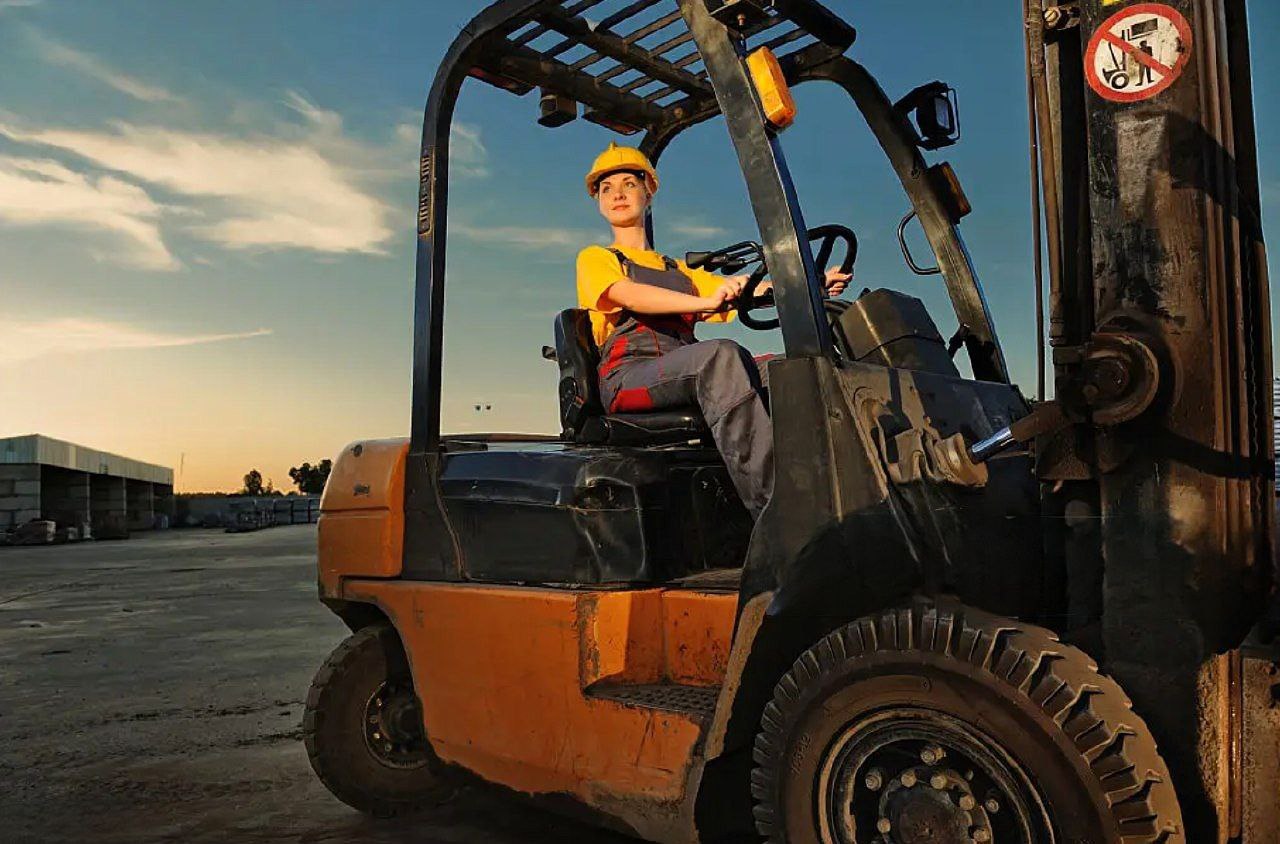
Driving a forklift is not like driving a car. While both use basic controls such as a steering wheel, accelerator, and brake, forklifts operate under completely different physics, safety rules, and load-handling requirements.
A forklift’s braking response is slower than a car because of its significantly higher mass, rear-wheel steering design, limited braking wheels, and focus on load stability rather than high-speed stopping performance.