
How Much to Replace Brakes on a Forklift?
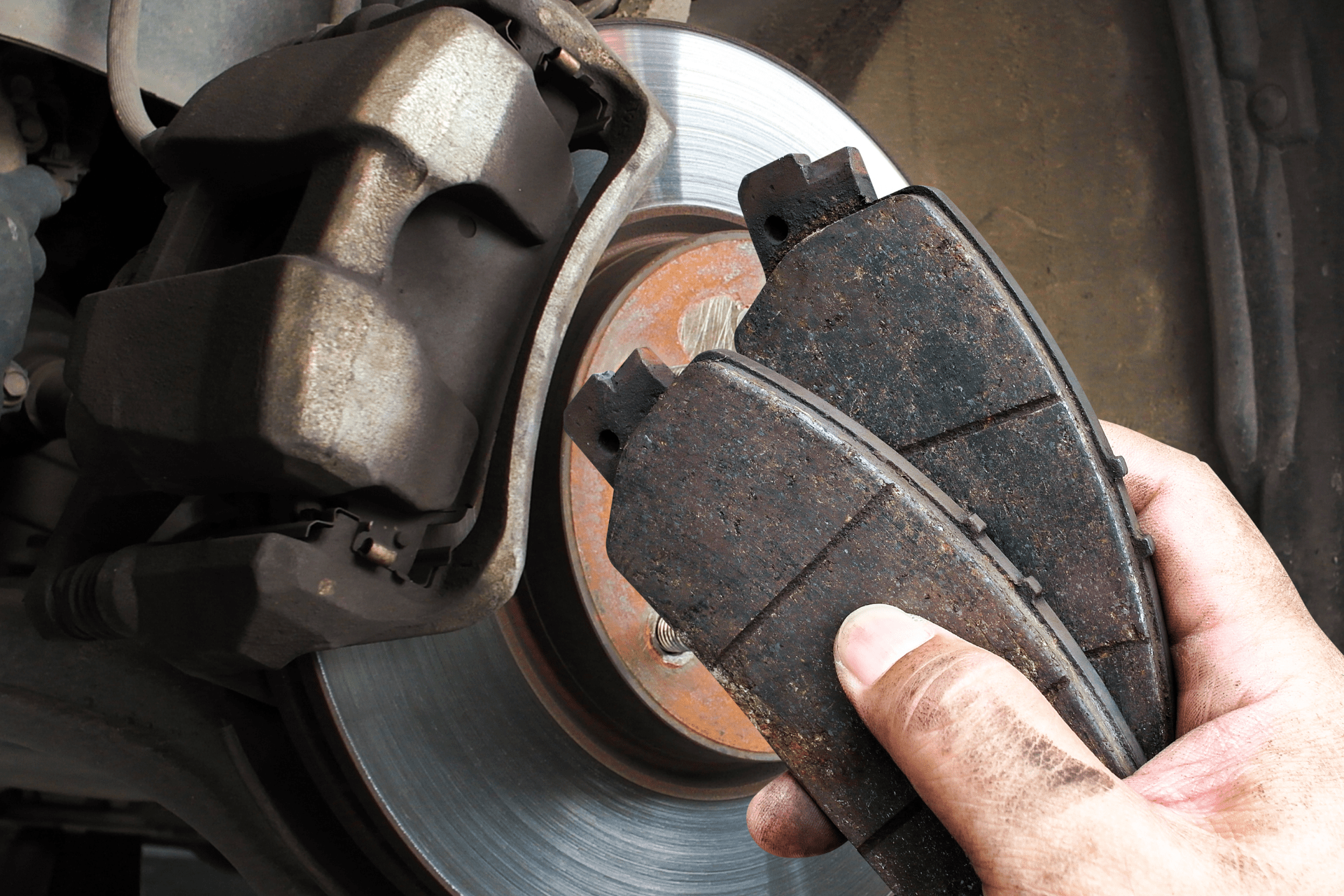
Brake replacement is one of the most important maintenance jobs for any industrial forklift. Because forklifts carry heavy loads, operate in tight spaces, and stop frequently throughout the day, their braking systems experience heavy wear. Ignoring weak brakes can lead to longer stopping distances, load instability, workplace accidents, and expensive downtime.
Unlike passenger vehicles, forklifts often have brake components that are harder to access. Some models use inboard brake systems, wet disc brakes, or specialized industrial components that require more labor than a standard car brake job. That is why forklift brake replacement costs can vary widely from one machine to another.
Average Forklift Brake Replacement Cost
In most cases, replacing brakes on a forklift costs between $1,000 and $2,500+. The final price depends on the type of brake system, parts required, labor rate, forklift model, and whether additional components such as drums, seals, wheel cylinders, or hydraulic lines need replacement.
| Service Type | Estimated Cost | What It Usually Includes |
|---|---|---|
| Basic brake shoe or pad replacement | $1,000 – $1,500 | Brake shoes or pads, inspection, basic labor, adjustment |
| Standard brake overhaul | $1,500 – $2,500 | Shoes, drums, cylinders, seals, hydraulic inspection |
| Complex inboard brake repair | $2,500+ | Extensive disassembly, specialty parts, high labor hours |
| Wet brake system service | Varies widely | Fluid inspection, seals, internal brake system diagnosis |
Cost Breakdown: Parts and Labor
1. Parts Cost
Forklift brake parts commonly cost between $300 and $800, depending on the machine and brake design. Basic parts may include brake shoes, pads, drums, wheel cylinders, springs, seals, and hydraulic components.
Heavy-duty parts such as inboard drums, specialty seals, and OEM components can push the cost higher. If the brake system has been neglected for a long time, the technician may also recommend replacing related components instead of only the friction material.
2. Labor Cost
Labor is often the largest part of the total bill. A typical forklift brake job may take 5 to 7 hours, but complex designs can take longer. Mobile mechanics and authorized dealers may charge higher hourly rates, especially for emergency service or on-site repairs.
The total labor cost usually ranges from $700 to $1,700+. This is because a forklift brake system is often harder to access than a car’s brake system, and the machine must be safely lifted, supported, inspected, adjusted, and tested before returning to service.
Specific Cost Factors to Consider
Inboard vs. Outboard Brakes
Outboard brakes are generally easier to access and therefore cheaper to service. Inboard brakes are positioned deeper within the drive axle or transmission area, which makes repairs more labor-intensive. If your forklift has inboard brakes, expect higher labor costs.
Wet vs. Dry Brakes
Dry brakes use friction shoes or pads that wear over time and may require periodic replacement. Wet disc brakes are sealed and run in oil, which can extend brake life, but repairs may be more complex when problems occur.
OEM vs. Aftermarket Parts
OEM brake parts often cost more but may offer better fitment and warranty confidence. Reputable aftermarket parts can reduce upfront costs, but buyers should avoid low-quality components that may wear quickly or reduce braking performance.
Operating Environment
Forklifts used in dusty, wet, corrosive, or high-duty-cycle environments may wear brakes faster. Frequent stop-and-go operation, ramps, heavy loads, and poor driving habits can also increase brake wear.
How Long Should Forklift Brakes Last?
Forklift brake life varies depending on workload, brake type, operator behavior, and maintenance quality. In light-duty warehouse use, brakes may last several years. In heavy-duty operations with frequent stopping, ramps, or high loads, brakes may need attention much sooner.
| Usage Level | Estimated Brake Life | Common Conditions |
|---|---|---|
| Light-duty use | 2–5 years | Low hours, smooth floors, light loads |
| Medium-duty use | 1–3 years | Daily warehouse operation, moderate loads |
| Heavy-duty use | 6–18 months | Ramps, outdoor use, frequent stops, heavy loads |
If operators notice grinding noises, longer stopping distances, soft pedals, pulling to one side, or burning smells, the brake system should be inspected immediately.
Is It Cheaper to Replace Forklift Brake Pads Yourself?
It may seem cheaper to replace forklift brake pads yourself, but it is generally not recommended unless you are a qualified technician. Forklift brakes are safety-critical components, and incorrect installation can cause equipment damage or serious injury.
DIY repair may also void warranties, create compliance problems, or fail workplace safety inspection requirements. For commercial operations, professional brake repair is usually the safer and more cost-effective choice.
Step-by-Step Forklift Brake Replacement Process
- Inspect brake symptoms: Check for noise, weak stopping, fluid leaks, or pedal changes.
- Lift and secure the forklift: Use proper jacks, stands, and lockout procedures.
- Remove wheels or access panels: Technician accesses the brake assembly.
- Inspect components: Brake shoes, drums, cylinders, seals, and hydraulic lines are checked.
- Replace worn parts: Damaged or worn brake components are installed correctly.
- Adjust and bleed system: Brake clearance and hydraulic pressure are restored.
- Test operation: The forklift is tested under safe conditions before returning to service.
How to Reduce Forklift Brake Replacement Costs
Good maintenance habits can extend brake life and lower total ownership cost. Operators should avoid aggressive braking, overloading, sudden stops, and driving too fast in tight areas.
- Schedule regular brake inspections
- Train operators on smooth braking
- Keep loads within rated capacity
- Repair leaks early
- Use quality replacement parts
- Maintain proper tire condition
Investing in reliable equipment also helps reduce maintenance downtime. Modern forklift solutions are designed to support efficient material handling and safer daily operation when properly maintained.
When Should You Replace Forklift Brakes?
Forklift brakes should be replaced when stopping performance declines, when brake material is worn, when drums or discs are damaged, or when hydraulic components leak. Operators should never continue using a forklift with known brake issues.
Warning signs include squealing, grinding, spongy pedal feel, hard braking effort, uneven stopping, fluid loss, or overheating. Any of these symptoms should trigger immediate inspection.
Conclusion
Replacing forklift brakes typically costs between $1,000 and $2,500+, depending on parts, labor, brake type, and system complexity. Outboard dry brakes are usually cheaper to service, while inboard brakes and complex wet brake systems may cost more.
Because brakes are essential to safety, every forklift should receive professional inspection and repair when braking performance changes. Proper maintenance, operator training, and quality parts can reduce long-term repair costs while keeping your workplace safer.

Add a review
Your email address will not be published. Required fields are marked *