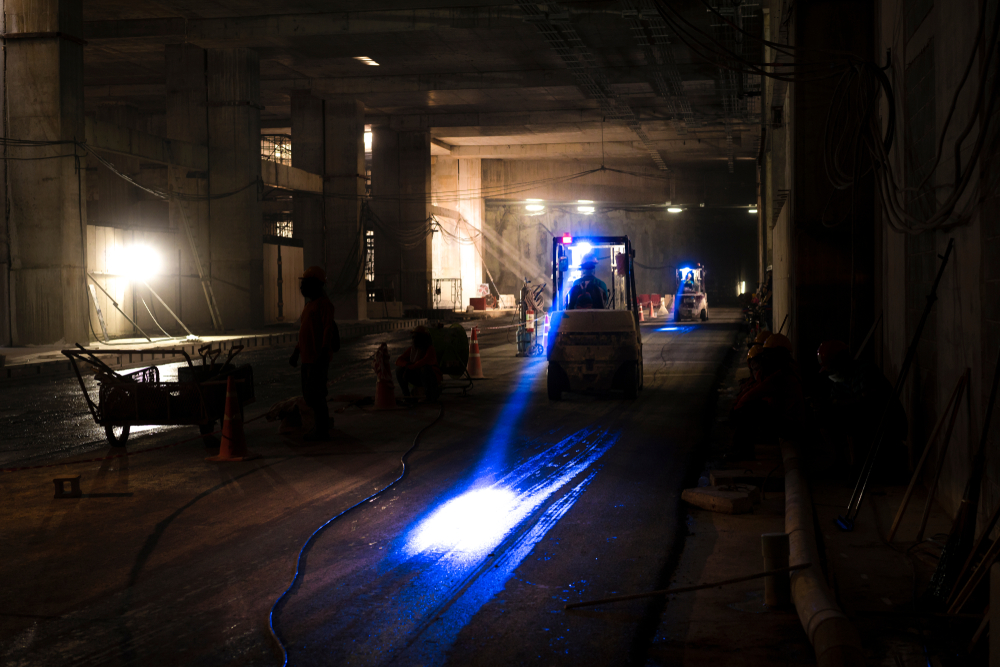
does a forklift count as heavy equipment

does a forklift count as heavy equipment

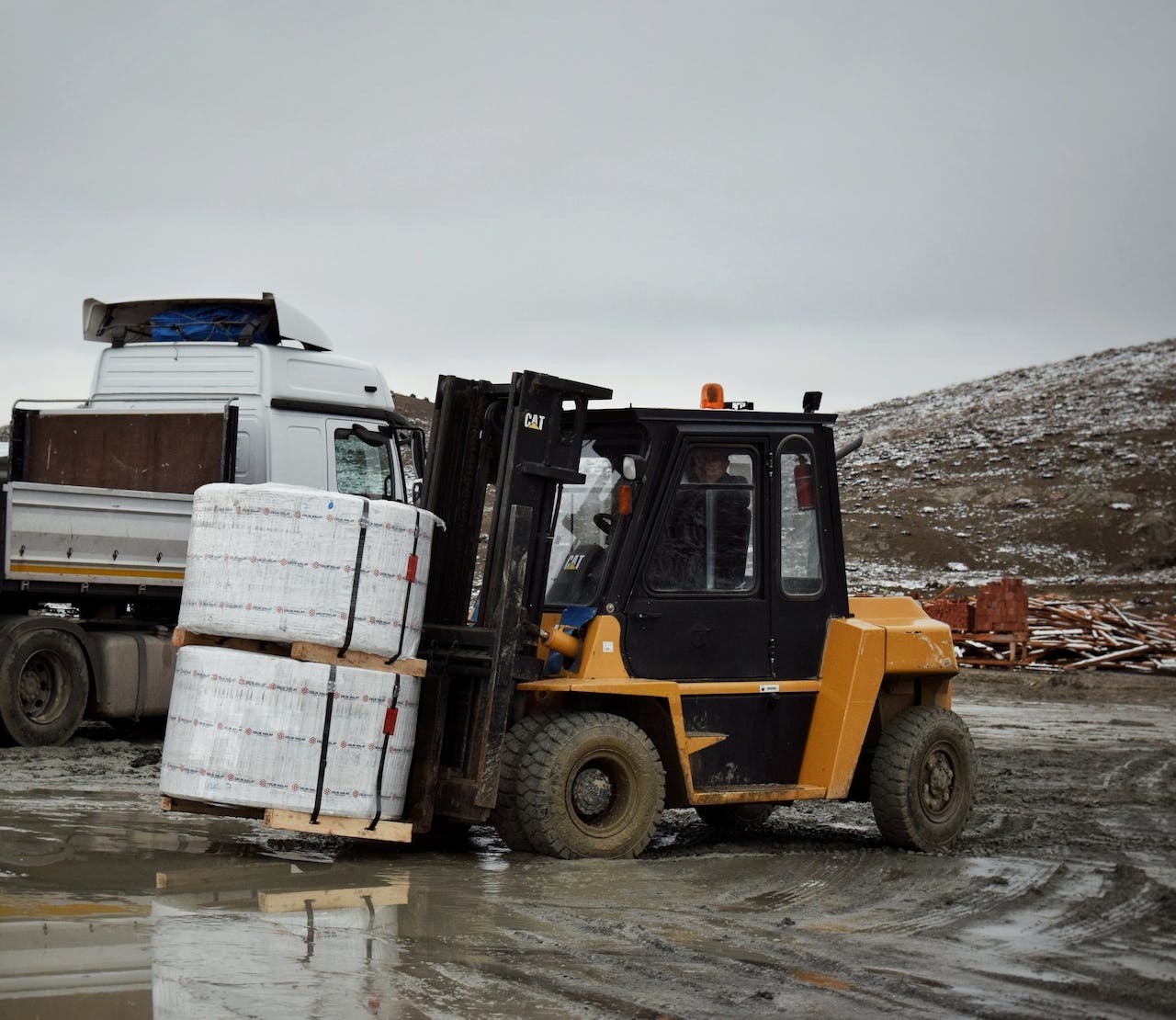
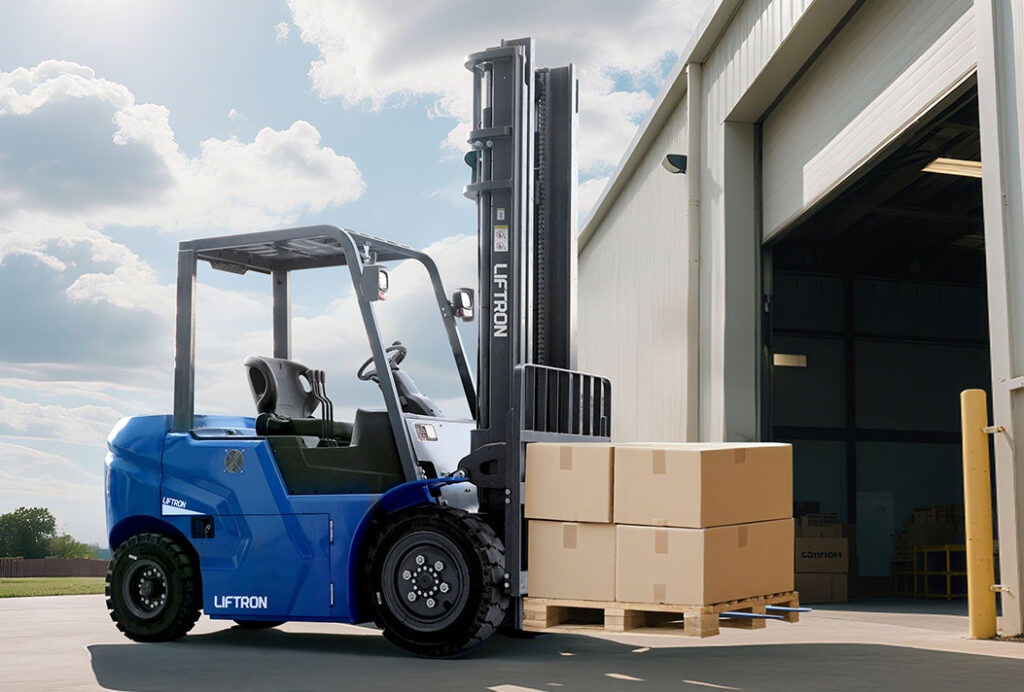
Wondering if a forklift counts as heavy equipment? The answer depends on size, capacity, and application. Standard warehouse forklifts are classified as material handling equipment, but large-capacity and rough-terrain models often cross into heavy equipment territory. This guide explores key classification factors including weight (from 3,000 lbs for standard units to over 20 tons for heavy-duty models), intended use across warehousing, construction, and port operations, and regulatory standards from OSHA and insurance providers. A comparison table highlights differences in weight, surface type, lift mechanism, and operator licensing between standard forklifts and heavy machinery like excavators. Learn when forklifts qualify as heavy equipment—such as those used in steel mills, on construction sites, or for container handling. Understand the safety, training, and maintenance implications, including additional certifications, daily inspections, and upkeep tailored to high-load components. Make informed decisions for your fleet with insights from Liftron Material Handling.

do industrial forklifts require a backup alarm

do industrial forklifts require a backup alarm

OSHA does not explicitly mandate backup alarms on all forklifts, but general safety regulations often require them when rear visibility is obstructed. This guide explains when and why audible or visual warning devices are necessary for compliance and accident prevention. Backup alarms become critical in crowded warehouses, construction sites, and high-noise environments where pedestrian traffic is common. Audible, visual, and combination alarms each serve distinct safety needs. Beyond compliance, installing backup alarms reduces collision risks, lowers insurance premiums, and fosters a culture of workplace safety. Legal considerations include OSHA standards, ANSI recommendations, and ADA accessibility requirements. Choosing the right alarm depends on operating environment, noise levels, and forklift compatibility. Regular installation and daily testing ensure reliability. For durable forklifts that can be customized with safety features like backup alarms, Liftron Material Handling offers industrial solutions designed with operator and pedestrian protection in mind.

are all industrial forklifts have clutch

are all industrial forklifts have clutch

Not all industrial forklifts are equipped with a clutch. While traditional combustion forklifts often feature manual transmissions with a clutch pedal for precise torque control, modern models increasingly use automatic transmissions with torque converters, hydrostatic drives, or all-electric drivetrains that eliminate the clutch entirely. Electric forklifts, like the Liftron DL SERIES lithium-ion models, offer clutch-free operation with instant torque, smooth acceleration, and lower maintenance costs. Clutch-based forklifts remain relevant for rough terrain or heavy-duty outdoor applications where operator skill and mechanical simplicity are valued. However, the industry trend favors clutch-free options for indoor use, reducing operator fatigue and training time. When choosing a forklift, consider your application, operator experience, and maintenance budget. For most modern warehouses, clutch-free electric or automatic models provide higher productivity and lower total cost of ownership. Explore Liftron Material Handling’s lineup for advanced, clutch-free solutions that boost efficiency and comfort.

how to operate a forklift safely

how to operate a forklift safely

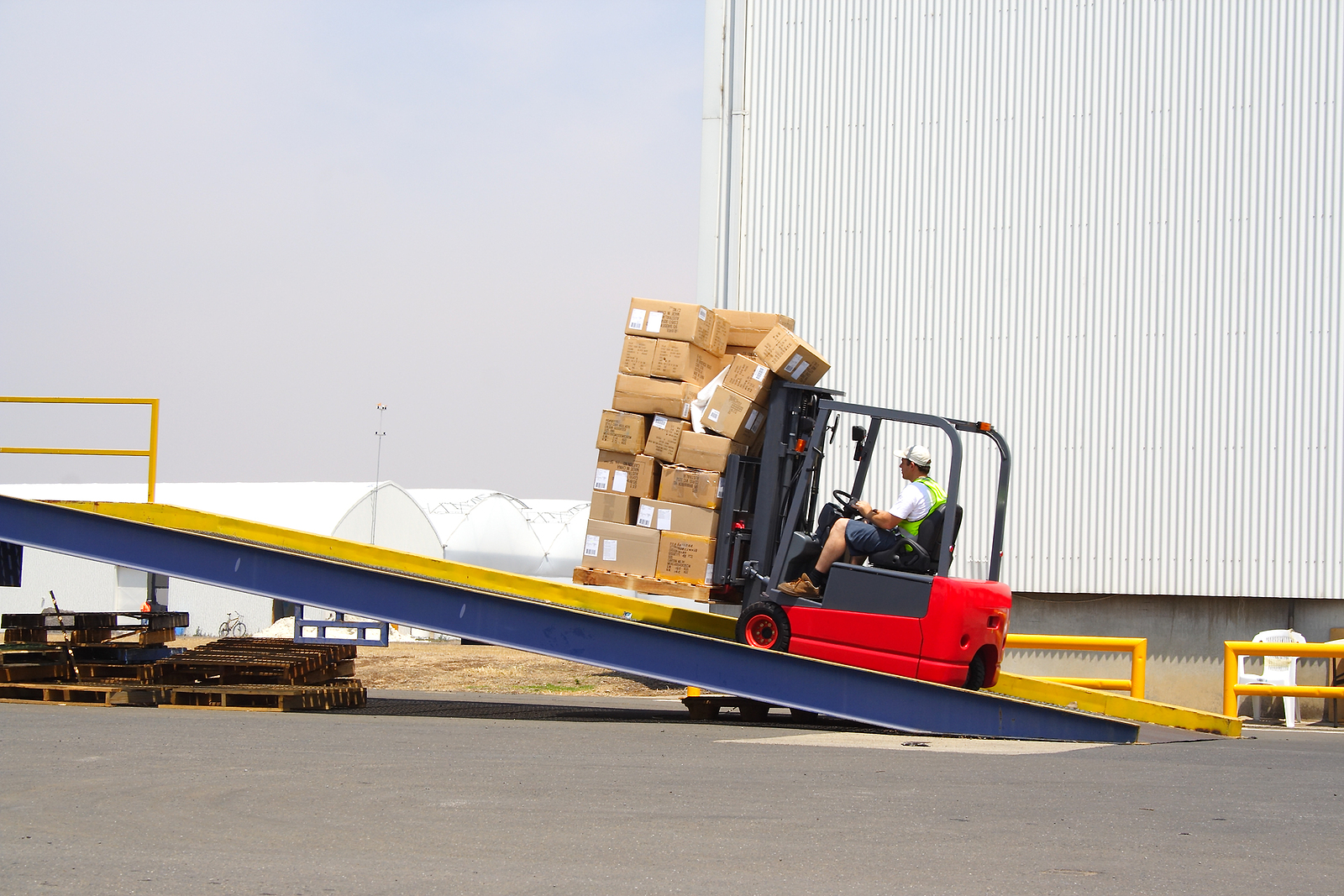
Operating a forklift safely requires proper training, thorough pre-shift inspections, and strict adherence to load handling and workplace protocols. Key safety measures include conducting daily checks on fluid levels, tires, brakes, and forks; wearing a seatbelt; using the three-point contact method when mounting; keeping loads stable and low at 4–6 inches; and tilting the mast back while traveling. Workplace awareness is critical—use horns at blind corners, maintain pedestrian distance, and follow speed limits. In narrow aisles, high-visibility masts and precise steering enhance safety. Pedestrian communication via hand signals or radios is essential, and ramps require keeping the load uphill. Parking involves lowering forks, engaging brakes, and disabling power. Avoid common mistakes like damaged forks or unstable loads. Only certified operators should handle forklifts, with OSHA requiring refresher training every three years. Modern lithium-ion models like the Liftron DL SERIES offer zero emissions, fast charging, and built-in safety systems, helping reduce downtime and improve overall workplace efficiency.

whats the difference between a tow motor and a forklift

what’s the difference between a tow motor and a forklift

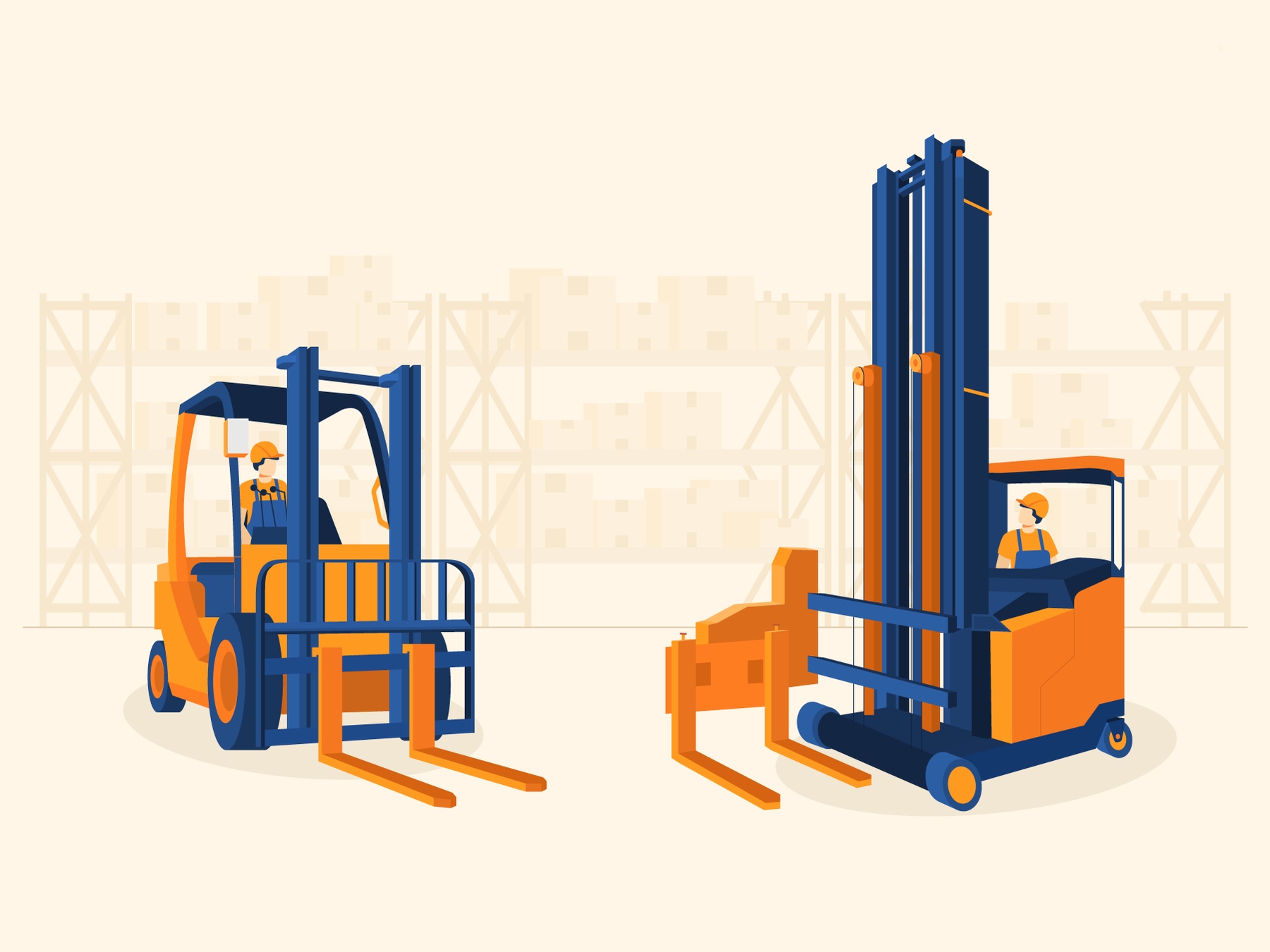
While often used interchangeably, tow motors and forklifts serve distinct roles in material handling. A forklift is designed for lifting and stacking loads vertically, using forks and a mast, ideal for warehouse operations and loading docks. In contrast, a tow motor is built for pulling heavy loads horizontally, utilizing a hitch or coupling instead of forks, making it suitable for towing trailers or carts across large facilities. Modern electric forklifts, like the Liftron DL Series, can perform both tasks, but dedicated equipment remains superior for specialized needs. This guide explores the functional differences, design variations, application scenarios, and safety considerations between these two machines, helping businesses choose the right equipment for optimal productivity and efficiency.

what are the best forklift brands for narrow aisle applications

what are the best forklift brands for narrow aisle applications

Selecting the right forklift for narrow aisle applications is essential for maximizing warehouse storage density and operational efficiency in spaces as tight as 8 to 10 feet. This guide compares top brands like Toyota, Raymond, Crown, Jungheinrich, Yale, and Liftron Material Handling, highlighting their key features and ideal use cases. Toyota’s System of Active Stability, Raymond’s high lift precision, Crown’s operator comfort, Jungheinrich’s fast-charging lithium-ion models, and Yale’s cold storage ratings are examined. Liftron’s DL SERIES stands out with its compact frame and zero-maintenance lithium-ion power, reducing total cost of ownership for modern e-commerce fulfillment. A comparative table provides a quick overview of models, typical aisle widths, power sources, and unique advantages. Final recommendations emphasize testing multiple models in your actual facility and investing in proper operator training for safety and productivity.

why is rear end swing dangerous on a forklift​

why is rear end swing dangerous on a forklift

Rear end swing is one of the most dangerous dynamics in forklift operation, often causing tip-overs, collisions, and serious injuries. This article explains how rear-wheel steering in counterbalanced forklifts creates a pronounced lateral movement of the rear counterweight during turns, shifting the center of gravity and increasing accident risk. Key hazards include lateral tip-overs that can crush operators, unpredictable collisions with pedestrians and racking, load shifting, and loss of control—especially on slippery surfaces or with elevated loads. Factors like excessive speed, sharp turns, and uneven loads exacerbate the danger. Best practices to mitigate risks include reducing speed before turns, keeping loads low, maintaining clean floors, and using proper tires. Modern forklifts such as the Liftron DL SERIES feature advanced stability systems and precision steering to minimize swing. Operator training on rear swing dynamics is essential, and facilities should prioritize equipment maintenance and safe procedures to prevent swing-related accidents.

why are forklifts rear steering

why are forklifts rear steering

Learn why forklifts use rear steering instead of front steering, a design that provides exceptional maneuverability in tight warehouse aisles. This article explains how rear-wheel steering creates a tighter turning radius, improves load stability by keeping the front axle fixed, and gives operators better visibility of forks and load placement. Key differences between rear and front steering are compared, including turning radius, load stability, and operator control. Safety considerations such as tail swing are discussed, along with training tips for new operators. The article also explores how modern electric and lithium-ion forklifts, like those from Liftron Material Handling, integrate rear steering with advanced technologies such as steer-by-wire and central battery placement to enhance efficiency, reduce maintenance, and optimize warehouse layout planning. A must-read for fleet managers and warehouse designers evaluating equipment for high-density storage.

are forklifts rear wheel drive​

are forklifts rear wheel drive

Most forklifts use rear-wheel drive because it provides superior traction, stability, and maneuverability essential for heavy lifting in warehouses and industrial settings. This design places the drive force at the rear where the engine or battery counterweights the front load, allowing for tight turning radii and preventing front wheel slippage. Rear-wheel drive offers key advantages including excellent load stability, enhanced traction on slippery surfaces, and simplified maintenance. While front-wheel drive exists in specialized equipment like pallet jacks and narrow-aisle reach trucks, rear-wheel drive remains the industry benchmark for heavy-duty applications. Modern innovations such as lithium-ion batteries further improve rear-wheel drive performance by delivering consistent power throughout shifts. Operators benefit from understanding rear-wheel handling characteristics, especially tail swing during turns. For optimal material handling productivity and safety, fleet managers typically choose rear-wheel drive counterbalance trucks, balancing power, maneuverability, and cost-effectiveness across various operational environments.

what are the 3 main guards on a forklift

what are the 3 main guards on a forklift

Forklift safety relies on three essential guards: the overhead guard, load backrest, and fork guards. The overhead guard protects operators from falling objects, while the load backrest prevents loads from shifting backward during travel. Fork guards shield fork tips and prevent lateral load displacement. Each guard works together as a safety triad, and neglecting any one can lead to accidents. Compliance with OSHA and ANSI/ITSDF B56.1 standards is critical, and regular maintenance—including daily inspections for cracks, bends, or debris—is necessary to ensure effectiveness. High-quality equipment, such as the Liftron DL SERIES, integrates reinforced overhead guards, adjustable load backrests, and durable fork guards to enhance protection and visibility. Prioritizing these safety features reduces accident risks, boosts productivity, and supports long-term operational value in warehouses, construction sites, and industrial facilities.

Back to Top
Product has been added to your cart