can a forklift fit inside a regular garage door

can a forklift fit inside a regular garage door

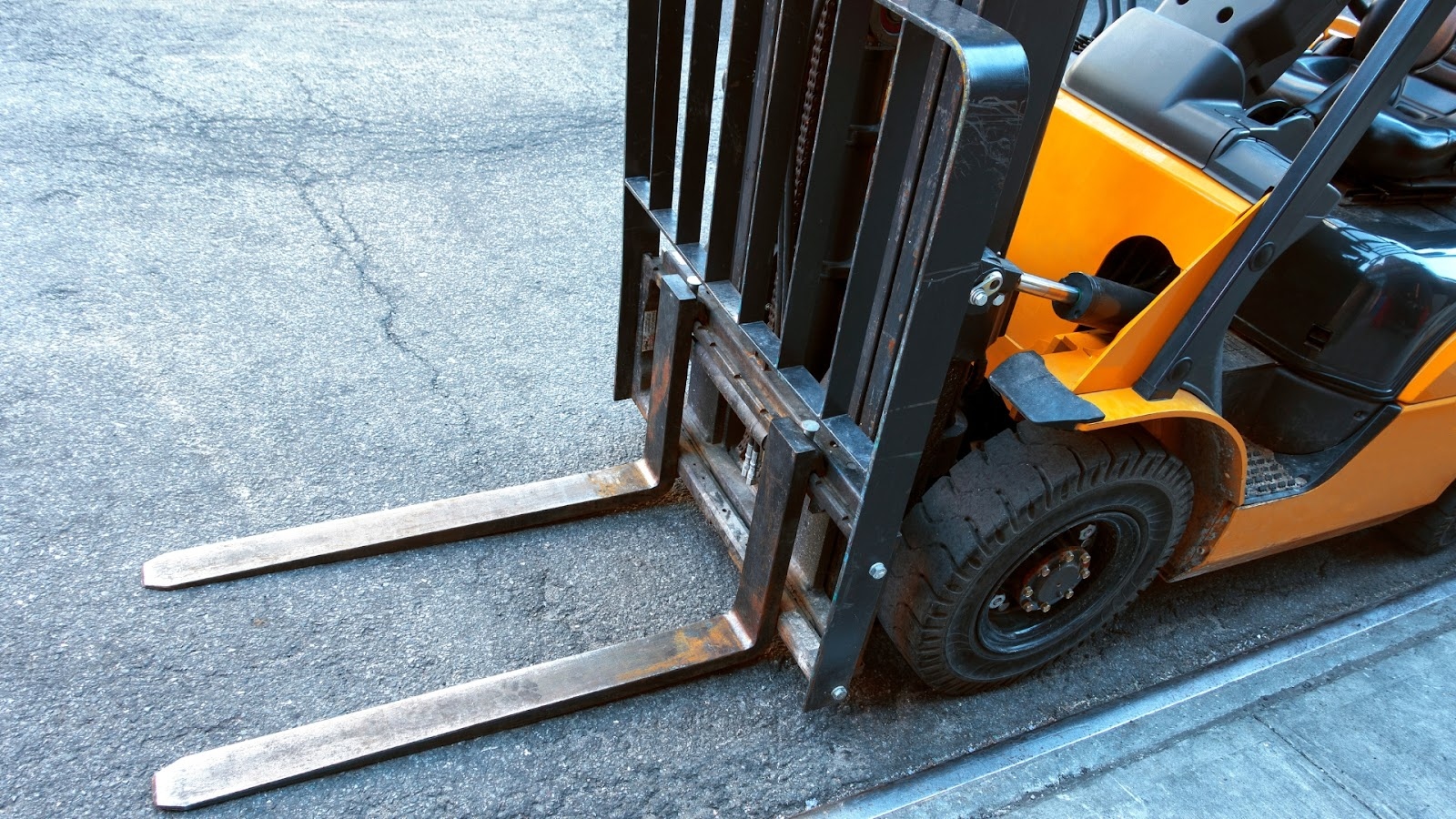
Wondering if a forklift can fit in a standard residential garage? Most standard counterbalance forklifts will not fit through a typical 7-foot garage door due to mast height, overhead guard clearance, and door hardware reducing usable space. For safe passage, at least 6 inches of clearance above the forklift is required. Compact alternatives like walkie stackers, pallet jacks, narrow-aisle forklifts, and low-profile electric models such as the Liftron DL series are better suited for home garages, with masts lowering to under 6.5 feet. Before attempting garage storage, measure the actual opening from floor to the lowest track or hardware point. Options include installing a higher 8- or 9-foot door, removing the door for a roll-up system, or choosing a compact electric forklift designed for tight spaces. Always prioritize safety—never force a forklift through a low opening, ensure level flooring, and use electric models for indoor storage.

what are automated forklifts

what are automated forklifts

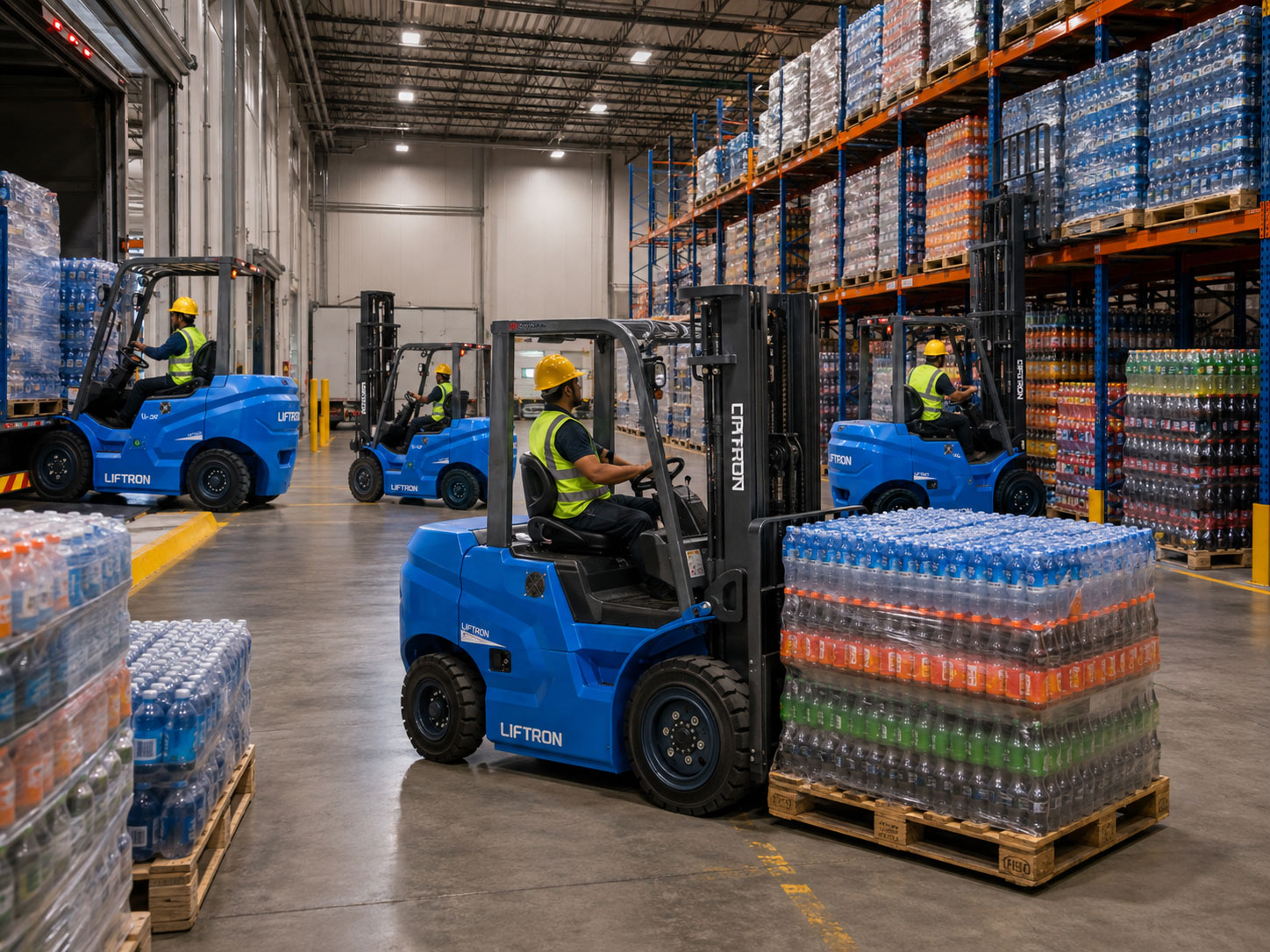
Automated forklifts are revolutionizing warehouse operations by using sensors, cameras, and navigation software to move materials without human operators, boosting productivity by 20–40% and reducing injuries by up to 50%. These driverless machines, including AGVs and AMRs, leverage technologies like LiDAR and SLAM for autonomous navigation, run 24/7, and integrate seamlessly with warehouse management systems. Key benefits include eliminating labor costs, lowering error rates below 0.5%, predictable maintenance, and enhanced safety compliance with OSHA standards. Applications span e-commerce, automotive, pharmaceuticals, and cold storage. While upfront costs are higher, payback periods typically range from 12 to 24 months through labor and efficiency savings. Leading solutions, such as the Liftron DL SERIES, feature collision avoidance, automatic load detection, and lithium-ion batteries for rapid deployment and lower total cost of ownership, making automation accessible for facilities of all sizes.

how do automated forklifts work

how do automated forklifts work

Automated forklifts leverage advanced navigation systems like laser guidance, magnetic tape, and natural feature SLAM technology to move materials without human operators, significantly boosting warehouse efficiency and safety. These driverless vehicles rely on onboard industrial computers running fleet management software that integrates with WMS or ERP systems to execute tasks such as pallet picking, transporting, and racking with millimeter precision. Safety is ensured through 360-degree sensor coverage using LiDAR, ultrasonic detectors, and 3D cameras for obstacle avoidance and pedestrian detection. Lithium-ion battery systems enable rapid opportunity charging and autonomous docking for near-continuous operation. Multiple automated forklifts coordinate via Wi-Fi or 5G networks, with traffic management algorithms preventing bottlenecks in high-throughput facilities. Understanding these core components—navigation, control, safety, power, and integration—is essential for businesses considering automation to reduce labor costs, increase throughput, and enhance workplace safety.

is forklift automation more epxensive​

is forklift automation more epxensive

Compare forklift automation costs vs. manual operations to determine long-term savings. Automated forklifts cost 1.5–3 times more upfront, but labor savings of $35,000–$50,000 per shift annually often offset the premium. Payback ranges from 18–36 months for multi-shift facilities. Hidden benefits include 30–50% less product damage, 15–25% higher throughput, and 70–80% fewer injuries. A balanced hybrid fleet—two automated units per manual unit—optimizes ROI for high-volume operations. Explore total cost of ownership with Liftron Material Handling.

how are forklifts being automated​

how are forklifts being automated

Automated forklifts are transforming material handling by streamlining warehouse operations, reducing labor costs, and enhancing safety through driverless technology. Key technologies include LiDAR sensors, cameras, and sophisticated software for precise navigation and obstacle detection. Systems range from Automated Guided Vehicles (AGVs) following fixed paths to Autonomous Mobile Robots (AMRs) navigating freely. Benefits include 24/7 operation, reduced human error, improved space utilization, and fewer workplace injuries. Leading solutions like the Liftron DL SERIES feature lithium-ion batteries for extended runtime and rapid charging, with advanced sensors for automated navigation in high-density warehouses. Successful implementation requires site assessment, software integration with WMS/ERP systems, safety protocols, and staff training. Emerging trends include AI for predictive maintenance, 5G connectivity for real-time fleet management, and swarm intelligence among multiple forklifts. Automation is essential for competitive modern warehouses, delivering measurable returns in productivity, cost savings, and safety.

do you have to bleed a forklift hydraulic lift hose

do you have to bleed a forklift hydraulic lift hose

Bleeding a forklift hydraulic lift hose is often necessary after hose or cylinder replacement, fluid changes, or when the lift feels spongy or jerky. Trapped air compresses under pressure, causing sluggish, unresponsive, or erratic lifting and potential component wear. The process involves parking safely, locating the bleeder valve, slowly opening it while cycling the lift lever, then closing it once steady fluid emerges. Regular maintenance includes proper filling, tight connections, and leak inspections to prevent air entry. Some modern models feature self-bleeding systems, but most traditional hydraulics benefit from manual bleeding after service. Persistent symptoms like chattering, hissing, or foamy fluid indicate incomplete bleeding. Safety precautions include wearing eye protection, never loosening pressurized fittings, and following manufacturer guidelines. For persistent issues, consult a certified technician. Quality components and correct procedures keep forklift hydraulics operating smoothly and safely.

is driving a hi lo forklift easy

is driving a hi lo forklift easy

Operating a hi-lo forklift is easier than ever with modern technology and proper training, but safety and skill remain essential. This guide covers the fundamentals of forklift operation, including rear-wheel steering, lift and tilt control, and pre-operational checks. Beginners can overcome common challenges like load instability and poor visibility through practice and expert tips. Electric models like the Liftron DL SERIES lithium-ion forklift feature ergonomic joysticks, proportional hydraulic controls, and digital diagnostics that simplify driving. Technological advancements such as 360-degree cameras, proximity sensors, and fast-charging batteries further reduce the learning curve. While initial training takes just hours, mastering maneuvering and load handling requires consistent practice. Choosing well-designed equipment from trusted manufacturers like Liftron Material Handling enhances operator comfort and efficiency. With the right approach, anyone can quickly gain confidence and operate a hi-lo forklift smoothly in warehouses or loading docks.

what's the ideal forklift for maneuvering in very narrow aisles

what’s the ideal forklift for maneuvering in very narrow aisles

Maximizing warehouse space in very narrow aisles (VNAs) under eight feet wide demands specialized forklifts that combine compact maneuverability with high lift capacity. Articulated forklifts lead the way, featuring pivoting rear sections that drastically reduce turning radii for perpendicular rack access without repositioning. Reach trucks offer extending forks for deep rack configurations, while lithium-ion power delivers fast charging, zero maintenance, and consistent performance, eliminating battery swapping areas. Precision control systems, including wire or laser guidance, cameras, and proximity sensors, enhance safety in tight spaces. For VNAs, articulated models boost productivity by 30% or more over reach trucks. Capacity typically ranges from 2,000 to 4,000 pounds, with 20-30 foot lift heights ideal. Lithium-ion powered VNA forklifts lower total cost of ownership through reduced maintenance and telemetry for health tracking. Future trends include autonomous guided vehicles, but operator-driven articulated forklifts remain the most practical solution for high-density storage. Proper aisle measurement, operator training, and rack upgrades ensure successful implementation.

what should you do if a forklift is tipping over

what should you do if a forklift is tipping over

When a forklift begins to tip over, staying inside with your seatbelt fastened and bracing yourself is the only safe response—never jump, as ejected operators face the highest risk of fatal crushing. This guide details the critical survival procedure: hold the steering wheel, plant your feet, and lean away from the direction of the fall while keeping all limbs inside the compartment. Prevention strategies address common tip-over causes like excessive speed, unstable loads, and uneven terrain, emphasizing proper load handling, cautious travel, and regular equipment maintenance. Post-incident steps include turning off the ignition and reporting every event. Hands-on training and regular drills help operators internalize the “do not jump” reflex. Modern lithium-ion models, such as the Liftron DL Series, enhance stability with lower centers of gravity, but operator discipline remains essential. Ultimately, the right reaction during a tip-over saves lives.

what engine oil do late model forklifts take

what engine oil do late model forklifts take

Choosing the right engine oil for late-model forklifts is essential for maintaining performance, extending engine life, and meeting modern emission standards like Tier 4 Final or Stage V. Low-viscosity oils such as 10W-30 or 5W-30 are commonly recommended to reduce friction and improve fuel economy, while API CK-4, CJ-4, or SN/SP classifications ensure compatibility with emission control systems. Full synthetic oils provide superior thermal stability and extended drain intervals, making them the preferred choice for advanced engines. Climate and operating conditions also influence oil selection, with lighter grades for cold environments and heavier synthetics for high heat or heavy loads. Avoid common mistakes like using thick oils in modern diesel engines, which can clog DPFs. For electric alternatives, models like the Liftron DL SERIES eliminate engine oil changes entirely. Proper oil selection and adherence to manufacturer guidelines reduce downtime, protect warranties, and lower total ownership costs.

Back to Top
Product has been added to your cart