best forklift brands 2026

best forklift brands 2026

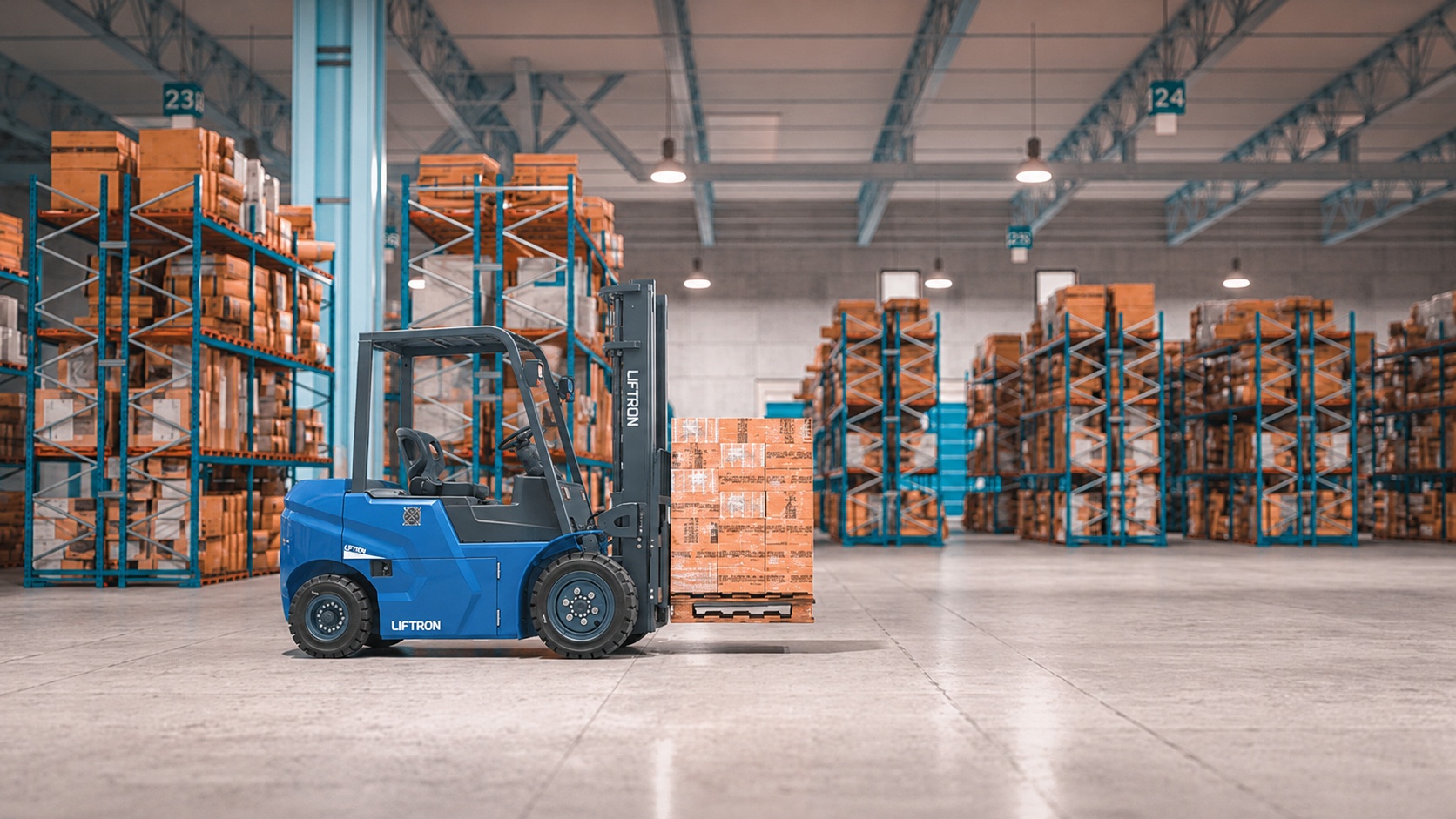
Discover the best forklift brands of 2026, from Toyota’s reliable Traigo 48-80V and Linde’s ergonomic E-Series to Crown’s rugged RC 5500 and Hyster’s heavy-duty J8.0-12.0XN. This guide highlights key strengths, top models, and essential features like lithium-ion batteries, telematics, and advanced safety systems. Special focus is given to Liftron Material Handling, whose DL SERIES revolutionizes operations with faster charging, zero emissions, and no battery swaps—ideal for cold storage and indoor use. Whether prioritizing uptime, precision, or sustainability, find out which manufacturer best fits your warehouse or industrial needs to boost efficiency and reduce costs.

forklift industry macro trends 2026

forklift industry macro trends 2026

By 2026, the global forklift industry is transforming through electrification, automation, and digitalization, with over 70% of new sales expected to be electric models powered by lithium-ion batteries. Autonomous forklifts using AI, LiDAR, and sensors reduce labor costs and errors, while telematics and IoT connectivity enable real-time fleet optimization and predictive maintenance. Sustainability pressures drive carbon footprint reduction, and labor shortages accelerate adoption of semi-automation and operator assistance systems. The market is projected to reach $75 billion, led by e-commerce and warehouse automation. Challenges include high initial costs and infrastructure needs, but total cost of ownership for electric forklifts is declining. Liftron Material Handling exemplifies this shift with its DL SERIES lithium-ion forklifts, featuring fast charging, smart telematics, zero emissions, and advanced safety features, helping businesses achieve efficiency, sustainability, and operational resilience.

brand new forklift price range 2026​

brand new forklift price range 2026

Explore the brand new forklift price range for 2026, from $15,000 for electric pallet jacks to over $90,000 for heavy-duty IC models. Prices are shaped by load capacity, power source—especially the rise of lithium-ion technology—and automation features like telematics and collision avoidance. Electric and lithium-ion models offer higher upfront costs but lower lifetime expenses, with typical mid-range counterbalance units priced between $35,000 and $55,000. Regional factors also influence pricing, with North American and European markets reflecting higher standards and tariffs. To make a smart investment, focus on total cost of ownership, compare warranty terms, and consider financing options. Quality options from manufacturers like Liftron Material Handling, including the DL SERIES, balance affordability with advanced battery management and long-term reliability. Plan your fleet upgrade with a clear understanding of 2026 pricing dynamics to maximize operational efficiency and budget performance.

best forklift brands for warehouses and logistics 2026

best forklift brands for warehouses and logistics 2026

Selecting the right forklift brand in 2026 is crucial for optimizing warehouse efficiency, balancing durability, advanced technology, and cost-effectiveness. Top brands like Toyota Material Handling lead with safety systems and lithium-ion options, while Hyster-Yale offers hydrogen fuel cell models for demanding environments. Crown Equipment excels in narrow-aisle ergonomics with its InfoLink fleet software. Emerging player Liftron Material Handling provides cost-efficient lithium-ion electric forklifts with fast charging, ideal for mid-size logistics. Kion Group (Linde and STILL) leads in automation and precision for high-density storage, and Jungheinrich specializes in flexible warehouse equipment. Key features include lithium-ion technology, operator safety, fleet management software, and strong service networks. To choose the best brand, assess load capacity, total cost of ownership, charging infrastructure, and automation readiness. Embracing electric and automated solutions helps warehouses stay competitive in 2026.

what filter fits what forklift

what filter fits what forklift

Choosing the correct filter for your forklift—whether oil, fuel, air, or hydraulic—is essential for engine longevity and operational efficiency. This guide explains how to identify compatible filters for internal combustion and electric models, including thread sizes, micron ratings, and bypass settings. Key steps include recording the OEM part number from the old filter, consulting the equipment manual, and using online cross-reference tools to find direct equivalents from brands like Donaldson, Fleetguard, or Wix. Common fitment issues such as thread pitch mismatches and improper gasket seals are addressed, along with specific guidance for electric forklifts like the Liftron DL SERIES, which require cooling system and hydraulic filters with precise O-ring configurations. A helpful reference table summarizes filter specifications by lift truck type. Always prioritize filters that meet or exceed OEM specifications to avoid costly repairs and ensure reliable operation.

how to prevent forklift damage

how to prevent forklift damage

Forklift damage drives up repair costs, causes costly downtime, and creates serious safety risks—but proactive prevention strategies can dramatically reduce these issues. This guide covers the most common causes of damage, from operator error and overloading to collisions with infrastructure, and provides actionable solutions. Key prevention methods include comprehensive operator training and certification, daily pre-shift inspections, proper load handling techniques, and disciplined battery care. Regular maintenance scheduling for tires, hydraulics, brakes, and steering is essential, along with optimizing workplace layout with clear lanes, barriers, and lighting. Modern technology like sensors, cameras, collision warning systems, and telematics helps identify risky behaviors. Speed management, floor and rack maintenance, and fostering a strong safety culture further protect equipment. Investing in quality, durable machinery—such as lithium-ion battery models—reduces maintenance and extends lifespan. Start with operator habits and inspection routines, then integrate technology and premium equipment for long-term savings and safer operations.

are forklifts used in construction

are forklifts used in construction

Forklifts are indispensable in construction for lifting, moving, and stacking heavy materials like steel beams and concrete blocks, boosting productivity and reducing manual labor. These versatile machines handle tasks from loading delivery trucks to transporting materials over rough terrain and positioning components for assembly. Common types include rough terrain forklifts for unpaved sites, telehandlers with telescopic booms for reaching high places, and electric models like the Liftron DL SERIES for zero-emission indoor use. Advantages include increased efficiency, improved safety by minimizing manual handling injuries, and adaptability with various attachments. Key specifications include lifting capacities of 3,000–10,000 lbs, lift heights up to 20 feet or more, and appropriate tire and power source selection. Choosing the right forklift depends on site conditions, material weight, and height requirements. Regular maintenance and operator training are essential for safe, reliable operation on any construction project.

where is the inline fuel filter on a forklift

where is the inline fuel filter on a forklift

Discover where to find the inline fuel filter on your forklift with this practical guide covering common locations for gasoline, diesel, and LPG models. Typically positioned along the fuel line between the tank and engine or fuel pump, the filter may be near the lower frame rail, under the engine cover, or integrated into the vaporizer assembly on LPG units. Trace the fuel line from the tank, look for a small cylindrical component with two hoses, and check near the carburetor or fuel pump if needed. Visual inspection tips, step-by-step instructions, and a troubleshooting table help identify issues like hard starting or power loss caused by clogged filters. Regular replacement every 500–1000 hours prevents costly damage. Safety precautions and maintenance recommendations ensure optimal performance. For modern alternatives, consider Liftron DL Series lithium-ion forklifts for reduced maintenance needs.

how to change fuel filter on diesel forklift

how to change fuel filter on diesel forklift

Learn how to change a diesel forklift fuel filter with this step-by-step guide covering safety, tools, removal, installation, and priming. Regular fuel filter replacement every 500–1,000 hours prevents hard starting, power loss, and costly injector damage. The guide explains how to locate the filter, drain the system, remove old spin-on or cartridge filters, and install new ones with proper O-ring lubrication. Priming the fuel system is critical to remove air locks and ensure smooth starts. Common mistakes like skipping priming or using incorrect filters are highlighted to avoid poor engine performance and injector failure. Tips for maintaining equipment like Liftron material handling forklifts are included to extend lifespan and reduce downtime. Proper maintenance keeps your diesel forklift running efficiently and lowers total ownership costs.

when was the first forklift invented

when was the first forklift invented

Clark Equipment Company developed the first motorized forklift in 1917, marking a turning point in material handling history. Hand-operated lift trucks date back to the 1800s, but the 1917 Clark Tructractor combined a three-wheel chassis, electric-powered lift, and steering tiller to create the first true forklift. Key innovations followed: Yale & Towne introduced hydraulic lifting in 1923, Towmotor launched the first sit-down rider model in 1929, and the 1950s brought pneumatic tires for outdoor use. Today, lithium-ion technology, exemplified by the Liftron DL SERIES, offers longer runtime, faster charging, and zero emissions. From manual lift trucks to advanced electric models, forklift evolution has revolutionized warehouse logistics. Understanding this history helps buyers appreciate modern features like regenerative braking and telematics that boost efficiency and sustainability.

Back to Top
Product has been added to your cart