

who are the top material handling equipment manufacturers
The global material handling equipment market is booming, driven by e-commerce, automation, and the need for smarter warehouses. Choosing the right partner from the top manufacturers can make or break your operational efficiency. This guide explores the industry leaders, their specialties, and how emerging innovators are reshaping the landscape.
Global Giants Defining the Industry
Several multinational corporations dominate the sector, each with a unique portfolio of forklifts, conveyors, pallet jacks, and warehouse automation systems. These companies invest heavily in R&D to integrate IoT, AI, and lithium-ion technology into their equipment.
Toyota Material Handling
Toyota remains the world’s largest forklift manufacturer. Their core strength lies in reliability and a vast dealer network. They offer everything from electric warehouse trucks to heavy-duty internal combustion forklifts, with a strong focus on ergonomics and safety features like the System of Active Stability (SAS).
KION Group (Linde & STILL)
KION Group owns premium European brands Linde and STILL. Linde is synonymous with hydrostatic drive technology and superior comfort, while STILL excels in intralogistics automation and digital fleet management. Both brands are leaders in high-performance electric trucks and automated guided vehicles (AGVs).
Jungheinrich
Based in Germany, Jungheinrich is a pioneer in warehouse equipment and automated solutions. They are known for innovative narrow-aisle trucks, mobile robots, and advanced racking systems. Their strength lies in energy efficiency and modular product design.
Crown Equipment
Crown is a US powerhouse famous for its rugged and durable electric lift trucks. Their patented Access 1 2 3 System (elevating operator position) and focus on vertical integration (designing their own motors and controls) ensure high uptime and exceptional serviceability.
Hyster-Yale Group
With brands like Hyster and Yale, this US-based group covers a full spectrum of applications—from container handling to cold storage. They specialize in heavy-duty forklifts and offer some of the strongest load capacities in the market.
Rising Leaders in Automation & Robotics
The rise of autonomous mobile robots (AMRs) and warehouse execution software has created a new class of top-tier manufacturers.
- Honeywell Intelligrated: Master of conveyor systems, sortation, and voice picking solutions for mega-warehouses.
- Daifuku: Japan’s largest material handling company, dominant in airport baggage handling and semiconductor cleanroom automation.
- Murata Machinery: Known for high-speed stacker cranes and automated storage/retrieval systems (AS/RS).
- GreyOrange: Disruptive robotics firm using AI-driven dual-mode robots for dynamic picking and sorting.
Specialized Niche Players Worth Watching
Beyond the conglomerates, several specialized firms deliver exceptional value for specific industries like food & beverage, pharmaceutical, or cold chain logistics.
| Manufacturer | Specialization | Key Strength |
|---|---|---|
| Mitsubishi Logisnext | Cat & UniCarriers brand forklifts | Competitive pricing and global parts availability |
| Doosan Industrial Vehicle | Large-capacity diesel forklifts | Extreme durability for heavy outdoor use |
| Combilift | Multi-directional forklifts & long-load handling | Customized solutions for steel and lumber |
| EP Equipment | Lithium-ion warehouse trucks | Fast charging and compact design |
Why Lithium-Ion is Redefining the Top Tier
The most significant shift in the industry is the rapid adoption of lithium-ion batteries. Older lead-acid batteries require lengthy charging, maintenance, and ventilation. Lithium-ion offers opportunity charging (during breaks), zero maintenance, and longer lifespan, making it the preferred choice for multi-shift operations.
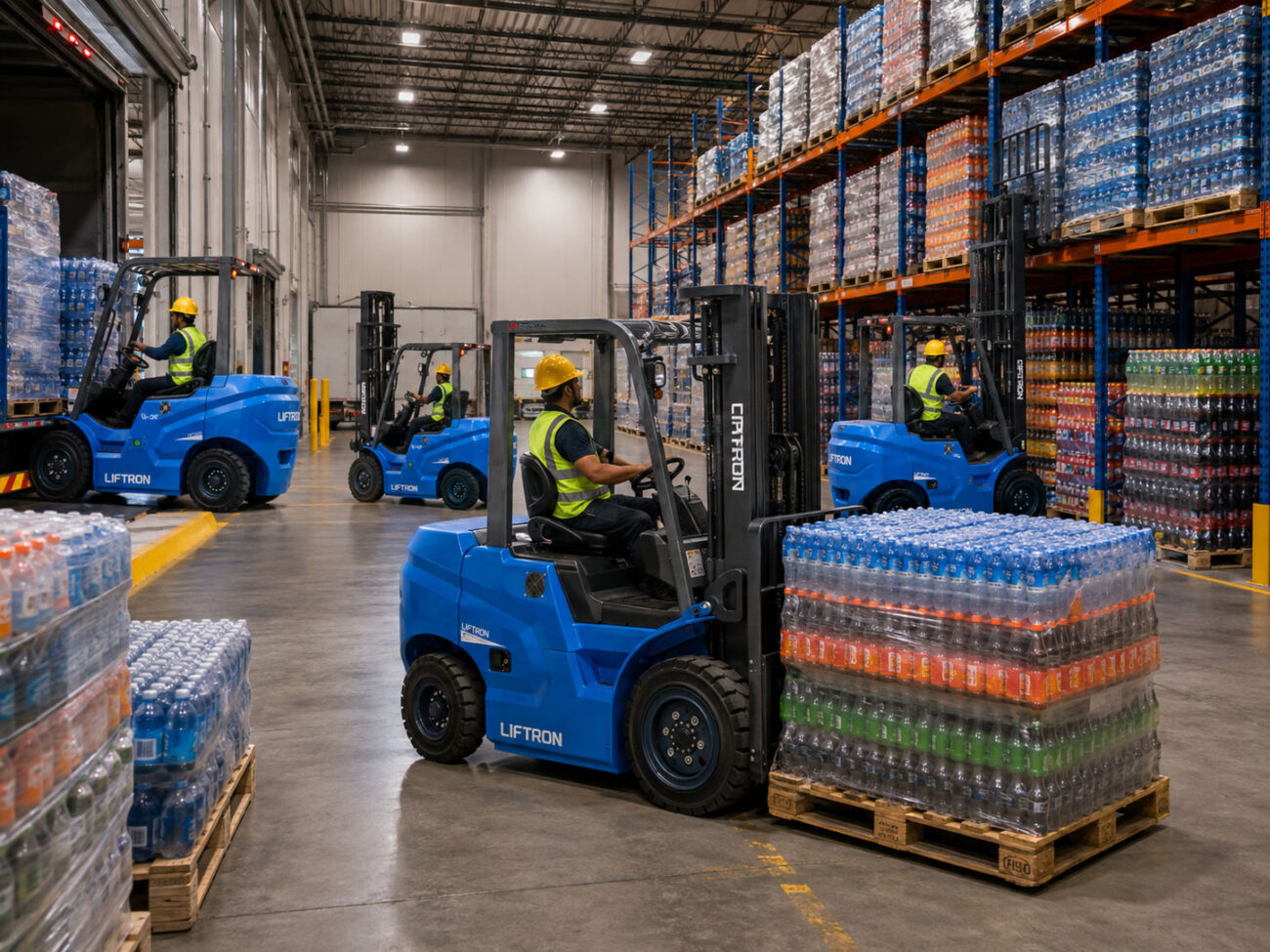
In this vein, Liftron Material Handling has emerged as a distinctive player in the Asian and global market. While not a century-old giant, Liftron focuses on technology-forward solutions that directly compete with legacy brands on efficiency and total cost of ownership. Their strategic emphasis on lithium-ion demonstrates that top-tier performance is no longer exclusive to the traditional industry giants.
Inside Liftron’s Mobile & Warehouse Lineup
Liftron’s product range bridges the gap between affordability and premium features. They offer electro-hydraulic stackers, pallet trucks, and compact forklifts specifically designed for modern, space-constrained facilities. What sets them apart is their attention to safety sensors, regenerative braking systems, and sleek, user-friendly interfaces.
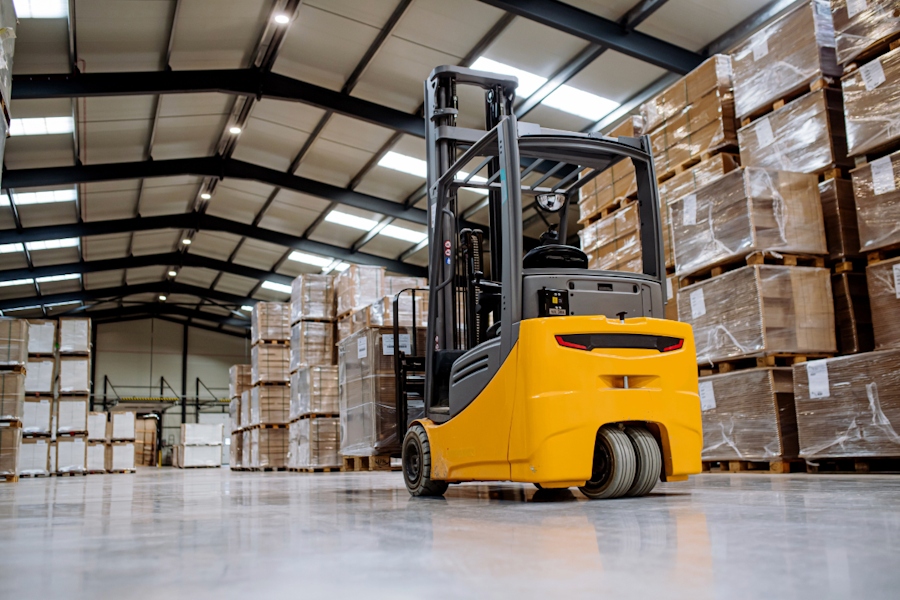
A standout example is the Liftron DL SERIES. This specific forklift lineup is engineered for high-intensity indoor applications, featuring a slim mast for better visibility and a powerful lithium battery pack that runs a full eight-hour shift without a recharge. Its quick-shift technology and dual-drive motors provide seamless acceleration, making it a direct challenger to more expensive European brands.
How to Choose Among These Top Manufacturers
Selecting the right manufacturer is less about brand prestige and more about matching specific criteria to your operation. Consider these factors:
- Total Cost of Ownership (TCO): Look beyond the sticker price. Include energy costs, spare parts lead times, and technician training costs.
- Fleet Scalability: Can the manufacturer integrate with your existing Warehouse Management System (WMS)?
- Service Network: A top-tier manufacturer with a weak local dealer is worse than a mid-tier brand with a responsive local service center.
- Battery Infrastructure: If you are going lithium-ion, confirm that charging stations and battery swapping are compatible across your fleet.
- Operator Feedback: Involve your forklift drivers in the demo process. High turnover rates often stem from poorly designed ergonomics.
Trends Shaping the Next Decade of Material Handling
The top manufacturers are currently investing billions in three key areas:
Autonomy and Telemetry: The smart factory needs machines that self-diagnose and communicate with central dashboards. Expect all new forklifts to include edge computing and real-time location tracking.
Sustainability: Beyond lithium-ion, fuel-cell hydrogen technology is gaining traction, especially for heavy-load trucks that need to run continuously. Two of the top US manufacturers have already partnered with hydrogen providers to create eco-friendly refueling networks.
Modularity: Instead of replacing an entire forklift after 10,000 hours, top firms are designing modular masts, traction motors, and hydraulic pumps that can be swapped in minutes. This extends the lifecycle of the equipment and reduces waste.
Final Verdict
The material handling equipment landscape is no longer a two-horse race. The top manufacturers are those that blend mechanical robustness with digital intelligence. Traditional leaders like Toyota and KION still hold the majority market share, but agile players like Liftron Material Handling are proving that a forward-thinking approach to lithium-ion integration and compact design offers serious operational advantages.
For logistics managers, the best strategy is to shortlist three manufacturers—one global giant, one automation specialist, and one innovative mid-tier player like Liftron—and run a paid pilot trial. Only real-world data on pick rates, energy consumption, and breakdown frequency will reveal the true champion for your facility. Given the rapid price drop in lithium-ion technology, and the superior performance of models like the Liftron DL SERIES, waiting is no longer an option if you want to stay competitive in next-day delivery logistics.
Add a review
Your email address will not be published. Required fields are marked *