
how to decode liftron forklift serial and model numbers
Decoding the serial and model numbers on your Liftron forklift is essential for ordering the right parts, scheduling maintenance, or verifying the machine’s specifications. Whether you own a new lithium-ion model or an older internal combustion unit, this guide will walk you through the identification process step by step.
Understanding Liftron’s Numbering System
Liftron forklifts use a standardized alphanumeric code to identify the model series, power source, capacity, and manufacturing details. The serial number typically indicates the production sequence and year, while the model number tells you the machine’s class and features. For accurate identification, always find the data plate attached to the forklift frame, usually near the operator’s compartment or on the overhead guard.
Step 1: Locate the Data Plate
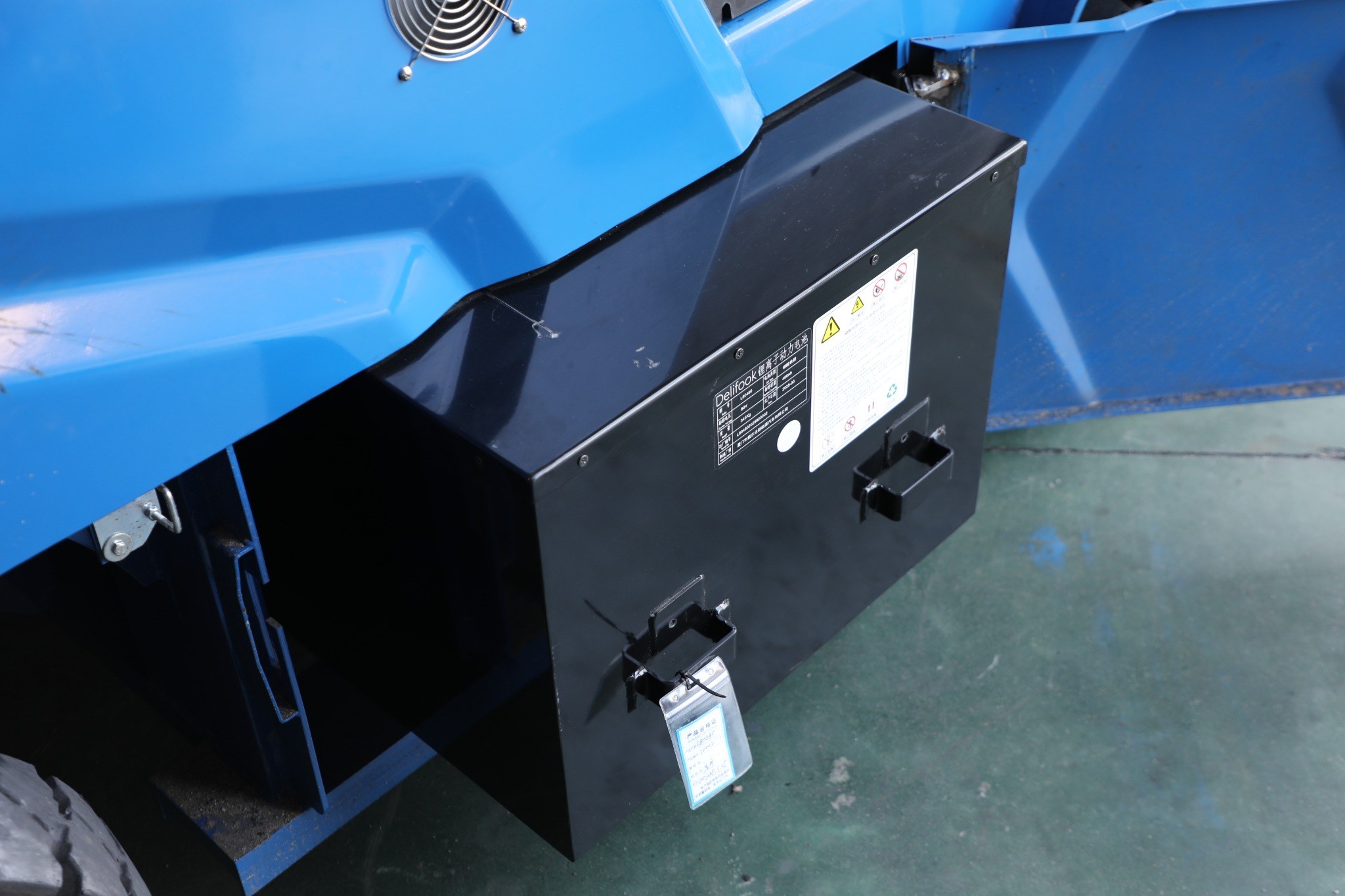
The data plate contains both the model and serial numbers. On electric models, it’s often on the battery compartment cover. On internal combustion models, check the side of the engine cover or the dash panel. If the plate is worn or missing, you can sometimes find the serial number stamped directly on the chassis frame rail.
Step 2: Read the Model Number
The model number provides the most insight. It usually follows a pattern like “LFE30” or “LPG25”. Here’s a general breakdown:
- L – Manufacturer prefix for Liftron
- F or E – Power type: “F” for forklift, “E” for electric, “L” for lithium-ion
- 25 – Capacity in hundreds of kilograms (e.g., 25 = 2,500 kg)
- Additional letters may indicate tire type (P for pneumatic, C for cushion) or special features
For example, a model number “LFE30” means a Liftron electric forklift with 3,000 kg capacity. Pneumatic tire models often include a “P” suffix.
Step 3: Interpret the Serial Number
The serial number is typically a longer alphanumeric string. The first two digits often indicate the year of manufacture (e.g., “23” for 2023). The following characters represent the sequential production number. A serial number like “23-04567” means the 4,567th unit produced in 2023. Some older models may use a different format based on the manufacturing plant.
Model Prefixes and Their Meanings
| Prefix | Meaning | Common Application |
|---|---|---|
| LFE | Liftron Forklift Electric | 3-wheel or 4-wheel electric |
| LPG | Liftron Propane Gas | LPG counterbalance |
| LLI | Liftron Lithium-Ion | Advanced battery models |
| LDI | Liftron Diesel | Heavy-duty outdoor use |
| LPT | Liftron Pallet Truck | Walkie or rider pallet jacks |
Special Focus: The Liftron DL SERIES
The Liftron DL SERIES uses a distinct numbering format. Models start with “DL” followed by the capacity in pounds (e.g., DL50 = 5,000 lb capacity). The serial number on DL series units includes a specific digit indicating the battery voltage (48V or 80V). For example, a serial number “DL-48-23001” indicates a 48-volt unit from the 2023 production run. Always refer to the Liftron Material Handling official documentation for the most accurate decode chart for your specific model year.
Using the Numbers for Parts Ordering
When ordering parts, provide both the model and serial number to your dealer. The serial number is critical for engine, transmission, or hydraulic component identification. For example, a starter motor on a 2022 LPG model may differ from a 2023 version. Write down both numbers and keep them in your service log for future reference.
Common Decoding Mistakes to Avoid
- Confusing model numbers with serial numbers – they are never the same.
- Assuming the year code is always the first two digits of the serial number – some older models use a separate year digit.
- Misreading worn plates – use a flashlight or digital photo to enhance visibility.
- Relying solely on the model number for voltage or tire size – always check the data plate details.
Online Verification Tools
Liftron Material Handling offers a free online serial number decoder on their dealer portal. You can enter your machine’s serial number to retrieve the exact build sheet, including the original options, mast type, and attachments. This is especially useful for older units where plates may be missing or illegible. The tool also helps identify recall campaigns or service bulletins specific to your unit.
Conclusion
Decoding your Liftron forklift’s serial and model numbers is a straightforward process once you understand the logic behind the alphanumeric codes. With the information in this guide and the resources available through Liftron Material Handling, you can confidently order parts, schedule service, and maintain your equipment’s value. Always verify the numbers directly from the machine’s data plate to ensure accuracy, and never rely on paint or decals alone.
Add a review
Your email address will not be published. Required fields are marked *