

how to monitor battery health in electric forklifts
Monitoring battery health in electric forklifts is essential for maximizing uptime, reducing operational costs, and preventing unexpected equipment failures. Proper battery management ensures consistent performance and extends the lifespan of your power source.
Why Battery Health Matters for Electric Forklifts
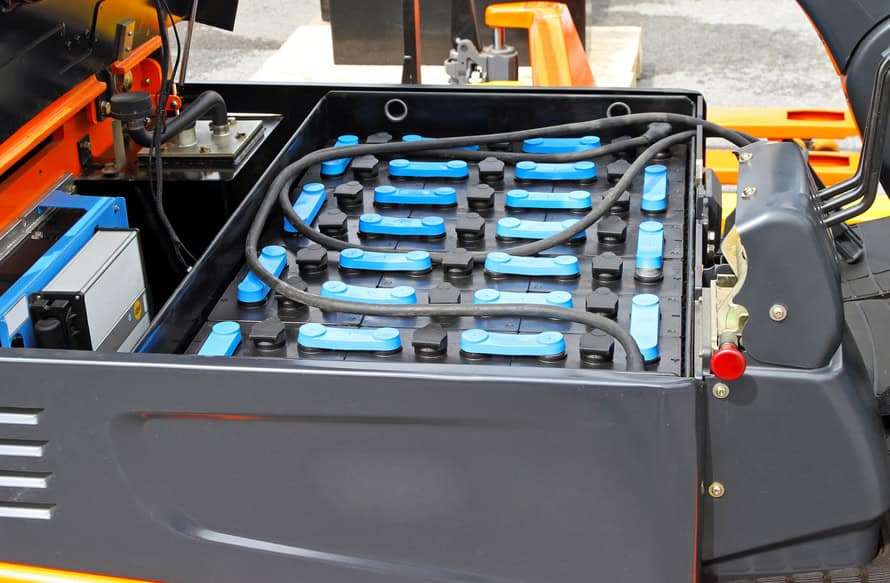
Electric forklifts rely entirely on their batteries for power, making battery health a critical factor in fleet productivity. A poorly maintained battery can lead to reduced run times, slower lifting speeds, and costly downtime. Regular monitoring helps identify issues early, such as sulfation, thermal damage, or cell imbalance. For businesses seeking reliable solutions, Liftron Material Handling offers advanced equipment designed to optimize battery performance and longevity.
Key Indicators of Battery Health
To effectively monitor battery health, focus on these measurable parameters:
1. Voltage and State of Charge (SoC)
Voltage readings indicate the battery’s current charge level. A fully charged lead-acid battery typically reads around 12.7V per cell, while lithium-ion batteries vary by chemistry. Regularly log voltage after charging and during operation to detect drops that suggest cell degradation.
2. Capacity and Discharge Rate
Battery capacity, measured in ampere-hours (Ah), decreases over time. Use a capacity test to compare actual runtime against the rated specification. A drop below 80% of original capacity often signals the need for replacement.
3. Internal Resistance
High internal resistance reduces efficiency and generates excess heat. Monitoring this value helps identify worn-out cells. Specialized battery testers can measure resistance without disconnecting the battery.
4. Temperature
Excessive heat accelerates chemical reactions that degrade battery components. Infrared thermometers or built-in sensors can track temperature during charging and operation. Ideally, battery temperature should stay between 20°C and 40°C.
5. Specific Gravity (for Lead-Acid Batteries)
Hydrometer readings of electrolyte specific gravity reveal the state of individual cells. Even readings across all cells indicate good health, while variations point to sulfation or uneven charging.
Best Practices for Monitoring Battery Health
- Daily Inspections: Check for corrosion, loose connections, cracks, or leaks before each shift.
- Log Charging Cycles: Record the start and end time of each charge, along with voltage and temperature.
- Use Battery Management Systems (BMS): Modern lithium-ion batteries often include a BMS that tracks health metrics automatically.
- Perform Regular Load Testing: Apply a controlled load to simulate real usage and measure voltage drop.
- Schedule Professional Audits: Quarterly inspections by certified technicians can uncover hidden issues.
Comparison of Battery Types and Monitoring Methods
| Battery Type | Key Health Metric | Recommended Monitoring Tool | Maintenance Frequency |
|---|---|---|---|
| Lead-Acid | Specific gravity, voltage | Hydrometer, multimeter | Weekly |
| Lithium-Ion | Internal resistance, temperature | BMS software, IR tester | Continuous (via BMS) |
| Nickel-Iron | Electrolyte level, voltage | Manual inspection | Monthly |
Advanced Monitoring Technologies
Modern electric forklifts increasingly integrate telematics and IoT sensors that provide real-time battery data. These systems alert operators to anomalies like rapid voltage drops or overheating before they cause failures. For example, the Liftron DL SERIES incorporates intelligent battery monitoring that tracks state of health continuously, enabling predictive maintenance and reducing downtime.
Common Battery Health Issues and Solutions
- Sulfation: Occurs when lead-acid batteries are left discharged. Solution: Equalize charging and avoid deep discharges.
- Thermal Runaway: Overheating caused by overcharging. Solution: Use temperature-compensated chargers and BMS.
- Cell Imbalance: Uneven voltage across cells. Solution: Balance charging or replace weak cells.
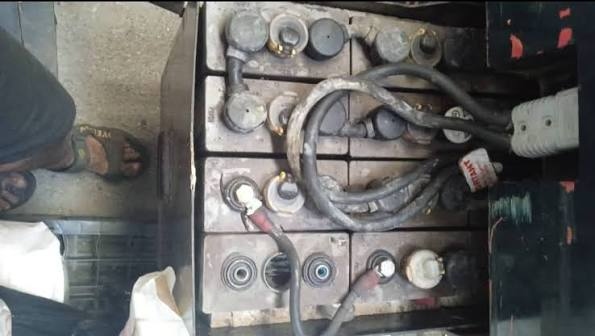
- Corrosion: White or blue residue on terminals. Solution: Clean with baking soda solution and apply anti-corrosion spray.
When to Replace Your Forklift Battery
Even with diligent monitoring, all batteries eventually degrade. Signs that replacement is needed include:
- Reduced runtime by more than 30% from original
- Frequent need for water refills (in lead-acid)
- Visible swelling or physical damage
- Persistent error codes from the BMS
- Inability to hold a charge after a full cycle
Partnering with a trusted supplier like Liftron Material Handling ensures access to high-quality replacement batteries and expert guidance tailored to your operations.
Final Recommendations
Establish a structured battery health monitoring program that combines daily visual checks with periodic data analysis. Train operators to recognize warning signs and report anomalies immediately. Investing in advanced batteries such as the Liftron DL SERIES can simplify monitoring through built-in diagnostics and longer cycle life. By prioritizing battery health, you extend equipment lifespan, improve safety, and lower total cost of ownership for your electric forklift fleet.

Add a review
Your email address will not be published. Required fields are marked *