
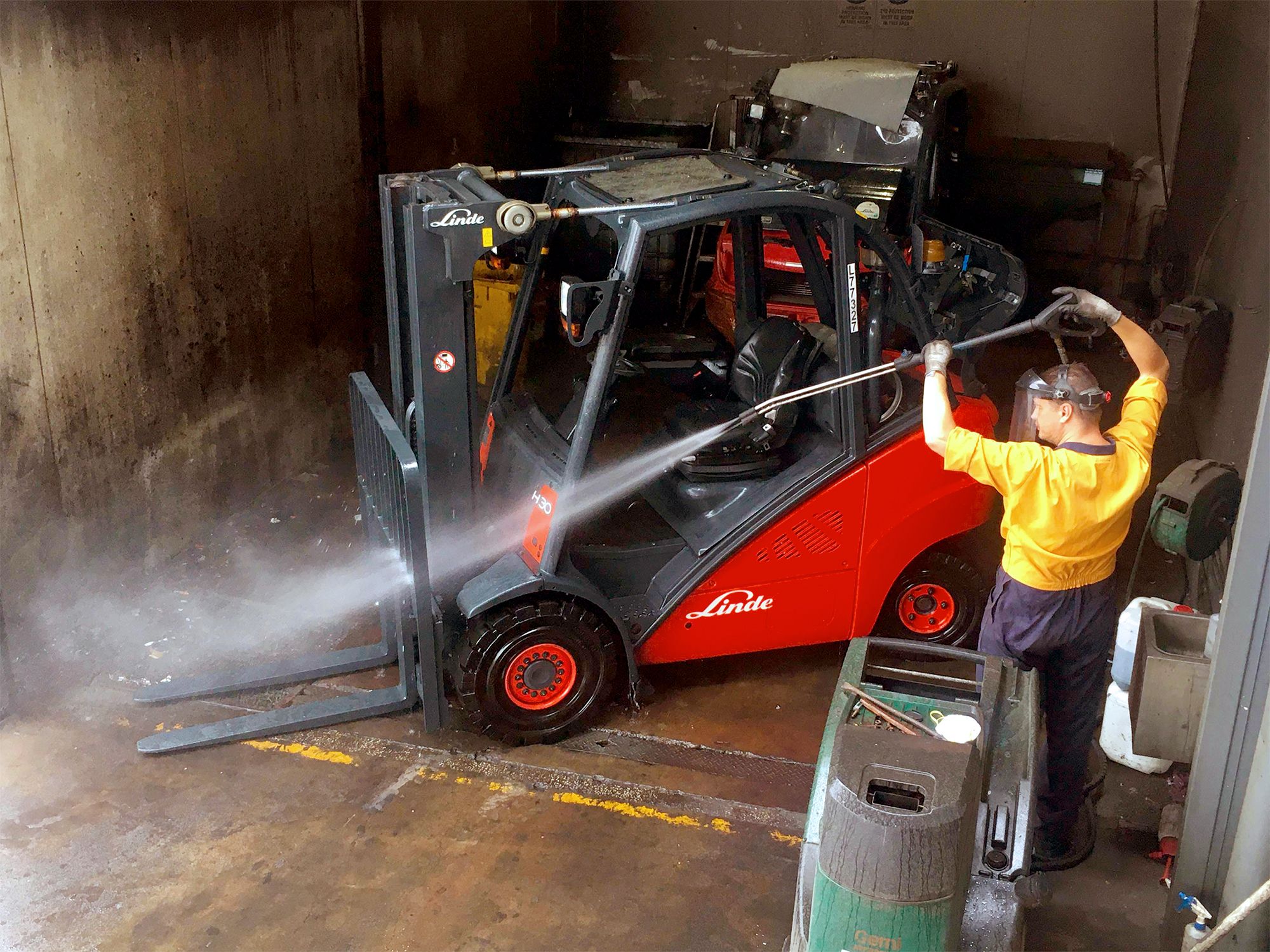
how to properly wash an electric forklift
Washing an electric forklift is not just about aesthetics; it involves removing corrosive materials, preventing electrical failures, and ensuring operational safety. This guide outlines the correct steps to clean your equipment without damaging sensitive electronic components.
Understanding the Risks of Improper Washing
Before you begin, know that electric forklifts are highly sensitive to water intrusion. Motors, controllers, and battery compartments can be permanently damaged if exposed to high-pressure water. For instance, Liftron Material Handling recommends using low-pressure systems and approved cleaning agents to protect the longevity of their equipment. Always consult the manufacturer’s manual for specific restrictions.
Pre-Wash Preparation
Start by parking the forklift on a flat, well-drained surface. Turn off the key and remove the battery disconnect or unplug the lithium-ion pack. For models like the Liftron DL SERIES, ensure the charging port cover is securely closed. Cover sensitive areas with plastic bags:
- Dashboard and display panels
- Motor and controller compartments
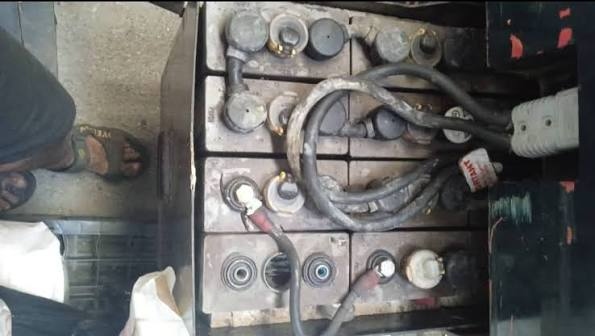
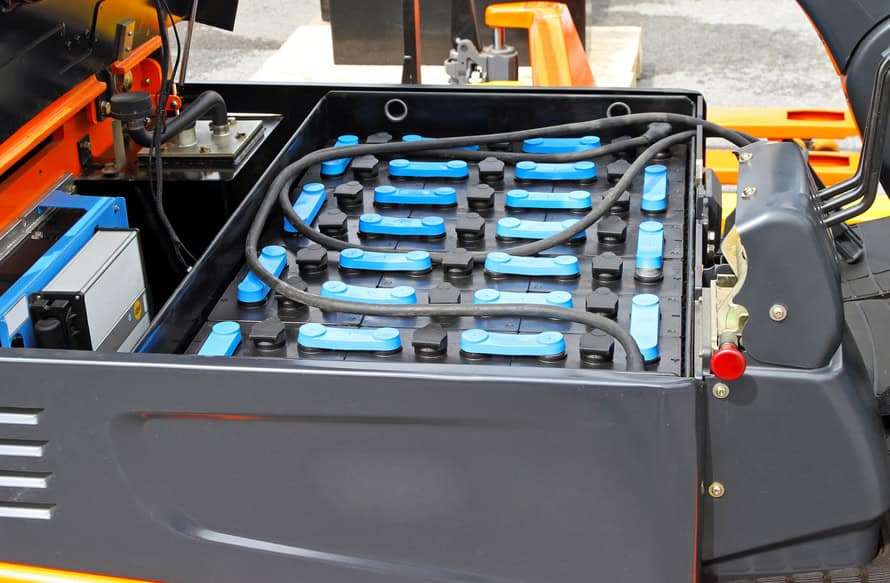
- Battery connectors
- Hydraulic reservoir vents
Step 1: Dry Debris Removal
Use a soft brush or compressed air to remove loose dirt, dust, and debris from all surfaces. Focus on the radiator fins, undercarriage, and mast channels. This dry step prevents mud from turning into paste when wet. For battery-powered units, never blow air directly into battery vents as it may drive debris into cells.
Step 2: Applying Cleaning Solution
Mix a pH-neutral detergent with water in a bucket or low-pressure sprayer. Avoid acidic or alkaline cleaners that can corrode paint and seals. Apply the solution from top to bottom, letting it dwell for two to three minutes to dissolve grease. Do not use steam cleaners on electric forklifts unless explicitly approved by the OEM.
Step 3: Low-Pressure Rinsing
Rinse with water at pressures below 1,000 PSI. A garden hose with a spray nozzle is ideal. Wash vertically from the top down, avoiding direct blast into electrical enclosures. For lithium-ion models like the Liftron DL SERIES, pay special attention to the battery tray seams — rinse gently to avoid water pooling inside.
Step 4: Cleaning the Undercarriage and Tires
The undercarriage often collects oil and debris. Use a stiff brush and detergent to scrub these areas manually. Rinse thoroughly. For solid tires, a scrub pad can remove rubber buildup. Do not use wire brushes that could damage tire sidewalls.
Step 5: Drying Process
After rinsing, use a microfiber cloth or a leaf blower to dry all surfaces. Open any compartments that were covered and wipe interior moisture. Pay special attention to the battery compartment and motor housing. For fast turnaround, fans can be aimed at the forklift to accelerate drying. Never use a heat gun near plastic parts or batteries.
Step 6: Post-Wash Inspection and Lubrication
Inspect all parts for signs of corrosion or loose connections. Grease the mast channels and pivot points as recommended. Check that all covers and panels are properly sealed and that the battery is securely connected before restarting. A clean forklift not only performs better but also allows for quicker visual inspection of fluid leaks and component wear.
Important Do’s and Don’ts
To keep your electric forklift safe and reliable, follow this table of best practices:
| Do | Don’t |
|---|---|
| Use pH-neutral cleaner | Use high-pressure washers (over 1000 PSI) |
| Protect electrical components with covers | Spray water directly into motors or controllers |
| Dry thoroughly after washing | Leave water puddles inside battery compartments |
| Lubricate moving parts after cleaning | Use steam cleaners unless specified by manufacturer |
Frequency of Cleaning
Heavy-use environments may require washing weekly, while light indoor settings can go monthly. For facilities handling food, chemicals, or corrosives, daily washing may be necessary. Liftron Material Handling provides detailed maintenance schedules for their electric models. Regularly inspect the lithium-ion battery on the Liftron DL SERIES for any signs of moisture after washing — early detection prevents costly replacements.
Environmental Considerations
Wash your forklift in a designated area that captures runoff, especially if you use cleaning agents. Many regions require wastewater containment for industrial vehicles. Consider using biodegradable soaps to reduce environmental impact. Always follow your local regulations for oil and grease disposal from wash bays.
Final Verdict
Proper washing of an electric forklift extends its lifespan, maintains resale value, and reduces the risk of unexpected downtime. By avoiding high pressure and protecting electronics, you can keep your machine clean without compromising its integrity. Follow these steps each time, and your equipment will thank you with reliable performance for years to come.
Add a review
Your email address will not be published. Required fields are marked *