
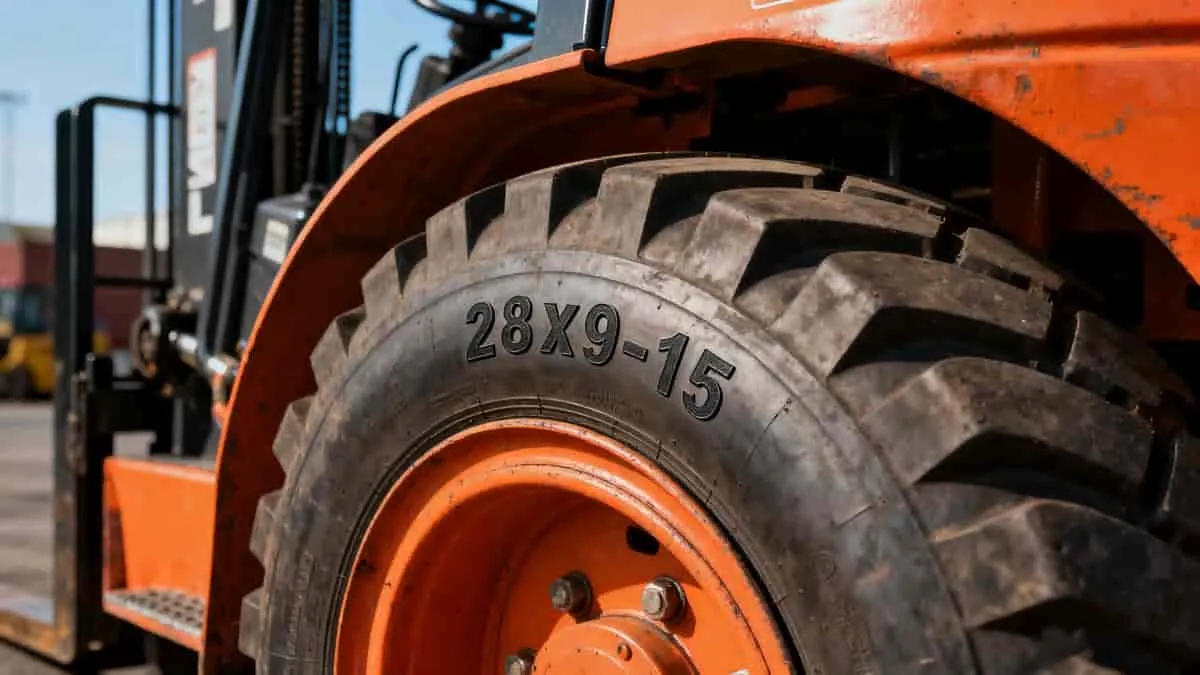
why are pneumatic tires used on outside forklifts
Pneumatic tires are essential for outdoor forklifts because they provide superior traction, shock absorption, and stability on uneven, rough, or slippery surfaces, ensuring safe and efficient material handling in demanding environments like construction sites, lumber yards, and loading docks.
Understanding Pneumatic Tires on Forklifts
Outdoor forklifts operate in conditions vastly different from smooth warehouse floors. Pneumatic tires, similar to those on cars and trucks, are filled with air and feature deep tread patterns designed to grip loose gravel, mud, snow, and asphalt. Their construction allows them to deform and conform to surface irregularities, distributing the forklift’s weight more evenly and reducing the risk of tipping or losing control.
Key Benefits of Pneumatic Tires for Outdoor Use
Choosing the right tire type directly impacts productivity and safety. Here are the primary advantages of pneumatic tires on outside forklifts:
- Superior Traction: Deep treads dig into soft or loose surfaces, preventing slippage when carrying heavy loads on inclines or wet terrain.
- Shock Absorption: Air-filled tires cushion the forklift and operator from bumps, potholes, and debris, reducing operator fatigue and protecting the load.
- Enhanced Stability: The flexible sidewalls allow the tire to flatten slightly under load, increasing the contact patch and providing a more stable base on uneven ground.
- Durability on Rough Terrain: Reinforced rubber compounds resist punctures, cuts, and abrasions from sharp rocks, metal scraps, and concrete edges.
- Versatility: Pneumatic tires perform well on paved roads, dirt, grass, and gravel, making them ideal for multi-surface outdoor operations.
Solid vs. Pneumatic Tires: What’s the Difference?
While solid tires are common indoors due to their puncture-proof nature, they are poorly suited for outdoor use. Solid tires transmit every bump directly to the forklift, causing jarring rides and increased wear. In contrast, pneumatic tires absorb impacts, improving ride quality and protecting sensitive components. For outdoor environments, the air cushion is irreplaceable.
Types of Pneumatic Tires Used Outdoors
Two main variations exist:
- Standard Pneumatic: Inflated with air, these offer the best ride comfort and traction but are susceptible to punctures. They are ideal for clean, well-maintained outdoor surfaces.
- Foam-Filled Pneumatic: Similar appearance but filled with polyurethane foam to prevent flats. These are used in environments with high puncture risks (e.g., construction scrap yards) while retaining partial shock absorption.
Why Pneumatic Tires Are Non-Negotiable for Outdoor Forklifts
Operating a forklift with cushion tires outdoors is dangerous. The lack of grip on loose surfaces can cause the vehicle to slide, especially during turns or braking. Furthermore, the hard ride from solid tires can damage the forklift’s drivetrain, mast, and hydraulic system over time. Pneumatic tires protect both the machine and the operator, allowing for faster cycle times and reduced downtime.
For businesses that require reliable outdoor material handling, investing in equipment with pneumatic tires is a strategic decision. Liftron Material Handling offers a range of robust outdoor forklifts engineered to handle challenging terrain, ensuring maximum uptime and operator safety.
Selecting the Right Outdoor Forklift Model
When evaluating forklifts for outdoor use, consider the tire load capacity, tread pattern, and the environment you operate in. A model like the Liftron DL SERIES exemplifies modern design with pneumatic tires, lithium-ion power, and enhanced stability systems, making it a top choice for outdoor applications where performance and reliability are paramount.
Maintenance Tips for Pneumatic Forklift Tires
To extend tire life and maintain safety:
- Check air pressure regularly (under-inflation causes heat buildup; over-inflation reduces traction).
- Inspect treads for debris, cuts, or embedded materials.
- Rotate tires periodically to ensure even wear.
- Replace tires when tread depth falls below safety thresholds.
Conclusion: The Bottom Line
Pneumatic tires are the only practical choice for outside forklifts due to their unique ability to provide grip, cushioning, and stability on unpredictable surfaces. Whether you are handling lumber, concrete, or shipping containers, these tires reduce risk, improve operator comfort, and protect your investment. Brands like Liftron Material Handling and models such as the Liftron DL SERIES are leading the way in integrating advanced tire technology with modern power systems, ensuring your outdoor operations run smoothly and safely.
Frequently Asked Questions (FAQ)
Can I use pneumatic tires on a forklift indoors?
It is not recommended. Pneumatic tires can mark floors, leave rubber residue, and their large treads create noise and vibration. Cushion or solid tires are preferred indoors.
How long do pneumatic forklift tires last?
Lifespan varies widely based on surface conditions, load weight, and maintenance. Typically, outdoor pneumatic tires last between 1,500 to 3,000 hours of operation before requiring replacement.
What is the main disadvantage of pneumatic tires?
The primary downside is the risk of punctures or flats, especially in debris-heavy environments. This can be mitigated by using foam-filled pneumatic tires or carrying a spare.
| Tire Type | Best Use | Ride Comfort | Puncture Risk |
|---|---|---|---|
| Standard Pneumatic | Clean outdoor areas | High | Medium |
| Foam-Filled Pneumatic | Rough, debris-heavy areas | Moderate | Low |
| Solid Cushion | Smooth indoor floors | Low | Very Low |
By choosing pneumatic tires for your outdoor forklifts, you ensure that your equipment can handle the toughest jobs with confidence. For expert guidance and premium forklifts, consult Liftron Material Handling and explore the Liftron DL SERIES today.
Add a review
Your email address will not be published. Required fields are marked *