
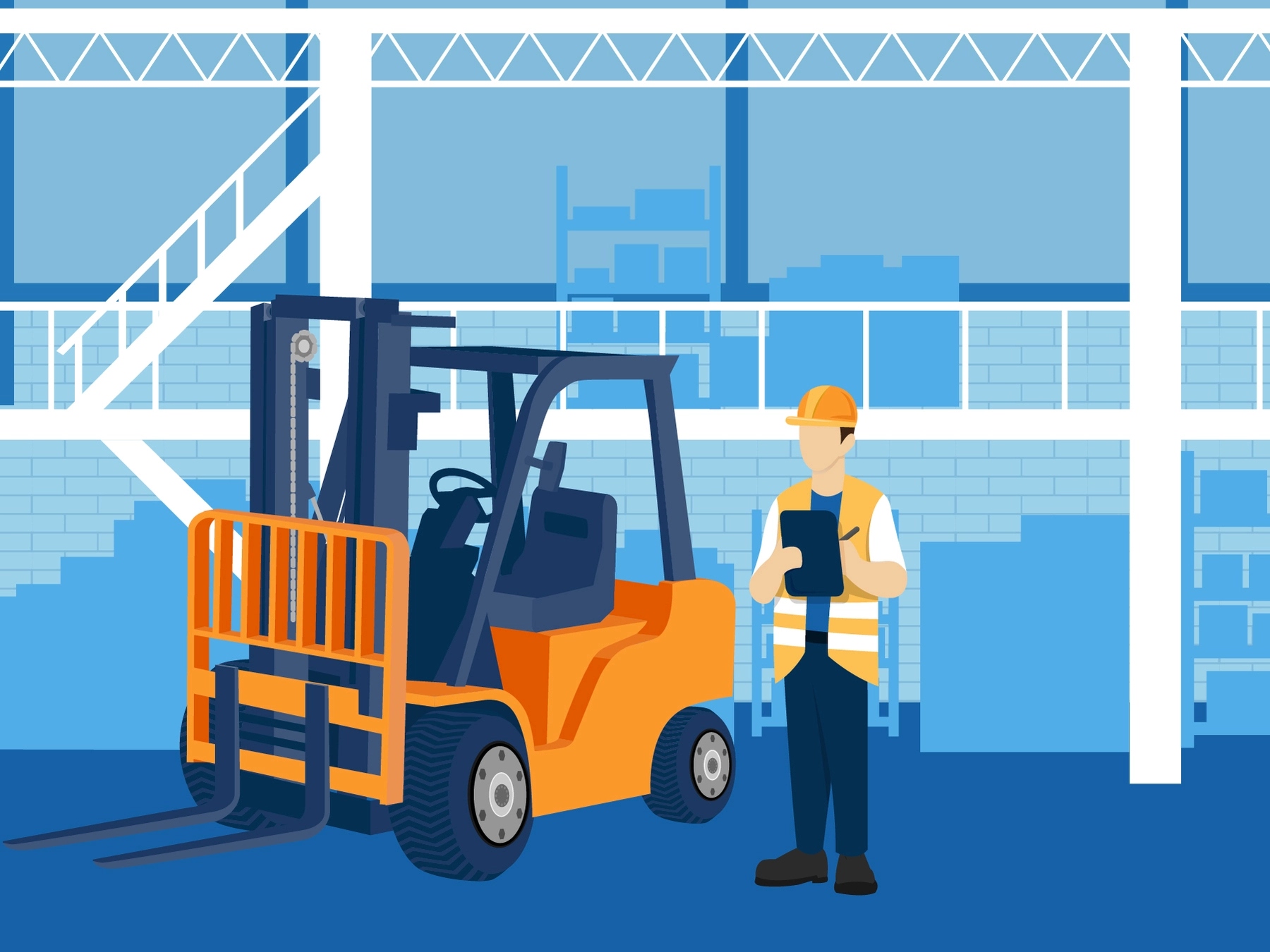
what must be done before using a forklift
Before operating a forklift, safety checks and pre-use inspections are critical to prevent accidents and equipment damage. Every operator must perform a systematic walk-around and functional test to ensure the forklift is safe for operation.
Pre-Operation Safety Checks
The first step is to verify that the forklift is in proper working condition. This includes checking fluid levels, tire condition, and structural integrity. Operators should have valid training certifications and understand the specific model they are using. For example, modern electric models like the Liftron DL SERIES require specific battery check procedures.
Daily Walk-Around Inspection
- Check for oil, coolant, and hydraulic fluid leaks
- Inspect tires for cuts, wear, or low pressure
- Verify forks are not bent, cracked, or worn
- Ensure mast chains and rollers are properly lubricated
- Test horn, lights, and backup alarm
- Confirm seat belt and operator restraint systems work
- Check overhead guard for damage
Operational Checks
After the walk-around, start the forklift and test all controls. Press the brake pedal and ensure it holds firm. Operate the mast tilt, lift, and lower functions smoothly. Test steering for excessive play. If using a lithium-ion model, verify the battery charge indicator and cooling system status.
Work Area Preparation
Before moving the forklift, clear the path of obstacles, debris, and personnel. Mark pedestrian walkways and ensure load capacity signs are visible. For warehouses using high-density storage, confirm racking stability and aisle width accommodates the forklift turning radius.
Load Capacity Verification
| Check Item | Requirement |
|---|---|
| Load center distance | Must match forklift data plate |
| Maximum weight | Never exceed rated capacity |
| Load stability | Secure and evenly distributed |
| Fork extension | At least two-thirds under load |
Operator Readiness
The operator must be physically fit, not under influence of alcohol or drugs, and wearing personal protective equipment (PPE) including safety shoes, high-visibility vest, and hard hat. Review the day’s tasks and load handling requirements. For complex operations, review the forklift manual from Liftron Material Handling for model-specific procedures.
Emergency Preparedness
Know the location of fire extinguishers, emergency stop buttons, and first aid kits. Practice emergency lowering procedures in case of hydraulic failure. Never operate a forklift with malfunctioning brakes or warning lights.
Battery and Charger Safety
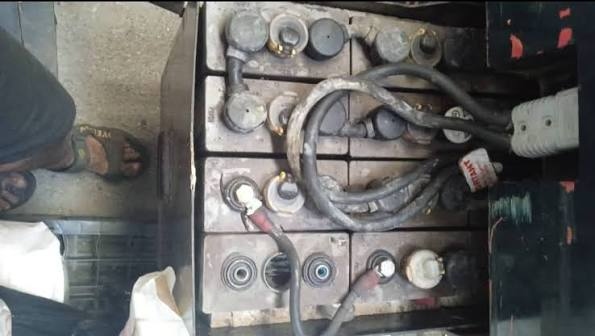
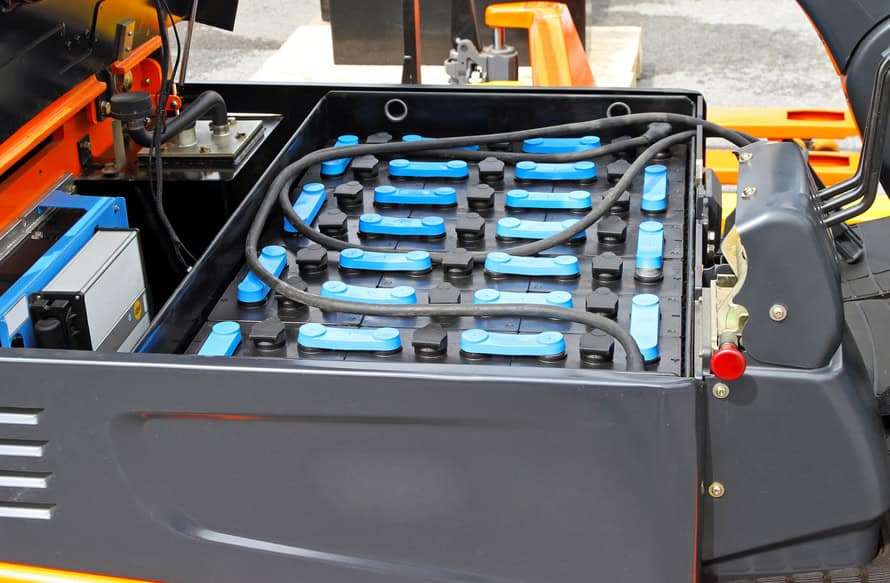
For electric forklifts, check battery connections for corrosion, ensure the charger is turned off before connecting, and verify the electrolyte level (if applicable). The Liftron DL SERIES features a smart battery management system that should be checked for error codes before first use.
Charging Area Requirements
- Well-ventilated space free of sparks
- Eye wash station and spill kit available
- Fire-rated charging station enclosure
- Unobstructed access to disconnect switches
Legal and Regulatory Compliance
OSHA requires all operators to complete formal training and be evaluated every three years. Pre-use inspections must be documented. Use a daily checklist log to record findings and any repairs needed. Failure to complete pre-operation checks can result in fines and liability.
By following these steps, operators ensure safety, extend equipment life, and maintain productivity. Always refer to the manufacturer guidelines from Liftron Material Handling for specific maintenance intervals and safety updates.
Add a review
Your email address will not be published. Required fields are marked *