
Will Any 33 lb Forklift Propane Tank Work Horizontally?
Will Any 33 lb Forklift Propane Tank Work Horizontally?
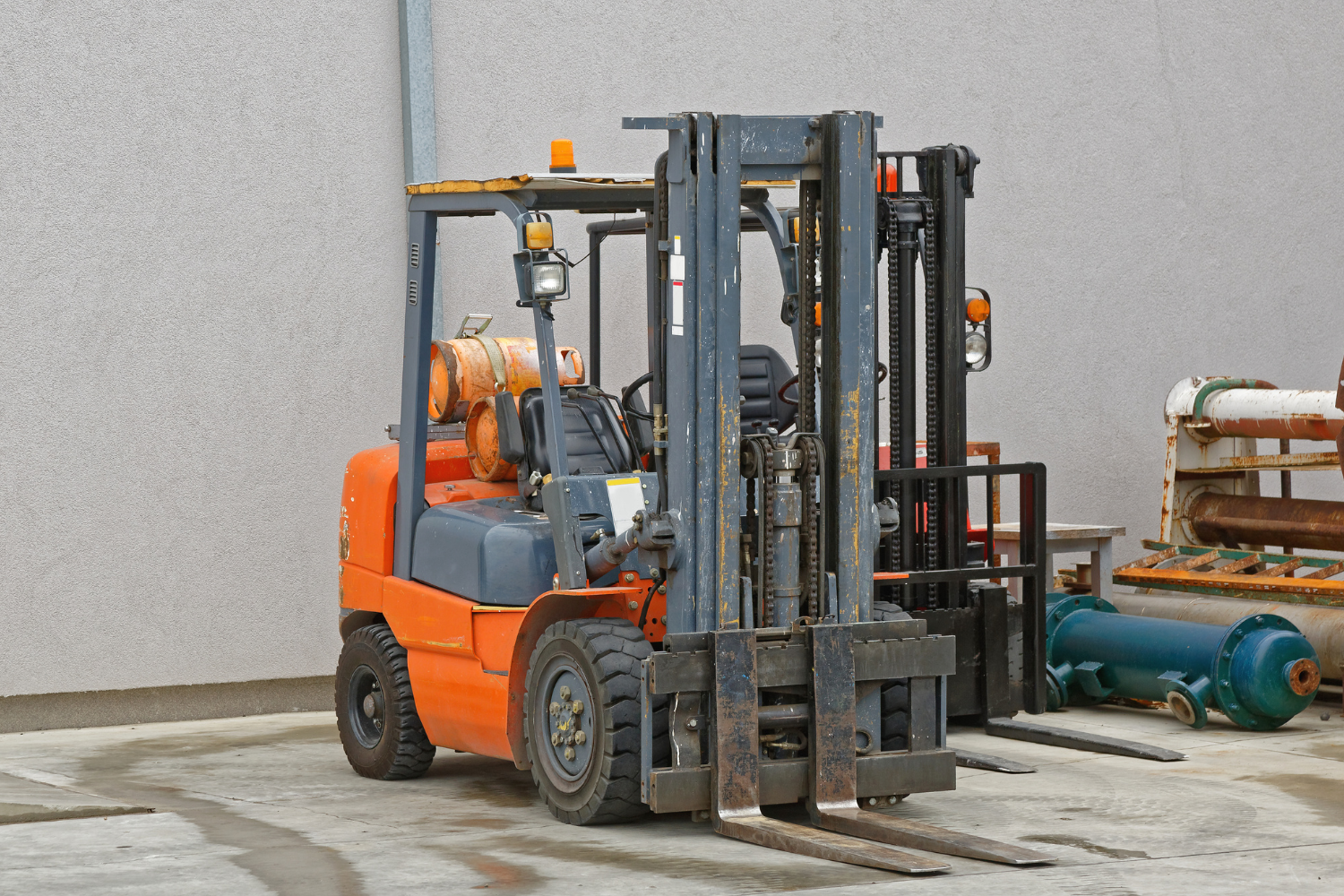
No, you should not assume that any 33 lb forklift propane tank will work horizontally. Many 33 lb cylinders used on propane forklifts are built for horizontal mounting, but that does not mean every cylinder can be installed in any position or on any truck.
A forklift propane cylinder is part of a liquid withdrawal fuel system. The tank must be mounted so the internal pickup tube draws liquid propane correctly, the pressure relief valve is positioned safely, the fuel gauge reads properly, and the hose connection does not twist, stretch, or leak.
This is why the locating pin on the forklift bracket matters. The pin is not just a convenience feature. It helps position the cylinder correctly so the internal tube and valve orientation are correct. If the tank is rotated incorrectly, the forklift may run poorly, stop before the cylinder is empty, or create a safety hazard.
Why Forklift Propane Tanks Are Usually Mounted Horizontally
Forklift propane tanks are commonly mounted horizontally because the forklift fuel system is designed to receive liquid propane, not vapor propane. Liquid propane flows from the cylinder to the fuel system, where it is converted into vapor before entering the engine.
Horizontal mounting also keeps the cylinder compact and secure behind the operator area. This position helps protect the tank, improves service access, and allows quick replacement during daily operations.
However, horizontal mounting only works when the cylinder is designed and positioned for that orientation. If the tank is turned incorrectly, the internal pickup tube may not reach the liquid propane properly.
Key Factors for Horizontal Use
| Factor | Why It Matters | What to Check |
|---|---|---|
| Orientation Rating | Determines whether the cylinder is approved for horizontal use | Read the cylinder label or markings |
| Liquid Withdrawal Valve | Forklifts normally use liquid propane withdrawal | Confirm the valve is for forklift fuel service |
| Locating Pin | Positions the tank correctly on the bracket | Make sure the collar hole locks onto the pin |
| Relief Valve Position | Relief valve must be oriented safely | Follow the tank and forklift instructions |
| Fuel Hose Alignment | Prevents twisting, stretching, and fitting stress | Check hose route after mounting |
| Fuel Gauge Position | Incorrect orientation may cause inaccurate readings | Check gauge visibility and reading |
Orientation: Horizontal Does Not Mean “Any Position”
A cylinder rated for horizontal use must still be installed in the correct rotational position. The tank cannot simply be laid sideways in any direction. The internal dip tube, relief valve, fuel gauge, and outlet valve are designed to work at a specific angle.
Most forklift tanks have collar holes or slots that align with the locating pin on the mounting bracket. This alignment helps ensure that the internal pickup tube reaches the liquid propane correctly and that the relief valve is not aimed in an unsafe direction.
If the tank is rotated incorrectly, the forklift may draw vapor instead of liquid, lose power, run rough, stall, or leave usable fuel inside the cylinder.
Universal Mounts: What They Really Mean
Some forklift propane cylinders are marketed as universal or multi-position cylinders. This can be confusing. A universal mount does not mean the cylinder can be randomly installed in any orientation.
In many cases, “universal” means the cylinder collar or mounting design can fit more than one bracket style, or that the cylinder can be used in approved positions when properly aligned. The correct orientation still depends on the cylinder design, valve type, and forklift mounting bracket.
The Locating Pin: Why It Matters
The locating pin is one of the most important parts of horizontal propane tank installation. It helps prevent the cylinder from being rotated into the wrong position. When the collar hole fits over the locating pin, the tank is positioned so the fuel pickup tube, relief valve, gauge, and hose connection are aligned correctly.
If the tank is mounted without engaging the locating pin, several problems can occur. The hose may be twisted or stretched. The fuel gauge may read incorrectly. The internal pickup tube may not reach the liquid propane properly. The relief valve may be pointed in an unsafe direction.
The tank may also move during operation if it is not properly secured. Forklifts operate over dock plates, ramps, uneven floors, and busy warehouse routes, so secure mounting is essential.
Step-by-Step Guide to Checking a 33 lb Forklift Propane Tank
- Confirm the cylinder is designed for forklift service.
- Check that the cylinder is rated for the intended mounting orientation.
- Inspect the valve type and confirm it is compatible with the forklift fuel system.
- Look for damage, dents, deep rust, worn threads, or missing labels.
- Make sure the service valve is closed before mounting.
- Place the cylinder on the bracket in the correct horizontal position.
- Align the collar hole with the locating pin.
- Secure the tank with the forklift’s tank strap or clamp.
- Connect the fuel hose without twisting or stretching it.
- Open the valve slowly and check for leaks before operation.
What Can Go Wrong If the Tank Is Mounted Incorrectly?
| Incorrect Installation Issue | Possible Result | Why It Happens |
|---|---|---|
| Tank rotated incorrectly | Poor engine performance or stalling | Pickup tube may not draw liquid propane properly |
| Locating pin not engaged | Tank may shift or sit at the wrong angle | Cylinder is not locked in the intended position |
| Wrong cylinder type | Fuel delivery failure | Tank may be designed for vapor withdrawal, not liquid withdrawal |
| Relief valve poorly positioned | Unsafe discharge direction | Tank orientation does not match design requirements |
| Hose twisted or stretched | Leak risk or fitting damage | Connection is forced into the wrong position |
| Damaged O-ring or fitting | Propane leak | Seal is worn, missing, or improperly seated |
Are Forklift Propane Tanks Different Than Regular Propane Tanks?
Yes. Forklift propane tanks are different from regular propane grill tanks. A regular barbecue-style propane tank usually supplies vapor propane to a grill, heater, or similar appliance. A forklift propane tank typically supplies liquid propane to the forklift fuel system.
This difference is very important. Using the wrong type of propane cylinder can cause poor performance, fuel system problems, or unsafe conditions. Forklift tanks also commonly include features such as a liquid withdrawal valve, locating pin collar, protective valve guard, fuel gauge, and mounting design for horizontal installation.
| Feature | Forklift Propane Tank | Regular Propane Grill Tank |
|---|---|---|
| Common Size | 33 lb | 20 lb |
| Fuel Withdrawal | Usually liquid withdrawal | Usually vapor withdrawal |
| Mounting Position | Often horizontal on forklift bracket | Normally upright |
| Locating Pin Collar | Common on forklift cylinders | Not normally used |
| Application | Industrial truck fuel system | Grills, heaters, and general outdoor appliances |
| Interchangeable? | No | No |
How to Tell If a Tank Is Safe to Use Horizontally
The safest method is to check the cylinder markings, manufacturer label, and forklift manual. Look for information showing the cylinder is approved for the intended use and orientation. If the label is missing, unreadable, or unclear, do not guess.
You should also inspect the tank condition. A propane cylinder with major dents, severe corrosion, damaged valves, missing protection, expired qualification, or leaking fittings should be removed from service and inspected by a qualified propane provider.
Best Practices for Forklift Propane Tank Handling
- Wear gloves and eye protection when changing cylinders.
- Shut off the service valve before disconnecting the hose.
- Do not smoke or use open flames near propane cylinders.
- Mount the tank with the locating pin properly engaged.
- Do not force the hose connection into place.
- Check the O-ring or seal before connecting the hose.
- Open the valve slowly after installation.
- Check for leaks using an approved leak detection method.
- Store spare cylinders in approved locations.
- Remove damaged or questionable cylinders from service.
Should You Use a Horizontal Tank Vertically?
Do not use a forklift propane tank in an orientation that is not approved by the cylinder manufacturer and forklift fuel system design. A cylinder built for horizontal liquid withdrawal may not operate correctly in a vertical position unless it is specifically designed and labeled for that use.
The same rule applies in reverse. A vertical vapor withdrawal cylinder should not be laid horizontally and used as a forklift tank. Orientation affects the internal fuel pickup, relief valve, fuel gauge, and safe operation.
Why This Matters for Forklift Performance
Improper tank orientation does not always create an immediate visible problem. Sometimes the forklift may start and run briefly, but then lose power, sputter, stall, or stop before the cylinder is empty. Operators may think the tank is empty when fuel is still inside.
In other cases, incorrect installation can stress the hose or fitting, increasing the risk of leakage. Propane is a flammable fuel, so installation accuracy matters for both productivity and safety.
Choosing the Right Equipment
If your operation uses propane forklifts, confirm that every replacement cylinder matches the truck’s mounting bracket and fuel system. If you are comparing new equipment and want to reduce propane handling, electric options from forklift suppliers may also be worth evaluating for indoor warehouse work.
Modern electric material handling equipment can reduce fuel cylinder handling, indoor emissions, and propane storage needs. However, propane forklifts remain common in many warehouses, loading docks, manufacturing sites, and outdoor operations.
Conclusion
Not every 33 lb forklift propane tank will work horizontally in every situation. Most 33 lb forklift cylinders are designed for horizontal use, but the specific tank must be rated for that orientation and installed correctly. The locating pin, liquid withdrawal valve, relief valve position, hose alignment, and cylinder condition all matter.
Forklift propane tanks are also different from regular propane grill tanks because they commonly use liquid withdrawal and special mounting features. Before installing any propane cylinder on a forklift, confirm the tank type, orientation rating, locating pin alignment, and manufacturer requirements.




Add a review
Your email address will not be published. Required fields are marked *