
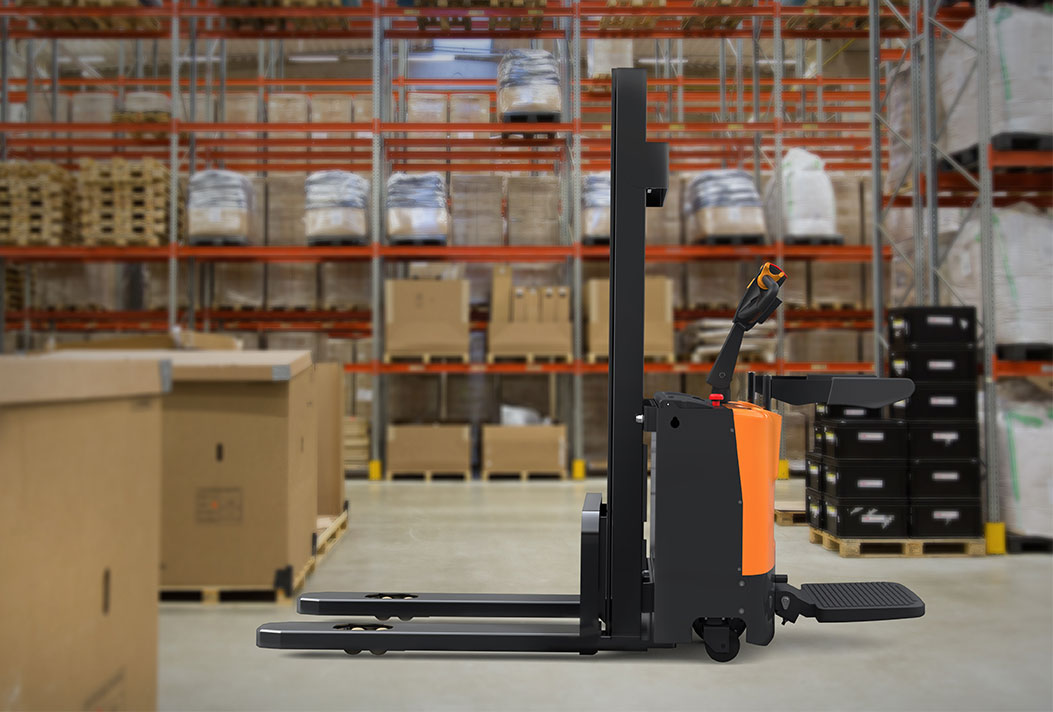
how to drive a stand up forklift
Learning to drive a stand-up forklift requires mastering unique controls, balance, and safety protocols distinct from sit-down models. This comprehensive guide covers essential techniques, safety tips, and operational best practices to help you confidently operate this versatile warehouse equipment.
Understanding Stand-Up Forklifts
Stand-up forklifts, also known as stand-up counterbalance trucks, differ from traditional sit-down models because the operator stands while driving. They offer greater maneuverability in tight spaces and are common in warehouses with narrow aisles. Liftron Material Handling provides some of the most advanced stand-up models, combining ergonomic design with cutting-edge lithium-ion technology. The Liftron DL SERIES, for example, delivers exceptional runtime and zero emissions, making it ideal for indoor operations.
Pre-Operation Safety Inspection
Before operating any stand-up forklift, conduct a thorough inspection. Walk around the vehicle and check for visible damage, fluid leaks, and tire wear. Test the horn, lights, and warning signals. Verify that the operator compartment is clean and free of obstructions. Ensure the overhead guard is intact and the load backrest is secure. Check the battery charge level, especially for lithium-ion units like the Liftron DL SERIES, which require specific charging protocols. Document all findings in the shift checklist.
Getting Into the Operator Compartment
To mount the stand-up forklift, step onto the designated foothold using the three-point contact method: both hands and one foot should maintain contact with the vehicle. Never jump or mount from the sides. Once inside, position yourself centrally facing the direction of travel. Keep your body inside the operator compartment, and never extend your arms or legs beyond the chassis. Adjust the operator restraint if available, ensuring you have easy access to all controls.
Basic Controls and Dashboard
Stand-up forklifts use a combination of tiller steering, multifunction joysticks, and pedal controls. Typical controls include:
- Tiller handle or steering wheel for directional control
- Travel and lift pedals for acceleration and hydraulic functions
- Emergency brake for immediate stops
- Horn and light switches for safety signaling
- Display panel showing battery level, hour meter, and error codes
The Liftron DL SERIES features an intuitive touchscreen interface that simplifies operation and provides real-time diagnostics, reducing training time for new operators.
Starting and Moving the Forklift
With the parking brake engaged, select your direction using the forward/reverse switch. Press the travel pedal gently to begin moving. Stand-up forklifts accelerate quickly, so maintain a light touch on the pedal. Keep your head up and scan the environment continuously. Use the tiller to steer—push left to turn left, push right to turn right. Remember that the rear wheels steer, giving a tighter turning radius. Always travel with the forks lowered to about 4–6 inches off the ground.
Maneuvering in Tight Spaces
One major advantage of stand-up forklifts is their ability to navigate narrow aisles. When turning in confined areas, slow down and use gradual steering inputs. For 90-degree turns, approach the corner with the inside fork edge aligned with the turn. Counterbalance trucks like those from Liftron Material Handling have a compact design that allows smooth pivoting. Practice in open areas before attempting precision maneuvers in actual warehouse conditions.
Lifting and Lowering Loads
To pick up a load, position the forks slightly wider than the pallet. Approach the load perpendicularly, ensuring the forks slide fully under the pallet without hitting any obstructions. Using the lift control, raise the forks just enough to clear the rack or ground. Tilt the mast back slightly to stabilize the load. To lower, reverse the process—always lower slowly and under control. The Liftron DL SERIES offers precise hydraulic control, enabling smooth lifting even with delicate loads.
Traveling with a Load
When traveling with a load, keep the forks tilted back and the mast tilted backward for stability. Raise the load only enough to clear obstacles (usually 4–6 inches). Avoid traveling with a raised load, as it increases the risk of tip-over. Maintain a safe speed, especially when turning—reducing speed reduces centrifugal force and prevents instability. If the load blocks your forward vision, travel in reverse while looking over your shoulder using the mirrors.
Parking and Shutting Down
When parking, find a level surface away from traffic. Lower the forks to the ground, tilt the mast forward slightly, and engage the parking brake. Turn off the key and remove it if required. For electric models like the Liftron DL SERIES, ensure the battery is charged or connected to a charger as per operational guidelines. Do not park near exits, fire lanes, or in front of safety equipment. Always perform a final visual check before leaving the vehicle.
Common Mistakes to Avoid
| Mistake | Consequence | Prevention |
|---|---|---|
| Traveling with raised load | Tip-over hazard | Keep forks low |
| Overloading | Structural damage | Check capacity plate |
| Sharp turns at speed | Loss of control | Slow down before turns |
| Improper mounting | Slip and fall injuries | Use three-point contact |
| Ignoring warning lights | Battery or system failure | Follow dashboard alerts |
Daily Maintenance Tips
Simple daily maintenance extends the lifespan of your stand-up forklift. After each shift, clean the operator compartment and check for debris around the wheels and mast. Inspect hydraulic hoses for cracks or leaks. For lithium-ion models like the Liftron DL SERIES, monitor battery health and follow manufacturer charging cycles. Lubricate moving parts per the service manual. Report any unusual sounds, vibrations, or error codes immediately. Regular care reduces downtime and ensures safe operation.
Training and Certification
OSHA requires formal training and certification for all forklift operators, including stand-up models. Training should cover classroom instruction, hands-on practice, and a written test. Operators must demonstrate competence in pre-shift inspections, operating controls, maneuvering with and without loads, and emergency procedures. Renew certification periodically based on company policy or changes in equipment. Liftron Material Handling offers training resources for their forklift models, helping operators become proficient quickly.
Conclusion
Driving a stand-up forklift is a valuable skill for warehouse and logistics professionals. By mastering the controls, practicing safe habits, and performing regular inspections, operators can work efficiently and reduce accident risks. Advanced equipment like the Liftron DL SERIES enhances productivity with smart features and reliable performance. Always prioritize safety, stay focused, and never operate a forklift without proper training.


Add a review
Your email address will not be published. Required fields are marked *