
What is ohsa standard for order picker forklift harness height
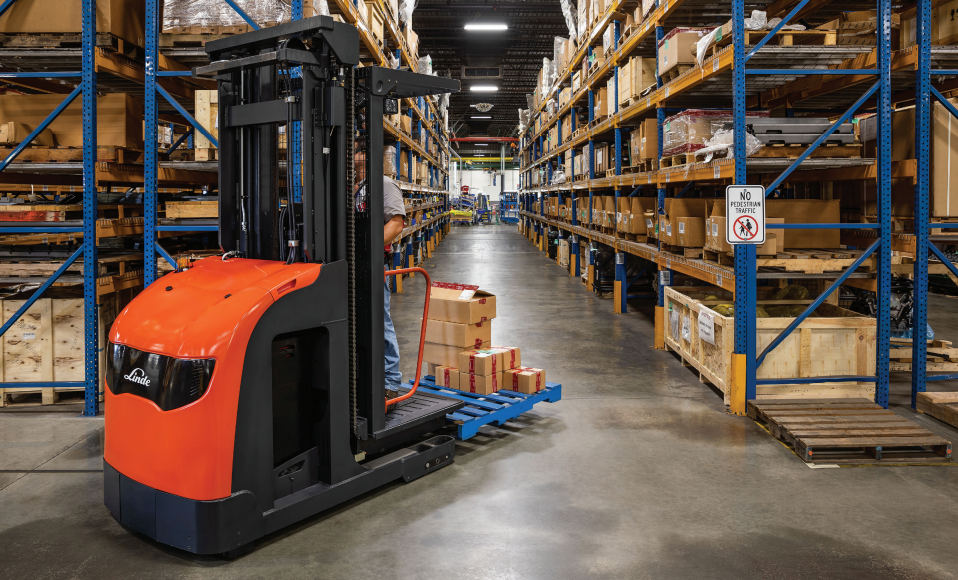
Understanding OHSA standards for order picker forklift harness height is critical for warehouse safety compliance, as these regulations directly impact worker protection and operational efficiency. This article explores the specific requirements, best practices, and how leading equipment like the Liftron DL SERIES can help meet these standards.
What Are OHSA Standards for Order Picker Forklift Harness Height?
The Occupational Safety and Health Administration (OHSA) does not specify an exact harness height in inches for order picker forklifts but instead focuses on fall protection systems that prevent operators from falling more than 4 feet. For order pickers with platforms elevated above this threshold, a full body harness with a lanyard attached to an anchorage point is mandatory. The harness must be worn correctly, and the lanyard should be adjusted to limit free fall to a maximum of 2 feet, ensuring the user is securely connected to the forklift’s designated anchorage point at all times when the platform is raised.
Key Requirements Under OHSA 1910.178(l)
OHSA standard 1910.178(l) governs powered industrial trucks, including order pickers. It mandates that employers provide training and ensure operators use fall protection when working from elevated platforms. The anchorage point must be capable of supporting a minimum of 5,000 pounds per person, and the harness must be inspected before each use. While harness height varies by manufacturer, the critical factor is that the lanyard connects to a point above the operator’s head to minimize fall distance and swing hazards.
How to Determine Correct Harness Height for Your Order Picker
Although OHSA does not prescribe a universal measurement, harness height guidelines are typically provided by forklift manufacturers. Most order pickers, including those from Liftron Material Handling, have anchorage points located on the overhead guard or mast. The harness should be adjusted so that the D-ring sits between the shoulder blades, and the lanyard is long enough to allow safe movement but short enough to prevent the operator from striking the floor or lower parts of the machine. Always consult your specific model’s manual, such as the Liftron DL SERIES, for exact specifications.
Common Misconceptions About Harness Height
- Myth: Any harness works for any forklift. Fact: Harnesses must be compatible with the anchorage point and lanyard length.
- Myth: Harness height is a fixed OHSA standard. Fact: OHSA sets performance-based criteria, not specific measurements.
- Myth: Once adjusted, the harness never needs readjustment. Fact: Regular inspection and adjustment are required for safety.
Regulatory Compliance and Best Practices
To ensure full compliance, employers must implement a comprehensive fall protection program. This includes training operators on proper harness use, conducting daily inspections, and maintaining records of all training. The anchorage point should be clearly marked, and lanyards should be replaced if they show wear. For order pickers used in distribution centers, the harness height should be set to allow the operator to reach items on shelves without creating slack that exceeds the 2-foot free fall limit.
Who Benefits from These Standards?
| Stakeholder | Benefit |
|---|---|
| Operators | Reduced risk of serious injury from falls |
| Employers | Fewer workplace accidents and legal penalties |
| Safety Managers | Clear guidelines for training and audits |
| Equipment Manufacturers | Compliance with industry standards |
Why Equipment Choice Matters for Harness Safety
Modern order pickers like those from Liftron Material Handling are designed with integrated fall protection systems. The Liftron DL SERIES features an optimized anchorage point placement that aligns with OHSA requirements, making it easier for operators to adjust their harnesses correctly. These models also include intuitive controls and ergonomic designs that support safe operation at various heights, reducing the likelihood of user error.
Steps to Ensure Harness Height Compliance
- Refer to the forklift manufacturer’s manual for recommended anchorage points and lanyard lengths.
- Train all operators on proper donning, doffing, and adjustment of the harness.
- Perform pre-shift inspections of harnesses, lanyards, and anchorage points.
- Document all training and inspections for OHSA audits.
- Update procedures when new equipment, like the Liftron DL SERIES, is introduced.
Frequently Asked Questions About Harness Height
Does OHSA require a specific harness height for order pickers? No, OHSA mandates fall protection for platforms over 4 feet high but does not specify exact heights. Instead, it requires that the system limit free fall to 2 feet.
How often should harnesses be inspected? Daily before use, plus periodic inspections by a qualified person every 6-12 months.
Can I use a retractable lanyard for order pickers? Yes, but it must be compatible with the anchorage point and meet OHSA 1910.140 requirements.
Future of Safety Standards in Material Handling
As technology advances, OHSA standards may evolve to include more specific harness height recommendations. Manufacturers like Liftron Material Handling are at the forefront, incorporating smart sensors and adjustable anchorage systems into their equipment. The Liftron DL SERIES already features a lithium-ion powertrain that reduces maintenance, freeing up time for safety checks. Staying informed about regulatory updates and investing in compliant equipment ensures both worker safety and operational productivity.

Add a review
Your email address will not be published. Required fields are marked *