What Kind of Acid Is in a Forklift Battery?
Forklift batteries (specifically lead-acid batteries) contain a solution of sulfuric acid mixed with water, which acts as the electrolyte.

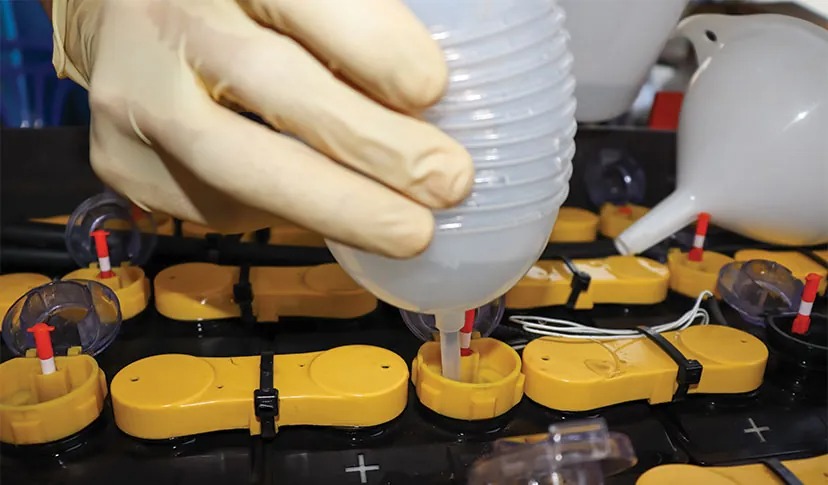
Forklift batteries (specifically lead-acid batteries) contain a solution of sulfuric acid mixed with water, which acts as the electrolyte.
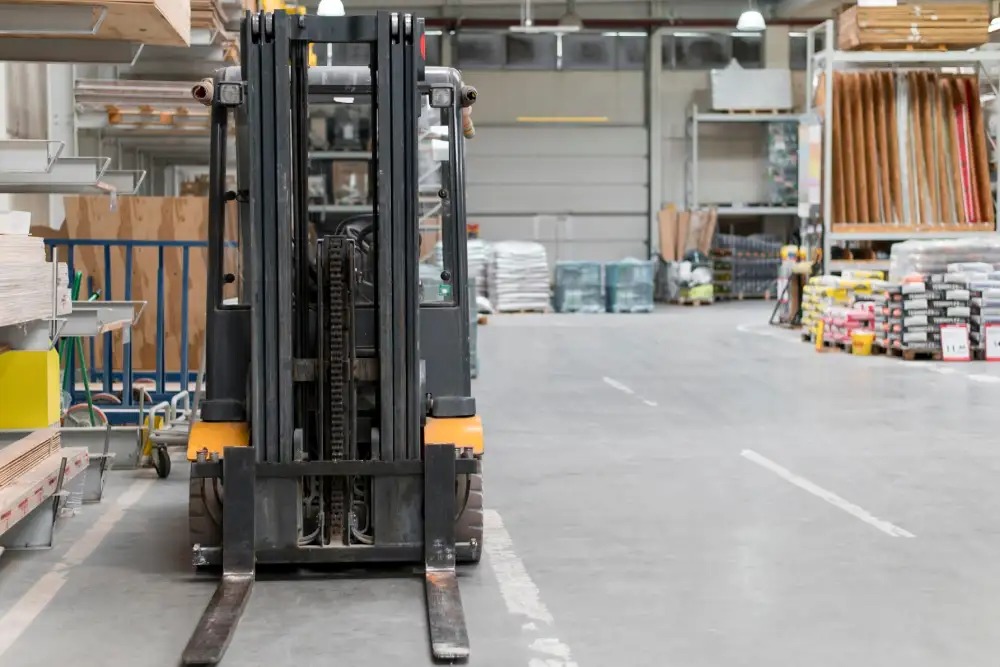
Electric forklift batteries cut on-site pollution and noise while supporting recycling and lower energy use—key wins for greener warehouses.
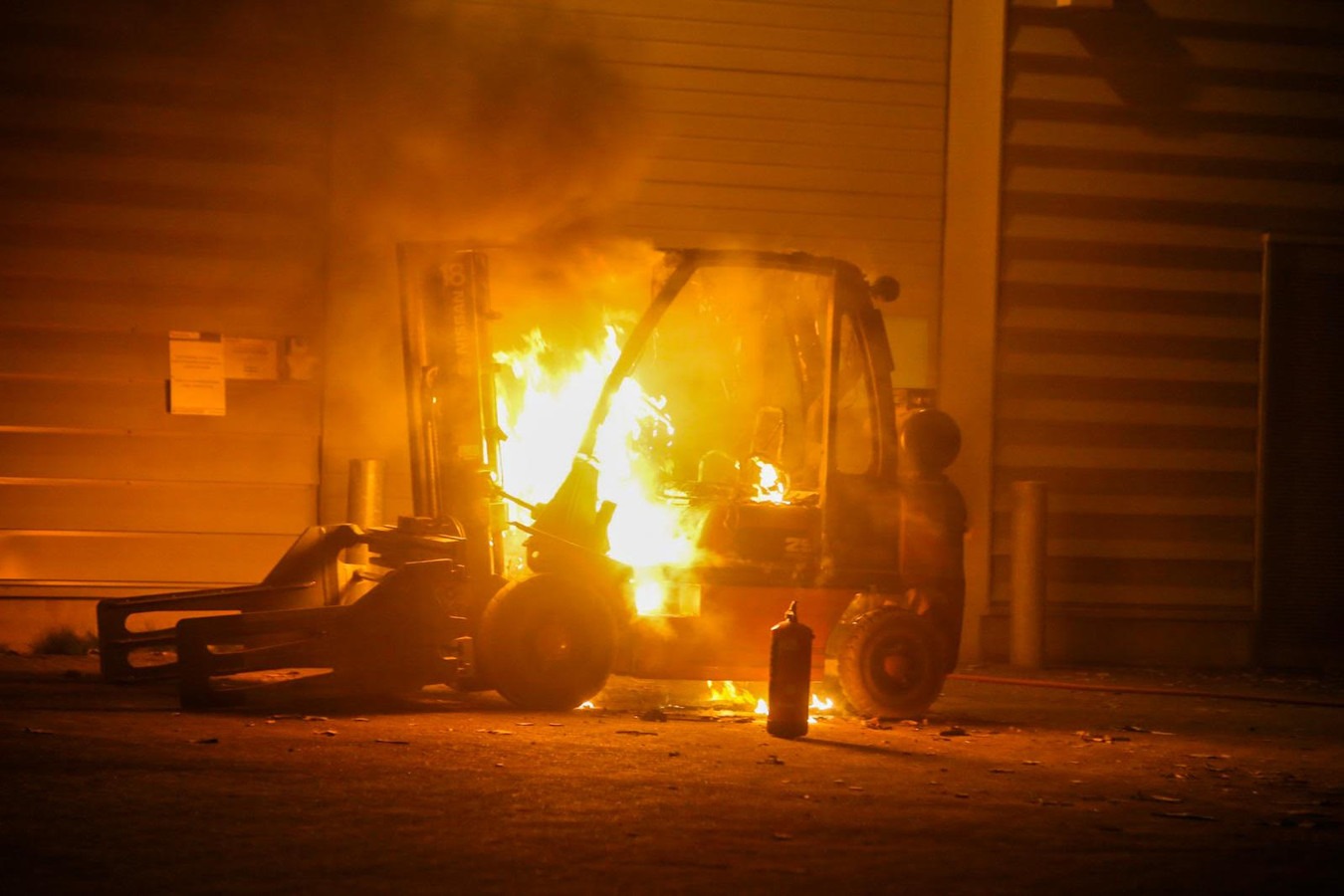
Yes—forklift batteries can explode if hydrogen gas builds up during charging and a spark or flame ignites it. Good ventilation prevents most incidents.
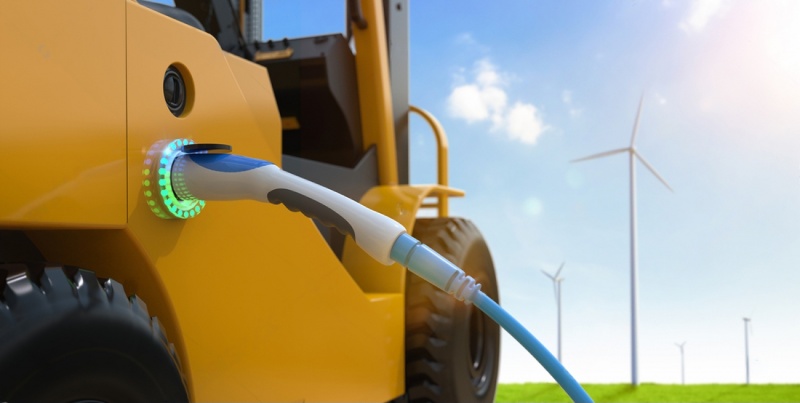
Charge smart and safe: start at 20–30% remaining, finish full cycles, water after charging, ventilate well, and inspect cables to avoid early failure.

Yes, traditional flooded lead-acid golf cart batteries absolutely need ventilation. During charging, they produce hydrogen gas. This gas is flammable and, if allowed to accumulate in a confined space, poses an explosion risk. Always charge in a well-ventilated, preferably outdoor or open, area.
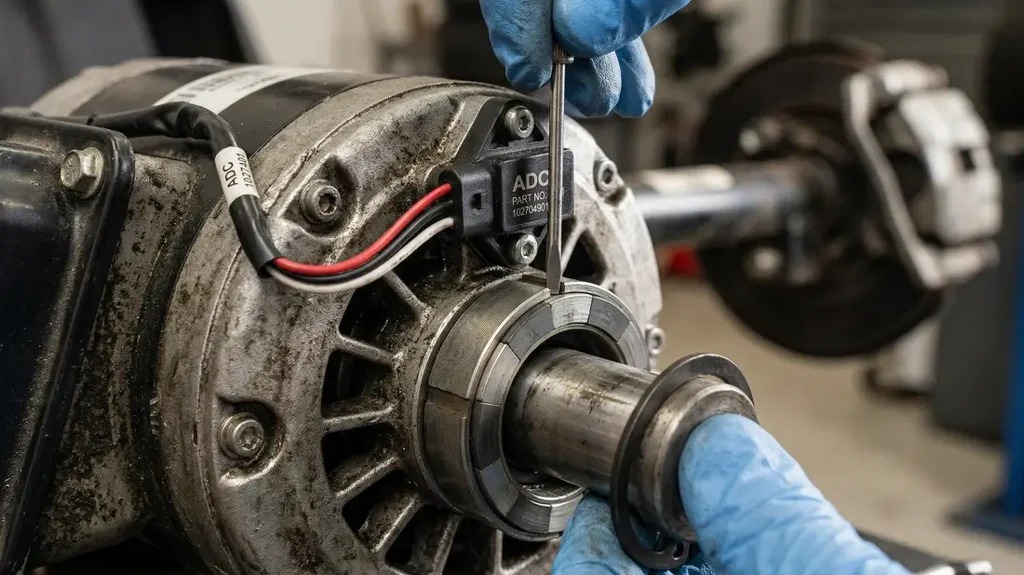
A jerky electric golf cart usually points to uneven power delivery—often from batteries, wiring, sensors, or a weak solenoid—especially under load.

Winter storage is easy when you prep the batteries, clean the cart, protect the tires, and keep everything dry and checked monthly.
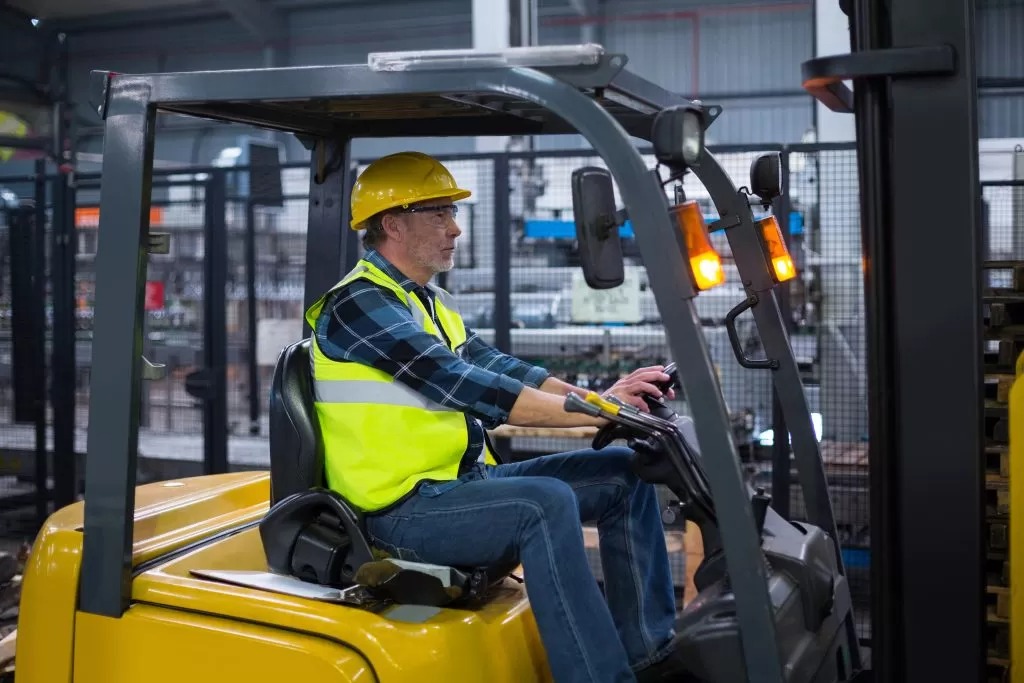
To check codes on a Toyota forklift, use a diagnostic scanner connected to the OBD2 port (typically under the dashboard/steering column) or jump the E1 and TE1 pins on the diagnostic connector to read flashing light codes.
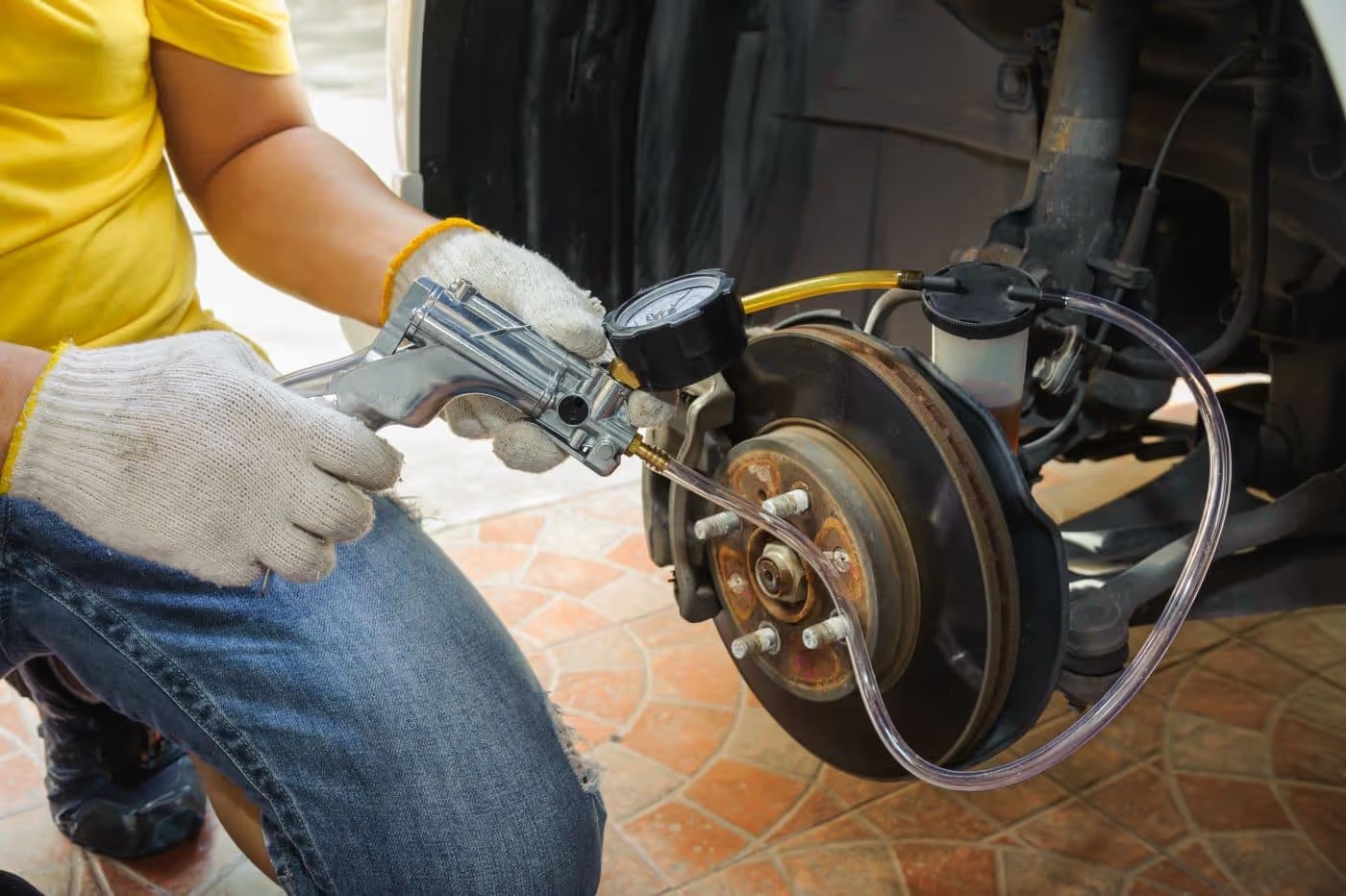
Bleeding Toyota forklift brakes requires a two-person team or a vacuum bleeder to remove air from the hydraulic system, ensuring a firm pedal.

To reset a Toyota forklift maintenance light, enter the administrator menu using a combination of dashboard buttons (often green/yellow or arrow keys) to access and clear the PM (Periodic Maintenance) interval.